Glyoxal CAS#107-22-2
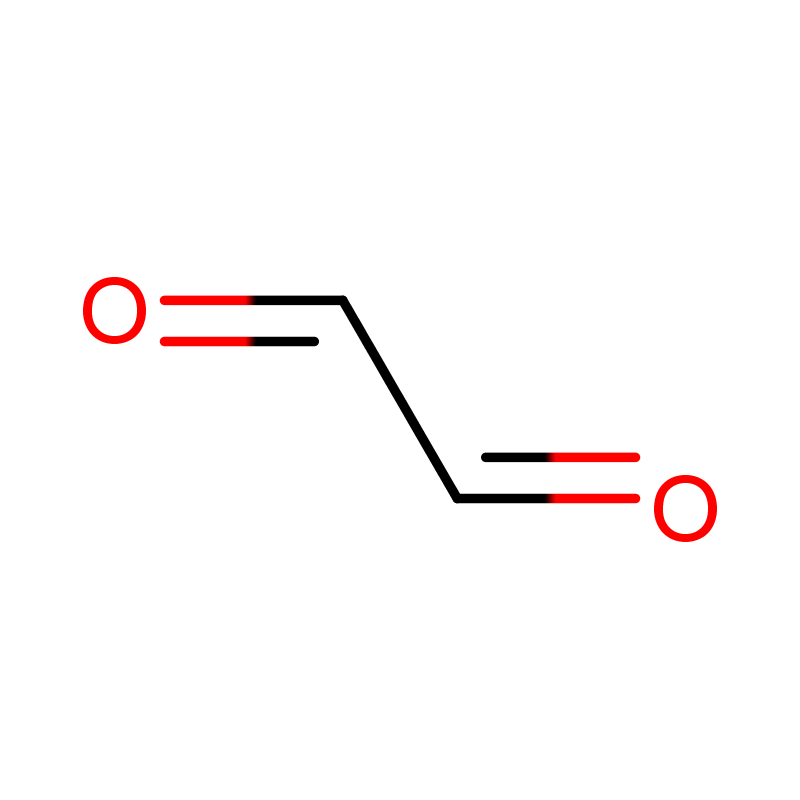
Simple Structure: Glyoxal is the simplest dialdehyde, composed of two aldehyde groups, making it a versatile compound in various chemical processes.
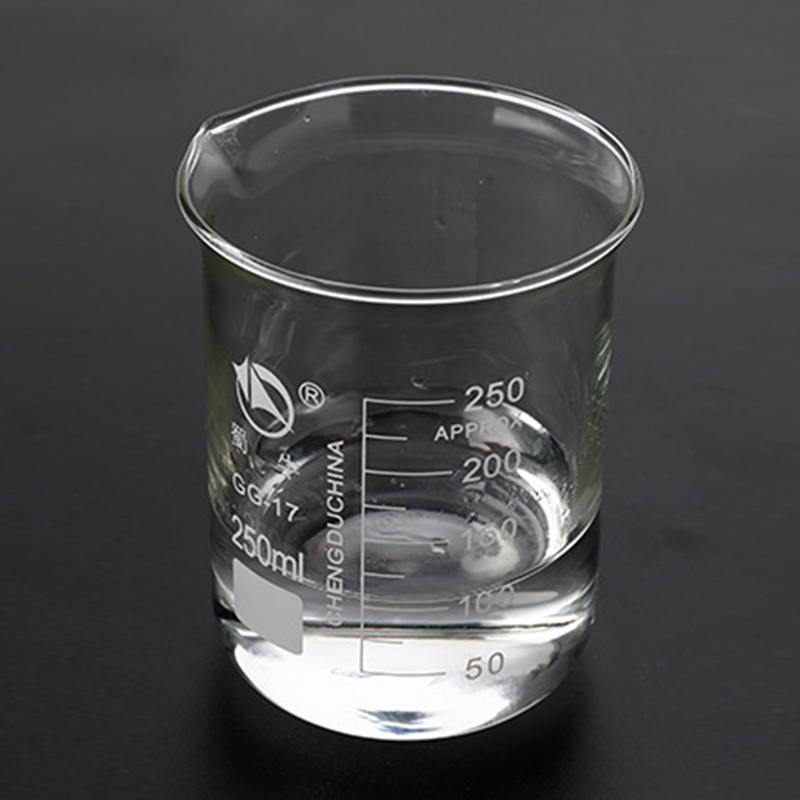
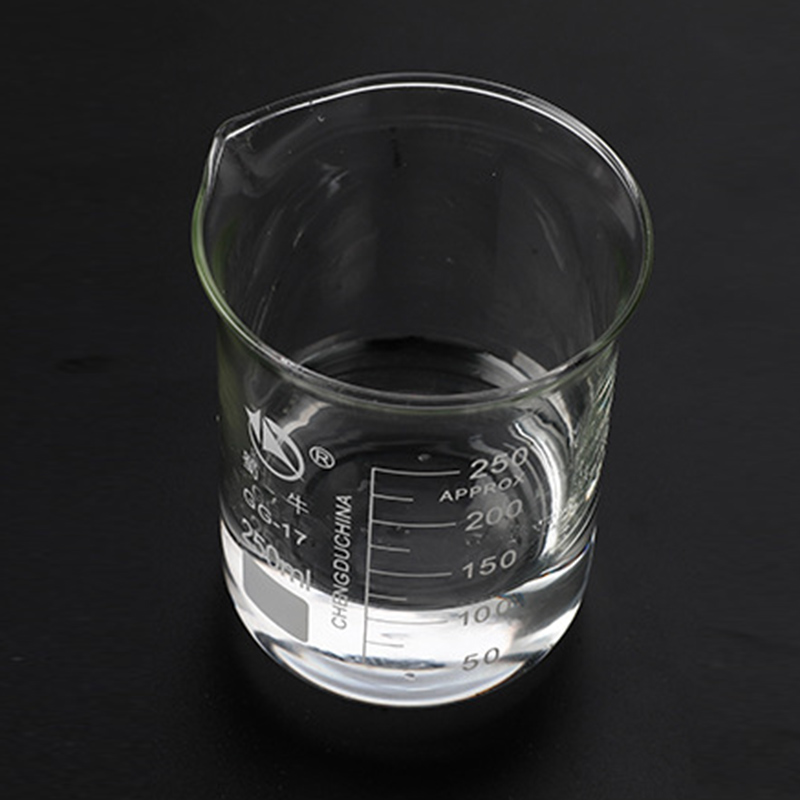
Physical Properties: It is a yellow liquid at room temperature, which allows for easy handling and integration into different applications.
Wide Range of Uses: Glyoxal is used in a variety of industrial applications, including textiles, water treatment, and as a biocide.
Reactivity: Its dual aldehyde groups make it reactive and useful in crosslinking agents and polymerization processes.
Glyoxal is an organic compound with the chemical formula OCHCHO, consisting of two aldehyde groups (-C=O-H). It is the simplest form of dialdehyde and appears as a yellow liquid at room temperature.
Glyoxal Chemical Properties
| Melting point | -14 °C |
| Boiling point | 104 °C |
| density | 1.265 g/mL at 25 °C |
| vapor density | >1 (vs air) |
| vapor pressure | 18 mm Hg ( 20 °C) |
| refractive index | n20/D 1.409 |
| Fp | 104°C |
| storage temp | 2-8°C |
| solubility | water: soluble(lit.) |
| form | Liquid |
| color | Clear colorless to yellow |
| Odor | yel. crystals or lt. yel. liq., mild odor |
| Water Solubility | miscible |
| Merck | 144,509 |
| BRN | 1732463 |
| Exposure limits | ACGIH: TWA 0.1 mg/m3 |
| Stability | Stability Combustible. Incompatible with strong oxidizing agents. Strong reducing agent. May polyermize exothermically. Incompatible with air, water, oxygen, peroxides, amides, amines, hydroxy-containing materials, nitric acid, aldehydes. Corrodes many metals. |
| InChIKey | LEQAOMBKQFMDFZ-UHFFFAOYSA-N |
| LogP | -1.15 at 20℃ |
| CAS DataBase Reference | 107-22-2(CAS DataBase Reference) |
| NIST Chemistry Reference | Ethanedial(107-22-2) |
| EPA Substance Registry System | Glyoxal (107-22-2) |
Safety Information
| Hazard Codes | Xn |
| Risk Statements | 20-36/38-43-68 |
| Safety Statements | 36/37 |
| RIDADR | UN 1760 |
| WGK Germany | 1 |
| RTECS | MD2700000 |
| Autoignition Temperature | 545 °F |
| TSCA | Yes |
| HS Code | 29121900 |
| Hazardous Substances Data | 107-22-2(Hazardous Substances Data) |
| Toxicity | LD50 in rats, guinea pigs (mg/kg): 2020, 760 orally (Smyth) |
Product Application of Glyoxal CAS#107-22-2
Glyoxal is primarily used in the textile industry as a fiber treatment agent to enhance the shrinkage and wrinkle resistance of materials like cotton and nylon. It acts as a durable pressing agent, with Japan accounting for 80% of its total consumption for this purpose. Additionally, glyoxal serves as an insoluble adhesive for substances such as gelatin, animal glue, cheese, polyvinyl alcohol, and starch.
In the leather industry, glyoxal is applied, and it is also used in the production of waterproof matches. Glyoxal is a key raw material in organic synthesis processes, such as reacting with acetaldehyde, urea, and formaldehyde to create 2D-resin, which is used in fabric finishing.
Glyoxal can also react with formaldehyde and ammonium sulfate to form imidazole, which is then used to synthesize antifungal drugs like clotrimazole and miconazole. It is an important intermediate in the production of pyrazinamide, an anti-tuberculosis drug, and hydroxyphenylacetic acid, an intermediate for antibiotics and vitamin A products. Furthermore, glyoxal is used in the synthesis of berberine hydrochloride, sulfamethoxypyrazine (a sulfonamide drug), insecticides, deodorants, corpse preservatives, and sand mold curing agents.