Everything You Need to Know About Urotropine
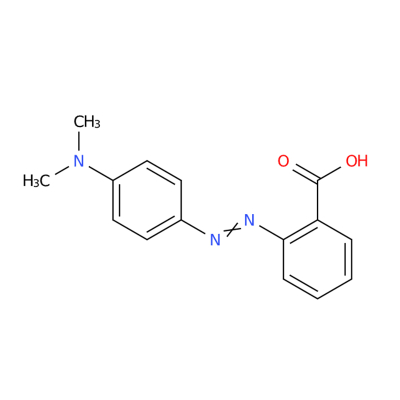
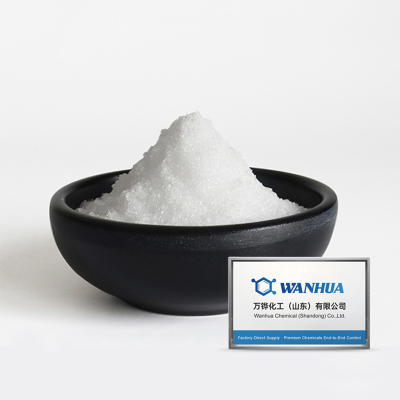
Urotropine, also known as hexamethylenetetramine, is a polycyclic heterocyclic compound with a structure similar to adamantane. Its molecular formula is C₆H₁₂N₄. It appears as a white crystalline solid and can be synthesized through the reaction of formaldehyde with ammonia. The molecule contains four fused triazine-like rings. Urotropine is slightly soluble in water and readily soluble in most organic solvents.
Physical and Chemical Properties
Urotropine is a white crystalline substance or crystalline powder with a glossy appearance. It has an initially sweet taste followed by a bitter aftertaste and may cause skin irritation. It sublimes and decomposes easily upon heating and is flammable. It is soluble in water but insoluble in ether, aromatic hydrocarbons, and similar solvents.
In acidic conditions (urine pH around 6.5), urotropine can be hydrolyzed into formaldehyde and hippuric acid. The formaldehyde produced exhibits non-specific antimicrobial activity, to which most bacteria and fungi are sensitive.
Applications and Uses
Urotropine has a wide range of industrial and chemical applications. It is used as a raw material in organic synthesis, a reagent in analytical chemistry, and also in the production of antibiotics, fuels, and various chemical products.
In industrial applications, urotropine can serve as a curing agent for resins and plastics, a vulcanization accelerator for rubber (accelerator H), and an anti-shrinkage agent in textile processing. It is also used in the preparation of fungicides and explosives. In gas mask technology, it is combined with caustic soda and sodium phenolate as a phosgene absorbent.
In medicinal use, urotropine can decompose in acidic urine to release formaldehyde, which provides antibacterial effects and is used for the treatment of mild urinary tract infections. It is also recognized as a corrosion inhibitor for reducing metal corrosion. Overall, it remains widely used in both industrial and pharmaceutical fields.
Why Urotropine Is Illegally Added to Food
Urotropine has been illegally used in food processing due to its effect under mildly acidic conditions, where it decomposes to release formaldehyde. This can lead to whitening, preservation, flavor enhancement, and anti-corrosion effects. When used together with acidic solutions such as dilute sulfuric acid or hydrochloric acid, it may mask poor-quality food by improving its appearance.

For example, high-quality yuba is light yellow in color, with a fibrous protein structure that is visible when held against light. It is also relatively firm when pinched. When soaked in warm water, good-quality yuba becomes soft, and the soaking water remains light yellow and clear.
If yuba appears overly white, lacks natural texture, or has an abnormal odor, it may indicate the presence of illegal additives such as urotropine. The same principle applies to vermicelli and aquatic products; excessively bright color or pungent smell may also suggest possible illegal addition of urotropine.