DMAP CAS# 1122-58-3: Properties and Applications
Introduction to DMAP
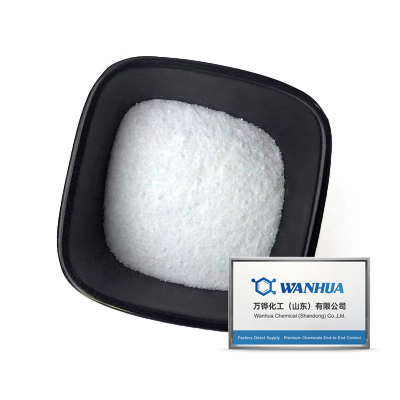
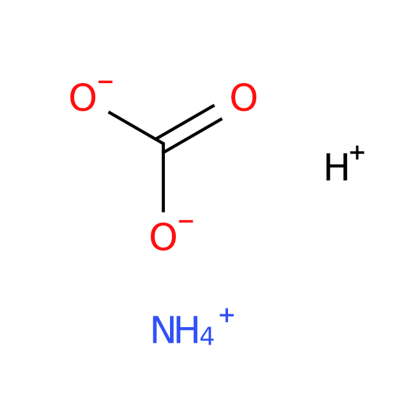
DMAP is a well-known organic compound with the molecular formula C₇H₁₀N₂. It appears as a white solid with a strong odor and is soluble in water, ethanol, and ether. Owing to its high reactivity and excellent selectivity, DMAP is widely used as a catalyst in organic synthesis. This article provides an overview of its properties, applications, and role in the chemical industry.
Properties and Uses of DMAP
DMAP is a highly active catalyst commonly employed in organic synthesis. It has extensive applications in the chemical industry, including the production of pharmaceuticals, agrochemicals, and polymers. It is also used in the manufacture of dyes, pigments, and other specialty chemicals.
The unique properties of DMAP make it a highly effective catalyst for numerous chemical reactions. It functions as a strong nucleophile and can also act as a base, making it particularly useful in reactions such as esterification, amidation, and acylation. In addition, DMAP exhibits catalytic activity in oxidation reactions, including the oxidation of alcohols and aldehydes.
Applications of DMAP in the Chemical Industry
DMAP is widely utilized in the chemical industry due to its high reactivity and excellent selectivity. It plays an important role in the synthesis of a wide variety of compounds, such as pharmaceuticals, agrochemicals, and polymers. It is also used in the production of dyes, pigments, and other fine chemicals.
The use of DMAP in industrial applications offers several advantages. It is a cost-effective catalyst that can be readily produced on a large scale. Its high selectivity enables the formation of target products while minimizing unwanted by-products. Moreover, DMAP is a versatile catalyst suitable for a broad range of chemical transformations, making it highly valuable in modern organic synthesis.

Safety and Handling of DMAP
DMAP is a hazardous substance and should be handled with appropriate care. It is a strong irritant and may cause skin and eye irritation. It is also toxic if swallowed or inhaled. Proper safety measures should be followed when handling DMAP, including the use of protective clothing, gloves, and eye protection.
DMAP should be stored in a cool, dry environment, away from heat sources and ignition points. It must also be kept separate from oxidizing agents and acids. In the event of a spill or exposure, the affected area should be thoroughly rinsed with plenty of water, and medical attention should be sought immediately.
Conclusion
In conclusion, DMAP is a highly reactive and versatile catalyst widely used in the chemical industry. It plays an important role in the synthesis of pharmaceuticals, agrochemicals, and polymers. Its chemical properties make it highly valuable in a wide range of reactions, and its industrial use offers significant advantages. However, DMAP is a hazardous substance and must be handled with care. Appropriate safety precautions are essential to ensure the protection of personnel and the environment.