Sodium dodecyl sulfate
Powerful Cleaning & Foaming – Excellent emulsifying, wetting, and stain removal (180-220mL foam volume).
Broad Compatibility – Works synergistically with anionic/nonionic surfactants (e.g., CAPB in shampoos).
Rapid Biodegradability – 98% degradation in 28 days (OECD 301D), eco-friendlier than many alternatives.
Multi-Industry Versatility – Used in detergents, toothpaste, latex polymerization, and protein research (SDS-PAGE).
Controlled Performance – Precise HLB (40) and Krafft point (16°C) for stable formulations in varying temperatures.
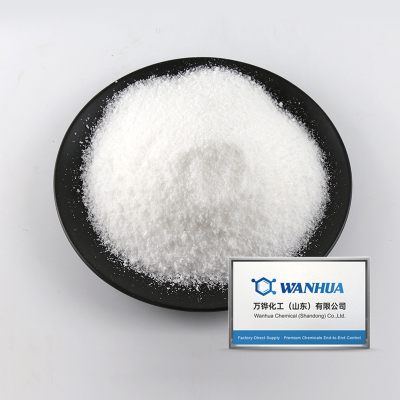
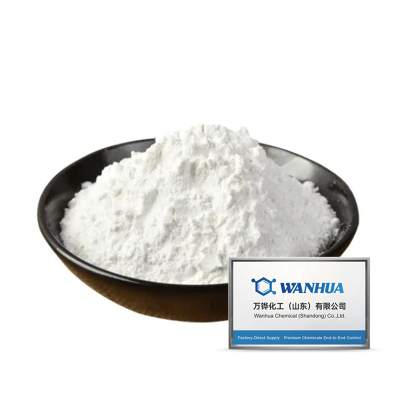
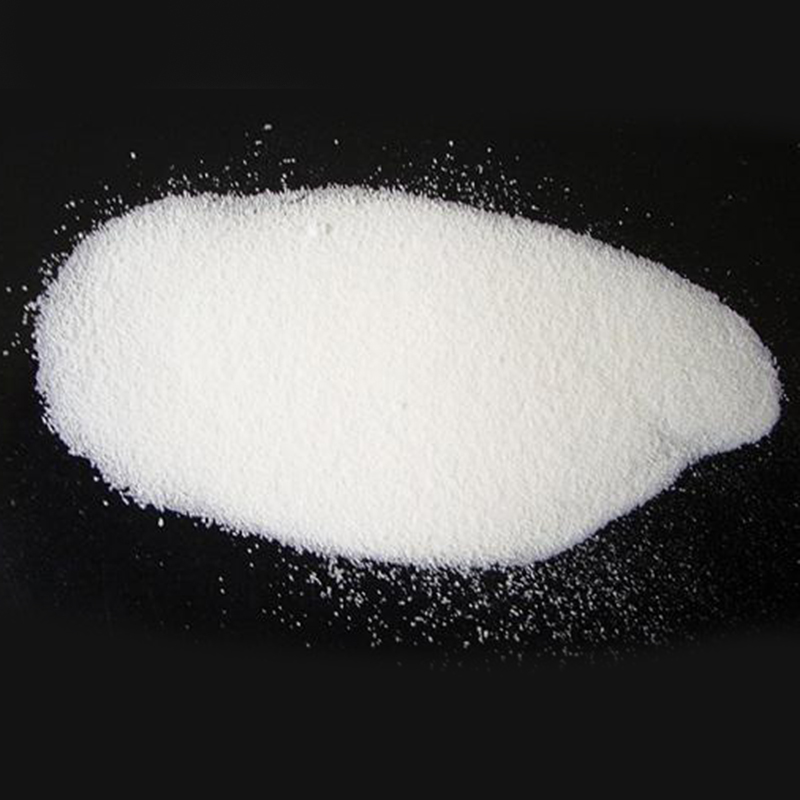
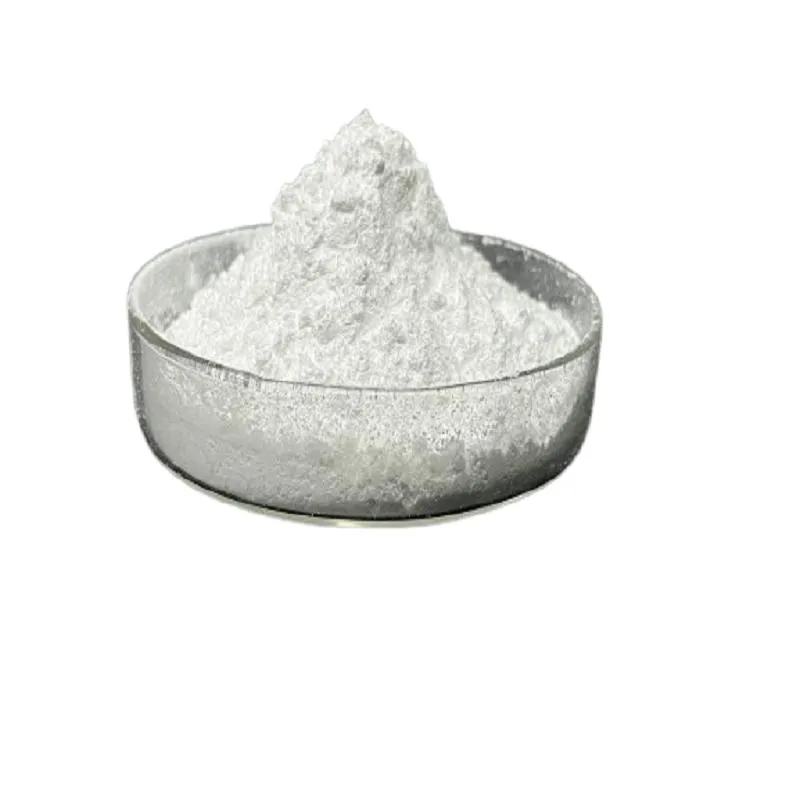
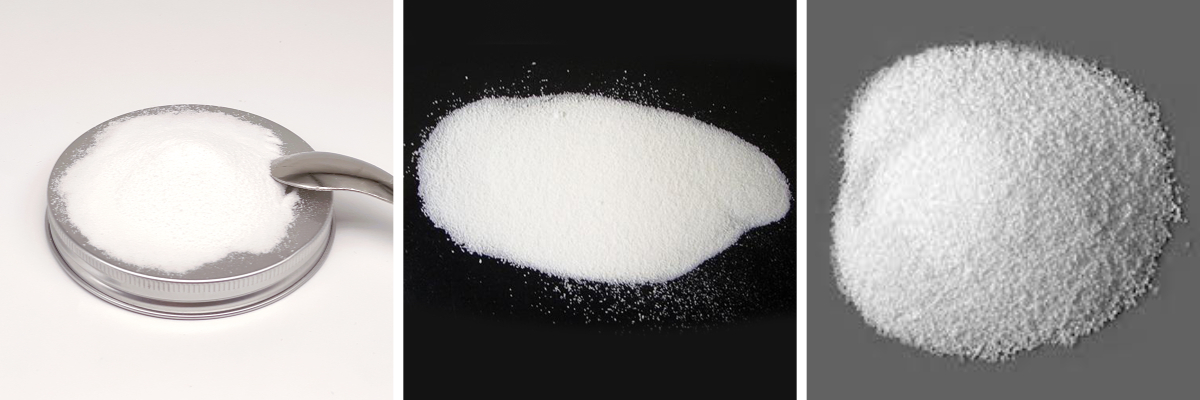
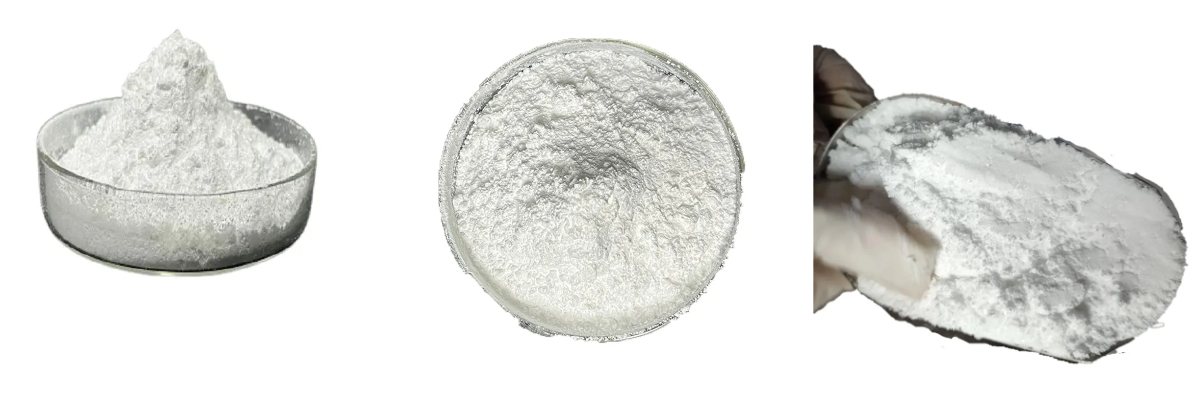
Sodium dodecyl sulfate (SDS), classified as an anionic surfactant, serves as a characteristic example of sulfate-based surfactants. Also commercially designated as AS, K12, sodium coco-sulfate, or sodium lauryl sulfate, it is widely utilized as a foaming agent. Market formulations typically appear as white to pale yellow crystalline powders that are non-toxic. This compound demonstrates limited solubility in alcohol while being insoluble in chloroform and ether, though it readily dissolves in water. SDS exhibits excellent compatibility with both anionic and nonionic compounds.
The surfactant displays superior emulsifying, foaming, wetting, cleaning, and dispersing properties, producing abundant foam while undergoing rapid biodegradation. However, its aqueous solubility is comparatively lower than that of sodium alcohol ether sulfate (AES).
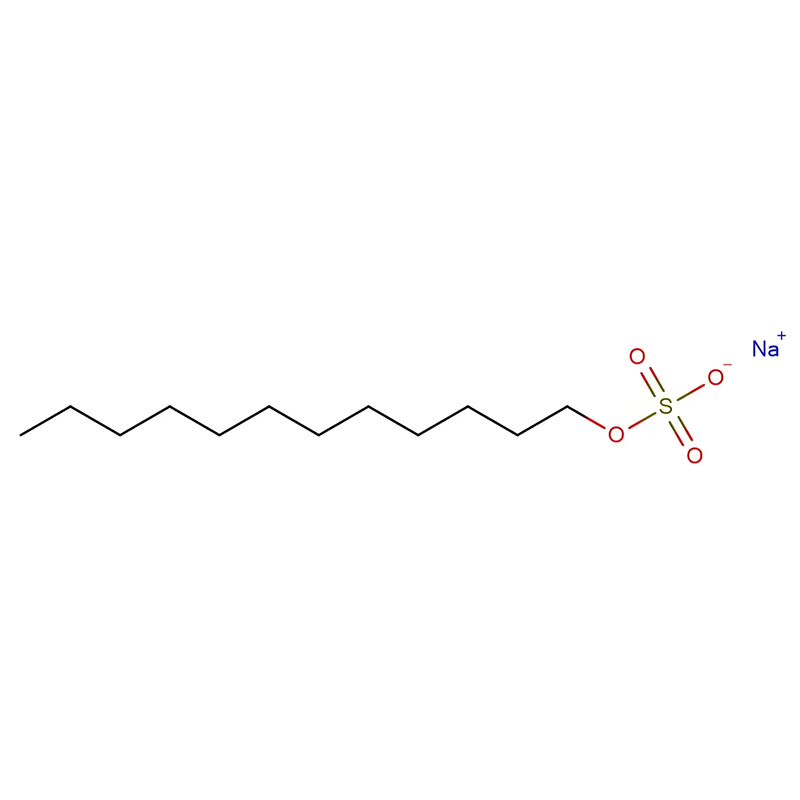
Sodium Dodecyl Sulfate (SDS) (C₁₂H₂₅SO₄Na, CAS 151-21-3), classified as an anionic surfactant, is the benchmark sulfate-based surfactant. Also designated as AS, K12, sodium lauryl sulfate (SLS), or sodium coco-sulfate (C12-C16 chain blend), it typically appears as white to pale yellow hygroscopic crystals with a characteristic faint fatty odor.
Key Properties & Specifications
Parameter | Value/Range |
Molecular Weight | 288.38 g/mol |
CMC (25°C) | 8.2 mM (0.24 wt%) |
Surface Tension | 39.5 mN/m (at CMC) |
Krafft Point | 16°C (critical solubility) |
pH (10% sol.) | 7.0-9.5 |
Bulk Density | 0.45-0.65 g/cm³ |
Melting Point | 204-207°C (decomp.) |
Structural & Chemical Features
Molecular Geometry:
Hydrophobic tail: 12-carbon alkyl chain (length: 1.67 nm)
Hydrophilic head: sulfate group (diameter: 0.45 nm)
Crystalline Form:
Hexagonal/lamellar structure below Krafft point
Monoclinic crystals (space group P2₁/c)
Performance Characteristics
Property | Technical Advantage |
Foaming Capacity | 180-220 mL (Ross-Miles, 0.1% sol.) |
Foam Stability | 85% retention after 5 min |
Emulsification | HLB 40 (O/W systems) |
Wetting Time | 5 sec (Draves test, 0.1% sol.) |
Biodegradation | 98% (OECD 301D, 28 days) |
Critical Packing | Parameter (CPP): 0.33 (spherical micelles) |
Application Scenarios
Cleaning Systems
Detergents: 10-25% in laundry powders (removes sebum/stains)
Dish Liquids: 3-15% (grease-cutting synergy with CAPB)
Personal Care
Toothpaste: 1.0-1.5% (creamy foam, plaque removal)
Shampoos: 8-15% (primary surfactant in clarifying formulas)
Industrial Processes
Emulsion Polymerization: 0.5-2% (styrene-butadiene rubber)
Textile Processing: Scouring agent (1-3 g/L, 80°C)
Scientific Uses
SDS-PAGE: 0.1-0.5% in buffers (protein charge masking)
Cell Biology: 0.05-0.1% in lysis buffers
Specialty Formulations
Firefighting Foam: 2-5% (AFFF concentrates)
Microbubbles: Ultrasound contrast agents
Packaging & Handling
Format | Specifications |
Bags | 25 kg PE-lined kraft paper |
Drums | 180 kg fiberboard with poly liner |
Liquid Grades | 30% solution in IBCs (1,000 L) |
Storage: <25°C/60% RH; shelf life 24 months | |
Handling: Minimize dust (PEL: 5 mg/m³); use dust masks |