Logwood Extract (Haematein) CAS#475-25-2
Natural Dye Precursor: Hematoxylin extract is a naturally derived compound, making it a preferred choice for applications seeking plant-based or eco-friendly dye solutions.
Readily Oxidizable: It can be easily oxidized to form hematoxylin oxide, enabling controlled preparation of active dye forms for various applications.
Effective in Aqueous Systems: It performs well in aqueous solutions, particularly under alkaline conditions, supporting broad usability in laboratory staining procedures.
Versatile in Histological Use: Due to its oxidizable properties and color potential, it serves as a key component in histology and microscopy for cell and tissue staining.
Hematoxylin extract (oxidized hematoxylin) serves as a natural precursor to the dye hematoxylin, which is formed through oxidation. Hematoxylin oxide is the resulting product of this oxidation process. In aqueous environments, particularly under alkaline conditions, it readily undergoes further oxidation when exposed to air.
HEMATEIN Chemical Properties
Melting point | 180 °C |
Boiling point | 361.5°C (rough estimate) |
Density | 1.2766 (rough estimate) |
Refractive index | 1.4600 (estimate) |
Storage temp | 2-8°C |
Solubility | Methanol (Slightly) |
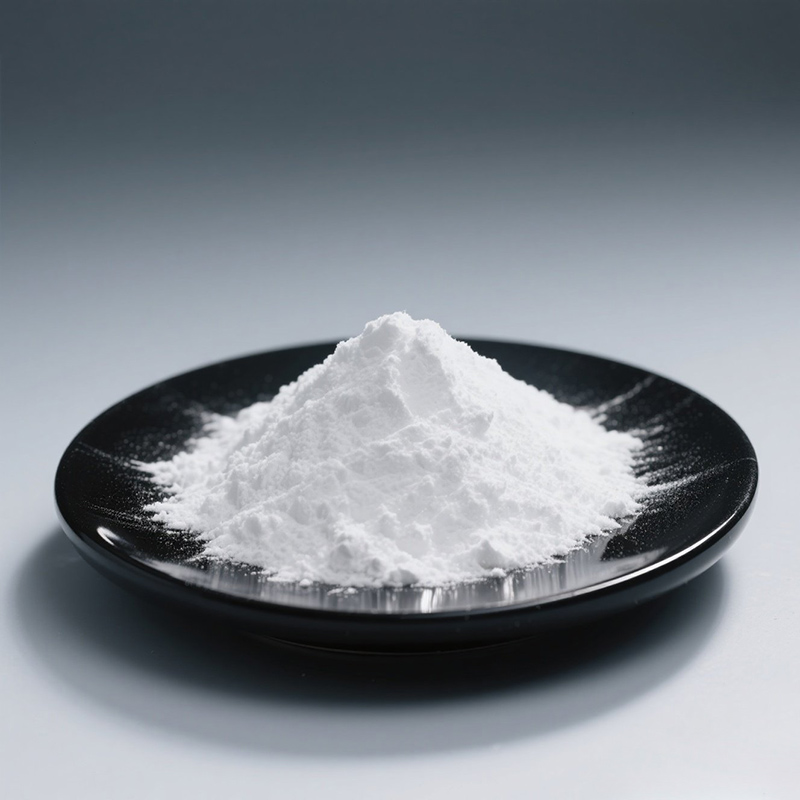
Form | Crystalline Powder |
Colour Index | 75290 |
Pka | 8.02±0.40(Predicted) |
Color | Dark brown |
Water Solubility | 0.6g/L(20 ºC) |
Merck | 13,4651 |
BRN | 93039 |
LogP | 0.560 (est) |
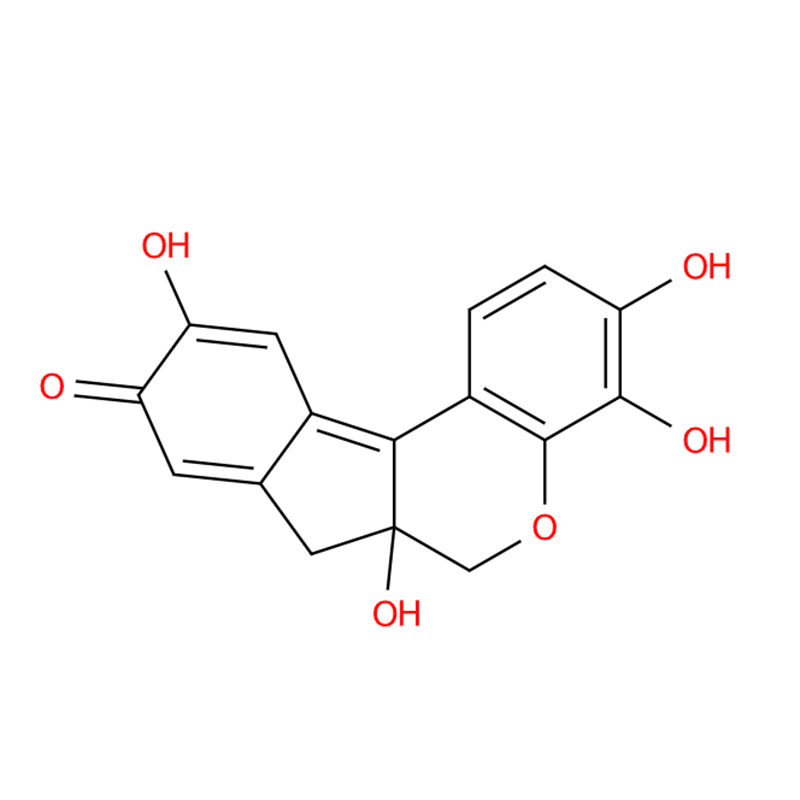
EPA Substance Registry System | Benz[b]indeno[1,2-d]pyran-9(6H)-one, 6a,7-dihydro-3,4,6a,10-tetrahydroxy- (475-25-2) |
Safety Information
Safety Statements | 24/25 |
WGK Germany | 3 |
RTECS | DE3120000 |
F | 8-10-23 |
HS Code | 32030010 |
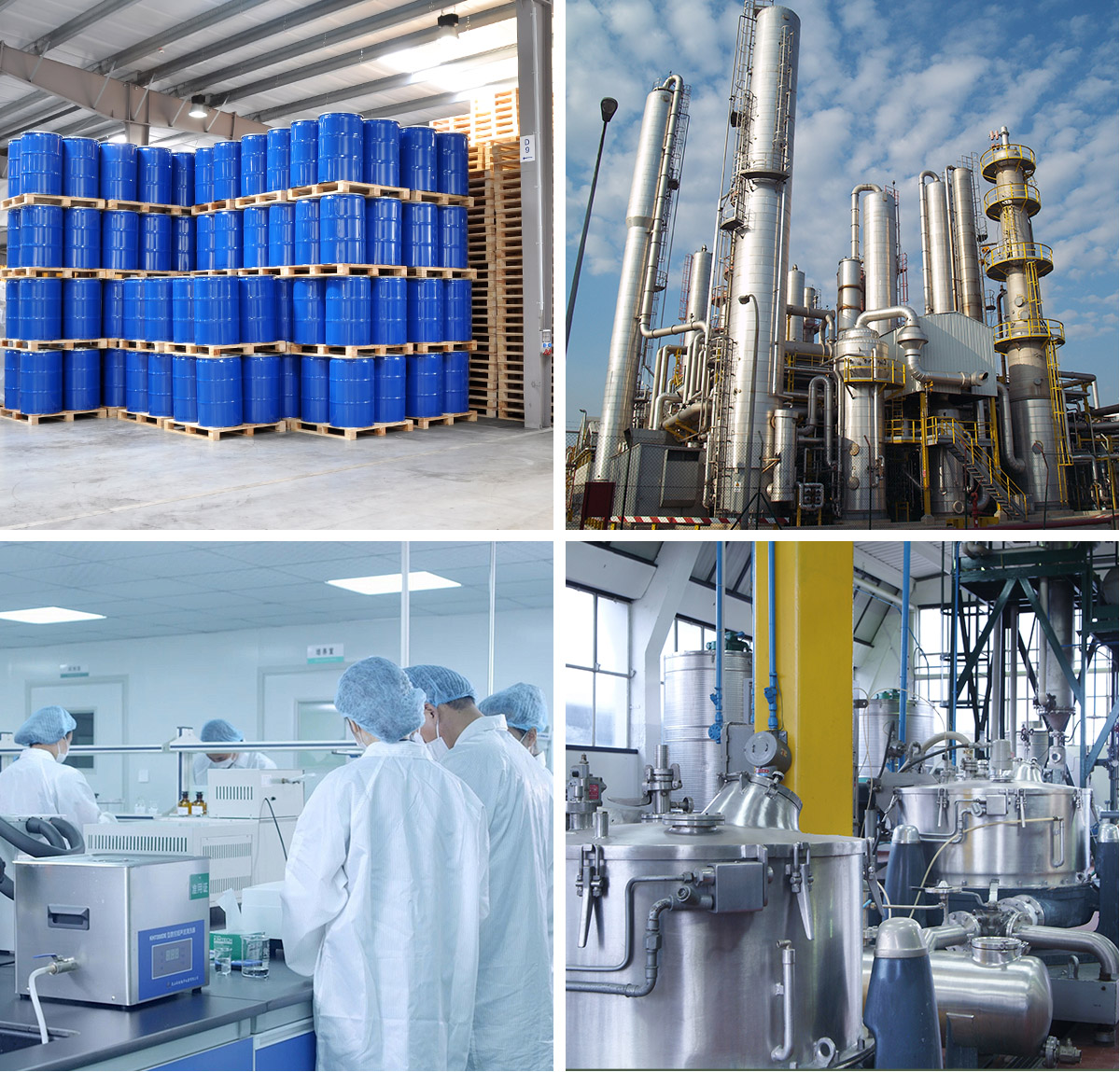
Logwood Extract (Haematein) has diverse applications. In the textile industry, it functions as a natural dye ideal for coloring wool and silk. When used with various mordants, it can produce a wide spectrum of shades, from vivid purple to rich black. In laboratory settings, the oxidized hematoxylin it contains reacts with metal ions to form colored complexes. It is commonly paired with eosin in H&E staining to aid in the visualization and analysis of cellular structures.