


Alpha-Amylase CAS#9000-90-2
Efficient Hydrolysis: Effectively breaks down starch and glycogen into maltose and glucose for energy release.
High Stability: Small and stable enzyme with strong resistance to harsh environmental conditions.
Broad Biological Presence: Naturally found in plants, animals, and microbes, allowing for versatile sourcing and applications.
Nutritional Benefits: Supports energy metabolism in humans and animals by converting complex carbohydrates into simple sugars.
Alpha-amylase is an enzyme capable of breaking alpha bonds in large alpha-linked polysaccharides such as starch and glycogen. It is a small, highly stable molecule that remains active under various adverse conditions. This enzyme converts starch and glycogen into maltose and glucose, supplying energy to both humans and animals. Alpha-amylase is widely distributed in nature, occurring in nearly all types of plants, animals, and microorganisms.
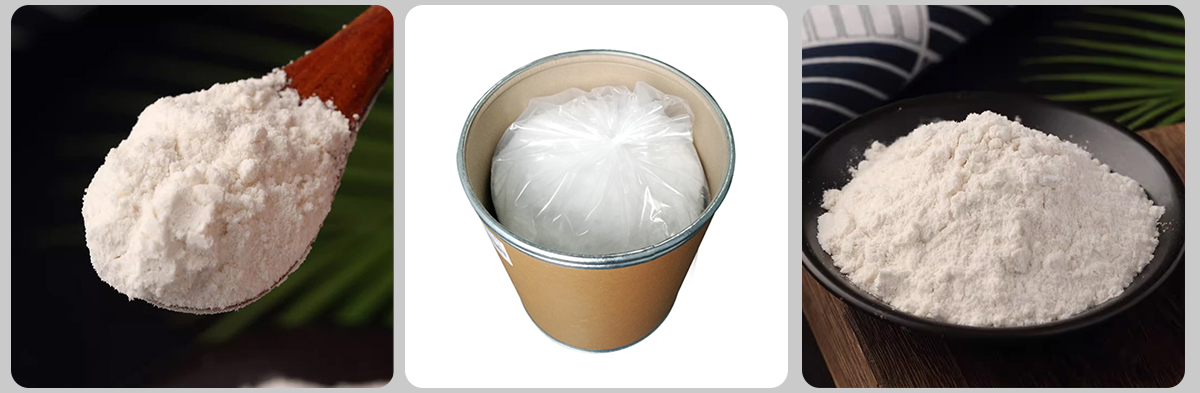
Alpha-Amylase Chemical Properties
Melting point | 66-73 °C |
Density | 1.37[at 20℃] |
Vapor pressure | 0Pa at 25℃ |
Storage temp | -20°C |
Solubility | H2O: soluble0.1mg/mL, clear, colorless |
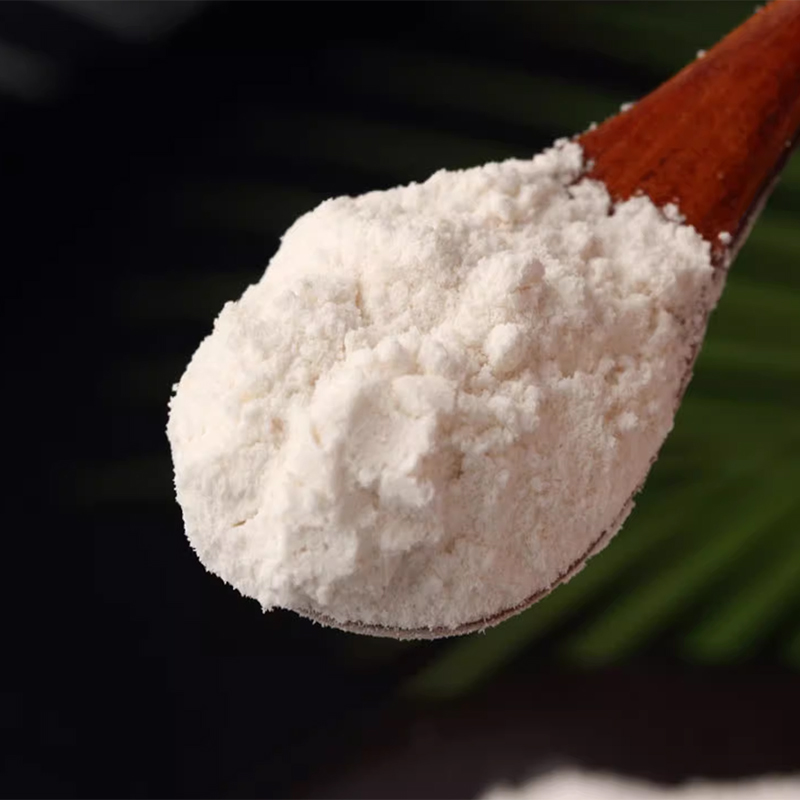
Form | Suspension |
Color | Yellow-brown |
Biological source | Human pancreas |
Water Solubility | 100g/L at 25℃ |
Merck | 14,599 |
Specific Activity | 300-1,500units/mg protein |
LogP | -1.3 at 20℃ |
EPA Substance Registry System | Amylase, .alpha.- (9000-90-2) |
Safety Information
Hazard Codes | Xn,B |
Risk Statements | 42 |
Safety Statements | 36-36/37-24-22-45-2-23 |
WGK Germany | 3 |
RTECS | BU7432500 |
F | 3-10-21 |
HS Code | 35079090 |

α-Amylase has been applied in multiple plant-related studies, including metabolic research in Arabidopsis. It has also been utilized in assays involving human pancreatic α-amylase to evaluate potential interference in enzymatic methods for measuring calcium levels in serum and urine. Additionally, α-amylase from Sigma has been employed to generate a standard calibration curve for assessing an automated amylase detection system using forensic samples.