2-ACP (CAS# 36936-23-9) Introduction
Overview of 2-ACP
2-ACP, with the molecular formula C₆H₆ClN₂, is an important chemical intermediate widely used in the synthesis of pharmaceuticals and agrochemicals. This section outlines its main properties, synthesis routes, and applications.
Properties of 2-ACP
Physical Properties
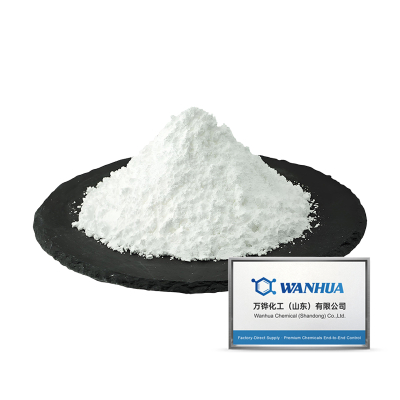
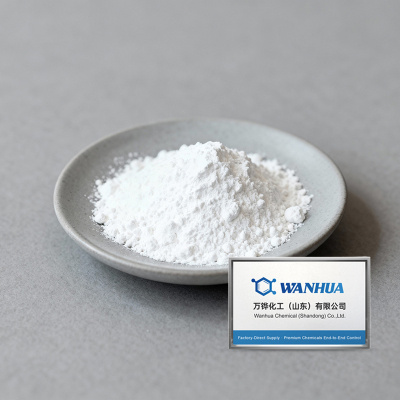
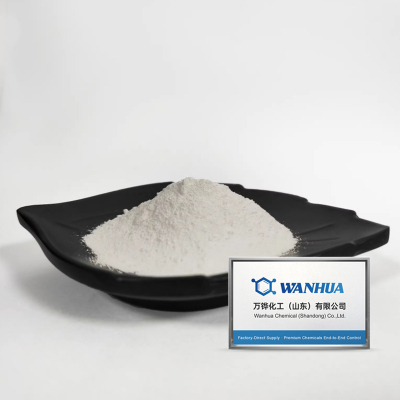
2-ACP appears as a white to off-white crystalline powder with a melting point of 110–114°C. It is soluble in common organic solvents such as ethanol, methanol, and acetone, but it does not dissolve in water.
Chemical Properties
This compound is a heterocyclic molecule containing both a pyridine ring and an amino group. It behaves as a weak base and is able to form salts with acids. The chloro group in its structure is also reactive and can undergo nucleophilic substitution reactions.

Synthesis of 2-ACP
From 2,6-Dichloropyridine
A commonly used synthesis route involves reacting 2,6-dichloropyridine with ammonia in the presence of a catalyst such as Raney nickel or palladium on carbon. This process includes hydrogenation, dechlorination, and cyclization steps that ultimately produce 2-ACP.
From 2,6-Dichloronicotinic Acid
Alternatively, 2-ACP can be prepared by reacting 2,6-dichloronicotinic acid with ammonia using a reducing agent such as sodium borohydride. This method follows a similar reaction pathway to yield the target compound.
Applications of 2-ACP
Pharmaceutical Intermediates
2-ACP serves as a key intermediate in the production of various pharmaceutical compounds, including antihypertensive, anticancer, and antiviral drugs.
Agrochemical Intermediates
It is also used in the manufacture of agrochemicals such as herbicides and fungicides.

Other Uses
In addition, 2-ACP can act as a building block for synthesizing other organic compounds, including dyes and pigments.
Conclusion
2-Amino-5-chloro-6-picoline (2-ACP) is a valuable intermediate for the synthesis of pharmaceuticals and agrochemicals. It can be produced from either 2,6-dichloropyridine or 2,6-dichloronicotinic acid using ammonia. With its wide range of applications and useful chemical properties, 2-ACP plays an important role in chemical and industrial processes.