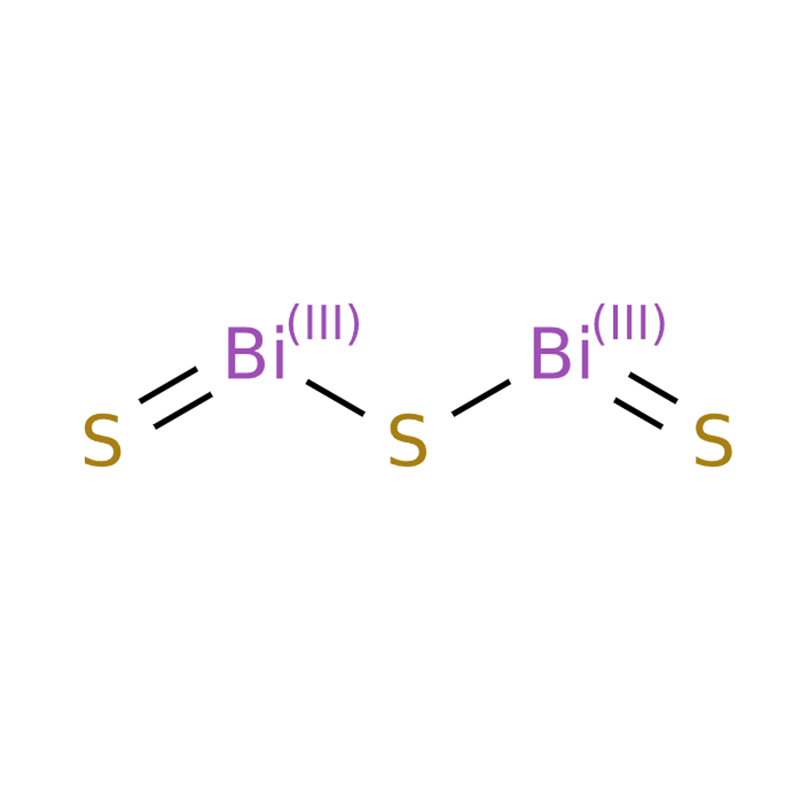
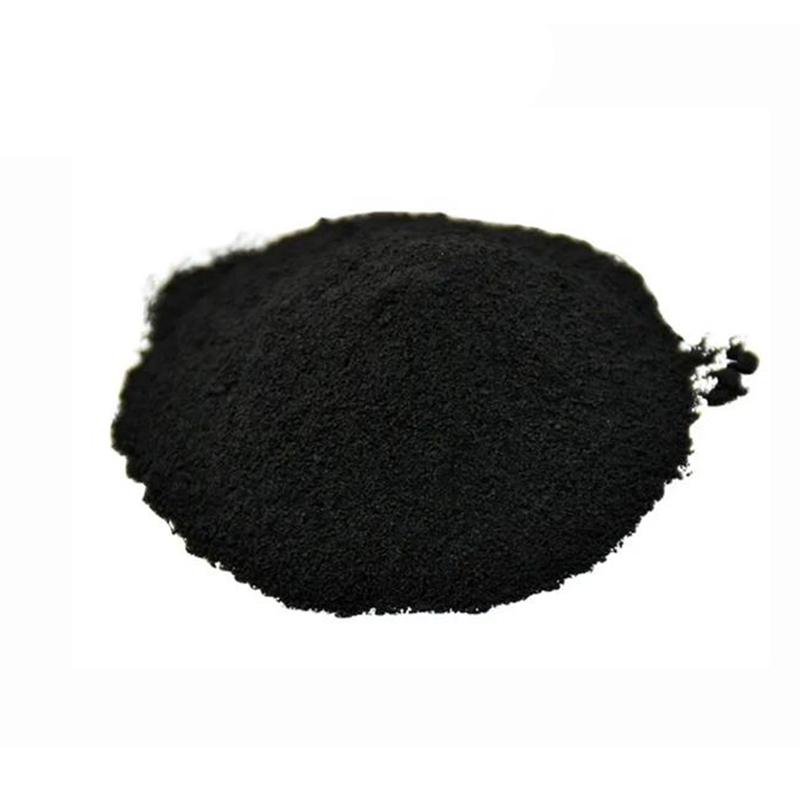
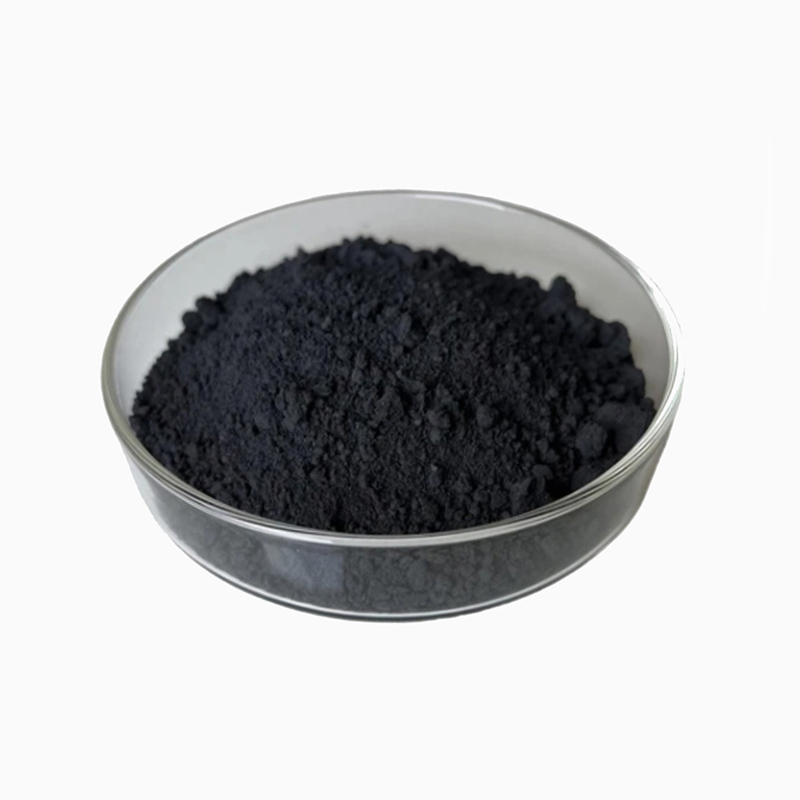

BISMUTH SULFIDE CAS#1345-07-9
High thermal stability, with a decomposition temperature of 685 °C, making it suitable for high-temperature applications
Relatively high specific gravity (7.39), providing good material density and performance in formulations
Insoluble in water and ethyl acetate, offering excellent resistance to moisture and common organic solvents
Readily soluble in nitric acid and hydrochloric acid, which facilitates chemical processing and purification
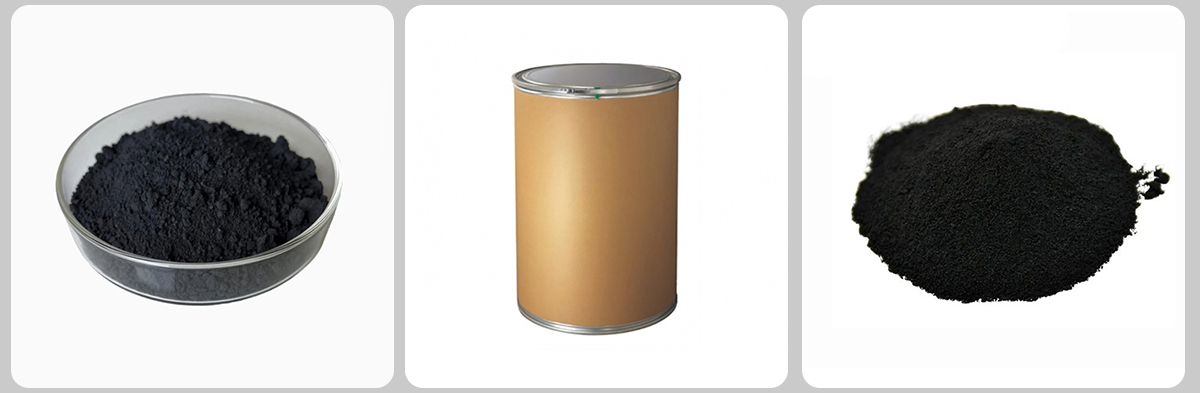
BISMUTH SULFIDE Chemical Properties
| Melting point | 685°C (dec.) |
| density | 7.7 g/mL at 25 °C(lit.) |
| solubility | insoluble in H2O; soluble in acid solutions |
| form | Lump |
| Specific Gravity | 7.7 |
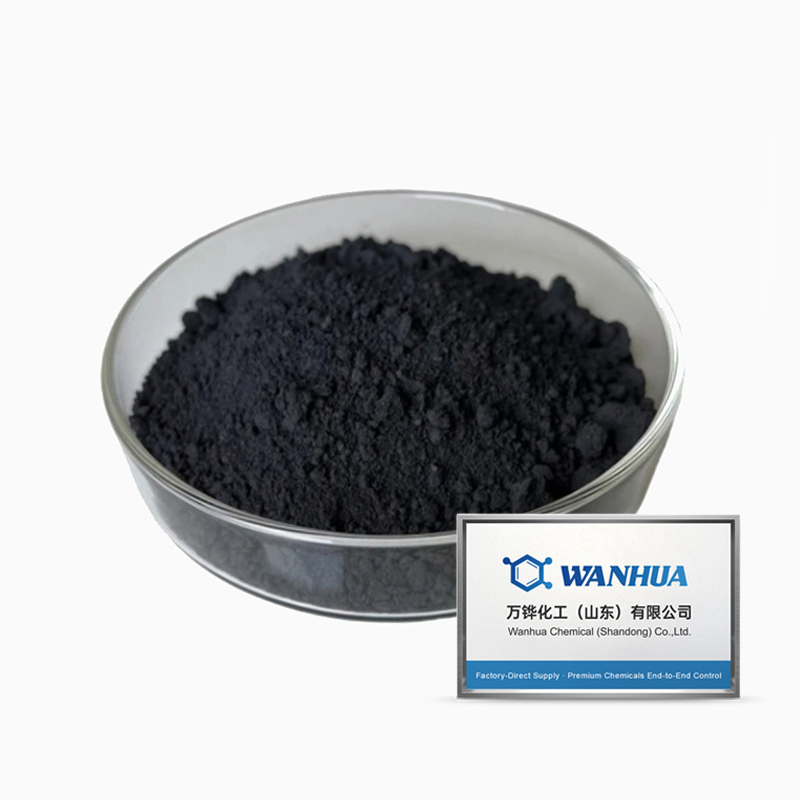
| color | Gray |
| Water Solubility | Insoluble in water. Soluble in acids. |
| Merck | 131,288 |
| Solubility Product Constant (Ksp) | pKsp: 97 |
| CAS DataBase Reference | 1345-07-9(CAS DataBase Reference) |
| EPA Substance Registry System | Bismuth sulfide (Bi2S3) (1345-07-9) |
Safety Information
| Hazard Codes | Xi |
| Risk Statements | 36/37/38 |
| Safety Statements | 26 |
| WGK Germany | 2 |
| RTECS | EB3105000 |
| TSCA | Yes |
| Toxicity | mouse,LD50,oral,10gm/kg (10000mg/kg),Gigiena Truda i Professional'nye Zabolevaniya. Labor Hygiene and Occupational Diseases. Vol. 30(6), Pg. 16, 1986. |

Product Application of BISMUTH SULFIDE CAS#1345-07-9
As a key semiconductor material, bismuth sulfide shows strong potential for use in thermoelectric, electronic, and optoelectronic devices, as well as in infrared spectroscopy. Its band gap energy at room temperature is 1.33 eV, making it suitable for photoelectric converters and widely applied in thermoelectric cooling technologies. At the nanoscale, bismuth sulfide exhibits a blue shift in both ultraviolet–visible absorption and fluorescence emission wavelengths, while also generating nonlinear optical responses and improving the redox activity of nanoparticles. In addition, it demonstrates excellent photoelectrocatalytic properties, giving it broad prospects for applications in luminescent materials, nonlinear optical materials, photocatalytic materials, and related fields.