Polyvinylpyrrolidone CAS# 9003-39-8
1. Effective Filtration Agent: Insoluble in common solvents, enabling easy removal through filtration in separation processes.
2. Stability and Durability: High melting point (>300°C) and resistance to strong oxidizing agents, offering stability in demanding environments.
3. Versatile Complex Formation: Ability to form complexes with various substances, useful in applications like beverage clarification.
4. Hygroscopic Properties: Moisture-absorbing, which makes it effective in applications requiring controlled moisture levels.
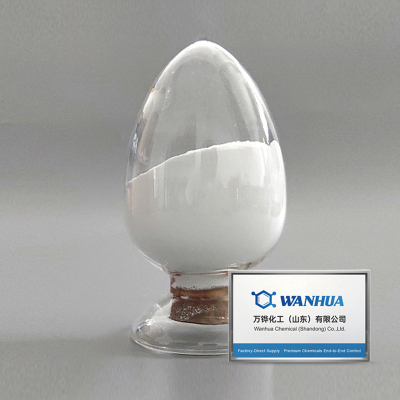
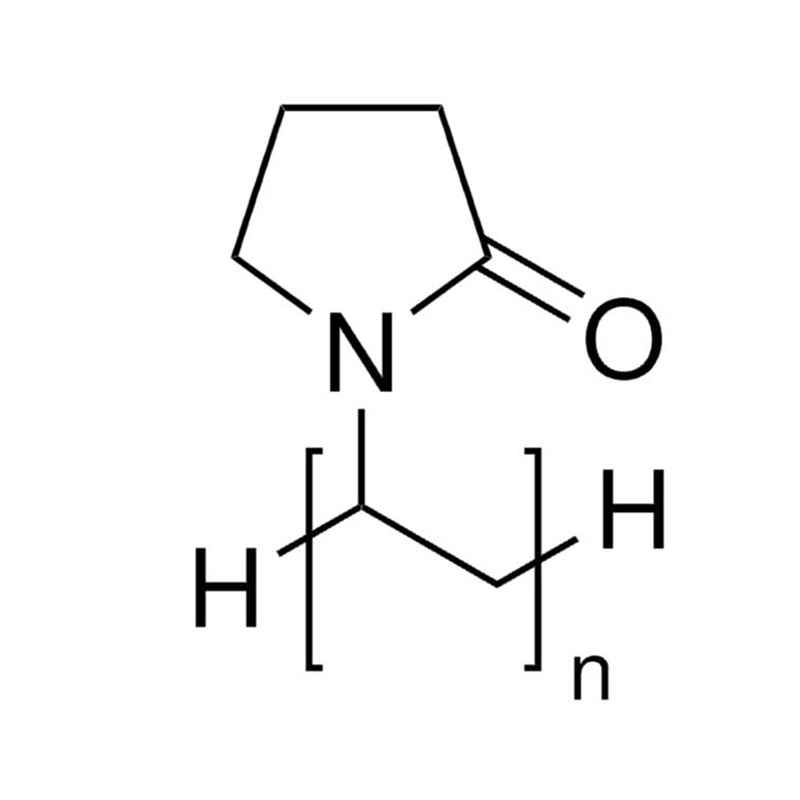
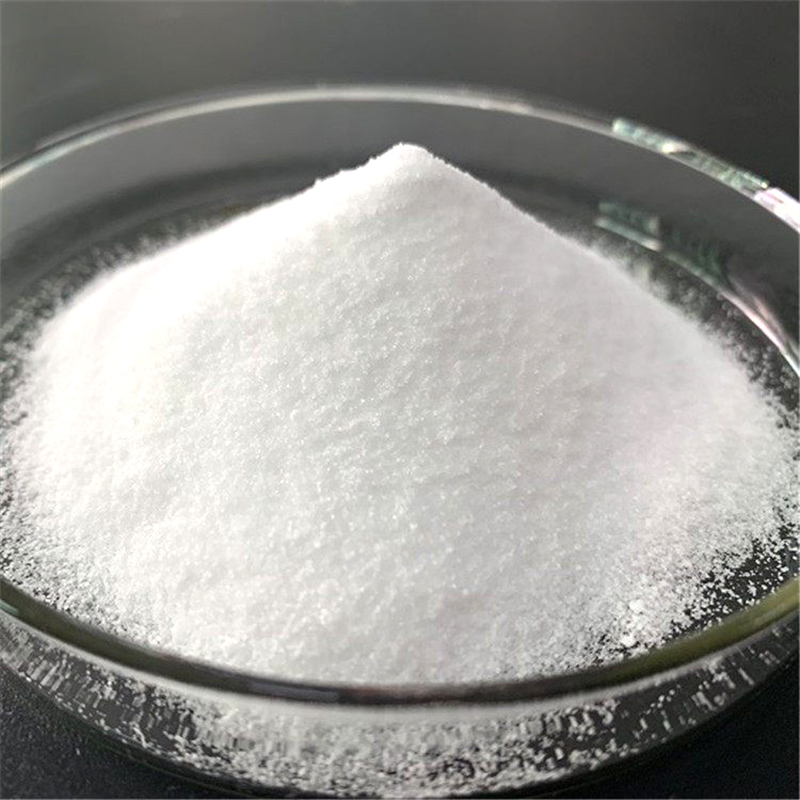
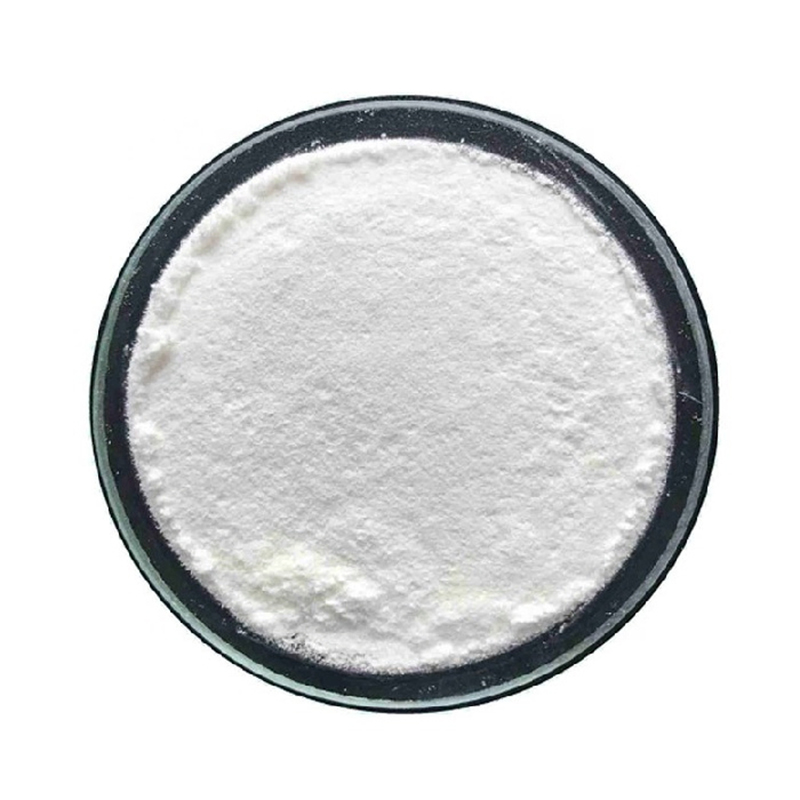
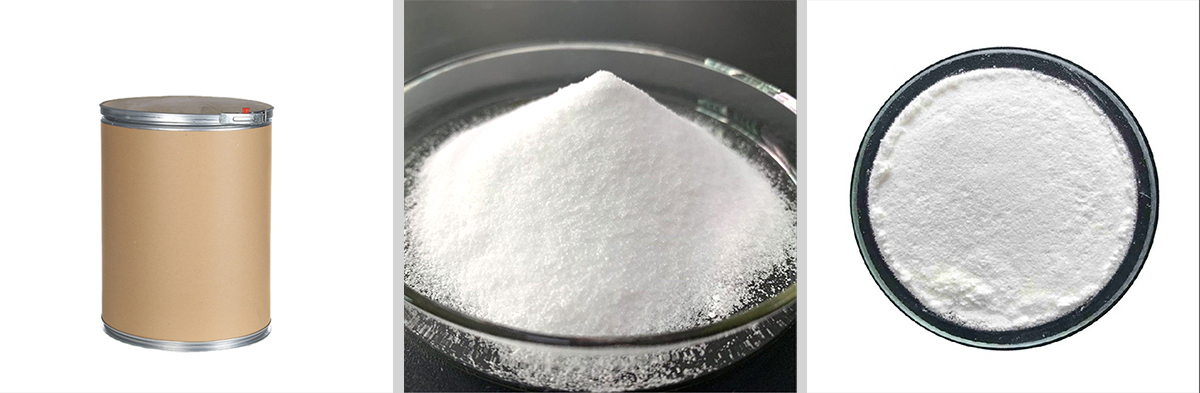
It is a cross-linked homopolymer of pure vinylpyrrolidone, existing as a hygroscopic and free-flowing white or off-white powder with a faint unpleasant odor. This substance is insoluble in most common solvents, including water, ethanol, and ether, which means its molecular weight range cannot be determined. However, PVP has the ability to form complexes with various substances, including those in the “Hu” class, which are known to cause discoloration in wines and other beverages. Due to its insolubility, PVP can be easily removed through filtration processes, making it highly suitable for use in applications where separation is required.
Polyvinylpyrrolidone Chemical Properties |
Melting point | >300 °C |
Boiling point | 90-93 °C |
density | 1,69 g/cm3 |
Tg | 175 |
bulk density | 330kg/m3 |
refractive index | (25) 1.5300 |
refractive index | 1.5300 |
storage temp. | 2-8°C |
solubility | H2O: soluble100mg/mL |
form | powder |
color | White to yellow-white |
PH | 3.0-5.0 |
biological source | synthetic (oragnic) |
Water Solubility | Soluble in water. |
Sensitive | Hygroscopic |
Merck | 14,7697 |
Stability: | Stable. Incompatible with strong oxidizing agents. Light sensitive. Hygroscopic. |
InChI | InChI=1S/C8H15NO/c1-3-7(2)9-6-4-5-8(9)10/h7H,3-6H2,1-2H3 |
InChIKey | FAAHNQAYWKTLFD-UHFFFAOYSA-N |
SMILES | N1(C(C)CC)C(=O)CCC1 |
IARC | 3 (Vol. 19, Sup 7, 71) 1987 |
EPA Substance Registry System | Polyvinylpyrrolidone (9003-39-8) |
Safety Information |
Safety Statements | 22-24/25 |
WGK Germany | 1 |
RTECS | TR8370000 |
Autoignition Temperature | 440 °C |
TSCA | Yes |
HS Code | 39059990 |
Hazardous Substances Data | 9003-39-8(Hazardous Substances Data) |
Toxicity | LD50 orally in Rabbit: > 2000 mg/kg |