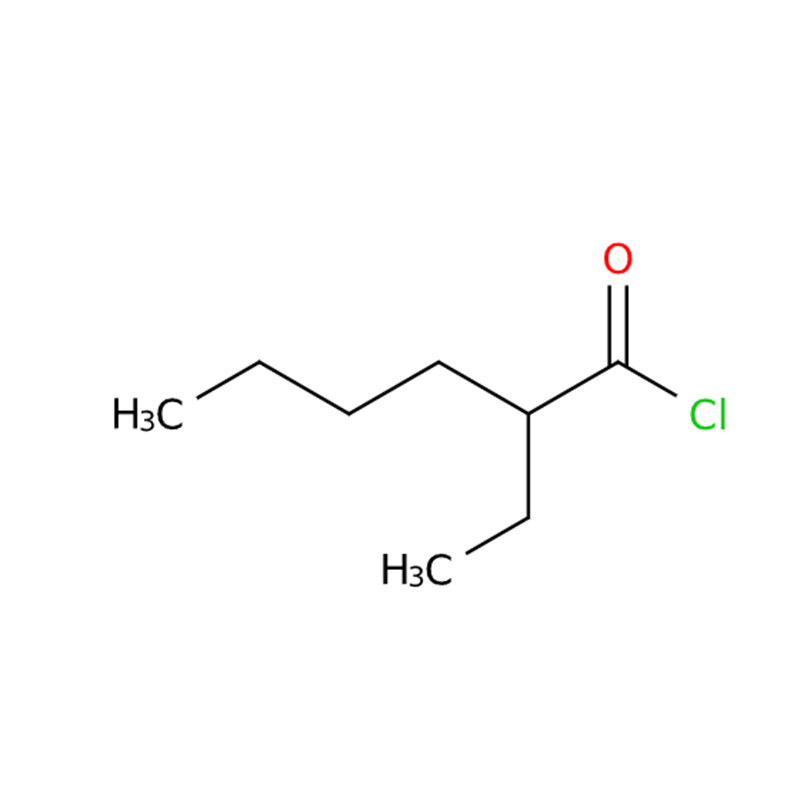
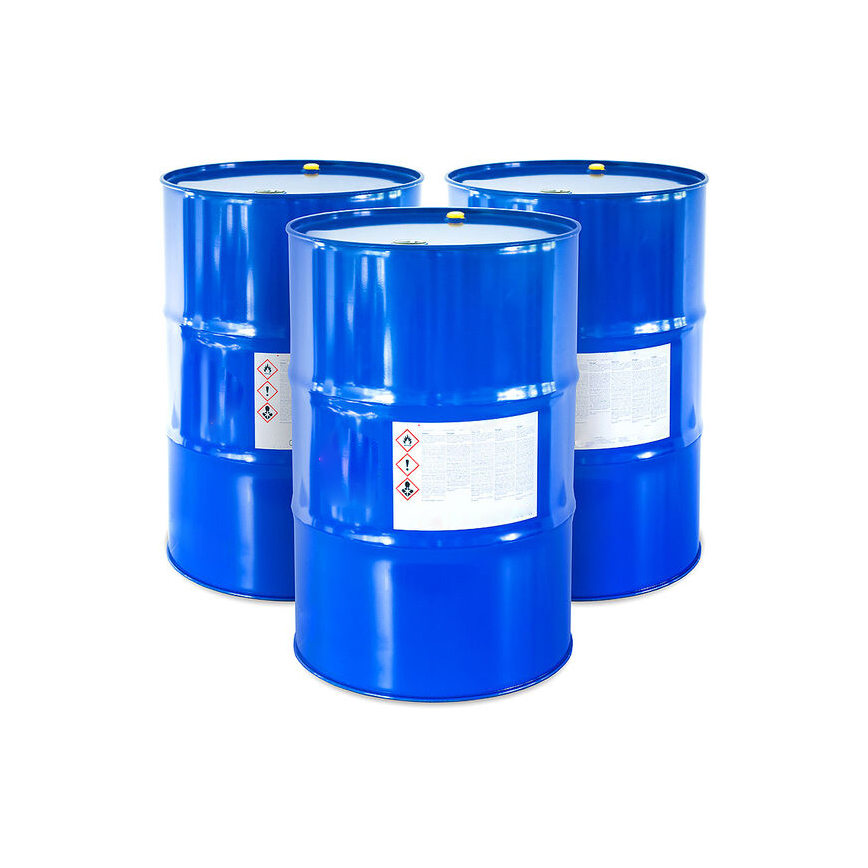
2-Ethylhexanoyl chloride CAS#760-67-8
Highly Reactive Intermediate – An efficient and versatile chemical intermediate suitable for a wide range of industrial syntheses.
Broad Application Scope – Widely used in the production of organic peroxides, pharmaceuticals, and agrochemicals.
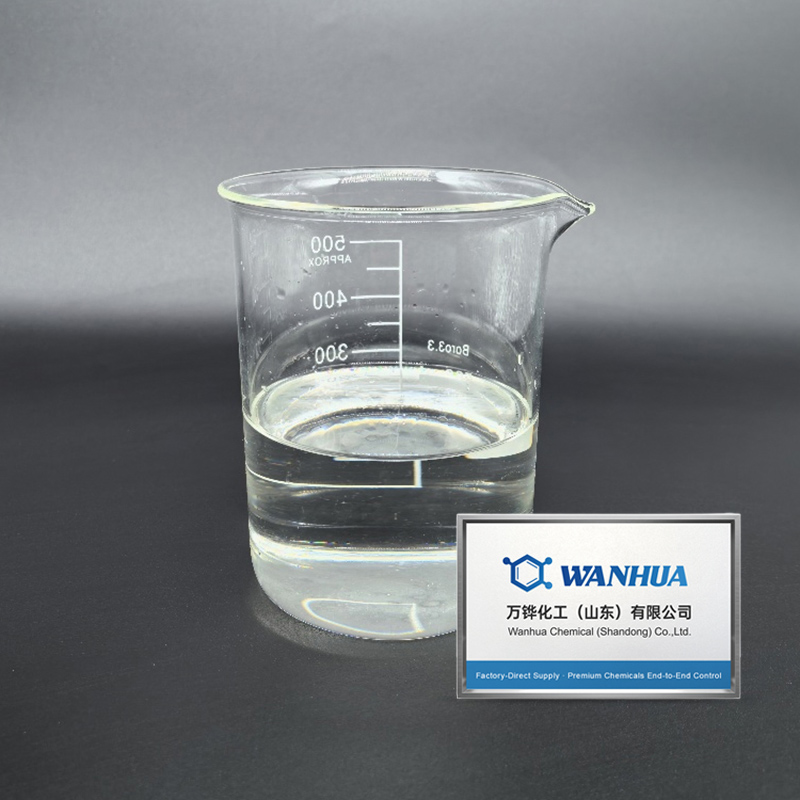
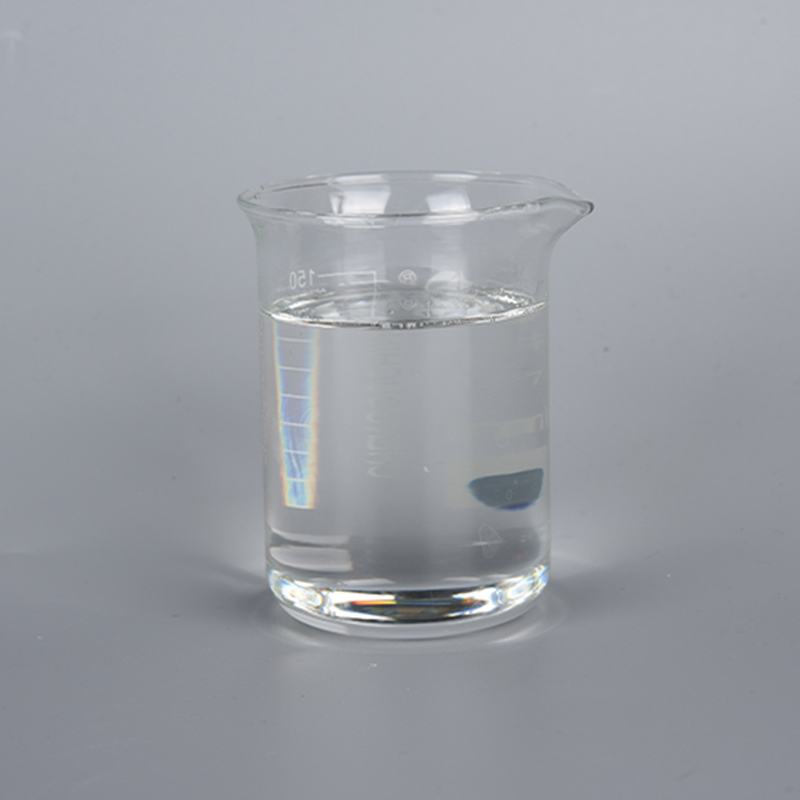
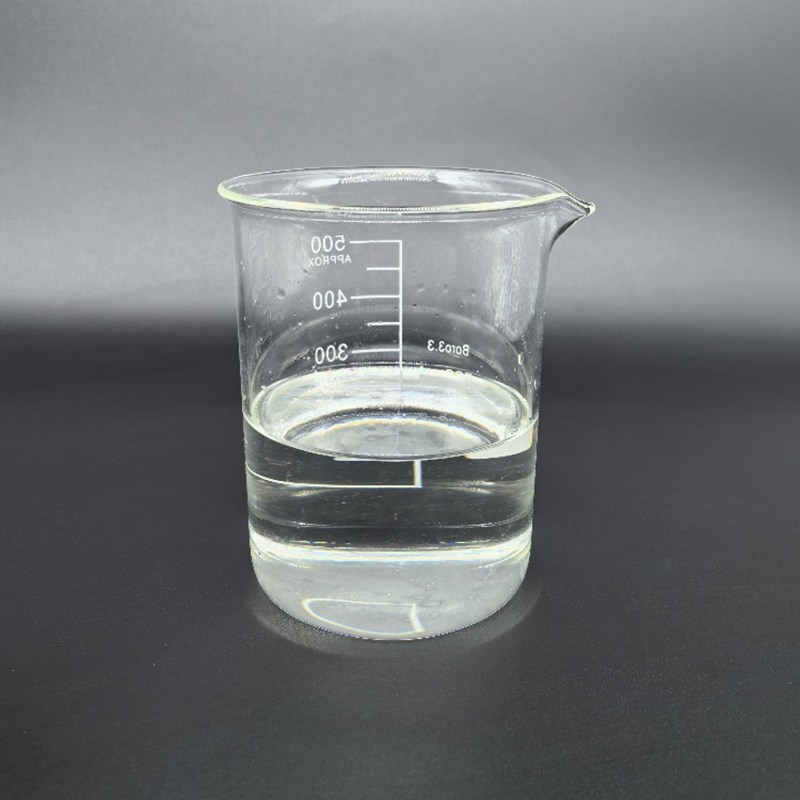
Excellent Process Performance – Light-colored, transparent liquid with stable physical properties for easy handling and processing.
Good Solubility and Reactivity – Water-soluble and acidic nature enhances reaction efficiency in chemical manufacturing.
2-Ethylhexanoyl chloride (CAS#760-67-8) Product Description
2-Ethylhexanoyl chloride (CAS# 760-67-8) is a highly reactive chemical intermediate. It is a light-colored, transparent liquid with a strong, pungent odor. It has a boiling point of 67-68℃, a flash point of 79℃, a specific gravity of 0.939, is acidic, and soluble in water. It is mainly used in the industrial synthesis of organic peroxides, pharmaceuticals, and agrochemicals.
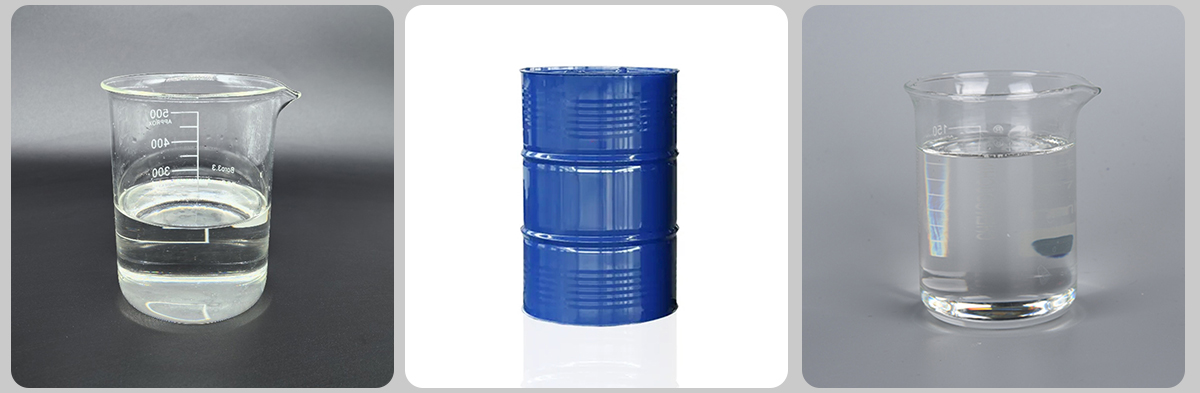
2-Ethylhexanoyl chloride Chemical Properties
| Melting point | <-75°C |
| Boiling point | 67-68 °C/11 mmHg (lit.) |
| Density | 0.939 g/mL at 25 °C (lit.) |
| Vapor pressure | 0.72 mm Hg ( 67.7 °C) |
| Refractive index | n20/D 1.433(lit.) |
| Fp | 157 °F |
| Storage temp | Store below +30°C. |
| Form | clear liquid |
| Color | Colorless to Almost colorless |
| Water Solubility | Reacts with water. |
| Sensitive | Moisture Sensitive |
| BRN | 956601 |
| InChIKey | WFSGQBNCVASPMW-UHFFFAOYSA-N |
| CAS DataBase Reference | 760-67-8(CAS DataBase Reference) |
| NIST Chemistry Reference | Hexanoyl chloride, 2-ethyl-(760-67-8) |
| EPA Substance Registry System | Hexanoyl chloride, 2-ethyl- (760-67-8) |
Safety Information
| Hazard Codes | C |
| Risk Statements | 34-43-41-23-22 |
| Safety Statements | 26-36/37/39-45-25 |
| RIDADR | UN 3265 8/PG 2 |
| WGK Germany | 1 |
| RTECS | MP4525000 |
| TSCA | Yes |
| HazardClass | 8 |
| PackingGroup | II |
| HS Code | 29159080 |
Applications
Organic Peroxides: Acts as a major precursor in manufacturing organic peroxide initiators, which are essential for polymerizing various plastics.
Specialty Chemicals: Used as a versatile acylating agent to produce esters and amides for advanced materials and surfactants.
Life Sciences: Serves as a critical building block for synthesizing Active Pharmaceutical Ingredients (APIs) and agricultural chemicals like pesticides and herbicides.