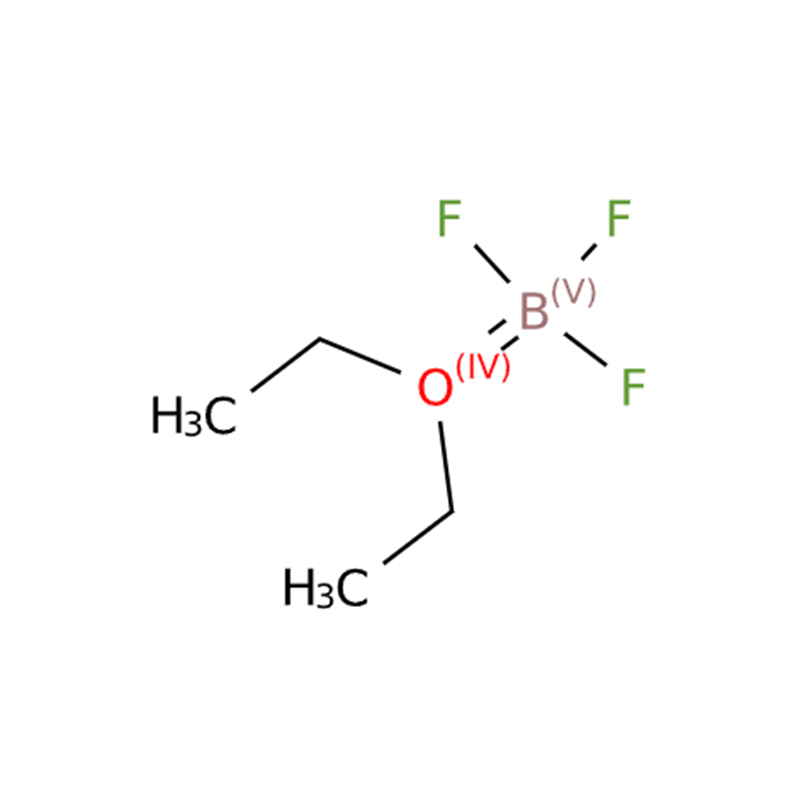
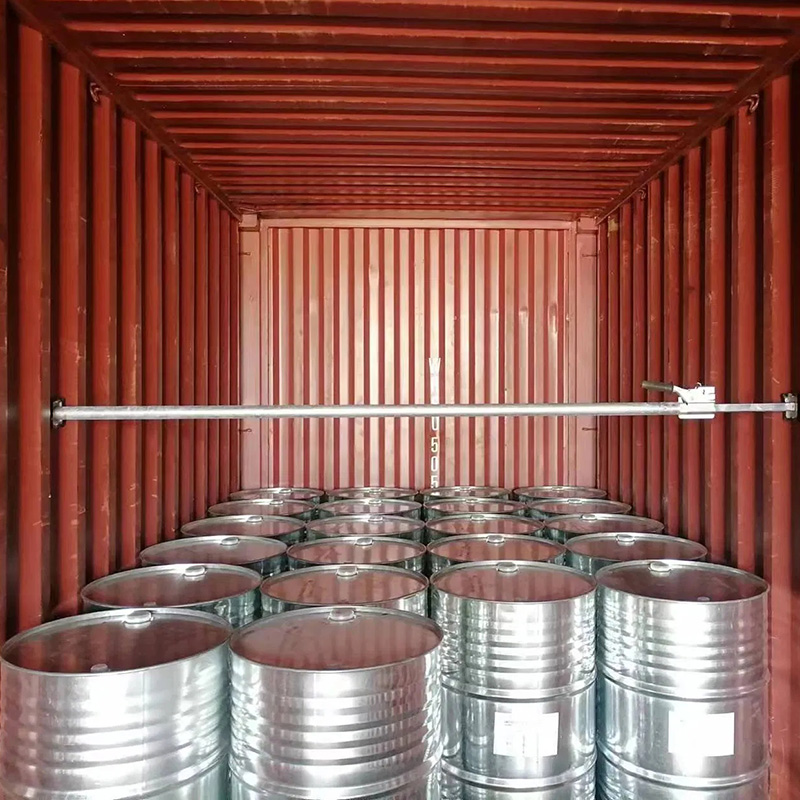
Boron Trifluoride Diethyl Etherate CAS#109-63-7
Powerful Lewis acid catalytic activity:Boron trifluoride provides strong catalytic performance in key organic reactions such as polymerization, alkylation, isomerization, and hydrocarbon processing.
Highly adaptable through complex formation:It can be combined with oxygen- or nitrogen-containing compounds to form stable complexes, allowing its reactivity to be tailored to different reaction requirements.
Improved handling and stability:When converted into complexes such as boron trifluoride etherate, it becomes much easier and safer to use compared with the gaseous form.
Broad compatibility with organic compounds:It readily forms complexes with ethers, amines, phenols, thioethers, and other derivatives, making it suitable for a wide range of organic synthesis applications.
Products Description of Boron Trifluoride Diethyl Etherate CAS#109-63-7
Boron trifluoride is a key Lewis acid catalyst in organic synthesis and is widely involved in reactions such as polymerization, hydrocarbonization, alkylation, and isomerization. Because it is difficult to handle in its gaseous form, it is commonly combined with polar oxygen- or nitrogen-containing compounds to form stable complexes that meet the activity requirements of different reactions. Boron trifluoride etherate is one of the most widely used of these complexes. In addition, boron trifluoride is able to form complexes with thioethers, ketones, anisole, phenol, amines, and many of their derivatives.
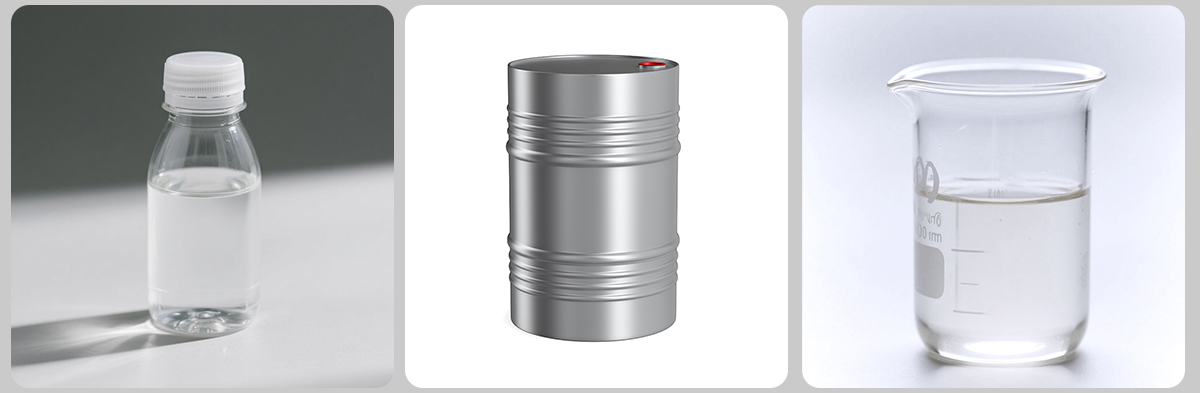
Boron trifluoride diethyl etherate Chemical Properties
| Melting point | −58 °C(lit.) |
| Boiling point | 126-129 °C(lit.) |
| Density | 1.15 g/mL(lit.) |
| Vapor density | 4.9 (vs air) |
| Vapor pressure | 4.2 mm Hg ( 20 °C) |
| Refractive index | n20/D 1.344(lit.) |
| Fp | 118 °F |
| Storage temp. | Store below +30°C. |
| Solubility | Miscible with ether and alcohol. |
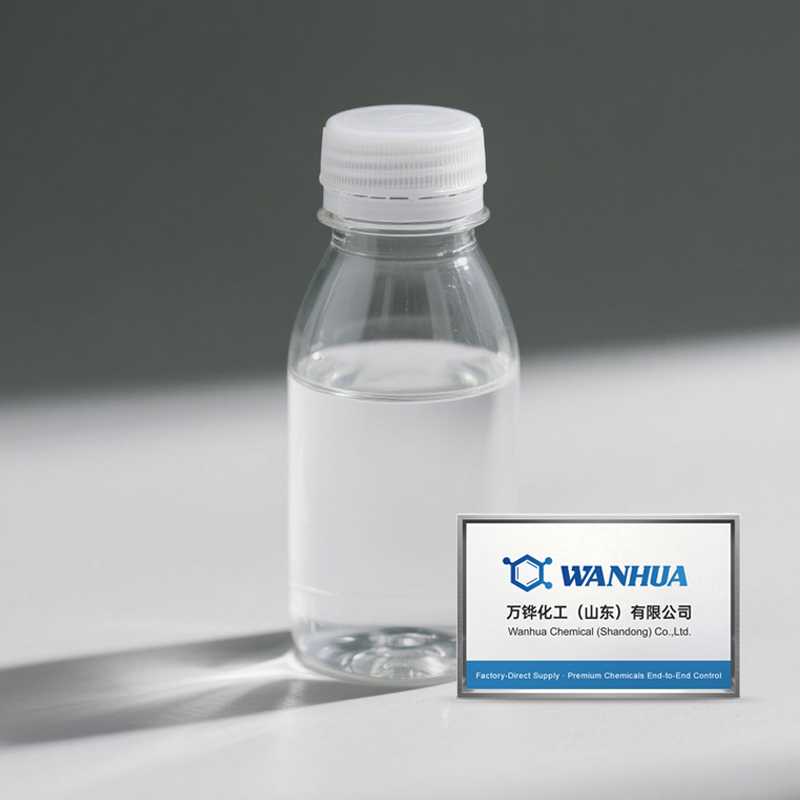
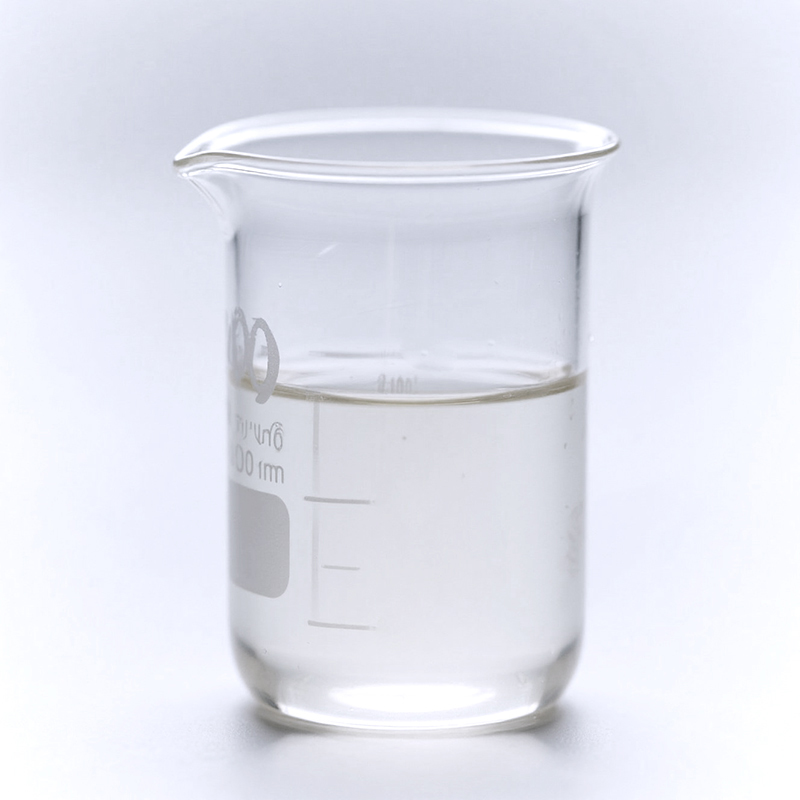
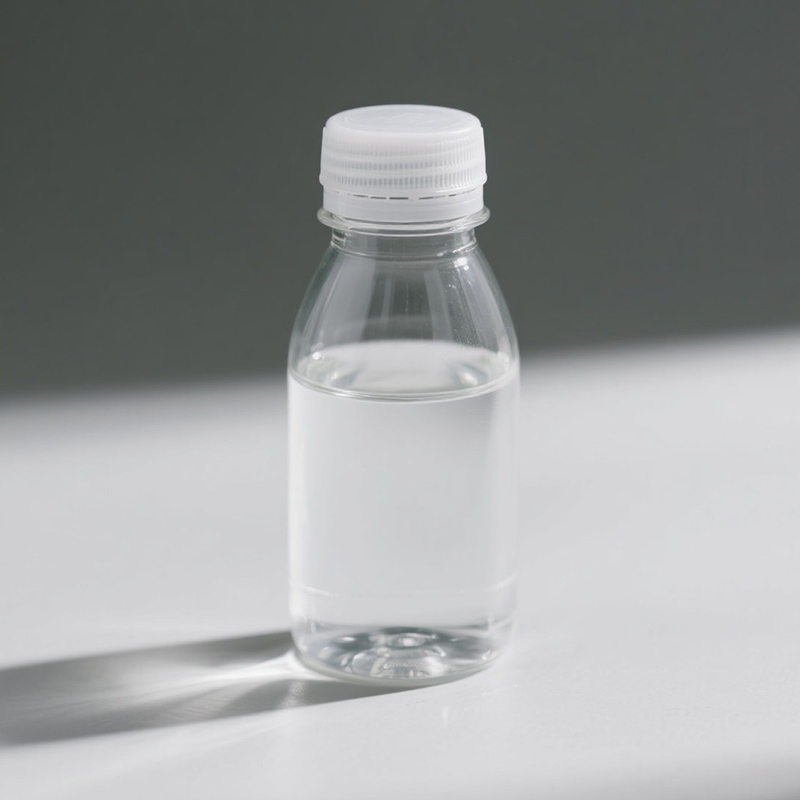
| Form | liquid |
| Specific Gravity | 1.126 (20/4℃) |
| Color | brown |
| Explosive limit | 5.1-18.2%(V) |
| Water Solubility | Reacts |
| Sensitive | Moisture Sensitive |
| Hydrolytic Sensitivity | 7: reacts slowly with moisture/water |
| Merck | 141,350 |
| BRN | 3909607 |
| Exposure limits | ACGIH: TWA 0.1 ppm; Ceiling 0.7 ppm |
| Stability | Stable. Highly flammable. May form explosive peroxides in contact with air or oxygen. Reacts exothermically with water to form extremely flammable diethyl ether and toxic, corrosive boron trifluoride hydrates. Also incompatible with bases, amines, alkali metals. |
| InChIKey | MZTVMRUDEFSYGQ-UHFFFAOYSA-N |
| CAS DataBase Reference | 109-63-7(CAS DataBase Reference) |
| NIST Chemistry Reference | Boron trifluoride etherate(109-63-7) |
| EPA Substance Registry System | Boron, trifluoro[1,1'-oxybis[ethane]]-, (T-4)- (109-63-7) |
Safety Information
| Hazard Codes | T,C |
| Risk Statements | 10-14-20/22-35-48/23-34-14/15-23-22 |
| Safety Statements | 16-23-26-36/37/39-45-8-28A-43 |
| RIDADR | UN 2604 8/PG 1 |
| WGK Germany | 3 |
| F | 10 |
| Autoignition Temperature | 185 °C DIN 51794 |
| TSCA | Yes |
| HazardClass | 8 |
| PackingGroup | I |
| HS Code | 29319090 |
| Hazardous Substances Data | 109-63-7(Hazardous Substances Data) |
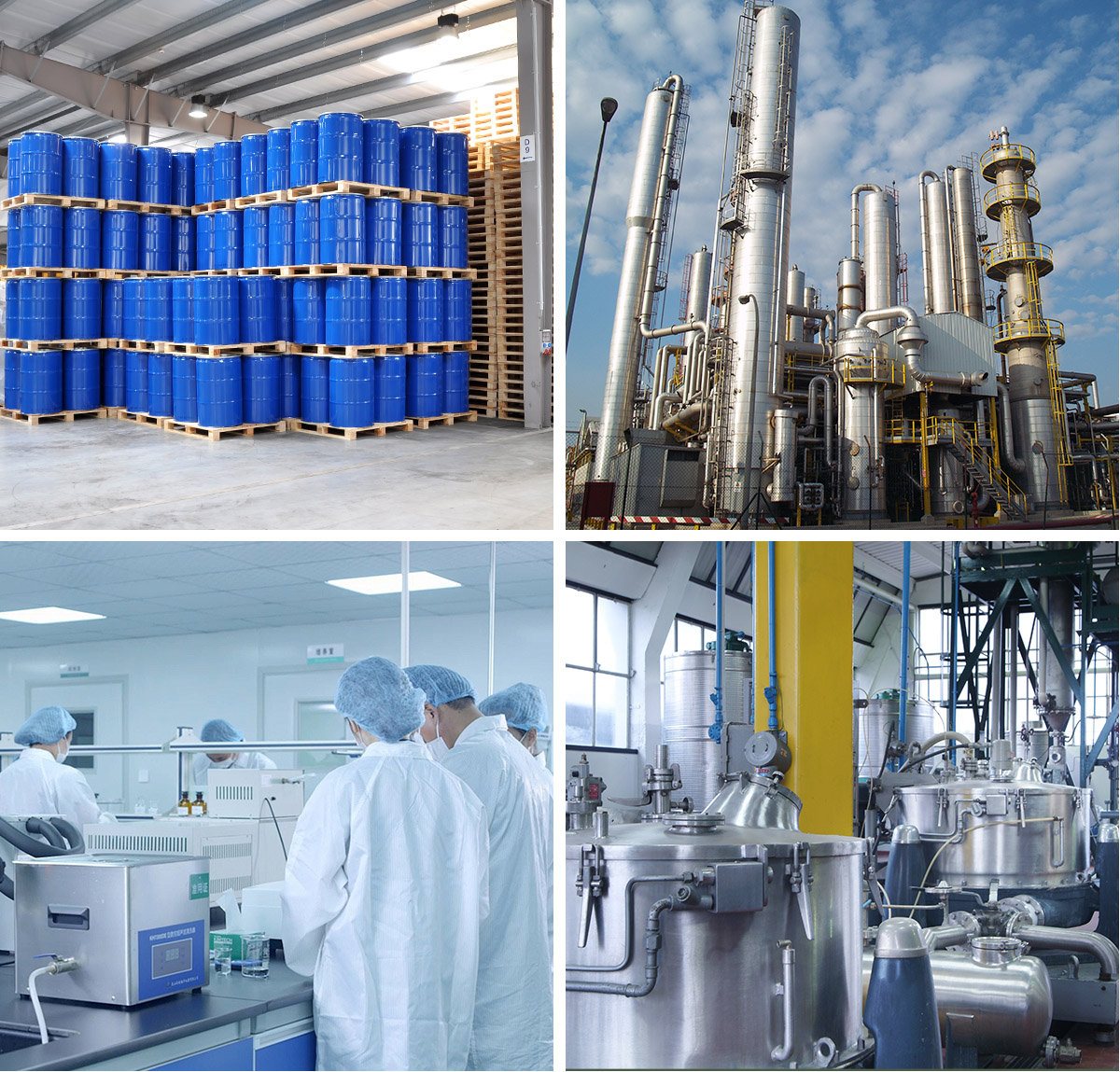
Product Application of Boron Trifluoride Etherate CAS#109-63-7
It is widely used as a cationic polymerization catalyst and as a catalyst in the production of butadiene rubber and polyformaldehyde. It also serves as a key raw material for boron–hydrogen high-energy fuels and for the extraction of boron isotopes. In chemical synthesis, it is commonly employed as a catalyst, and it is likewise an important starting material for producing boron–hydrogen high-energy dyes and for isolating the boron-10 isotope.