Diphenyl Ether CAS#101-84-8
Excellent Thermal Stability: Provides reliable performance as a heat transfer medium due to its strong resistance to thermal degradation.
Low Vapor Pressure: Ensures safer handling and stable operation in high-temperature systems without excessive evaporation.
Superior Fragrance Retention: Effectively enhances and carries fragrance components, making it ideal for perfumes and scented soap formulations.
Versatile Chemical Intermediate: Supports multiple organic reactions, including halogenation, acylation, and alkylation, enabling broad industrial synthesis applications.
Products Description of Diphenyl Ether CAS#101-84-8
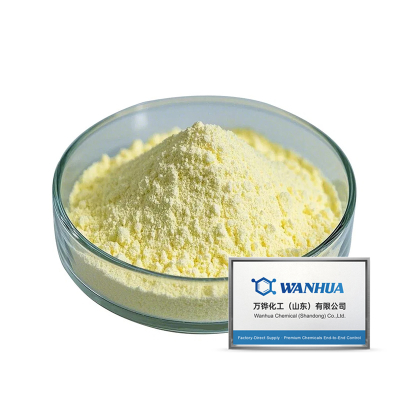
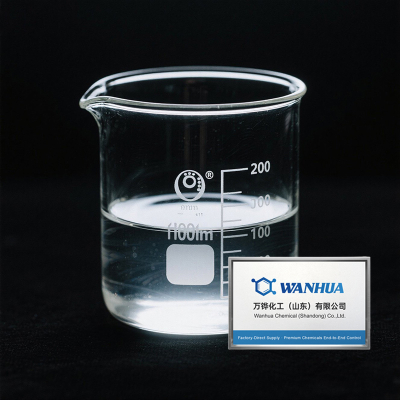
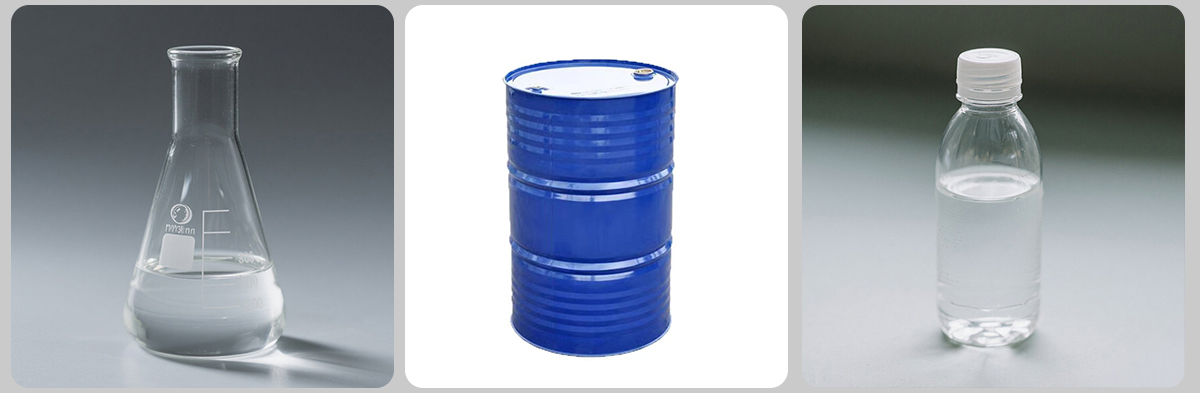
Diphenyl Ether (CAS#101-84-8) is a colorless material that appears as either a crystalline solid or a clear liquid and has a light, pleasant fragrance. It melts at approximately 81 °F (27.2 °C), becoming a transparent liquid once the temperature rises above this point. The product features a noticeable floral-green, metallic, geranium-type aroma and is not soluble in water.
This compound is commonly utilized as a heat-transfer agent because of its excellent thermal stability and low vapor pressure. It also holds considerable value in the fragrance industry, especially in soap formulations, where it aids in carrying and retaining scent components. Additionally, Diphenyl Ether is widely used as an intermediate in chemical synthesis, supporting numerous processes such as halogenation, acylation, and alkylation, which are important in producing a variety of organic substances and industrial materials.
Diphenyl ether Chemical Properties
| Name | Diphenyl Ether |
| CAS No | 101-84-8 |
| Physical Form | Colorless crystalline solid or liquid |
| Melting Point | About 81 °F (27.2 °C) |
| Odor | Mild, pleasant, floral-green with metallic geranium notes |
| Solubility | Not soluble in water |
| Uses | Heat-transfer agent, fragrance and soap additive, and intermediate for organic reaction processes |
| Melting point | 26 °C |
| Boiling point | 259 °C(lit.) |
| Density | 1.073 g/mL at 25 °C(lit.) |
| Vapor density | >5.86 (25 °C, vs air) |
| Vapor pressure | <1 mm Hg ( 20 °C) |
| Refractive index | n20/D 1.579(lit.) |
| FEMA | 3667 | DIPHENYL ETHER |
| Fp | >230 °F |
| Storage temp | Store below +30°C. |
| Solubility | alcohol: soluble(lit.) |
| Form | Colorless liquid |
| Color | White or Colorless to Almost white or Almost colorless |
| Specific Gravity | 1.073 |
| Relative polarity | 2.8 |
| Odor | Weak geranium. |
| Odor Threshold | 0.1ppm |
| Odor Type | green |
| Explosive limit | 0.8-1.5%(V) |
| Water Solubility | insoluble |
| FreezingPoint | 27℃ |
| Merck | 147,288 |
| JECFA Number | 1255 |
| BRN | 1364620 |
| Henry's Law Constant | 2.13 at 20 °C (approximate - calculated from water solubility and vapor pressure) |
| Exposure limits | NIOSH REL: TWA 1 ppm (7 mg/m3), IDLH 100 ppm; OSHA PEL: TWA 1 ppm; ACGIH TLV: TWA 0.1, STEL 2 ppm (adopted). |
| Dielectric constant | 3.7(30℃) |
| InChIKey | USIUVYZYUHIAEV-UHFFFAOYSA-N |
| LogP | 4.21 at 25℃ |
| CAS DataBase Reference | 101-84-8(CAS DataBase Reference) |
| NIST Chemistry Reference | Diphenyl ether(101-84-8) |
| EPA Substance Registry System | Phenyl ether (101-84-8) |
Safety Information
| Hazard Codes | N,Xi,T |
| Risk Statements | 51/53-36/37/38-39/23/24/25-23/24/25-36/38-36 |
| Safety Statements | 60-61-57-37/39-26-45-36/37 |
| RIDADR | UN 3077 9/PG 3 |
| OEB | B |
| OEL | TWA: 1 ppm (7 mg/m3) |
| WGK Germany | 2 |
| RTECS | KN8970000 |
| Autoignition Temperature | 610 °C |
| TSCA | Yes |
| HS Code | 2909 30 10 |
| HazardClass | 9 |
| PackingGroup | III |
| Hazardous Substances Data | 101-84-8(Hazardous Substances Data) |
| Toxicity | LD50 orally in Rabbit: 2450 mg/kg LD50 dermal Rabbit > 7940 mg/kg |
| IDLA | 100 ppm |
Safety and Handling:
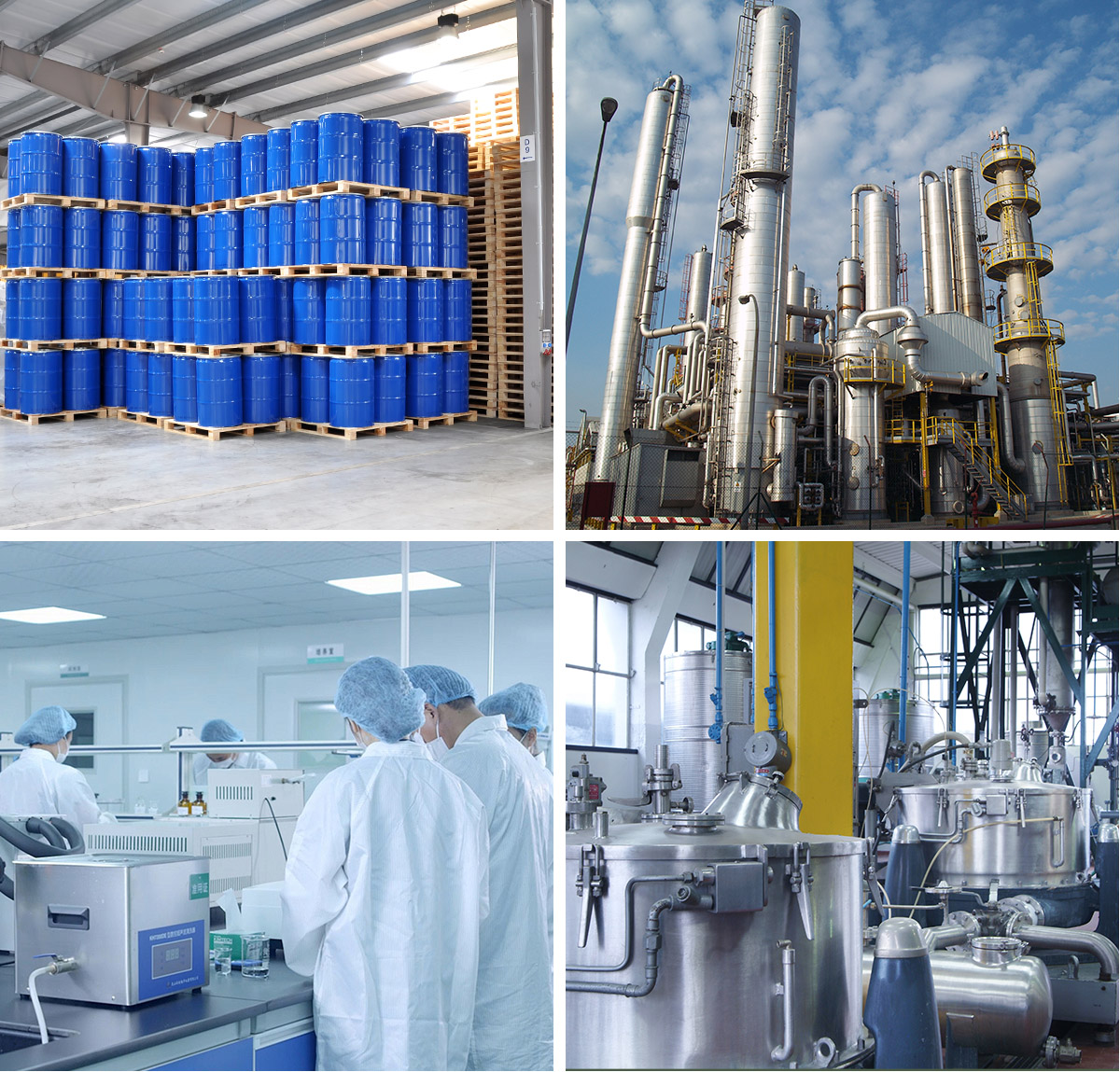
Diphenyl Ether should be used carefully, as it may cause irritation upon contact or inhalation. Personal protective equipment such as gloves, goggles, and appropriate respiratory protection is recommended during handling. The product should be stored in a dry, well-ventilated area away from heat sources and direct sunlight to avoid decomposition or volatilization. Proper disposal practices and adherence to local environmental regulations are required to reduce potential environmental risks.