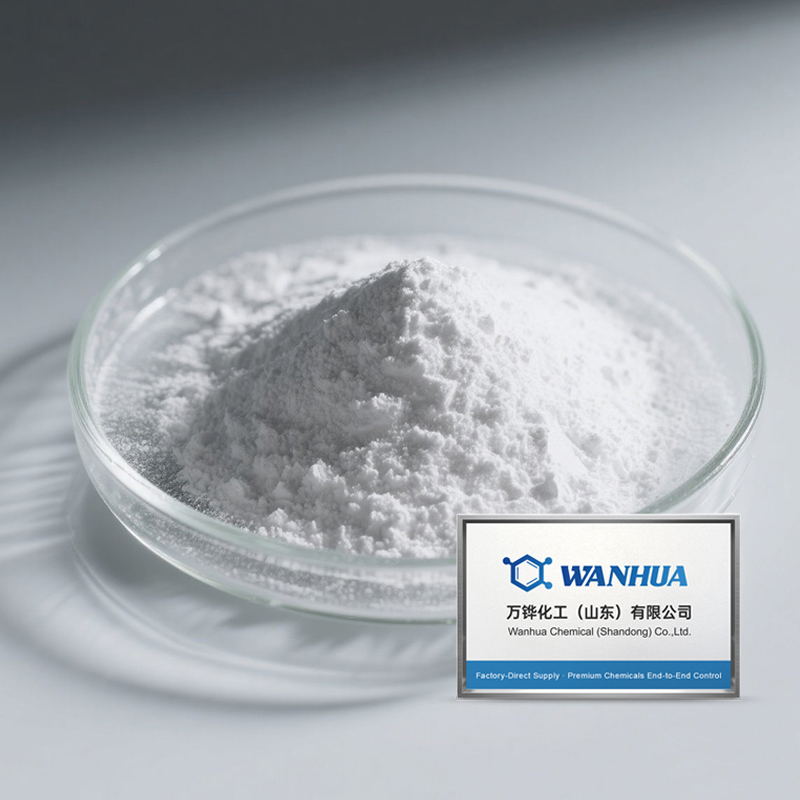
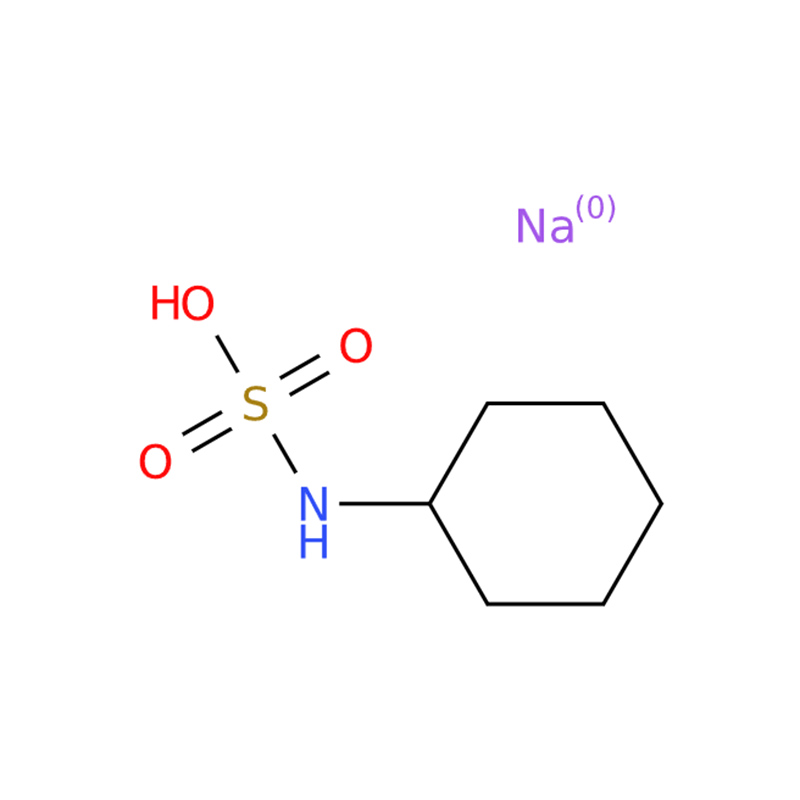
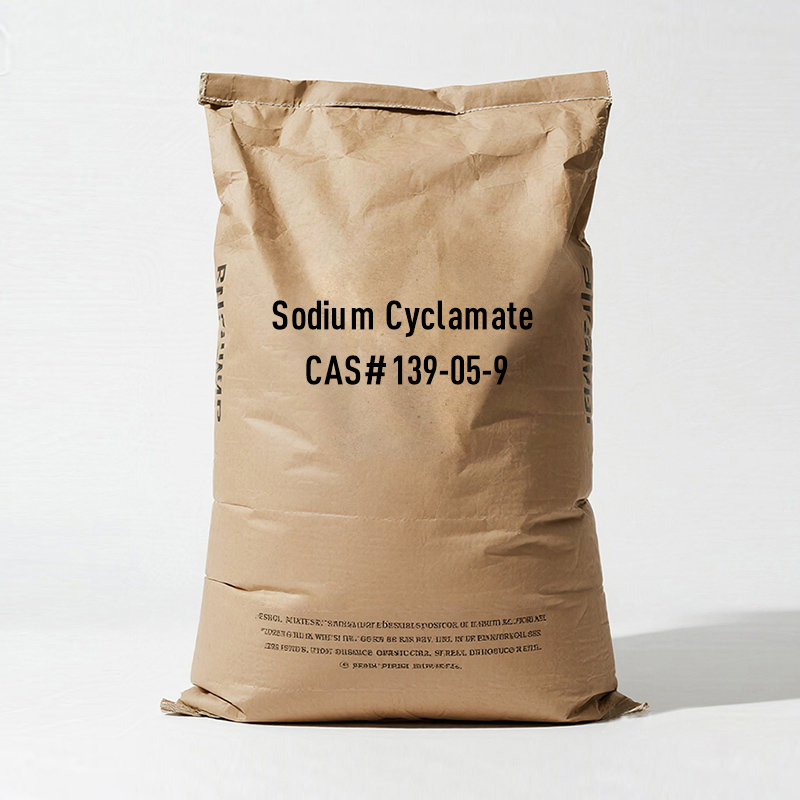
Sodium Cyclamate CAS#139-05-9
High Sweetness Intensity: Sodium cyclamate is 40–50 times sweeter than sucrose, offering strong sweetness even at low concentrations, making it an efficient sugar substitute.
Excellent Solubility and Stability: It dissolves easily in water and shows strong resistance to alkalis, heat, and light, ensuring stable performance in various formulations and processing conditions.
Neutral Taste and Non-Hygroscopic Nature: The compound is odorless and non-hygroscopic, maintaining its purity and quality without absorbing moisture during storage or use.
Broad Application Compatibility: With a neutral pH and chemical stability, sodium cyclamate blends well with other ingredients, making it suitable for beverages, food, and pharmaceutical applications.
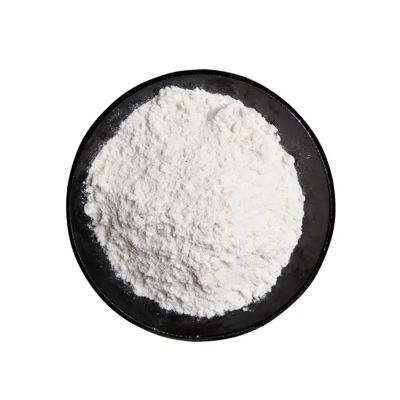
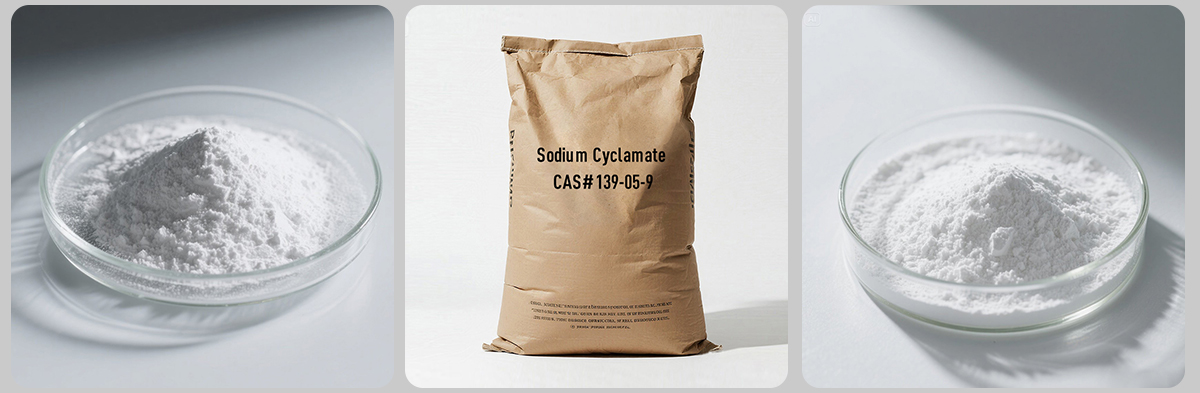
Sodium cyclamate is an odorless white crystalline powder with a sweetness 40-50 times that of sucrose. It is soluble in water (1g/5mL), slightly soluble in propylene glycol (1g/25mL), and insoluble in ethanol, chloroform, benzene, and ether. A 10% aqueous solution in Chemicalbook has a pH of 6.5. It is non-hygroscopic and resistant to alkalis, heat (decomposition temperature 28°C), and light.
English name | Sodium N-cyclohexylsulfamate |
English synonyms | assurgrinfeinsuss;assurgrinvollsuss;asugryn;cyclamate,sodiumsalt;cyclamic;cyclohexanesulfamicacid,monos odiumsalt;cyclohexanesulphamicacid,monosodiumsalt;cyclohexyl-sulfamicacimonosodiumsalt |
CAS number | 139-05-9 |
Molecular formula | C6H14NNaO3S |
Molecular weight | 203.23 |
EINECS number | 205-348-9 |
Melting Point | >300°C (lit.) |
Density | 1.58 [at 20°C] |
Vapor Pressure | 0.002 Pa at 150°C |
Storage Conditions | Room temperature |
Solubility | 200 g/L |
Form | Powder |
Color | White |
PH | 5.5-7.5 (100 g/L, H2O, 20°C) |
Odor | Odorless. Sweet taste, detectable at concentrations above 100 ppm in water. |
Water Solubility | >=10 g/100 mL at 20°C |
Merck | 142703 |
BRN | 4166868 |
Stability | Hygroscopicity |
InChIKey | UDIPTWFVPPPURJ-UHFFFAOYSA-M |
LogP | -2.63 at 20°C |
Uses:
Cyclamate is a commonly used non-nutritive artificial sweetener. It is not absorbed by the body, does not produce calories, and is not cariogenic. Its taste is similar to sucrose and is often mixed with sodium saccharin to mask the bitterness of the latter. It can be used in dried tangerine peel, dried plums, dried bayberries, preserved plums, pickles, sauces, alcoholic beverages, popsicles, ice cream, popsicles, cakes, biscuits, and bread.