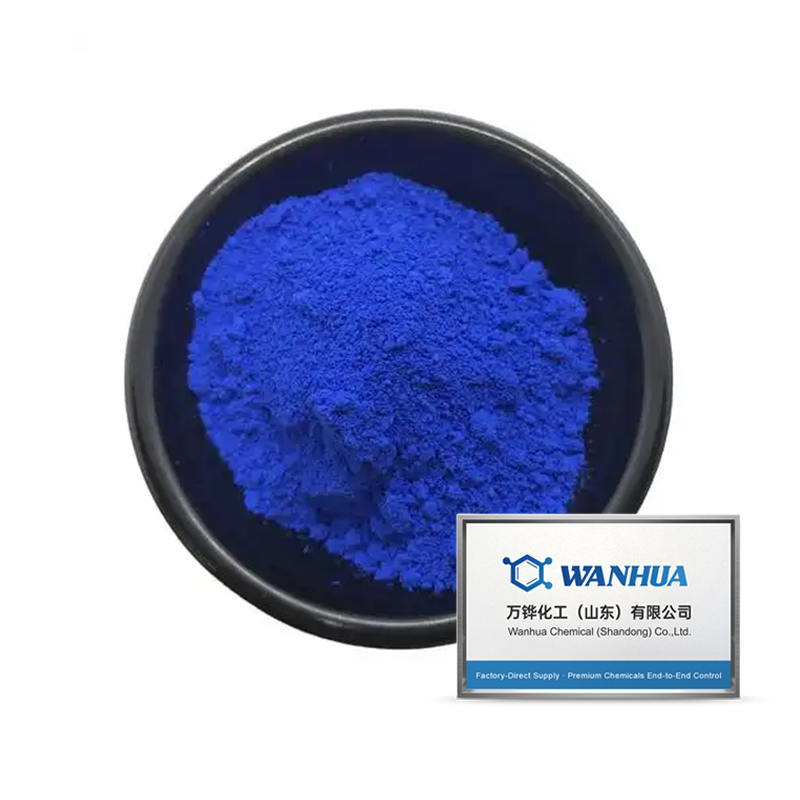
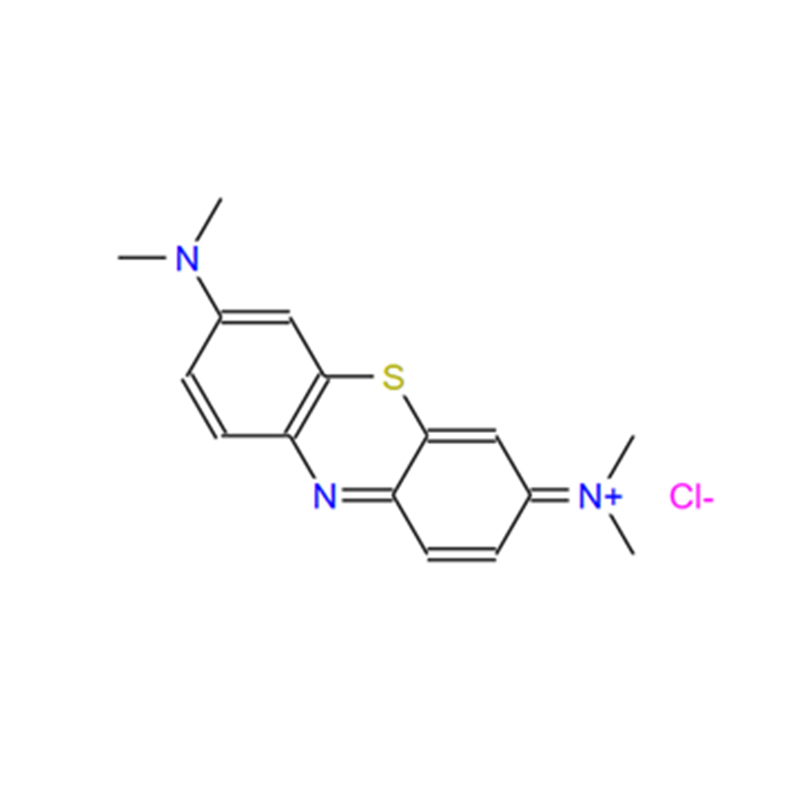
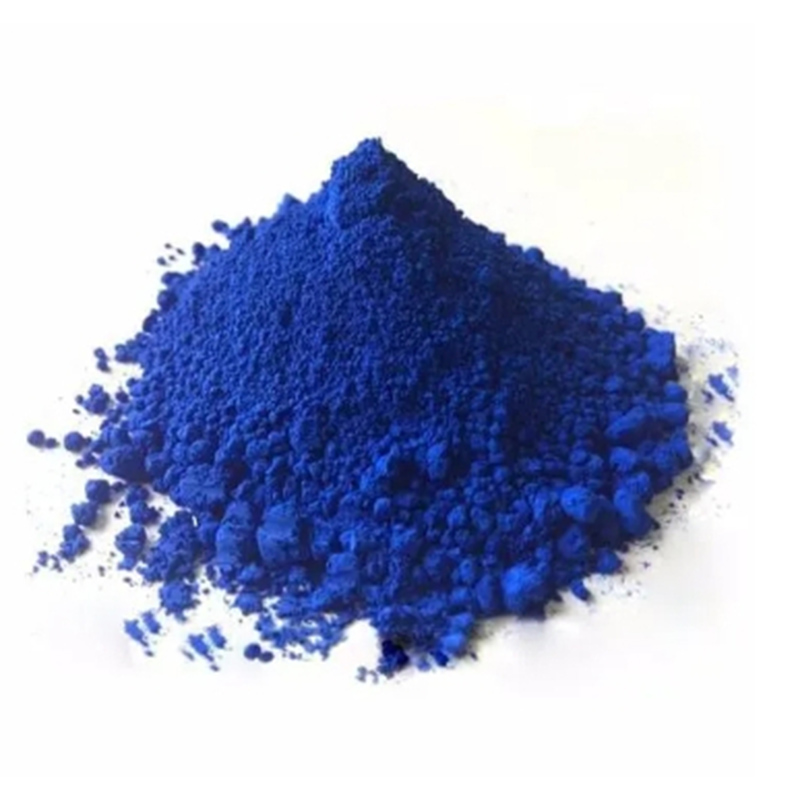
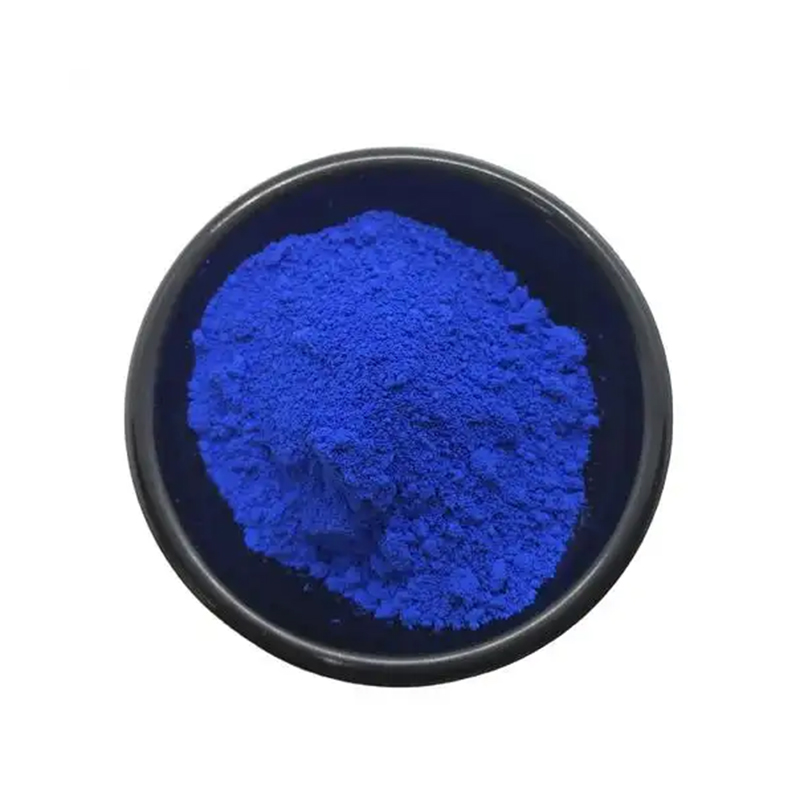
METHYLENE BLUE CAS#61-73-4
Excellent Solubility & Cell Penetration: Highly soluble in water and capable of easily crossing cell membranes, enabling efficient biological and medical applications.
Clinically Approved & Low Toxicity: Recognized as an approved clinical drug with relatively low toxic side effects, ensuring safe therapeutic use.
Versatile Research Applications: Widely used as a dye in neuroanatomy and bacteriology, and as a redox indicator in biochemical research.
Effective Antidotal Properties: Acts as an antidote for methemoglobinemia caused by nitrites and other toxins, and is also applied in the treatment of cyanide poisoning and ifosfamide-induced encephalopathy.
Product Description of Methylene Blue (CAS#61-73-4)
Methylene blue (MB) is a reducing agent that readily dissolves in water and can easily penetrate cell membranes. It is considered to have minimal toxic side effects and is approved for clinical use.
Since its introduction to the scientific community in the 19th century, methylene blue has been extensively utilized in various fields. It is commonly applied as a dye in neuroanatomy and bacteriology, and in biochemical research it functions as a redox indicator.
In medical applications, methylene blue is used as an antidote for methemoglobinemia resulting from nitrite and other toxic exposures. It is also employed in the treatment of cyanide poisoning and ifosfamide-induced encephalopathy.
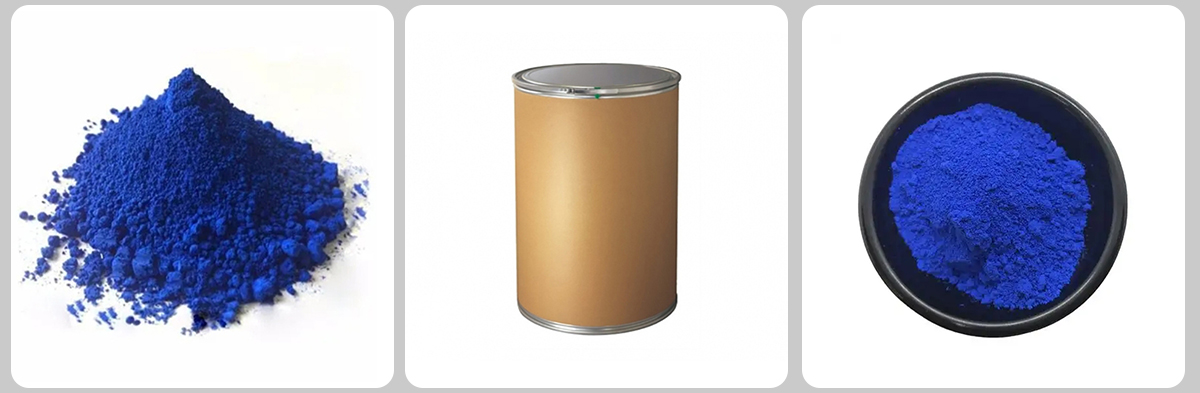
Methylene Blue Chemical Properties
| Melting point | 190 °C (dec.)(lit.) |
| Density | 1.0 g/mL at 20 °C |
| Refractive index | n20/D1.347 |
| Fp | 45 °C |
| Storage temp | room temp |
| Solubility | Soluble in water, ethanol, ethylene glycol, methyl cellosolve |
| Form | Liquid |
| Pka | 2.6, 11.2(at 25℃) |
| Colour Index | 52015 |
| color | Green |
| Specific Gravity | 0.98 |
| Odor | Odorless |
| Water Solubility | 40 g/L (20 ºC) |
| λmax | 661 nm |
| Merck | 146060 |
| BRN | 3641570 |
| Biological Applications | Detecting microorganisms; treating diabetic retinopathy,macular degeneration,malignant uveal melanomas, erysipelas,hidradenitis suppurativa,inflammation,skin diseases |
| NIST Chemistry Reference | Methylene blue(61-73-4) |
| EPA Substance Registry System | Methylene blue (61-73-4) |
Safety Information
| Hazard Codes | Xn |
| Risk Statements | 10-41-22-20/21/22-36/37/38 |
| Safety Statements | 26-39-36 |
| RIDADR | UN 1993 3/PG 3 |
| WGK Germany | 3 |
| RTECS | SP5740000 |
| HS Code | 32049010 |
| Hazardous Substances Data | 61-73-4(Hazardous Substances Data) |
| Toxicity | LD50 oral in rat: 1180mg/kg |

Product Application of Methylene Blue (CAS#61-73-4)
Methylene blue is a non-toxic dye that appears blue in its oxidized state and colorless when reduced. When used to stain living yeast cells, active cellular metabolism provides strong reducing capacity, converting methylene blue from its blue oxidized form to a colorless reduced form. Cells with weak metabolic activity or dead cells lack sufficient reducing ability and therefore remain stained blue or light blue. This method not only allows observation of yeast cell morphology but also enables differentiation between viable and non-viable yeast cells.
In addition, methylene blue is used for dyeing linen, silk, paper, as well as coloring bamboo and wood. It is applied in the production of inks and lake pigments, and in staining biological and bacterial tissues. When blended with basic violet 5BN and yellow dextrin in a ratio of 78:13:9, it produces basic royal blue.