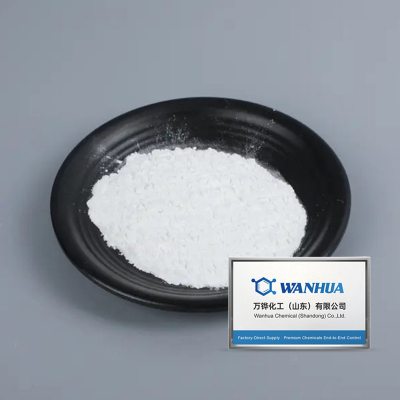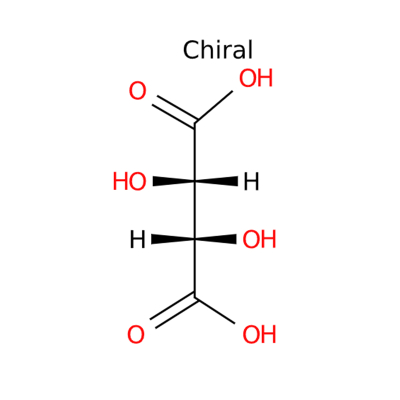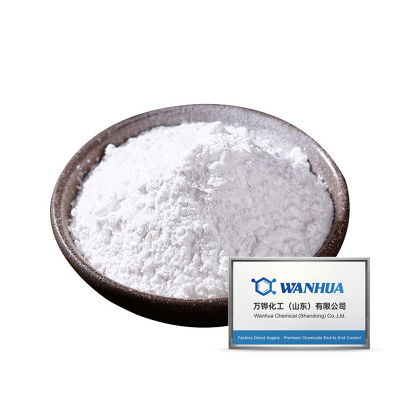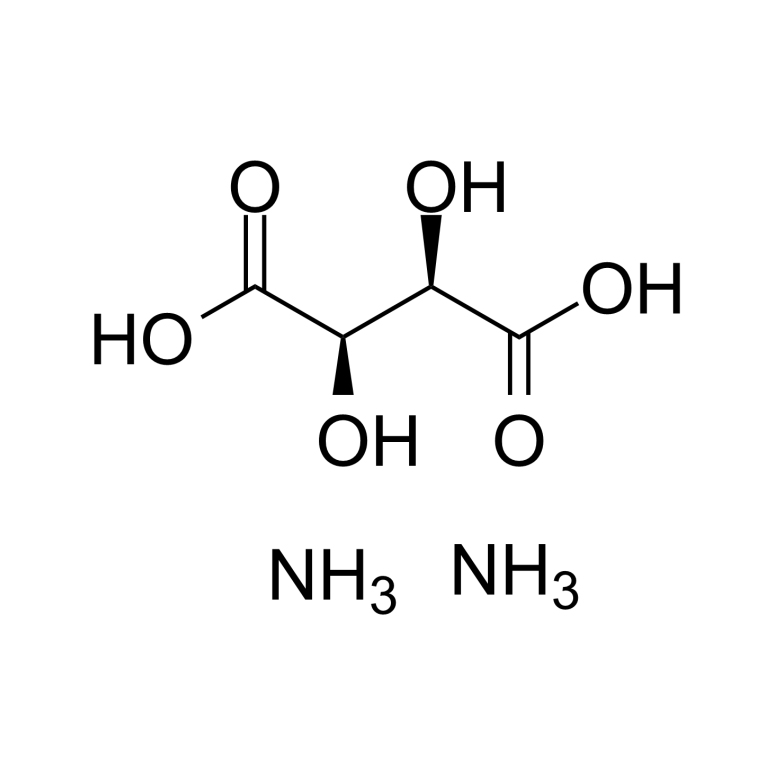
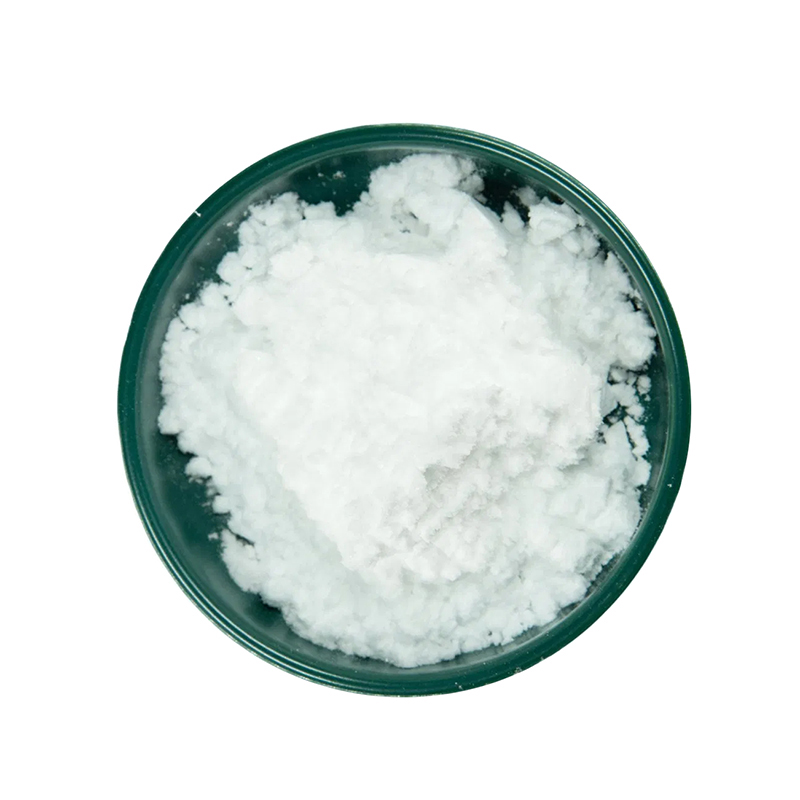
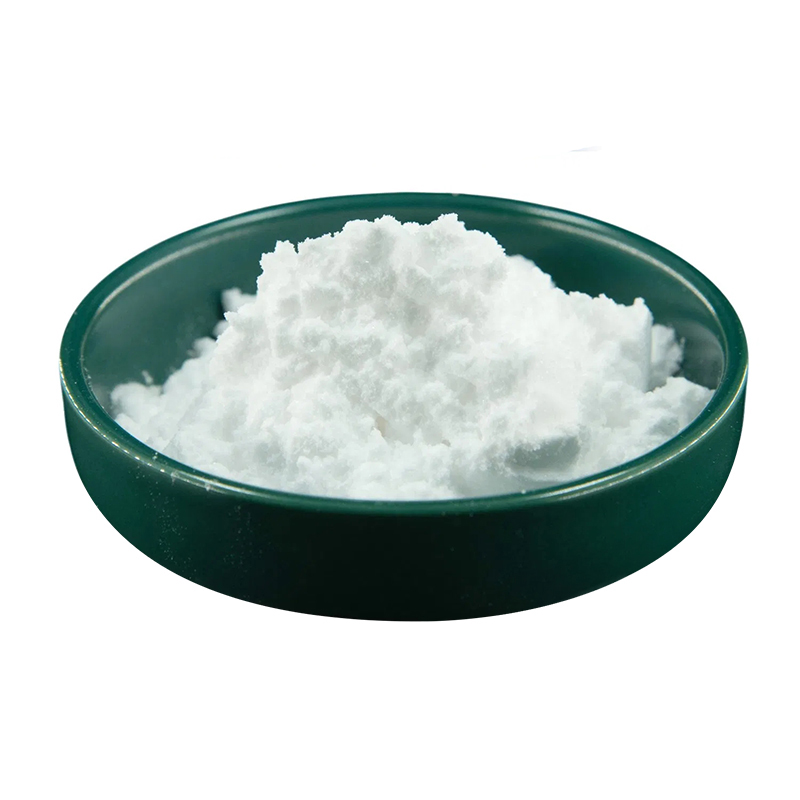

Ammonium L-tartrate CAS#3164-29-2
High Water Solubility – Easily dissolves in water (63 g/L at 15℃), ideal for preparing aqueous solutions in labs and industry.
Acidic Nature – Provides stable acidic properties, suitable for reactions requiring acidic conditions.
Gradual Ammonia Release – Slowly decomposes to release ammonia when heated or exposed to air, useful for controlled applications.
Broad Reactivity – Reacts with strong acids, enabling diverse uses in synthesis, research, and chemical processes.
Ammonium L-tartrate exhibits high solubility in water, producing an acidic solution. At 15℃, its solubility in water reaches 63 g/L, while it shows only slight solubility in ethanol. When heated, it gradually releases ammonia, and upon prolonged exposure to air, it slowly decomposes into ammonia. Additionally, it is capable of reacting with strong acids.
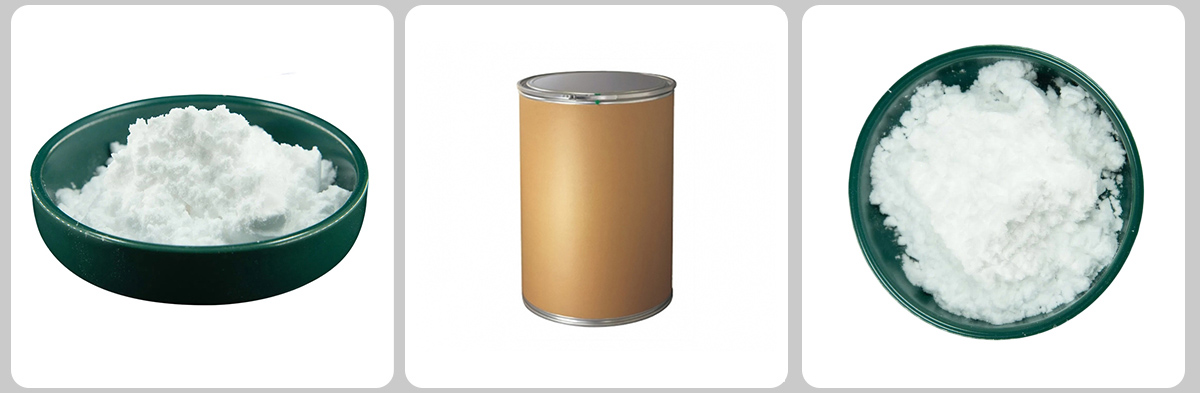
Ammonium L-tartrate Chemical Properties
Melting point | Decomposes [CRC10] |
Boiling point | 318.08°C (rough estimate) |
Alpha | 32.4 º (c=1.84, H2O) |
Density | 1.601 g/mL at 25 °C(lit.) |
Vapor pressure | 0.001Pa at 20℃ |
Refractive index | 1.4800 (estimate) |
Storage temp. | Room temp |
Solubility | H2O: 1 M at 20 °C, clear, colorless |
Form | crystalline |
Color | White semi-transparent |
Specific Gravity | 1.601 |
PH Range | 5 - 7 |
PH | 6.0-7.5 (25℃, 1M in H2O) |
Water Solubility | 63 g/L (15 ºC) |
Sensitive | Hygroscopic |
λmax | λ: 260 nm Amax: 0.052 |
BRN | 6120352 |
Stability | Stable. Incompatible with strong acids. |
LogP | -5.6 at 20℃ |
CAS DataBase Reference | 3164-29-2(CAS DataBase Reference) |
NIST Chemistry Reference | Ammonium tartrate(3164-29-2) |
EPA Substance Registry System | Diammonium tartrate (3164-29-2) |
Safety Information
Hazard Codes | Xn |
Risk Statements | 20/21/22-36/37/38 |
Safety Statements | 24/25-36-26 |
RIDADR | UN 3077 9 / PGIII |
WGK Germany | 3 |
RTECS | WW8050000 |
TSCA | Yes |
HS Code | 29181300 |
Hazardous Substances Data | 3164-29-2(Hazardous Substances Data) |

Ammonium L-(+)-tartrate is utilized in the textile and pharmaceutical industries and also serves important roles in protein structural analysis, biochemical research, reagents, biological buffers, chelators, and proteomics. It functions as a nitrogen source in biological applications and cell culture media. In addition, it is applied in crystal optimization studies and in the preliminary diffraction data analysis of the Smad1 MH1 domain bound to a palindromic SBE DNA element.