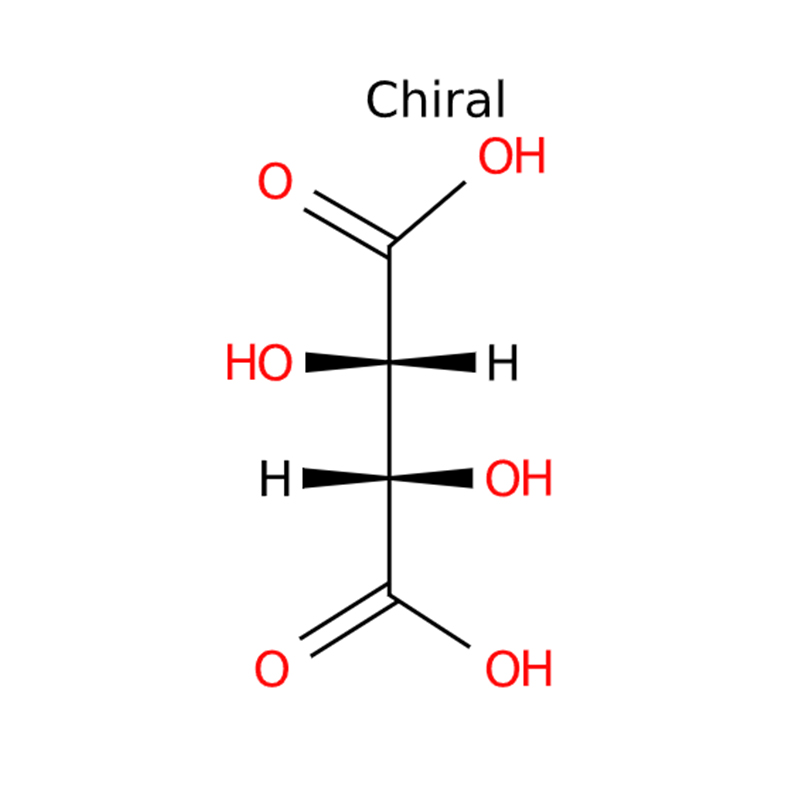
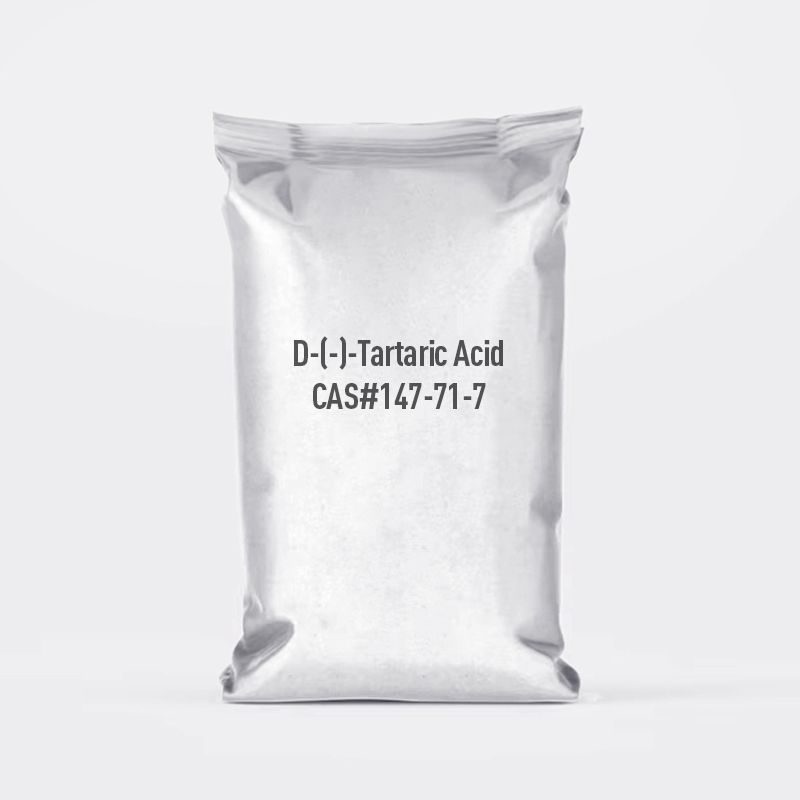
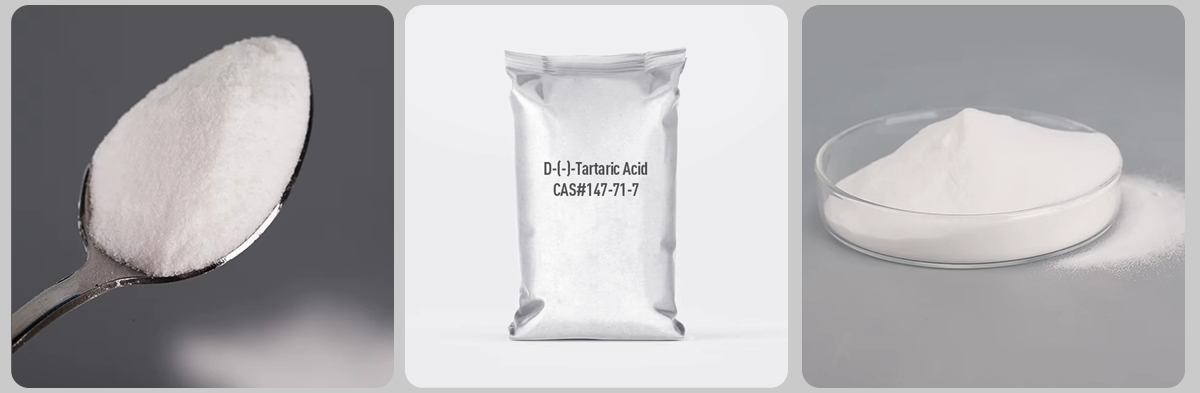
D-(-)-Tartaric Acid CAS#147-71-7
Naturally Derived – Found in natural sources like loquats.
Sugar Acid Derivative – Belongs to the sugar acid class with functional carboxylic groups.
Chiral Purity – Exists in the (S,S)-enantiomer form for specific stereochemical applications.
Versatile Organic Compound – Useful in biochemical and food-related research or formulations.
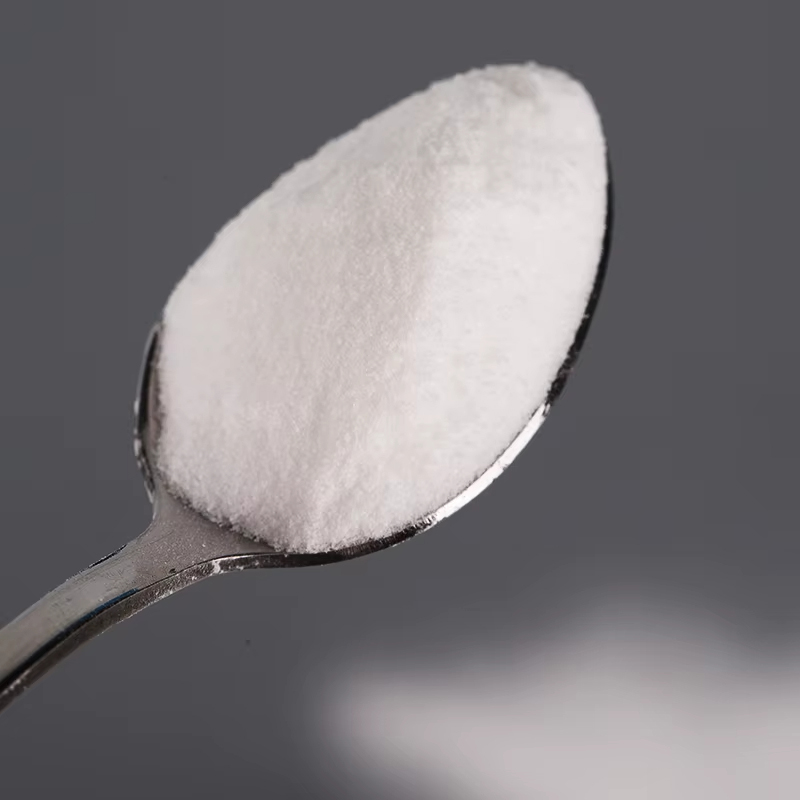
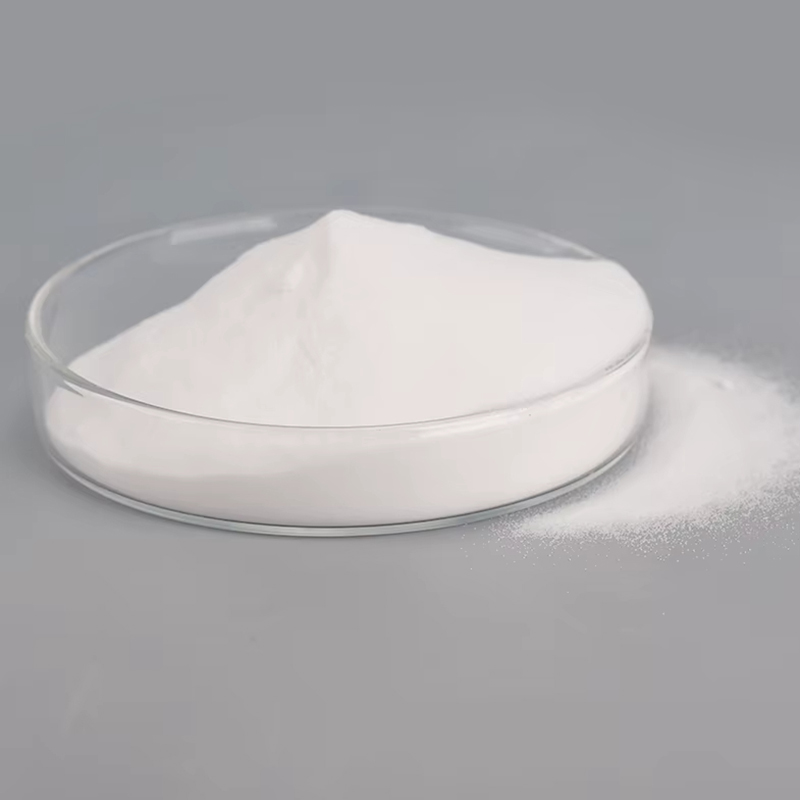
D-Tartaric acid, also referred to as (S,S)-tartrate or D-threaric acid, is categorized as an organic compound within the sugar acids and their derivatives group. These compounds feature a saccharide structure that includes a carboxylic acid functional group. D-Tartaric acid has been identified, though not quantitatively measured, in loquats (Eriobotrya japonica).
D-(-)-Tartaric Acid Chemical Properties
Melting point | 172-174 °C(lit.) |
alpha | -12.1 º (c=20, H2O) |
Boiling point | 191.59°C (rough estimate) |
density | 1,8 g/cm3 |
refractive index | -12.5 ° (C=5, H2O) |
Fp | 210 °C |
storage temp. | Store below +30°C. |
solubility | water: soluble100mg/mL, clear, colorless |
form | Crystals or Crystalline Powder |
pka | 3.0, 4.4(at 25℃) |
color | White |
Odor | odorless |
Optical Rotation | [α]20/D 13.5±0.5°, c = 10% in H2O |
Water Solubility | 1394 g/L (20 ºC) |
Sensitive | Light Sensitive |
Merck | 14,9068 |
BRN | 1725145 |
Dielectric constant | 35.9(-10℃) |
Stability: | Stable. Incompatible with oxidizing agents, bases, reducing agents. Combustible. |
InChIKey | FEWJPZIEWOKRBE-LWMBPPNESA-N |
LogP | -1.081 (est) |
CAS DataBase Reference | 147-71-7(CAS DataBase Reference) |
NIST Chemistry Reference | D-Tartaric acid(147-71-7) |
EPA Substance Registry System | Butanedioic acid, 2,3-dihydroxy-, (2S,3S)- (147-71-7) |
Safety Information
Hazard Codes | Xi |
Risk Statements | 36/37/38 |
Safety Statements | 26-36/37-37/39-36 |
WGK Germany | 3 |
RTECS | WW7875000 |
Autoignition Temperature | 425 °C |
Hazard Note | Light Sensitive |
TSCA | Yes |
HS Code | 29181200 |
D-(-)-Tartaric acid (CAS No.: 147-71-7) is a naturally occurring optically active organic acid with diverse applications. In the food industry, it serves as an acidulant and flavor enhancer for taste adjustment, functions as a chelating agent to help prolong shelf life, and is also used to regulate pH levels during fermentation processes, supporting both brewing and baking.