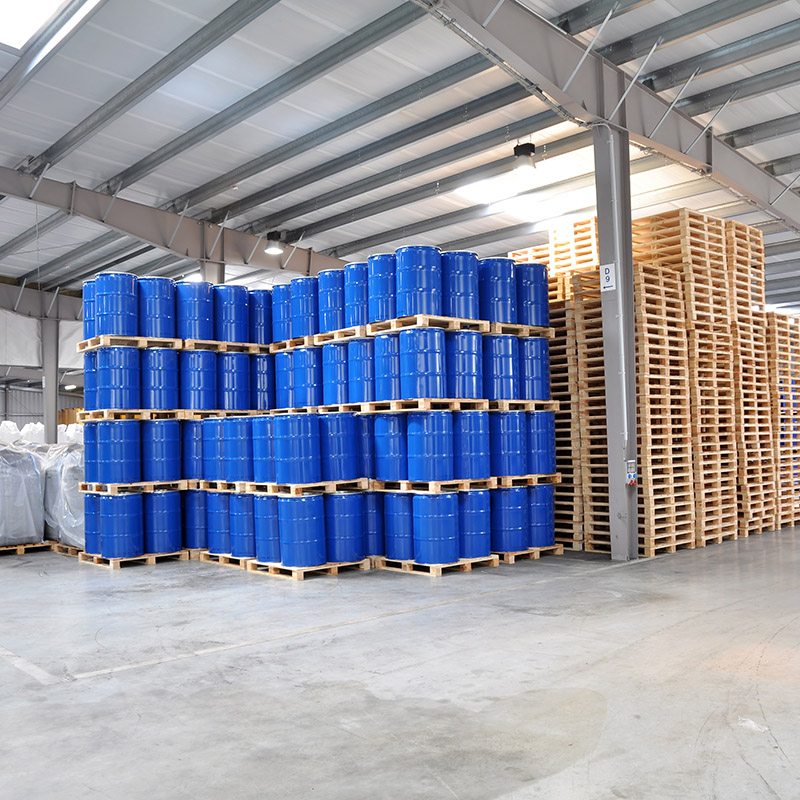
Octanoic acid CAS#124-07-2
Medium-Chain Fatty Acid Structure: Caprylic acid is an 8-carbon medium-chain fatty acid (MCFA), offering desirable absorption and metabolic properties.
Essential Nutritional Support: It is considered an essential fatty acid, playing an important role in supporting the normal functioning of the human body.
Supports Cognitive Function: Adequate caprylic acid intake helps support memory and concentration performance.
Important for Overall Physiological Health: As a necessary nutrient, it contributes to the proper maintenance of normal body functions, helping prevent issues associated with deficiency.
Product Description of Octanoic Acid CAS#124-07-2
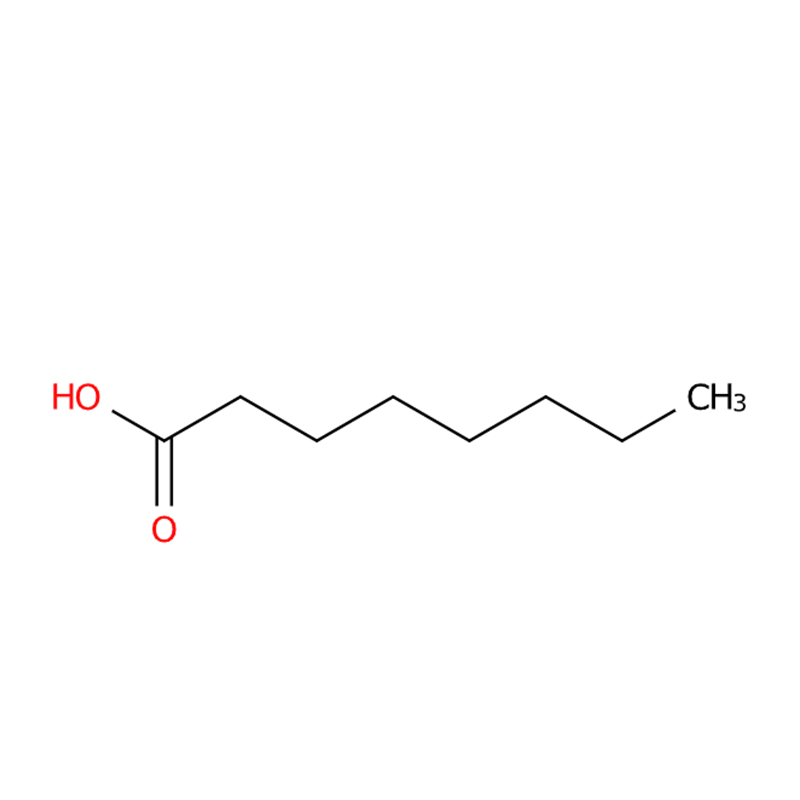
Octanoic acid, also known as caprylic acid or n-caprylic acid, is a medium-chain fatty acid (MCFA) containing 8 carbon atoms in its molecular chain.
Caprylic acid is regarded as an essential fatty acid that is important for the proper functioning of the human body. Adequate levels are necessary to support normal physiological processes, while deficiency may contribute to issues related to memory and concentration.
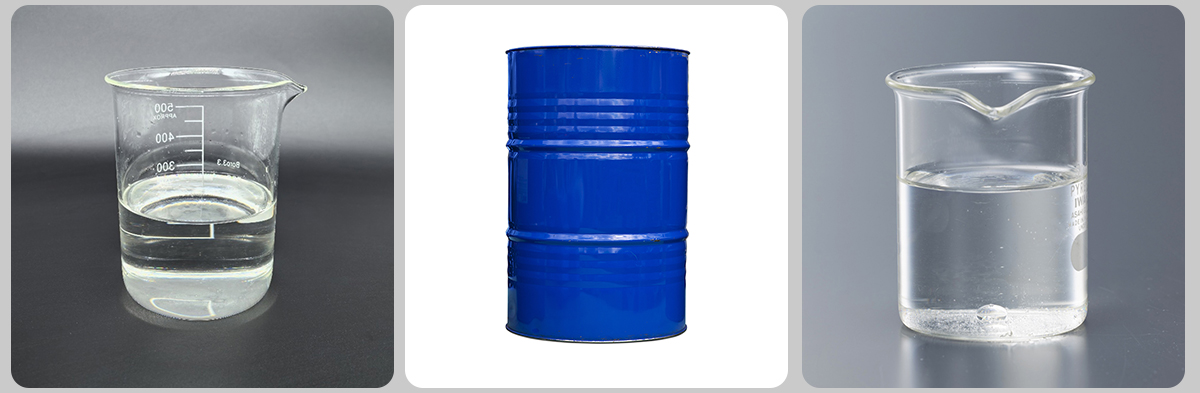
Octanoic acid Chemical Properties
| Melting point | 16 °C |
| Boiling point | 237 °C(lit.) |
| Density | 0.91 g/mL at 25 °C(lit.) |
| Vapor density | 5 (vs air) |
| Vapor pressure | 1 mm Hg ( 78 °C) |
| Refractive index | n20/D 1.428(lit.) |
| FEMA | 2799 | OCTANOIC ACID |
| Fp | >230 °F |
| Storage temp | 20-25°C |
| Solubility | 0.68g/l |
| Pka | 4.89(at 25℃) |
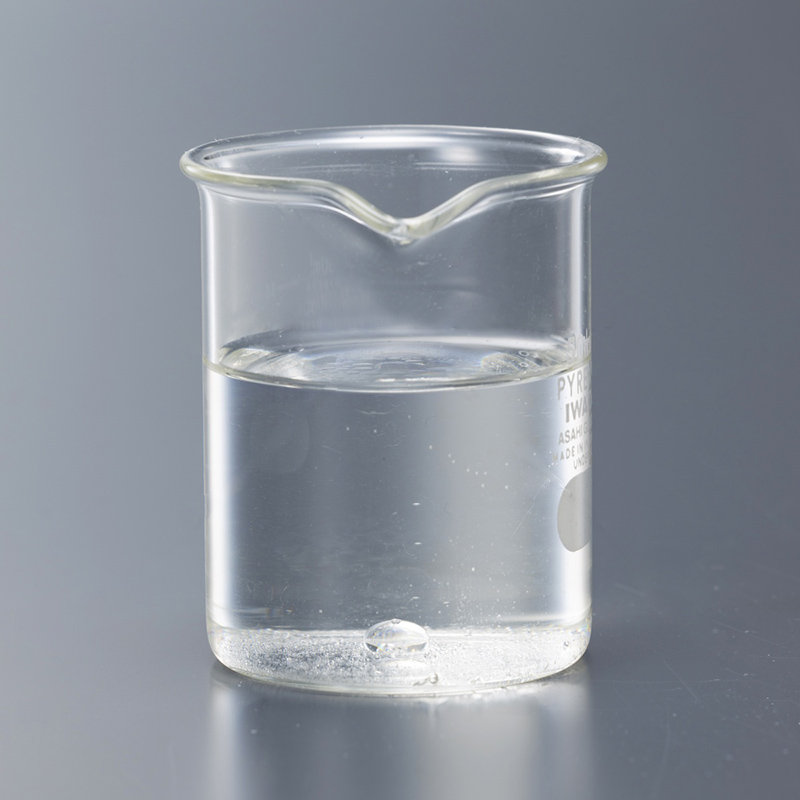
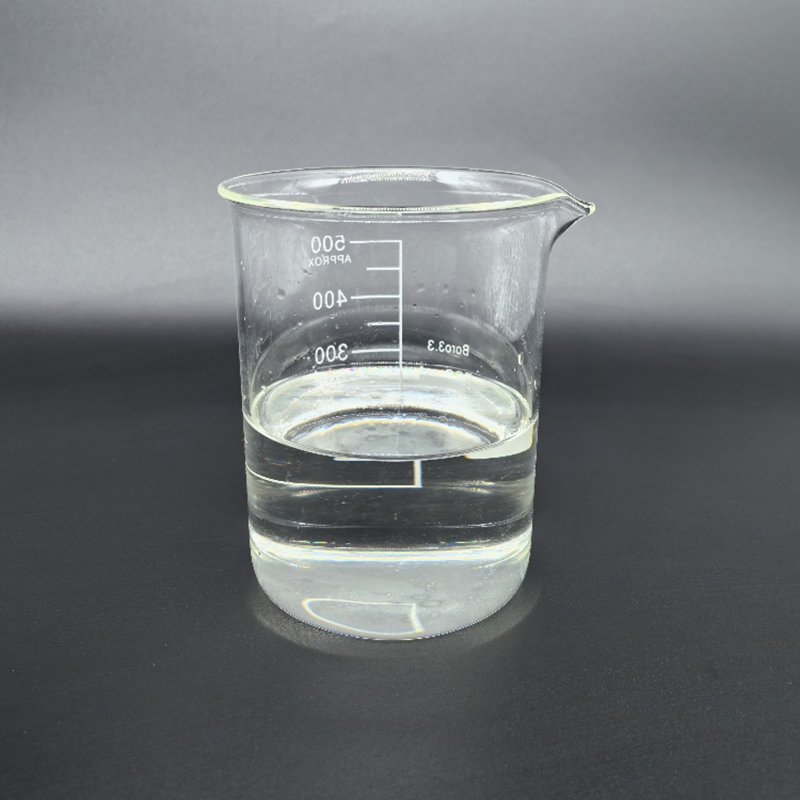
| Form | Liquid |
| Specific Gravity | 0.910 (20/4℃) |
| Color | Clear colorless to yellow |
| PH | 3.97(1 mM solution);3.45(10 mM solution);2.95(100 mM solution); |
| Odor | unpleasant odor |
| PH Range | 3.5 |
| Odor Type | fatty |
| Explosive limit | 1%(V) |
| Water Solubility | 0.68 g/L (20 ºC) |
| Merck | 141765 |
| JECFA Number | 99 |
| BRN | 1747180 |
| Dielectric constant | 3.2 |
| Dielectric constant | 3.2(18℃) |
| Stability | Stable. Incompatible with bases, reducing agents, oxidizing agents. Flammable. |
| LogP | 3.05 at 20℃ |
| CAS DataBase Reference | 124-07-2(CAS DataBase Reference) |
| NIST Chemistry Reference | Octanoic acid(124-07-2) |
| EPA Substance Registry System | Octanoic acid (124-07-2) |
Safety Information
| Hazard Codes | C,Xi |
| Risk Statements | 34 |
| Safety Statements | 26-36/39-45-36/37/39-25-27 |
| RIDADR | UN 3265 8/PG 3 |
| WGK Germany | 1 |
| RTECS | RH0175000 |
| Autoignition Temperature | >300 °C |
| Hazard Note | Irritant |
| TSCA | Yes |
| HS Code | 2915 90 70 |
| HazardClass | 8 |
| PackingGroup | III |
| Hazardous Substances Data | 124-07-2(Hazardous Substances Data) |
| Toxicity | LD50 orally in rats: 10,080 mg/kg (Jenner) |

Product Application of Octanoic Acid CAS#124-07-2
Octanoic acid can be used in specialized industrial and agricultural formulations.
In wheat spider prevention and control formulations, n-octanoic acid is used as part of a synergistic component together with trimethylolpropane ester, with a total addition level of 7–9 parts. The optimal weight ratio of trimethylolpropane ester to n-octanoic acid is 6–8:1, which provides the best prevention and control performance. This composition can be further developed into pesticide products for wheat spider control.
In anti-corrosion and rust-preventive liquids, n-octanoic acid is combined with boric acid as a synergistic component, with a total dosage of 7–9 parts. The recommended weight ratio of boric acid to n-octanoic acid is 6–8:1, under which the formulation demonstrates excellent rust prevention and corrosion resistance. The best performance is achieved when this ratio is maintained within the specified range.