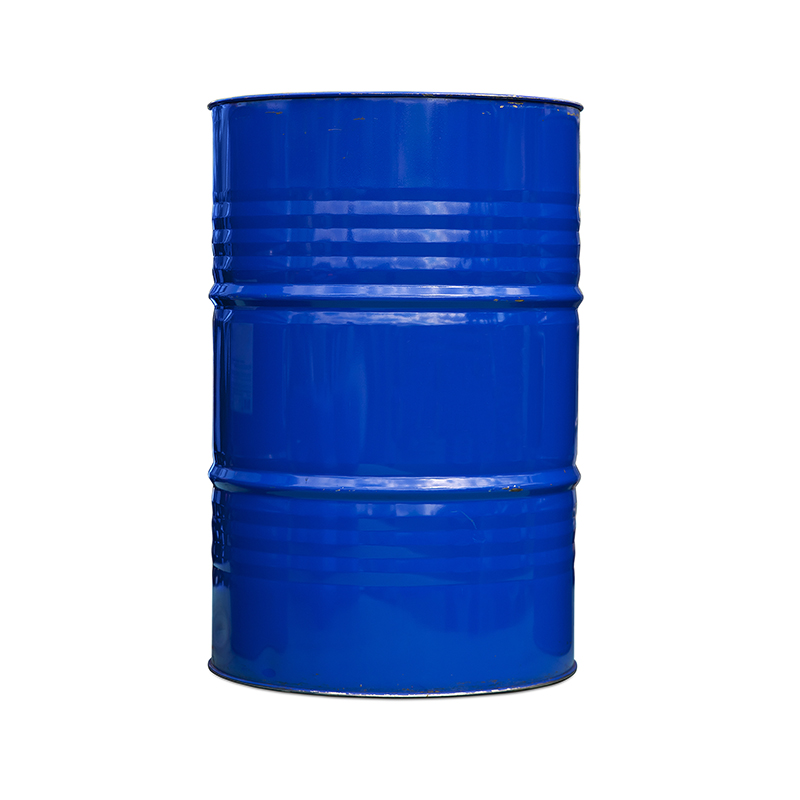
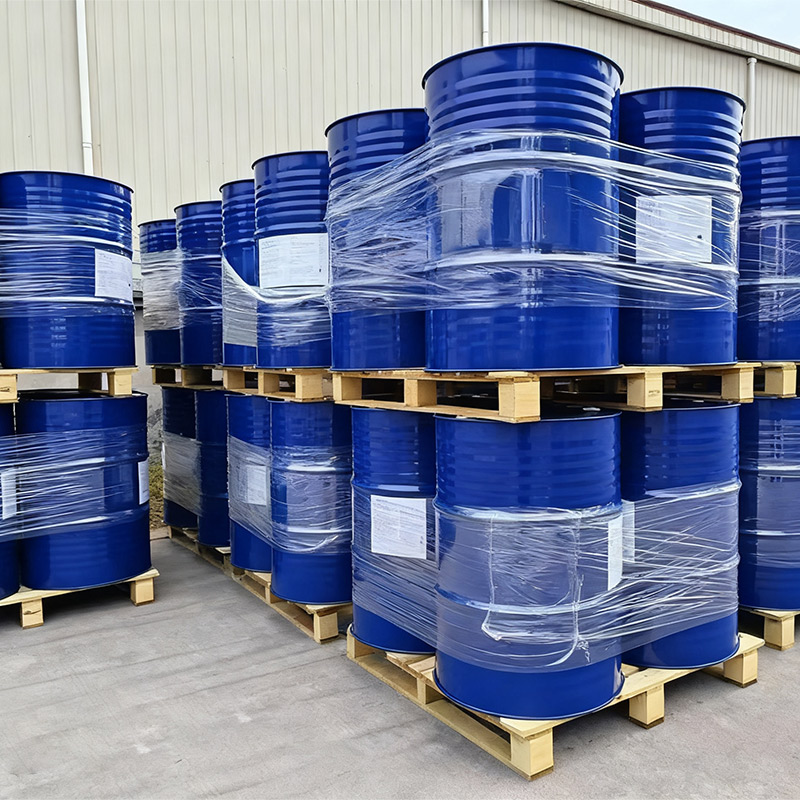
Ethoxyquin CAS#91-53-2
Highly Effective Antioxidant: Ethoxyquin is a synthetic antioxidant with high content (97.5%), providing strong oxidation resistance in applications.
Wide Solubility in Organic Solvents: It is soluble in various organic solvents such as benzene, gasoline, ether, alcohol, and acetone, enabling flexible formulation.
Stable Performance in Use: Although it may darken upon exposure to air and light, this change does not affect its functional performance.
Extensive Use in Food and Feed: It is widely applied as an antioxidant in food and feed industries, helping to extend shelf life and maintain product quality.
Product Description of Ethoxyquin CAS#91-53-2
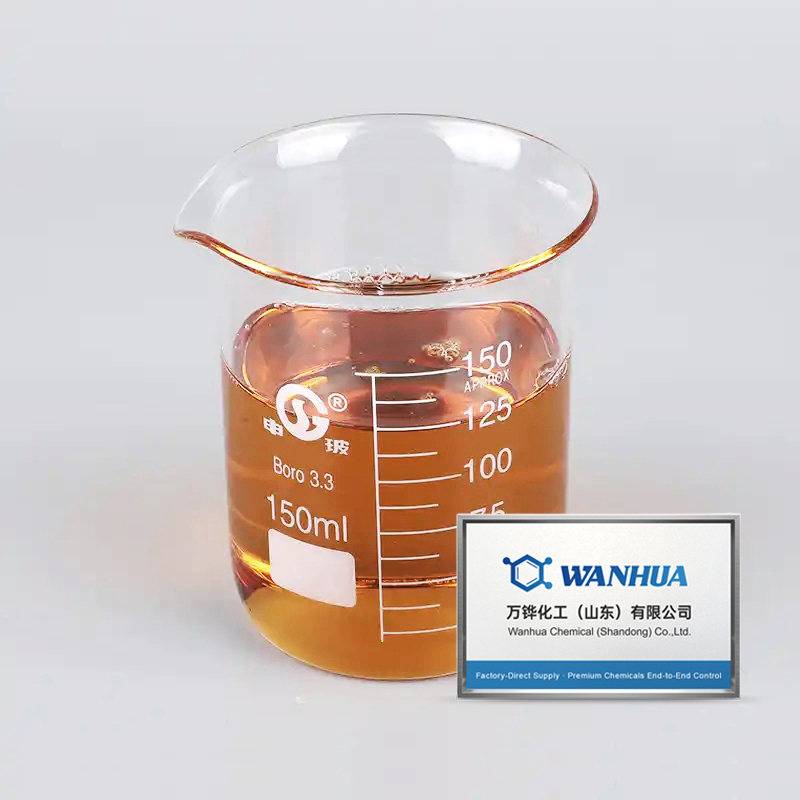
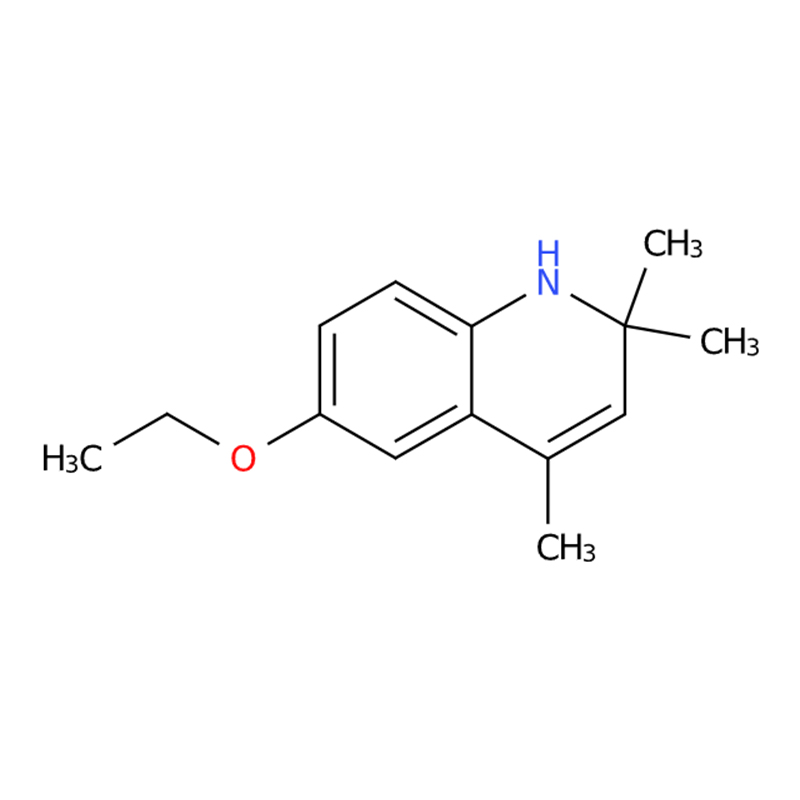
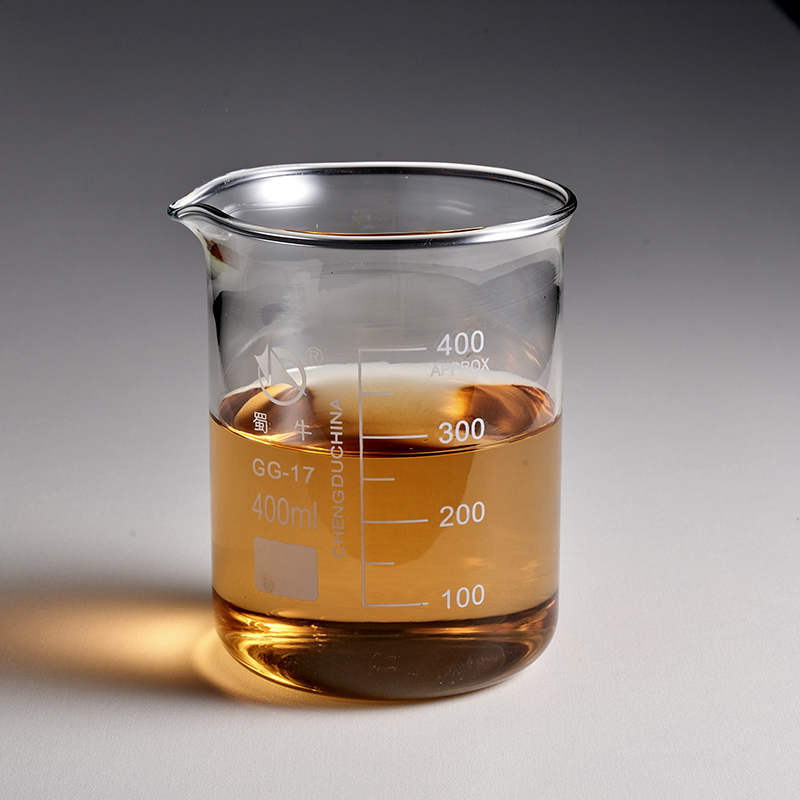
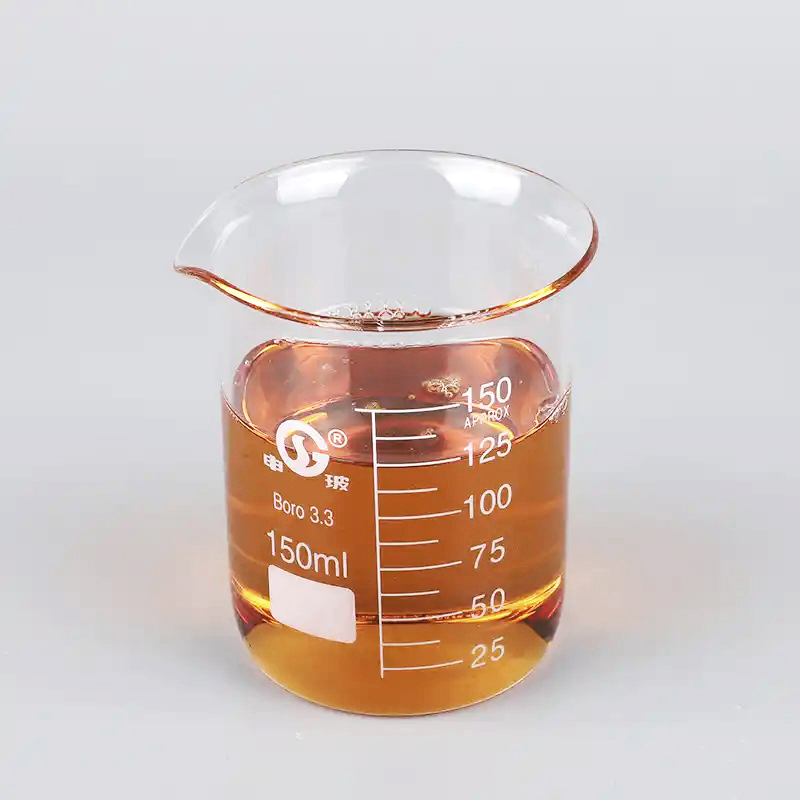
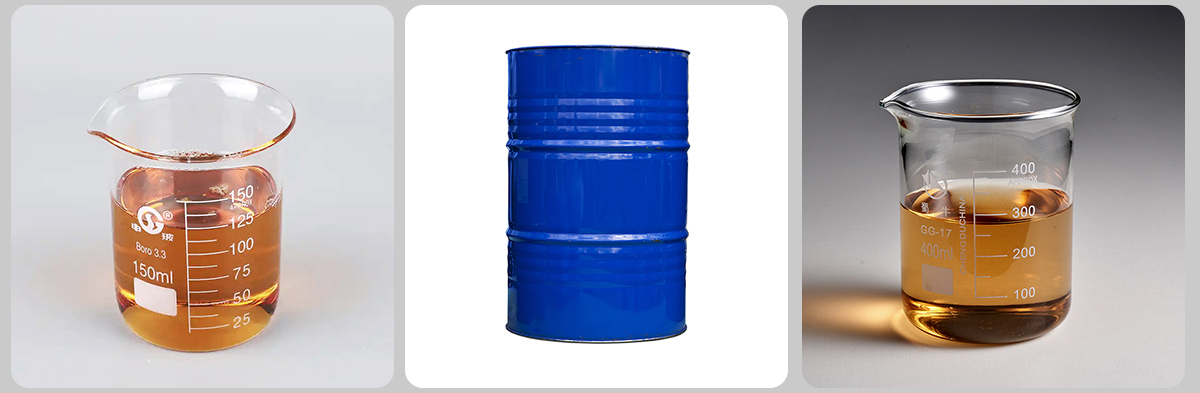
Ethoxyquin (EQ or EMQ), also marketed under trade names such as Sandoquin and Hupiling, is a yellow to tan viscous liquid with a characteristic odor. It is insoluble in water but readily soluble in organic solvents including benzene, gasoline, ether, alcohol, carbon tetrachloride, acetone, and alkyl dichlorides. The compound is prone to oxidation under natural light; exposure to air and oxygen may cause the color to darken to brown and increase its viscosity. For optimal stability, it should be stored in airtight containers away from light. This color change does not affect its performance. Ethoxyquin is a synthetic antioxidant with a typical content of 97.5%, primarily used as an antioxidant in food and feed applications.
Ethoxyquin Chemical Properties
| Melting point | <0°C |
| Boiling point | 123-125°C |
| Density | 1.03 g/mL at 20 °C (lit.) |
| Vapor pressure | 0.035Pa at 25℃ |
| Refractive index | 1.569~1.571 |
| Fp | 137 °C |
| Storage temp | 2-8°C |
| Solubility | ethanol: 50 mL/L, clear, brown |
| Pka | 5.02±0.70(Predicted) |
| Color | Yellow to Very Dark Brown |
| Water Solubility | <0.1 g/100 mL at 20 ºC |
| Merck | 143753 |
| BRN | 158223 |
| Stability | Stable. Combustible. Incompatible with oxidizing agents, strong acids. Polymerizes if heated. May polymerize upon exposure to light and air. |
| InChIKey | DECIPOUIJURFOJ-UHFFFAOYSA-N |
| LogP | 3.39 |
| CAS DataBase Reference | 91-53-2(CAS DataBase Reference) |
| NIST Chemistry Reference | Quinoline, 6-ethoxy-1,2-dihydro-2,2,4-trimethyl-(91-53-2) |
| EPA Substance Registry System | Ethoxyquin (91-53-2) |
Safety Information
| Hazard Codes | Xn |
| Risk Statements | 22 |
| Safety Statements | 24 |
| RIDADR | 3082 |
| WGK Germany | 1 |
| RTECS | VB8225000 |
| F | 37478 |
| HazardClass | 9 |
| PackingGroup | III |
| HS Code | 29334900 |
| Hazardous Substances Data | 91-53-2(Hazardous Substances Data) |
| Toxicity | LD50 orally in rats, mice: 1920, 1730 mg/kg (Piul'skaya) |
Product Application of Ethoxyquin CAS#91-53-2
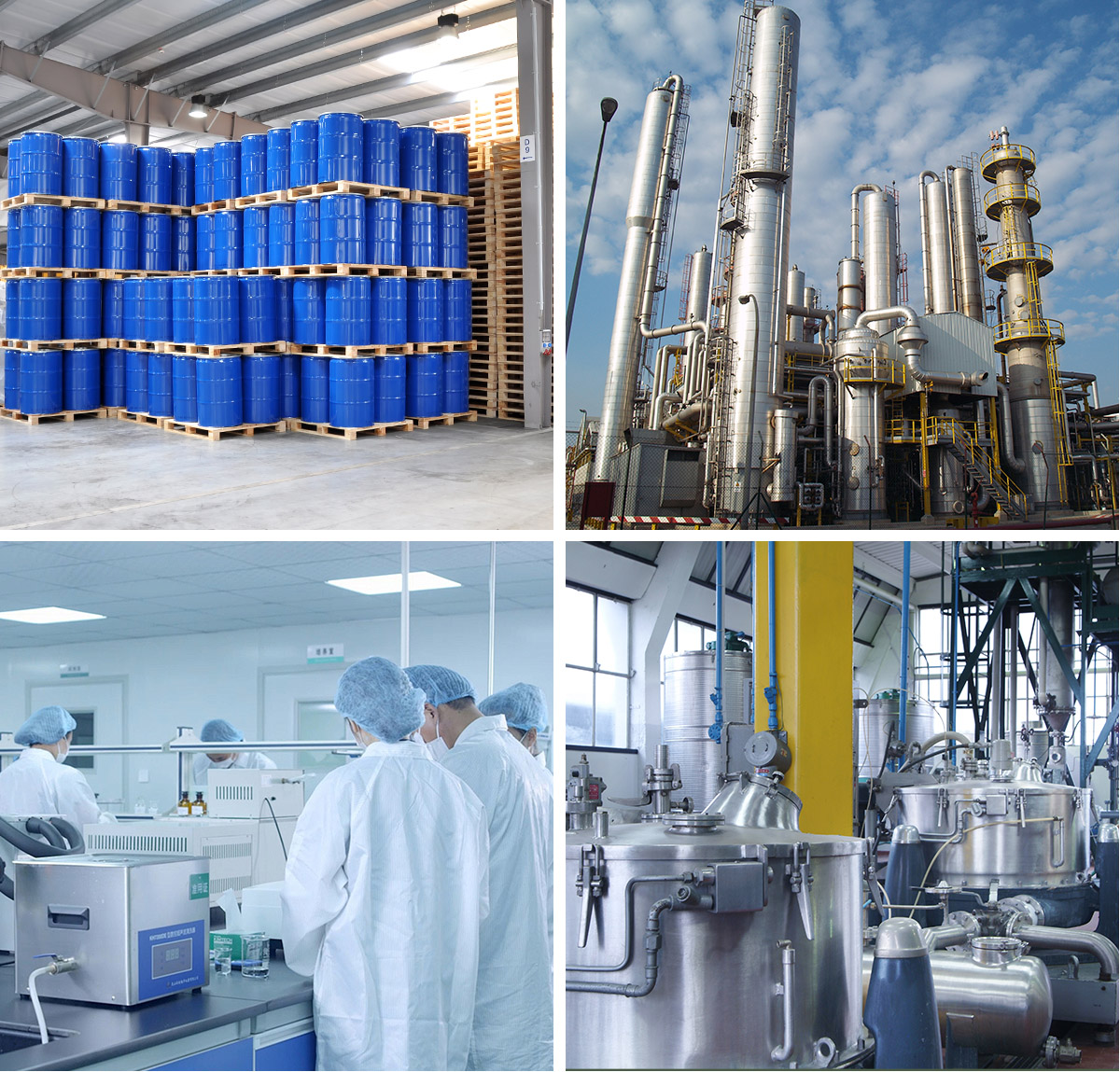
Ethoxyquin is typically applied by spraying onto the surface of feed, where it effectively inhibits oil rancidity and protein oxidation, while also preventing vitamin degradation and providing antioxidant protection. The recommended dosage in feed is 100–150 g/kg. Excessive use (above 0.1%) may cause pork fat to darken or turn yellow, which can negatively affect carcass quality.
Commercial formulations are generally available in two types. One is a powder containing 10%–70% ethoxyquin, characterized by stable physical properties, good flowability, and uniform distribution, allowing for easy and even mixing with feed. The other is a liquid form, typically prepared using water or glycerol as solvents.