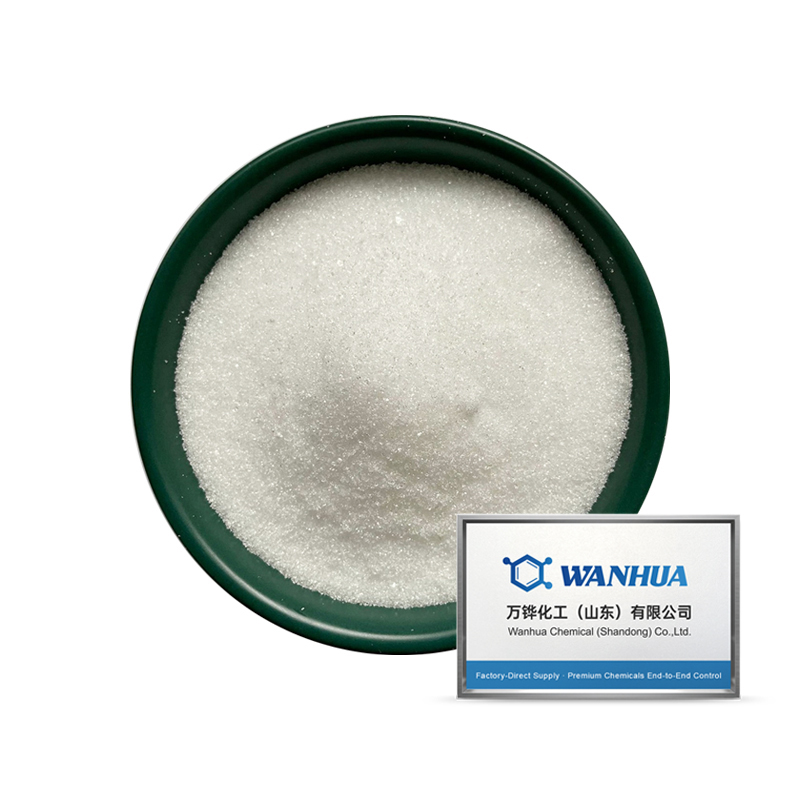
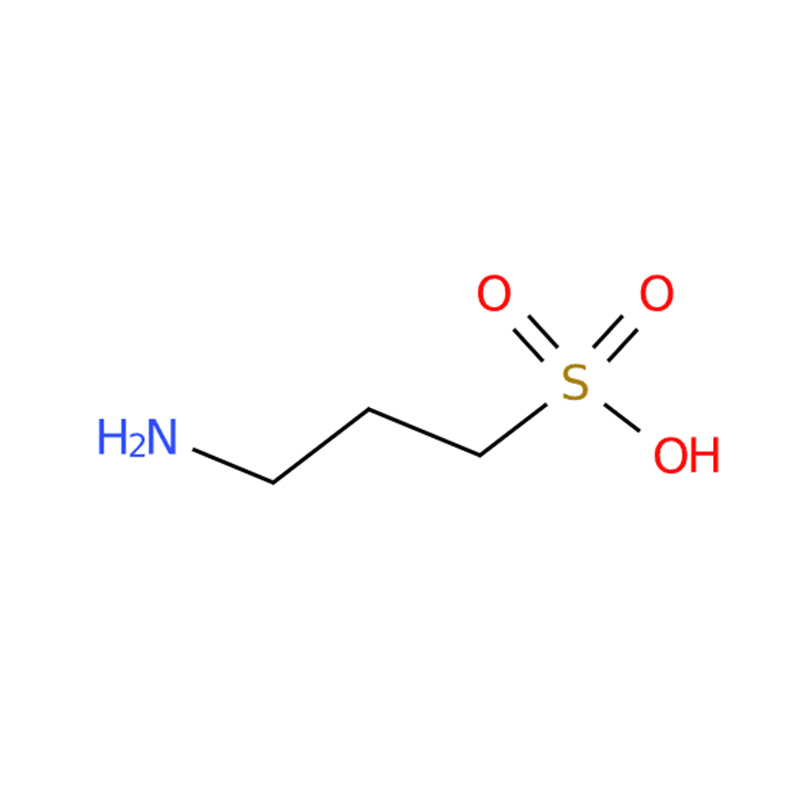
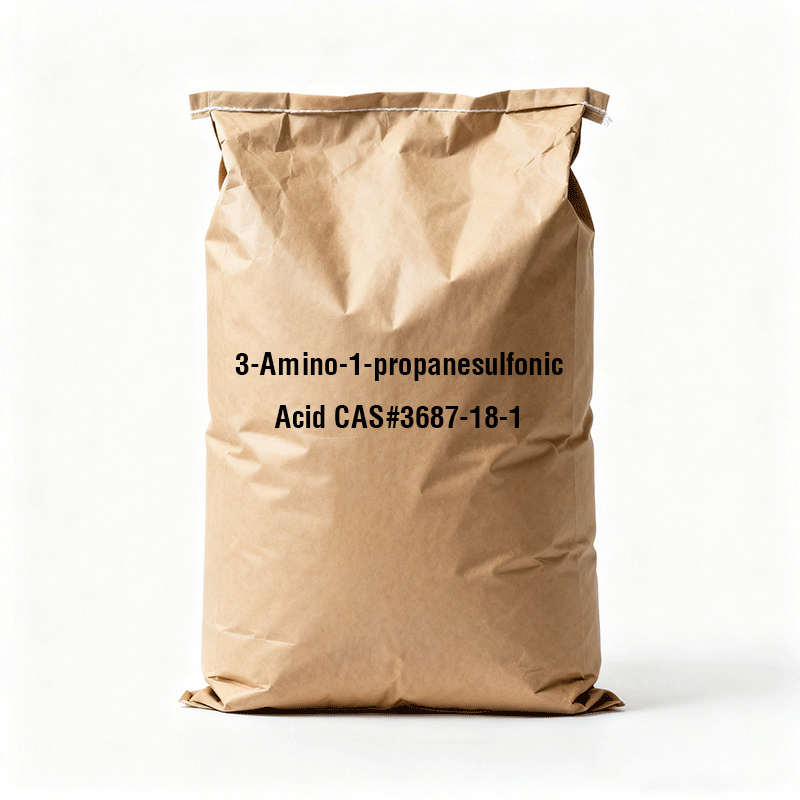
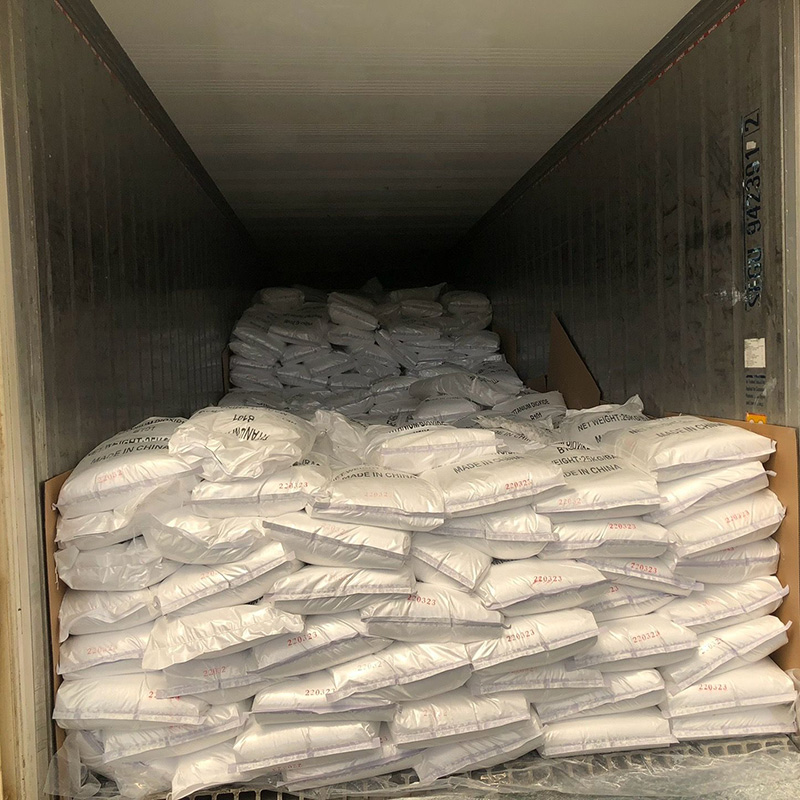
3-Amino-1-propanesulfonic Acid CAS#3687-18-1
Promising Therapeutic Candidate for Alzheimer’s Disease: 3-Aminopropanesulfonic acid has shown strong potential as a treatment candidate for Alzheimer’s disease (AD).
Advanced Clinical Development Stage: The product is currently undergoing Phase III clinical trials in North America and Europe, indicating significant progress in its clinical development.
Clinically Supported Research Data: Clinical trial results have already been published, providing scientific evidence supporting its therapeutic potential.
Reduces Amyloid Aggregation in the Brain: It can reduce amyloid aggregation, deposition, and accumulation in the brain by binding to soluble Aβ peptides.
Product Description of 3-Amino-1-propanesulfonic Acid CAS#3687-18-1
3-Amino-1-propanesulfonic acid is considered a promising candidate for the treatment of Alzheimer’s disease (AD). It is currently undergoing Phase III clinical trials in both North America and Europe, and the results of these studies have already been published. This compound is known for its capability to bind with soluble Aβ peptides, thereby helping to reduce amyloid aggregation, deposition, and accumulation in the brain.
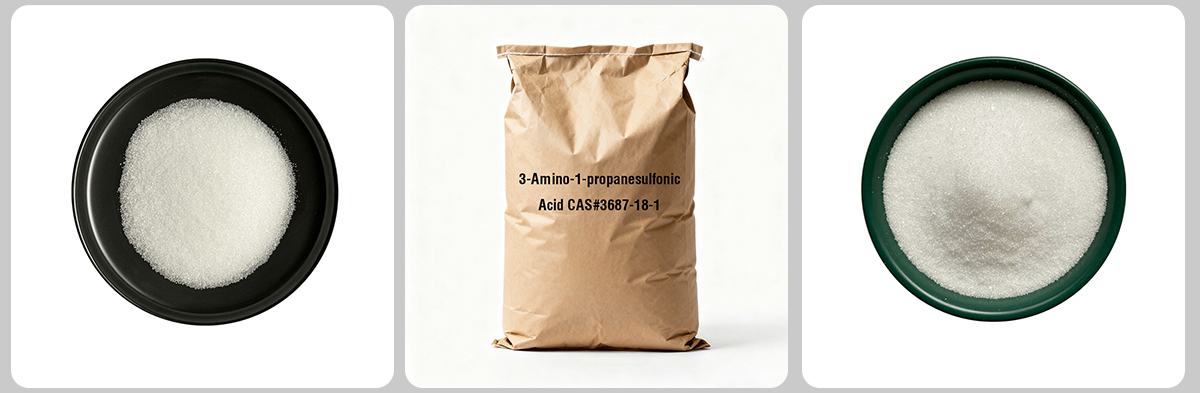
3-Amino-1-propanesulfonic acid Chemical Properties
| Melting point | 293 °C (dec.)(lit.) |
| Density | 1.202 (estimate) |
| Refractive index | 1.5130 (estimate) |
| Storage temp | 2-8°C |
| Solubility | Water (Slightly) |
| Pka | 1.06±0.50(Predicted) |
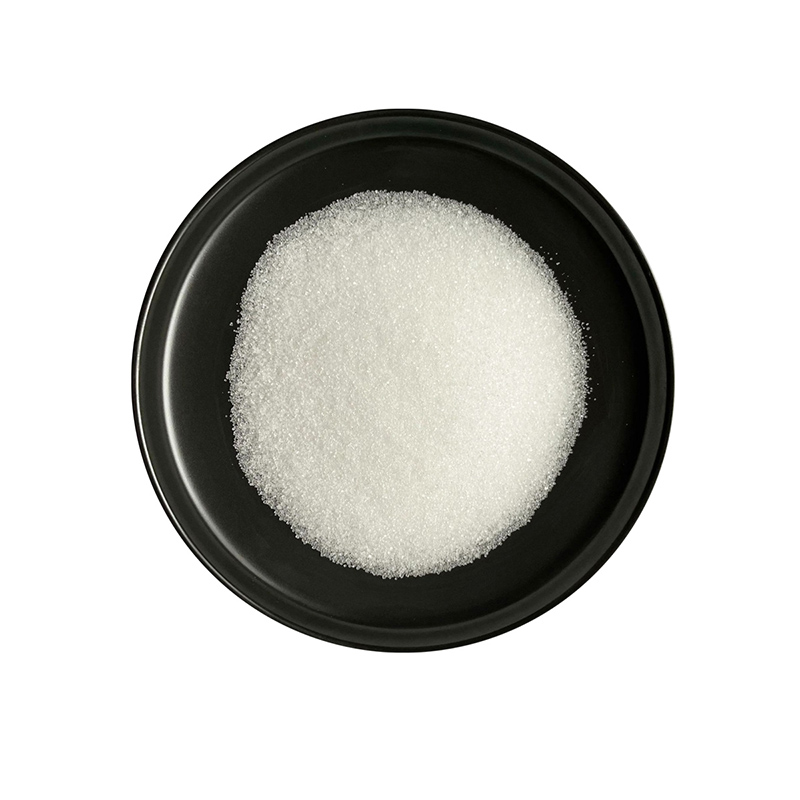
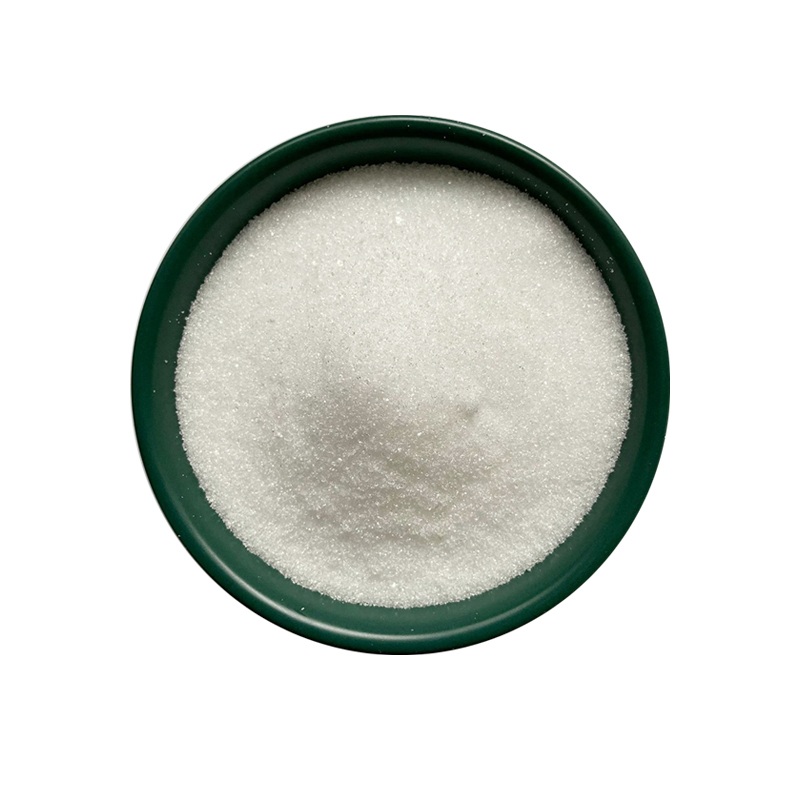
| Form | Crystalline Powder |
| Color | White to slightly blue |
| LogP | -4.555 |
| CAS DataBase Reference | 3687-18-1(CAS DataBase Reference) |
| Hazard Codes | Xi |
| Risk Statements | 36/37/38 |
| Safety Statements | 26-36 |
| WGK Germany | 1 |
| HS Code | 29049090 |

Product Application of 3-Amino-1-propanesulfonic Acid CAS#3687-18-1
The metabolic pathway of 3-aminopropanesulfonic acid plays an important role in determining its pharmacokinetic characteristics and therapeutic effectiveness. To enhance its therapeutic performance and overall bioavailability—such as increasing stability or slowing metabolic breakdown—one effective strategy is the development of prodrugs or derivatives of 3-aminopropanesulfonic acid. These modified forms can release 3-aminopropanesulfonic acid in the body after administration, thereby improving its clinical potential.