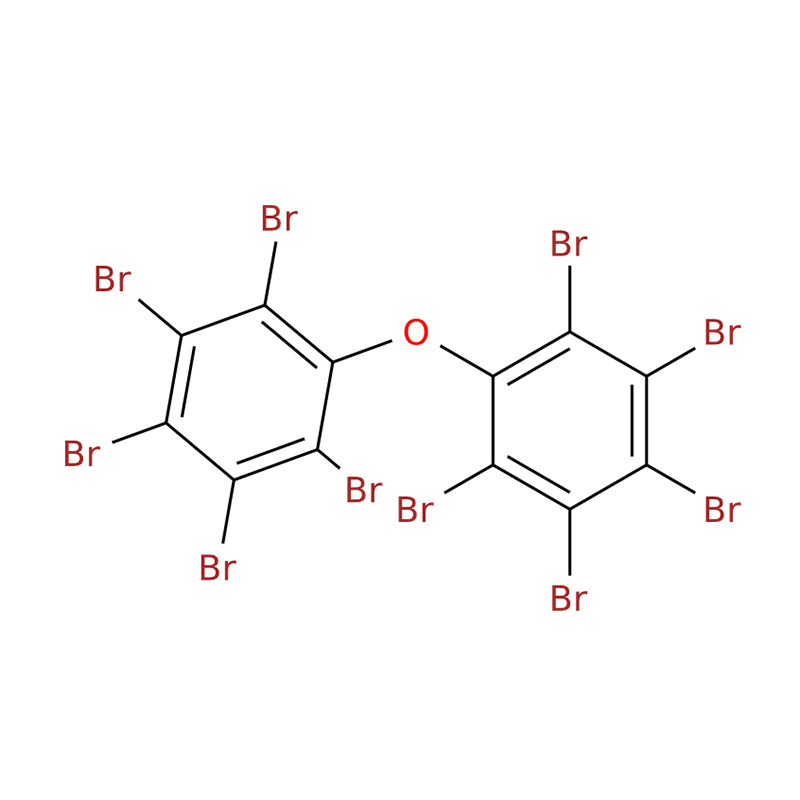
Decabromodiphenyl oxide CAS#1163-19-5
Excellent Flame Retardancy:DBDPO is widely used in plastics, textiles, and electronics for its superior fire-resistant performance.
High Thermal and Chemical Stability:It exhibits non-flammable and non-reactive behavior under normal conditions, ensuring safety in various applications.
Low Water Solubility:Its limited solubility in water reduces the risk of leaching, making it environmentally more stable in aqueous settings.
Versatile Industrial Use:Suitable for large-scale manufacturing across multiple sectors, with manageable health risk under proper handling.
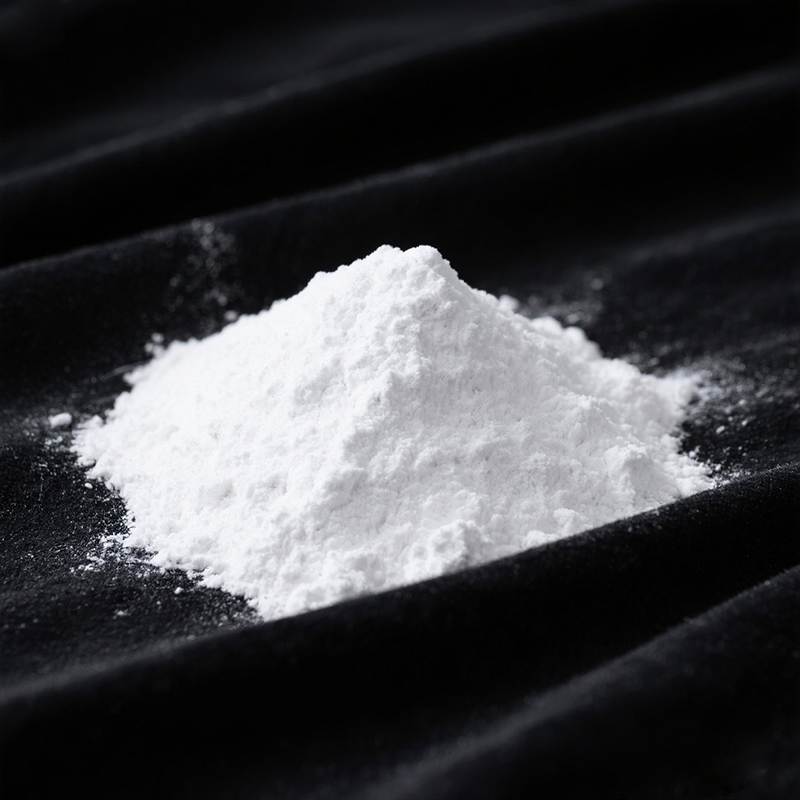
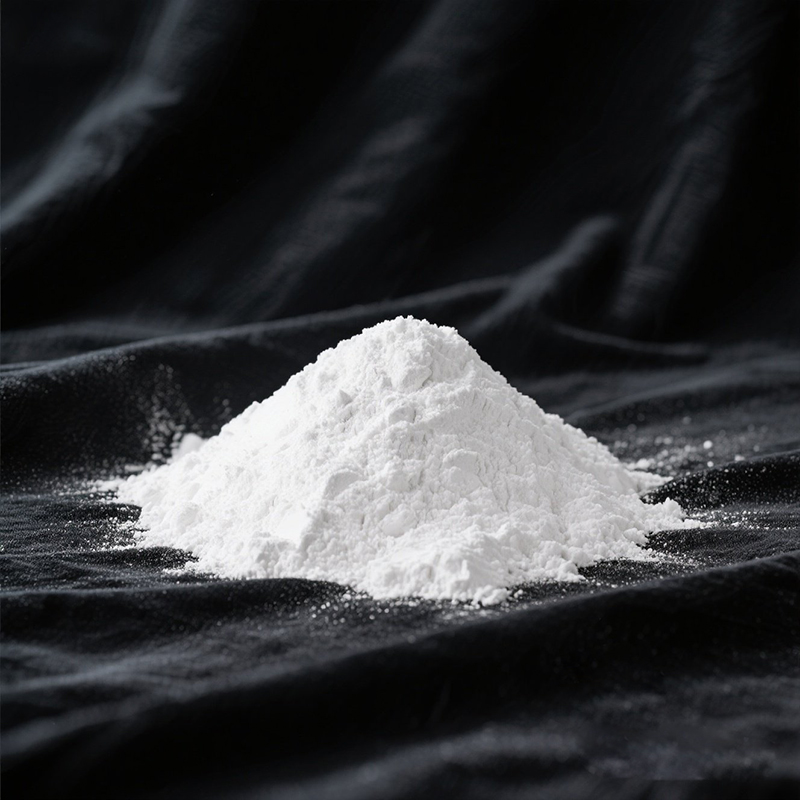
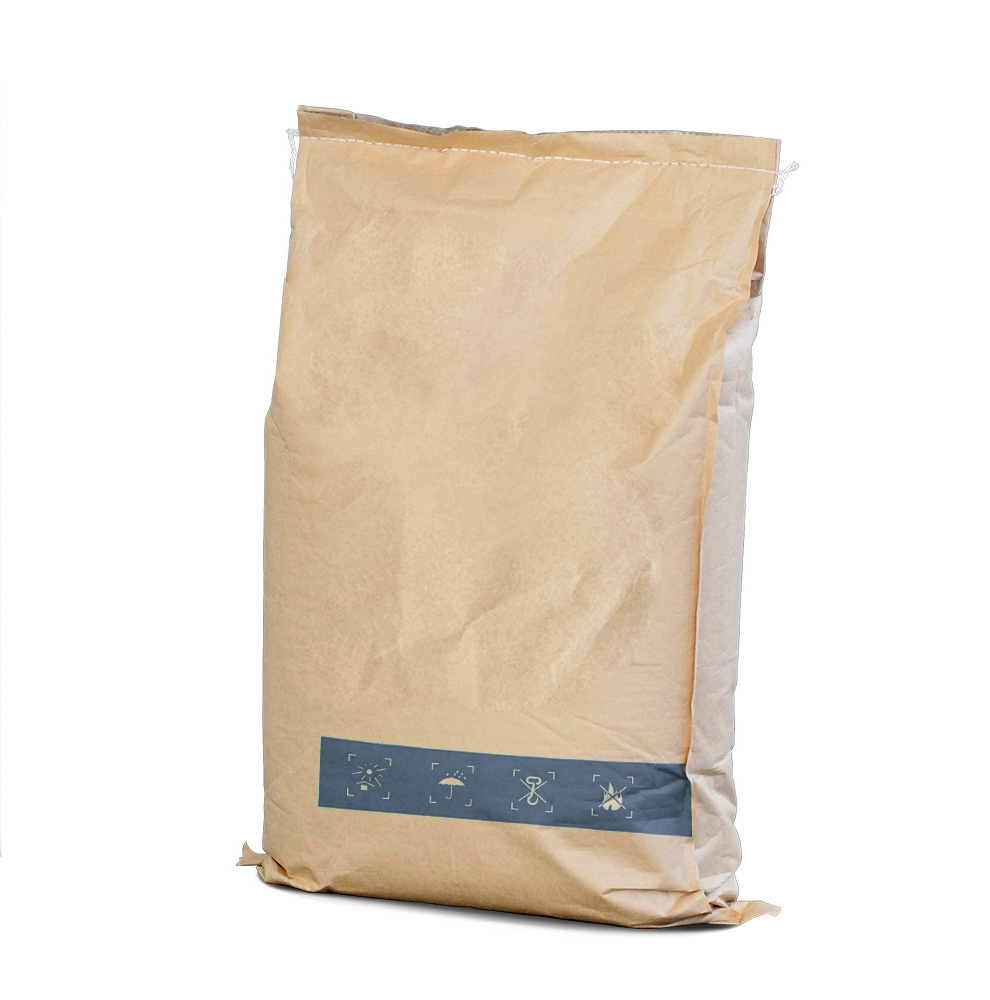
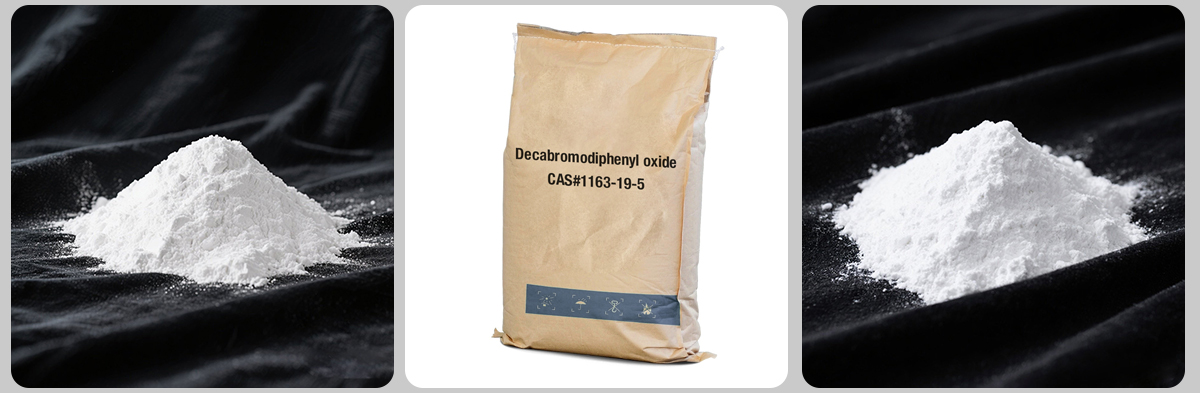
DBDPO (Decabromodiphenyl Oxide) is a white to off-white powder with a molecular weight of 959.9 g/mol. It is commonly used as a flame retardant in various applications such as plastics, textiles, and electronics due to its excellent fire-resistant properties. In terms of hazard identification, based on the NFPA-704 M Rating System, it is classified as Health 2, Flammability 0, and Reactivity 0, indicating it presents a moderate health hazard, but is not flammable or reactive under typical conditions. DBDPO is only slightly soluble in water, making it less likely to leach out in aqueous environments. However, proper handling is necessary to avoid health risks, especially in large-scale industrial settings.
Parameters
| Melting point | >300 °C(lit.) |
| Boiling point | 425°C |
| Density | 3 g/cm3 |
| Vapor pressure | 0Pa at 21℃ |
| Refractive index | 1.5000 (estimate) |
| Fp | -12 °C |
| storage temp | 2-8°C |
| Solubility | <0.0001mg/l |
| Form | Solid |
| Color | White to Light Brown |
| Water Solubility | <0.1 g/100 mL at 20 ºC |
| BRN | 2188438 |
| Stability | Stable. Incompatible with strong oxidizing agents. |
| InChIKey | WHHGLZMJPXIBIX-UHFFFAOYSA-N |
| LogP | 6.625 at 25℃ |
CAS DataBase Reference | 1163-19-5(CAS DataBase Reference) |
| IARC | 3 (Vol. 48, 71) 1999 |
EPA Substance Registry System | Decabromodiphenyl oxide (1163-19-5) |
Safety Information
| Hazard Codes | Xn,Xi,N,F |
| Risk Statements | 20/21/22-67-65-63-50/53-48/20-38-11 |
| Safety Statements | 36/37-62-61-60-16 |
| RIDADR | 3152 |
| WGK Germany | 1 |
| RTECS | KN3525000 |
| Hazard Note | Irritant |
| TSCA | Yes |
| HazardClass | 9 |
| PackingGroup | II |
| HS Code | 29093031 |
Hazardous Substances Data | 1163-19-5(Hazardous Substances Data) |
| Toxicity | Review IARC: Group 3 IMEMDT 48,73,90; Animal Limited Evidence IMEMDT 48,73,90. NTP Carcinogenesis Studies (feed); Some Evidence: rat NTPTR* NTP-TR-309,86; (feed); Equivocal Evidence: mouse NTPTR* NTP-TR-309,86. Polybrominated biphenyl compounds ar |

Decabromodiphenyl oxide is an inert, additive-type flame retardant known for its excellent thermal stability and cost-effectiveness. It is extensively applied in thermoplastic and thermoset resins, textiles, and adhesives. Key applications include high-impact polystyrene, glass-filled thermoplastic polyester and molding compounds, low-density polyethylene extrusion coatings, polypropylene (both homopolymers and copolymers), acrylonitrile butadiene styrene (ABS), nylon, and polyvinyl chloride (PVC).