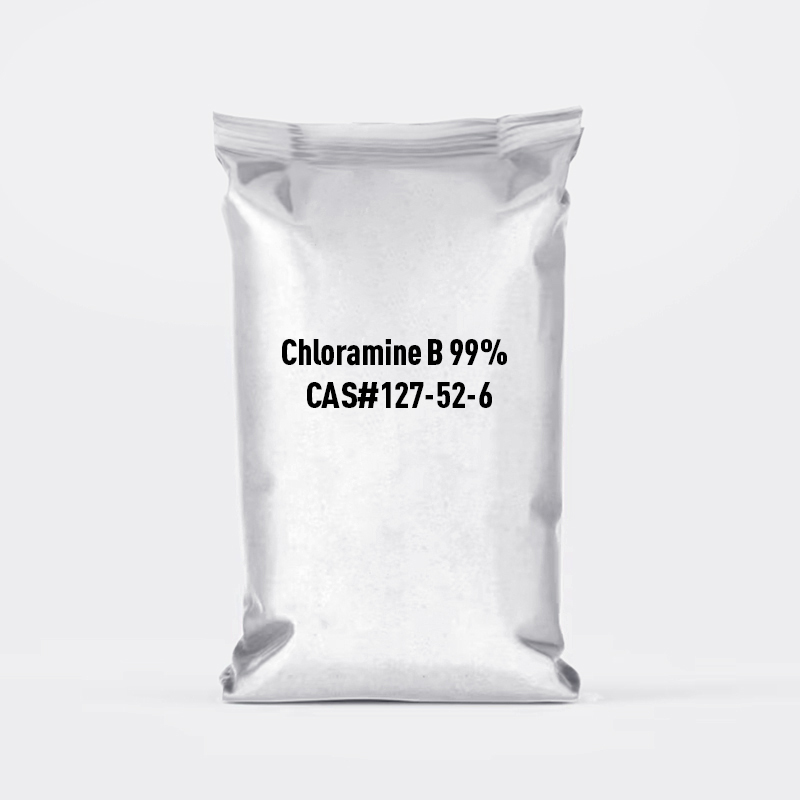
Chloramine B 99% CAS#127-52-6
High Effective Chlorine Content: Contains 26–28% available chlorine, providing strong and reliable disinfecting performance.
Broad-Spectrum Disinfection: Effectively used for drinking water, tableware, utensils, fruits and vegetables, aquaculture water, and enamelware sanitation.
Good Stability: Compared with many chlorine disinfectants, Chloramine B is relatively stable, ensuring consistent effectiveness during storage and use.
Wide Application in Hygiene and Veterinary Fields: Suitable not only for public sanitation but also for cleaning dairy equipment and disinfecting livestock wounds and urinary tracts.
Products Description of Chloramine B 99% CAS#127-52-6
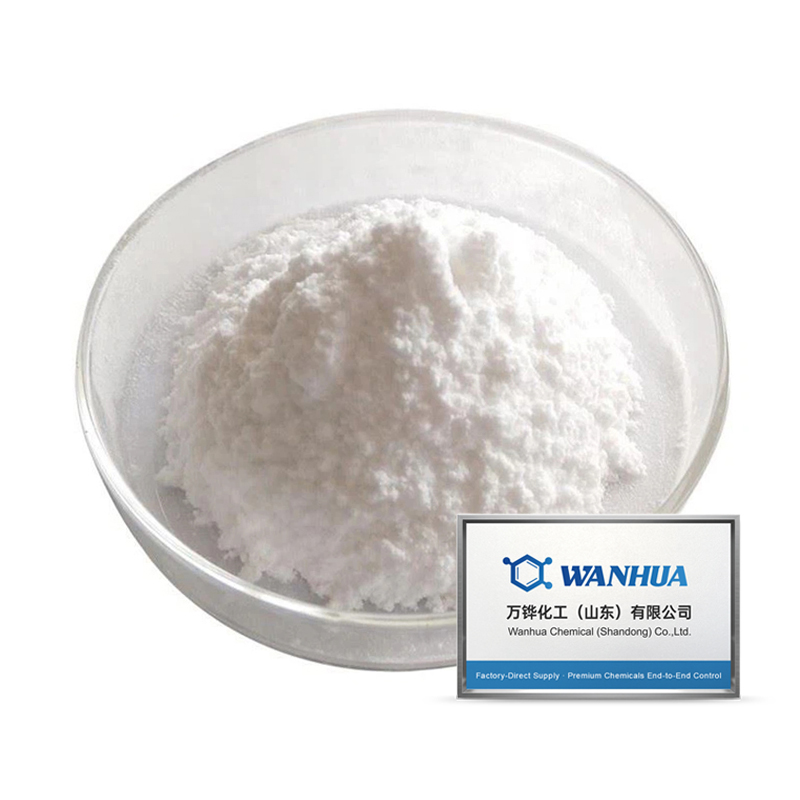
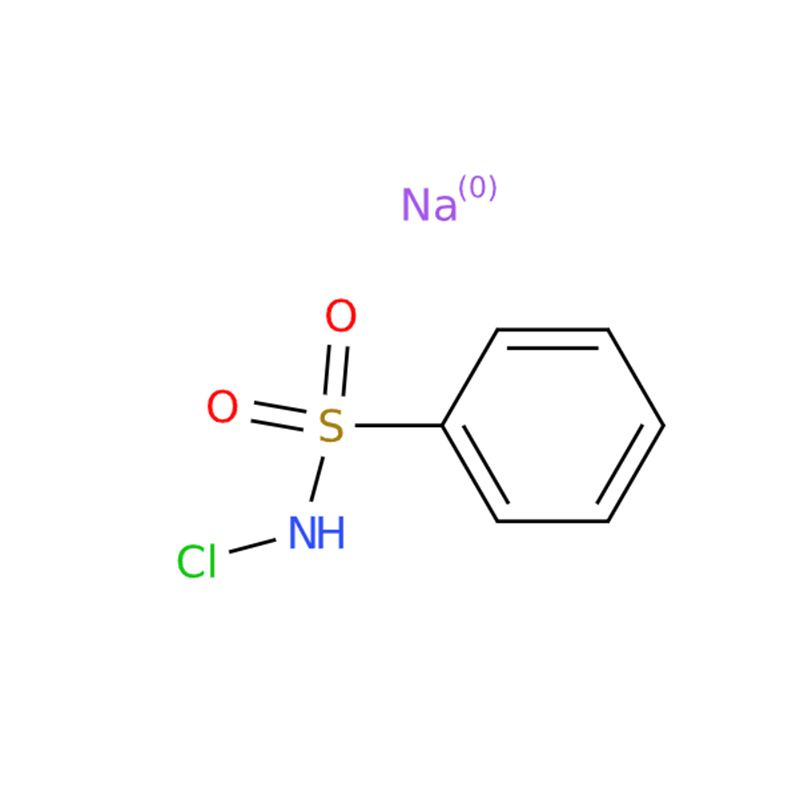
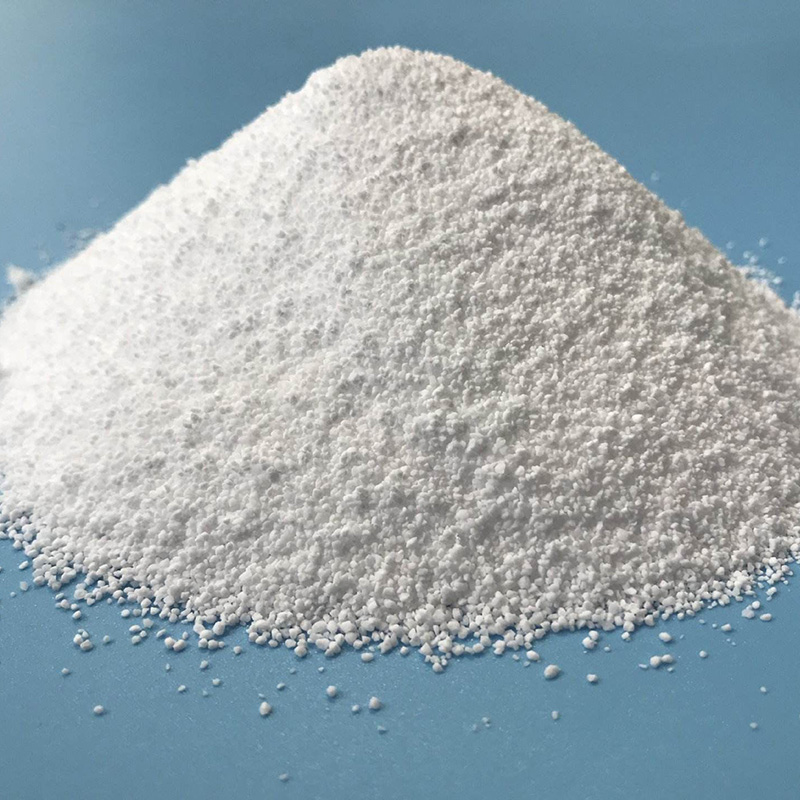
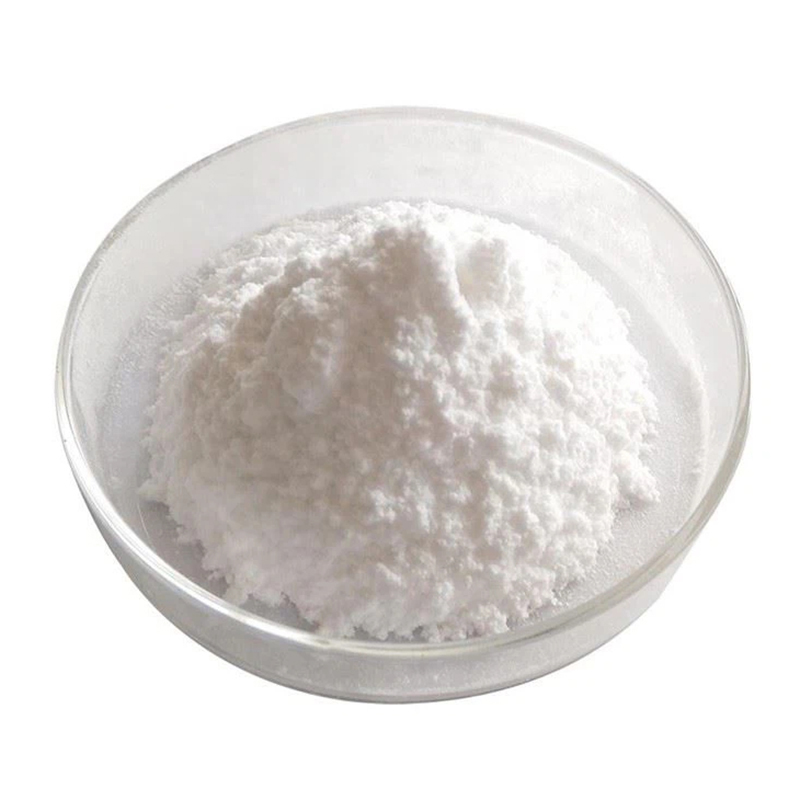
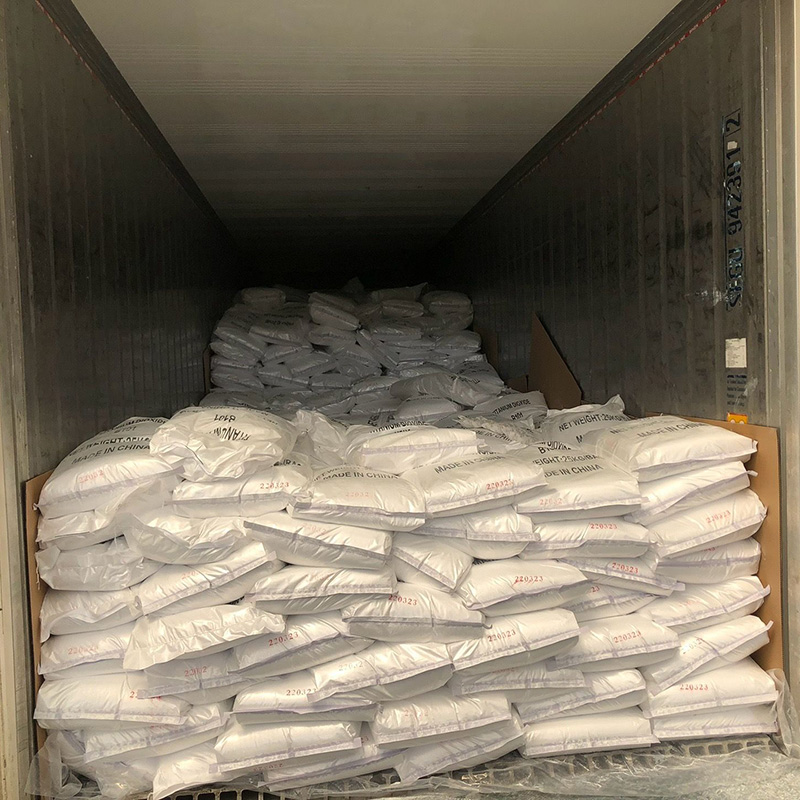
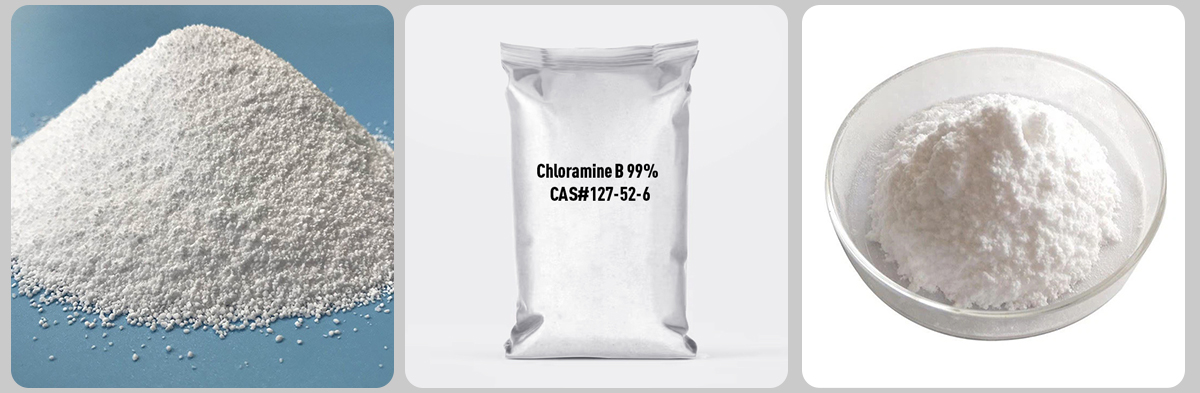
Chloramine B, also known as sodium benzenesulfonyl chloride, appears as a white crystalline powder. It is sensitive to impact, friction, fire, and other ignition sources, under which it may be explosive. As an organochlorine disinfectant, it contains approximately 26–28% available chlorine and exhibits relatively good stability.
Chloramine B Chemical Properties
| Melting point | 190°C |
| Boiling point | 189℃[at 101 325 Pa] |
| Density | 1.484[at 20℃] |
| Vapor pressure | 0Pa at 20℃ |
| Storage temp | Keep in dark place,Inert atmosphere,2-8°C |
| Solubility | H2O: 0.1 g/mL, clear |
| Form | Solid |
| Pka | 1.88[at 20 ℃] |
| Water Solubility | 0.1 g/mL |
| Merck | 142,074 |
| BRN | 3599287 |
| InChIKey | KDNCILYKSYKEFJ-UHFFFAOYSA-N |
| LogP | 0.14 at 26℃ |
| EPA Substance Registry System | Chloramine B (127-52-6) |
Safety Information
| Hazard Codes | C |
| Risk Statements | 22-31-34-42-2 |
| Safety Statements | 7-22-26-36/37/39-45 |
| RIDADR | UN 3263 8/PG 2 |
| WGK Germany | 3 |
| RTECS | DA9300000 |
| HazardClass | 5.1 |
| PackingGroup | III |
| HS Code | 29350090 |
| Hazardous Substances Data | 127-52-6(Hazardous Substances Data) |
Uses:
Chloramine B is mainly applied as an organochlorine disinfectant for the sanitation of drinking water, tableware, various utensils, fruits and vegetables (at about 5 ppm), aquaculture water, and enamelware (around 1%). It is also used for cleaning milk containers and milking equipment, as well as for rinsing and disinfecting the urinary tract and suppurating wounds of livestock.