2-Ethyl-3-hydroxy-6-methylpyridine CAS#2364-75-2
2-Ethyl-3-hydroxy-6-methylpyridine is an important pyridine derivative with the molecular formula C8H11NO. It is widely used as a key intermediate in pharmaceutical, agrochemical, flavor, and fragrance synthesis.
Introduction
2-Ethyl-3-hydroxy-6-methylpyridine, also known as 2-ethyl-6-methyl-3-pyridinol, is a chemical compound with the molecular formula C8H11NO and CAS number 2364-75-2. It is widely used in the chemical industry as an important building block for the synthesis of various compounds. This article discusses its properties, applications, synthesis methods, and industrial significance.
Properties
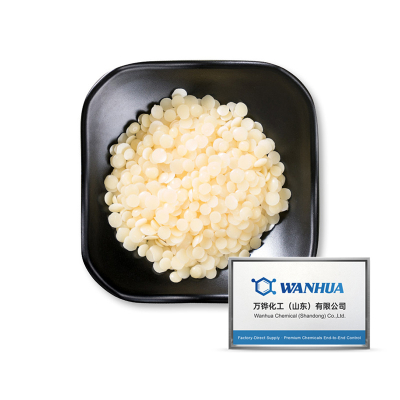
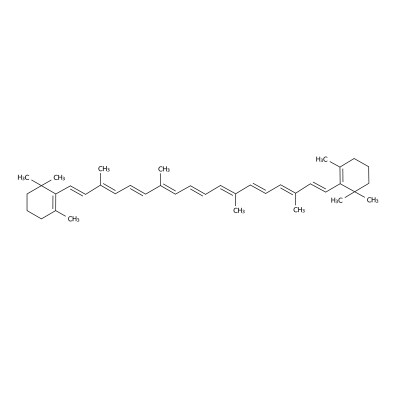
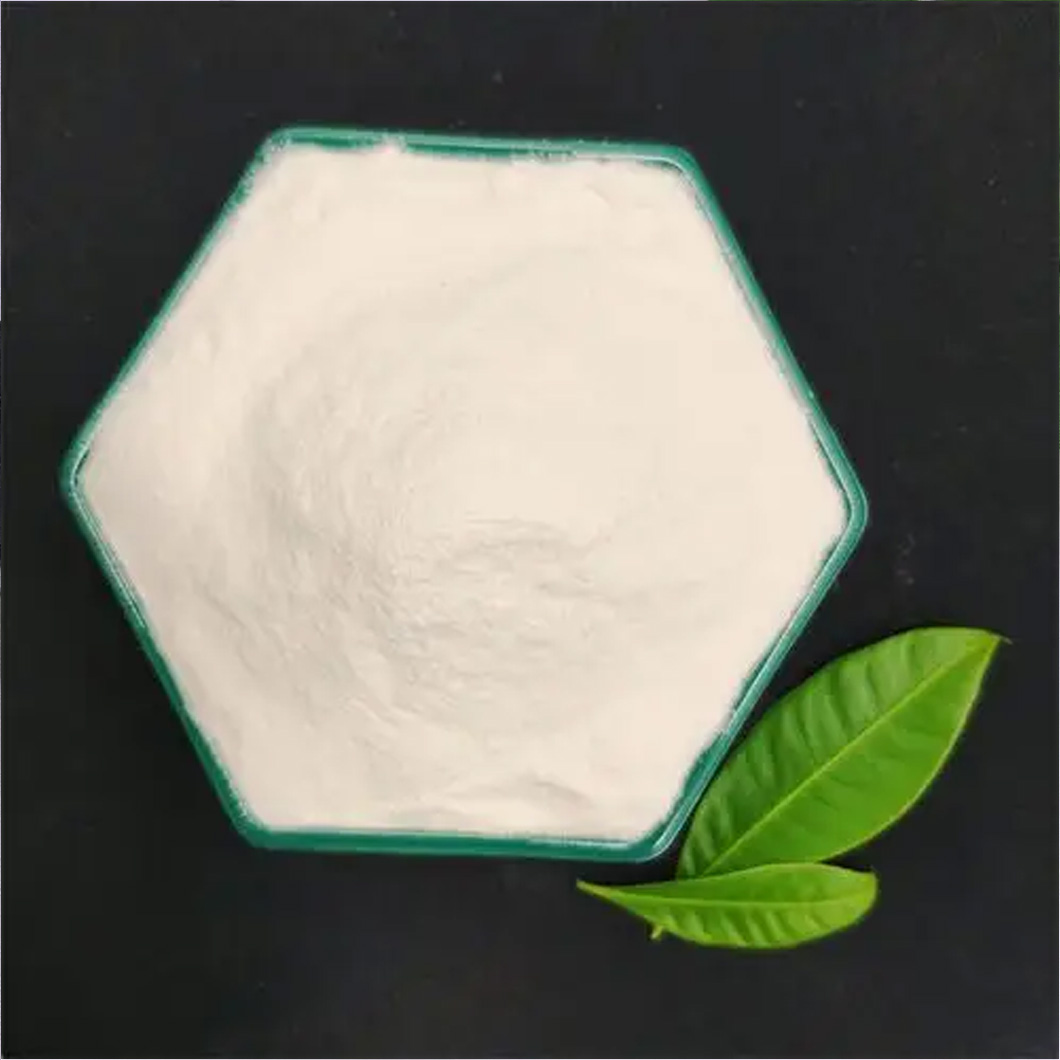
2-Ethyl-3-hydroxy-6-methylpyridine appears as a white to off-white crystalline powder with a melting point of 88–92°C. It is soluble in water, ethanol, and many other organic solvents. The compound has a noticeable odor and is sensitive to light exposure. Its structure contains a pyridine ring substituted with ethyl, hydroxyl, and methyl groups.
It also exhibits several useful physical and chemical characteristics. For instance, its relatively high boiling point of 295°C makes it suitable for high-temperature reactions, while its low vapor pressure reduces evaporation loss during processing.
Uses
This compound is widely used in the production of pharmaceuticals, agrochemicals, and fragrances. It serves as a key intermediate in the synthesis of pyridine-based drugs such as nifurtimox and benznidazole, which are used in the treatment of Chagas disease. In addition, it is applied in the manufacture of herbicides, insecticides, and fungicides.
Beyond chemical synthesis, it is also used in the food industry as a flavoring agent, offering a sweet caramel-like note for baked goods, candies, and beverages. It also finds application in perfumes and cosmetic fragrances.
Synthesis
2-Ethyl-3-hydroxy-6-methylpyridine can be prepared through several synthetic routes. One common method involves the reaction of 2,6-lutidine with ethyl vinyl ether in the presence of catalysts such as p-toluenesulfonic acid, producing 2-ethyl-6-methyl-3-vinylpyridine, which is then hydrogenated to yield the target compound.
Another route uses 2,6-lutidine and ethylene oxide with an acid catalyst such as sulfuric acid. This produces 2-ethyl-6-methyl-3-hydroxypyridine, which is subsequently dehydrated to form 2-ethyl-3-hydroxy-6-methylpyridine.
Conclusion
2-Ethyl-3-hydroxy-6-methylpyridine is a versatile and valuable chemical intermediate with wide applications in pharmaceuticals, agrochemicals, food additives, and fragrances. Its unique physicochemical properties and multiple synthesis methods make it highly suitable for industrial use and an important compound in modern chemical manufacturing.