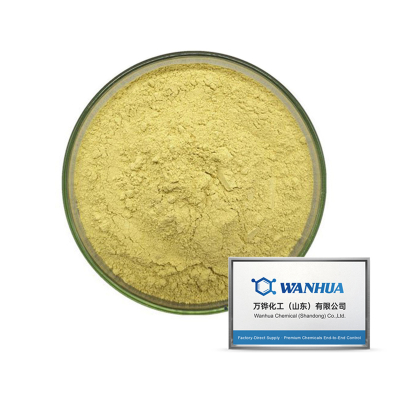
What is 3-Amino-pyridine-2-carboxylic acid amide CAS 50608-99-6
3-Amino-pyridine-2-carboxylic acid amide (CAS 50608-99-6), also known as 2-carbamoyl-3-aminopyridine, is an important chemical intermediate widely used in pharmaceutical and agrochemical synthesis.
3-Amino-pyridine-2-carboxylic acid amide Introduction
3-Amino-pyridine-2-carboxylic acid amide, also known as 2-carbamoyl-3-aminopyridine, is an important chemical intermediate widely used in the synthesis of pharmaceuticals and agrochemicals. Its chemical formula is C6H7N3O2, and its CAS number is 50608-99-6. This article outlines its properties, synthesis route, and applications.
Properties and Synthesis
3-Amino-pyridine-2-carboxylic acid amide appears as a white to off-white crystalline powder with a melting point of 238–240°C. It is soluble in water, methanol, and ethanol.
It is typically synthesized via the reaction of 2-chloro-3-nitropyridine with ammonia, followed by reduction using hydrogen gas or reducing agents such as iron powder or sodium borohydride. The reaction yield is generally around 60–70%.
Applications
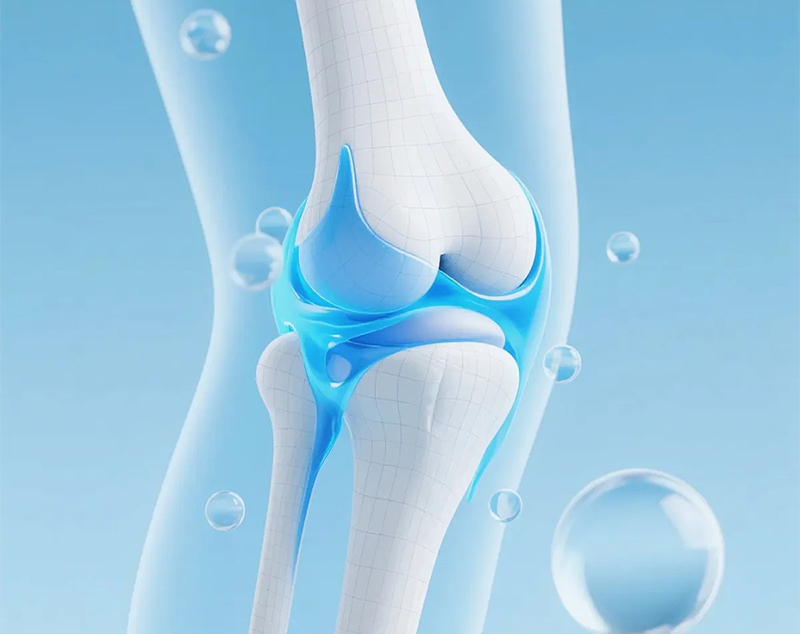
3-Amino-pyridine-2-carboxylic acid amide serves as a versatile intermediate in the production of pharmaceuticals and agrochemicals. A key application is in the synthesis of the anti-inflammatory drug meloxicam, a nonsteroidal anti-inflammatory drug (NSAID) used for the treatment of pain and inflammation associated with osteoarthritis and rheumatoid arthritis. It is also used in the synthesis of fungicides, herbicides, and insecticides.
Conclusion
3-Amino-pyridine-2-carboxylic acid amide is a valuable chemical intermediate with wide applications in pharmaceutical and agrochemical synthesis. Its well-defined properties, reliable synthesis pathway, and broad applicability, including its role in meloxicam production, make it an important compound in modern chemical industry.