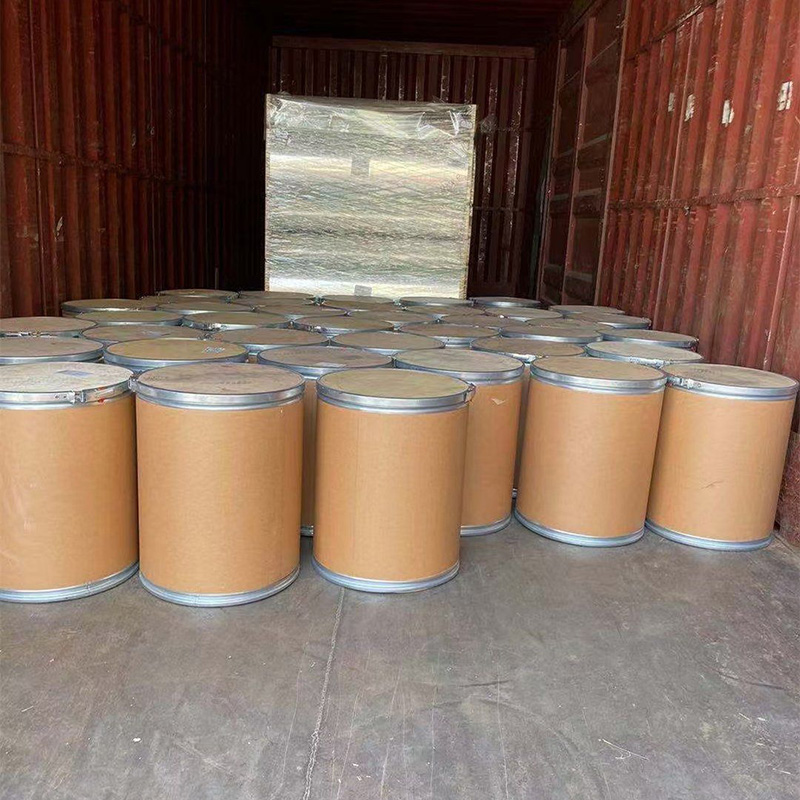
Diantimony trioxide CAS#1309-64-4
Excellent Thermal Stability:With a high melting point of 655 °C and a boiling point of 1550 °C, antimony trioxide maintains stable performance under high-temperature conditions.
Versatile Chemical Reactivity:It is soluble in various acids and alkaline solutions, making it suitable for use as a catalyst, mordant, and intermediate in the synthesis of antimony salts.
Effective Flame Retardant Performance:Antimony trioxide is widely used as a synergistic flame retardant, enhancing fire resistance in plastics, rubber, and other materials.
Wide Industrial Applicability:It is commonly applied as a pigment, flame retardant, catalyst, and auxiliary material across chemical, coating, and materials industries.
Products Description of Diantimony Trioxide CAS#1309-64-4
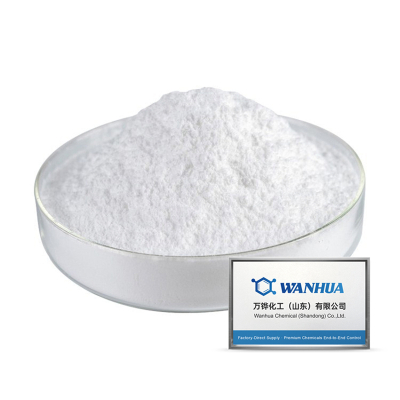
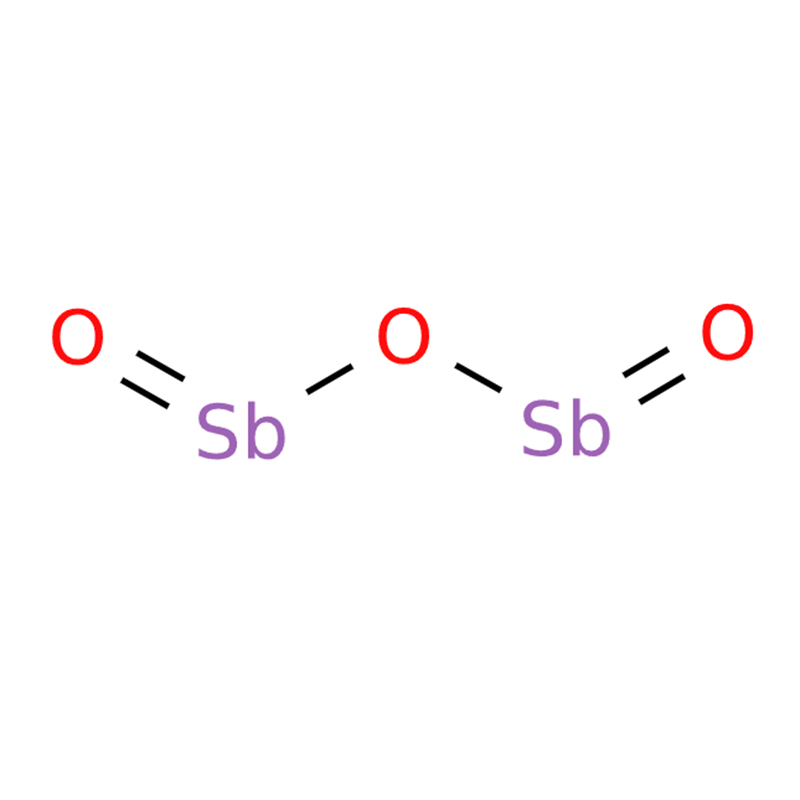
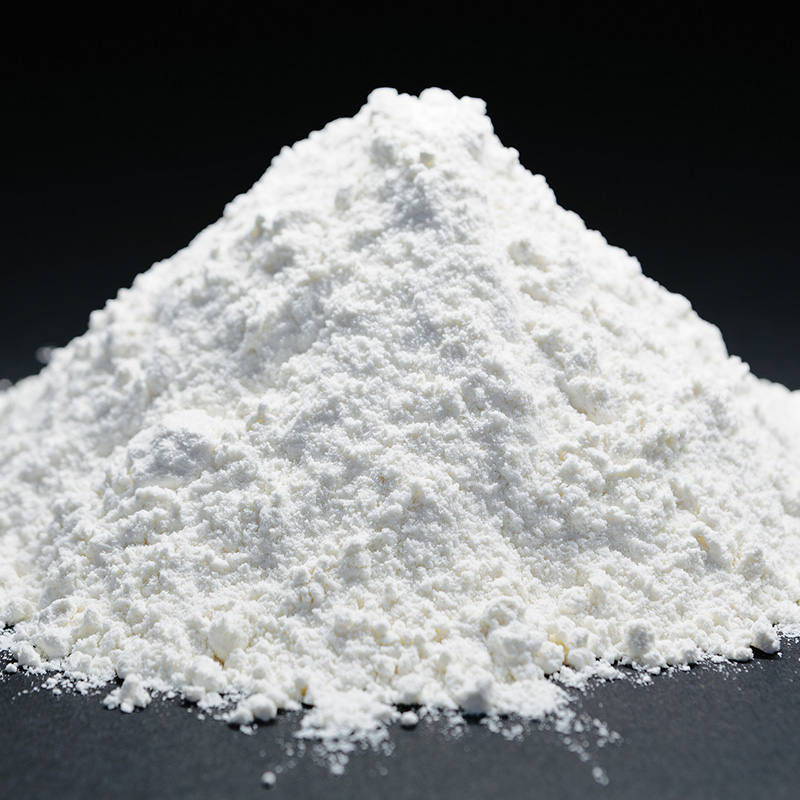
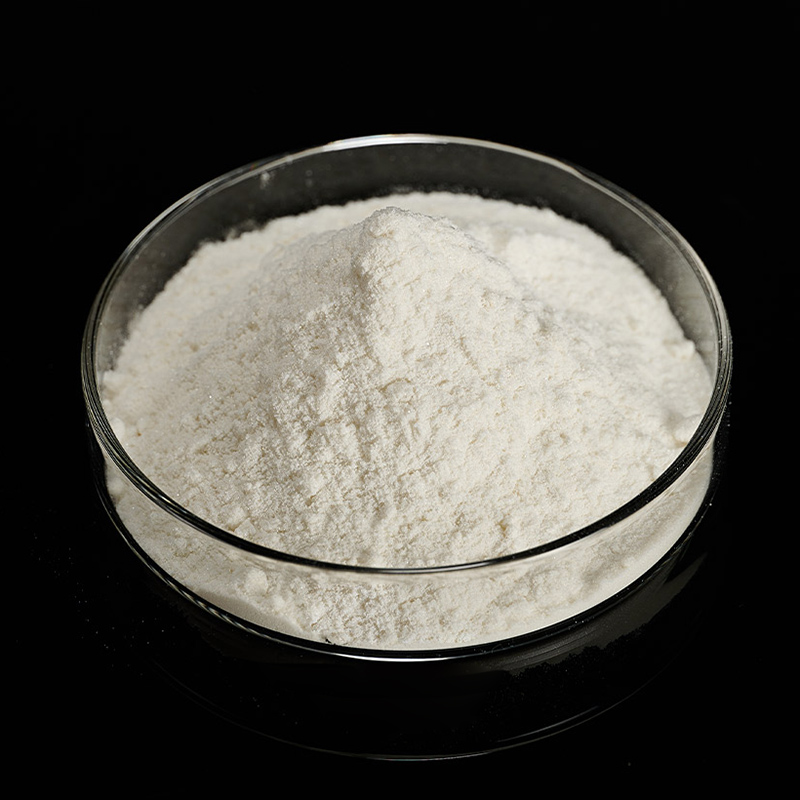
Antimony trioxide is an inorganic compound with the molecular formula Sb₂O₃. The naturally occurring form is known as antimony white and is commonly referred to by the same name. It appears as a white crystalline powder, with a melting point of 655 °C and a boiling point of 1550 °C. The compound is soluble in concentrated hydrochloric acid, sulfuric acid, alkaline solutions, and hot tartaric acid solutions, while being only slightly soluble in water, dilute nitric acid, and dilute sulfuric acid. It is mainly used as a pigment, flame retardant, mordant, and catalyst, and also serves as a raw material for the synthesis of antimony salts.
On October 27, 2017, the International Agency for Research on Cancer (IARC) of the World Health Organization released a reference list of carcinogens, in which antimony trioxide was classified as a Group 2B carcinogen.
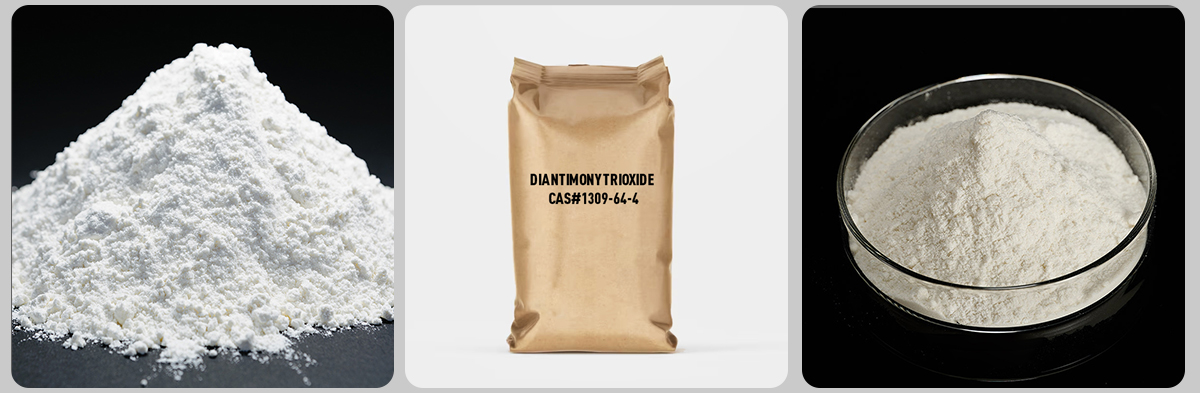
Diantimony trioxide Chemical Properties
| Melting point | 655 °C (lit.) |
| Boiling point | 1550 °C (lit.) |
| Density | 5.2 |
| Vapor pressure | 13.3 hPa (660 °C) |
| Fp | 1550°C subl. |
| Storage temp | Store below +30°C. |
| Solubility | 2.70mg/l |
| Form | powder |
| Color | White |
| Specific Gravity | 5.67 |
| Odor | Wh. cubic or orthorhombic cryst., odorless |
| Water Solubility | Slightly soluble. <0.1 g/100 mL at 20 ºC |
| Merck | 14,711 |
| Exposure limits | ACGIH: TWA 0.5 mg/m3 |
| NIOSH: IDLH 50 mg/m3; TWA 0.5 mg/m3 | |
| Stability | Stable. |
| InChIKey | MUBFITUCTVFSOJ-UHFFFAOYSA-L |
| CAS DataBase Reference | 1309-64-4(CAS DataBase Reference) |
| NIST Chemistry Reference | Antimony trioxide(1309-64-4) |
| IARC | 2B (Vol. 47) 1989 |
| EPA Substance Registry System | Antimony trioxide (1309-64-4) |
Safety Information
| Hazard Codes | Xn,Xi,T |
| Risk Statements | 40-61 |
| Safety Statements | 22-36/37-45-53 |
| RIDADR | 1549 |
| WGK Germany | 2 |
| RTECS | CC5650000 |
| Hazard Note | Irritant |
| TSCA | Yes |
| HazardClass | 6.1 |
| PackingGroup | III |
| HS Code | 28258000 |
| Hazardous Substances Data | 1309-64-4(Hazardous Substances Data) |
| Toxicity | LD50 orally in rats: >20 g/kg (Smyth) |

Product Application of Diantimony Trioxide CAS#1309-64-4
Diantimony trioxide is an excellent inorganic white pigment, primarily used for coloring paints. It serves as a flame retardant for a wide range of materials, including resins, synthetic rubber, canvas, paper, and coatings, and is also used as a catalyst in petrochemical processes and synthetic fiber production. In addition, it is applied in the manufacture of mordants and opacifiers and acts as a key raw material for the synthesis of antimony salts.
In the enamel industry, diantimony trioxide is added to improve the opacity and surface gloss of enamel products. In the glass industry, it functions as a decolorizing agent, replacing arsenous acid. Furthermore, it is utilized in fields such as medicine, metallurgy, and the military industry.