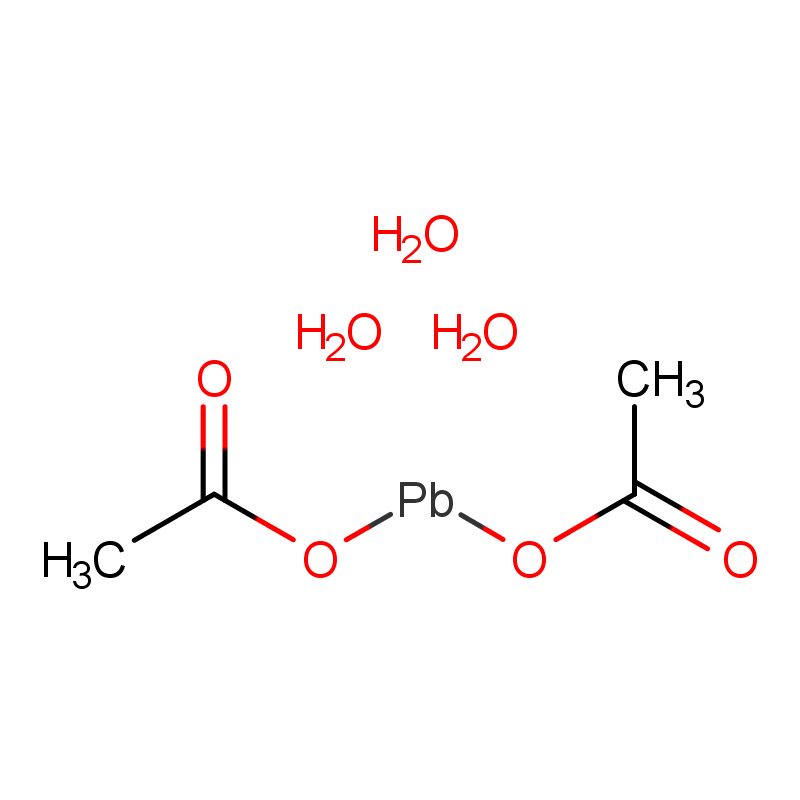

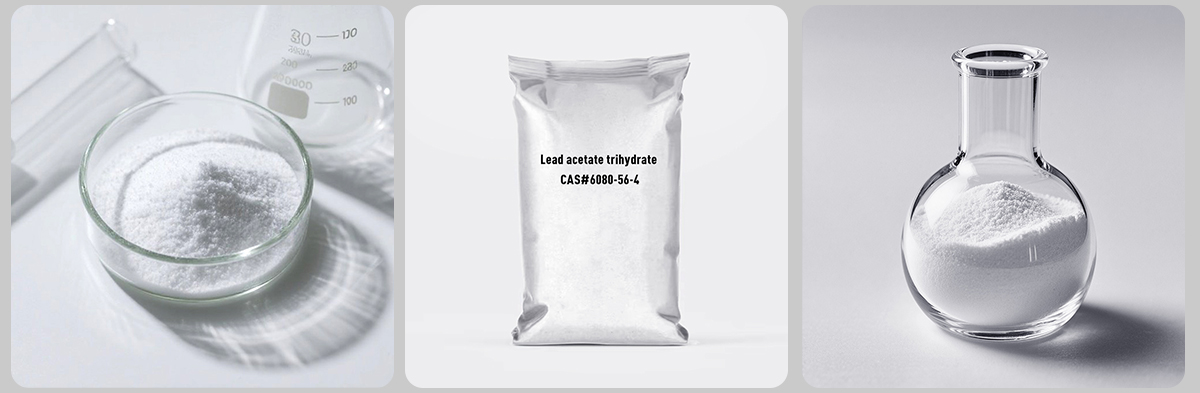
Lead acetate trihydrate CAS#6080-56-4
Excellent Solubility and Reactivity: 0Lead acetate trihydrate is easily soluble in water, allowing for efficient reaction performance and convenient use in chemical synthesis and industrial processes.
Versatile Industrial Applications: It serves as a key raw material for producing various lead salts, pigments, dyes, catalysts, and lead plating solutions, making it highly valuable across multiple industries.
Wide Functional Use: The product is widely applied in the manufacture of polyester catalysts, waterproof coatings, desiccants, pesticides, and pharmaceutical products, demonstrating strong functional adaptability.
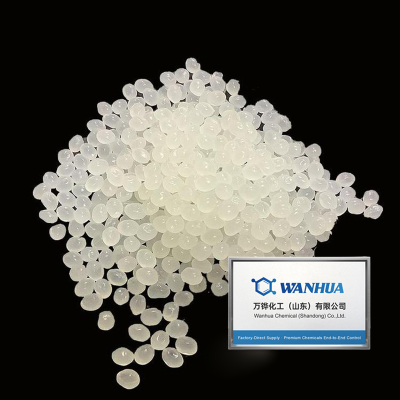
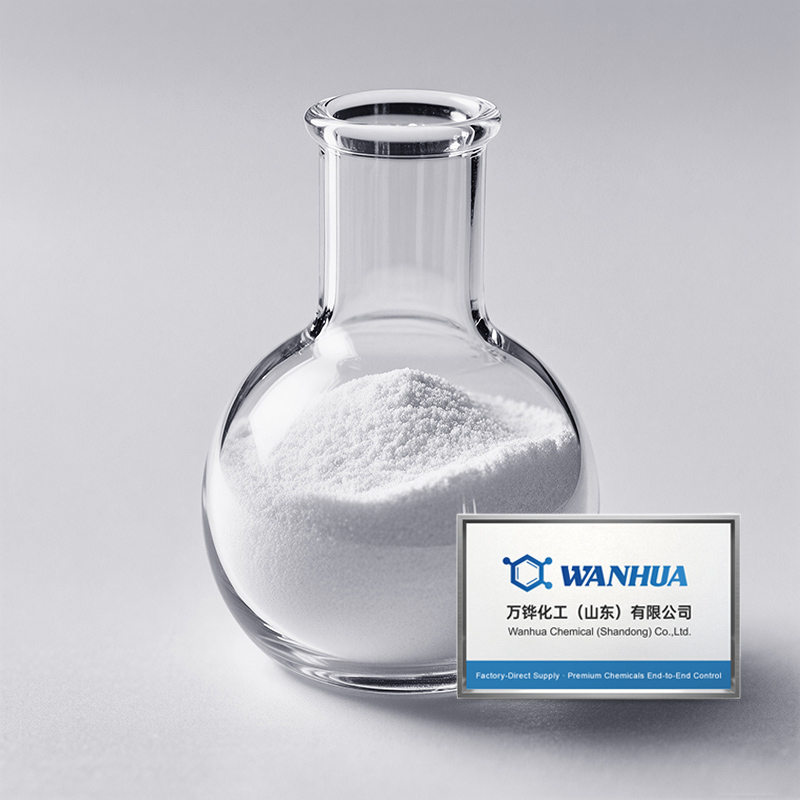
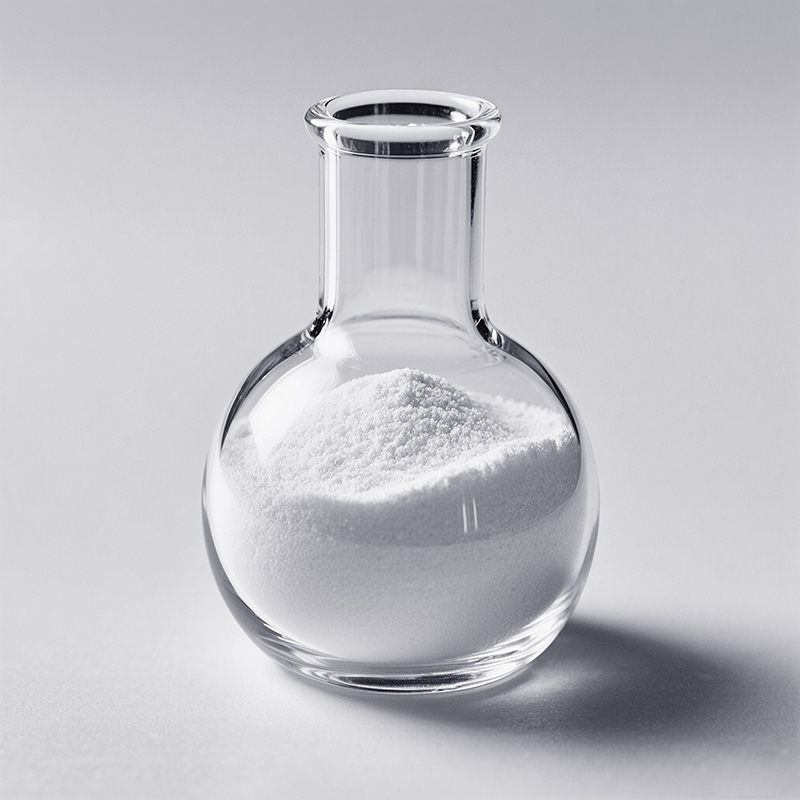
Stable Physical Form for Processing: Available as colorless crystals, white granules, or powder, it offers flexibility in handling, storage, and formulation for different production requirements.
Lead acetate trihydrate Chemical Properties
| Melting point | 75 °C (dec.)(lit.) |
| Boiling point | 280°C |
| density | 2,55 g/cm3 |
| storage temp. | 2-8°C |
| solubility | 443g/l |
| form | Solid |
| color | White or colorless, efflorescent |
| Specific Gravity | 2.55 |
| PH | 5.5-6.5 (50g/l, H2O, 20℃) |
| Water Solubility | 625 g/L |
| Hydrolytic Sensitivity | 0: forms stable aqueous solutions |
| Merck | 145397 |
| BRN | 3730298 |
| Exposure limits | NIOSH: IDLH 100 mg/m3; TWA 0.050 mg/m3 |
| InChIKey | DYRQFRHCGBQJII-UHFFFAOYSA-M |
| CAS DataBase Reference | 6080-56-4(CAS DataBase Reference) |
| EPA Substance Registry System | Lead(II) acetate trihydrate (6080-56-4) |
Safety Information
| Hazard Codes | T,N |
| Risk Statements | 61-33-48/22-50/53-62 |
| Safety Statements | 53-45-60-61 |
| RIDADR | UN 1616 6.1/PG 3 |
| WGK Germany | 2 |
| RTECS | OF8050000 |
| TSCA | Yes |
| HazardClass | 6.1 |
| PackingGroup | III |
| HS Code | 29152900 |
| Toxicity | LD50 orally in Rabbit: 4665 mg/kg |

Product Applications of Lead Acetate Trihydrate (CAS No. 6080-56-4)
This product is commonly used in the production of various lead salts, antifouling coatings, water treatment and protection agents, pigment extenders, coating desiccants, fiber dyes, and as a solvent in heavy-metal cyanidation processes. It is widely applied across multiple industrial sectors, including pharmaceuticals, agrochemicals, dyes, and coating manufacturing. In addition, it serves as an analytical reagent for the quantitative determination of chromium trioxide and molybdenum trioxide in chemical analysis.