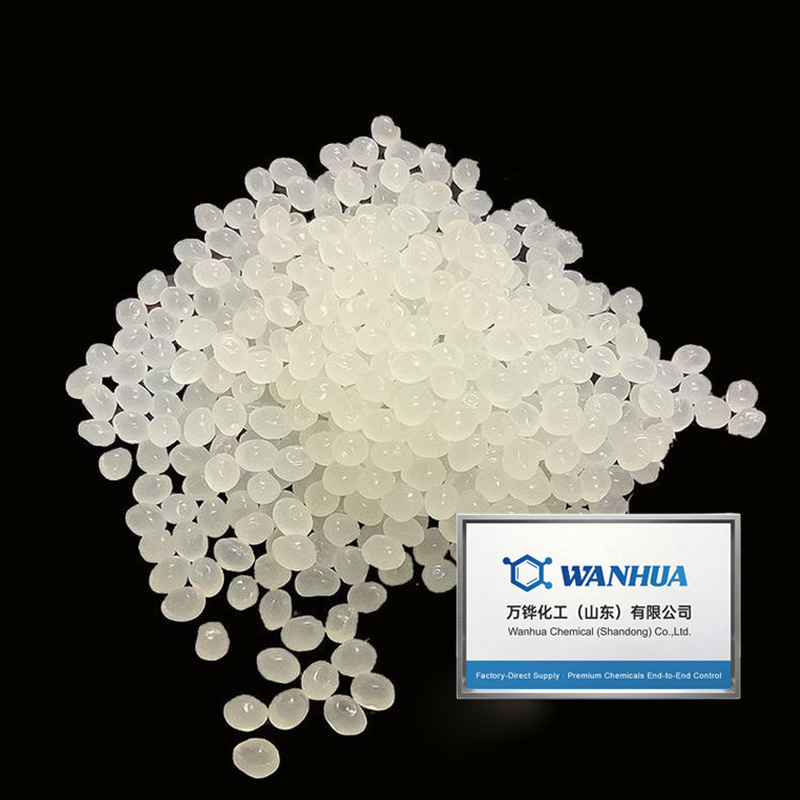
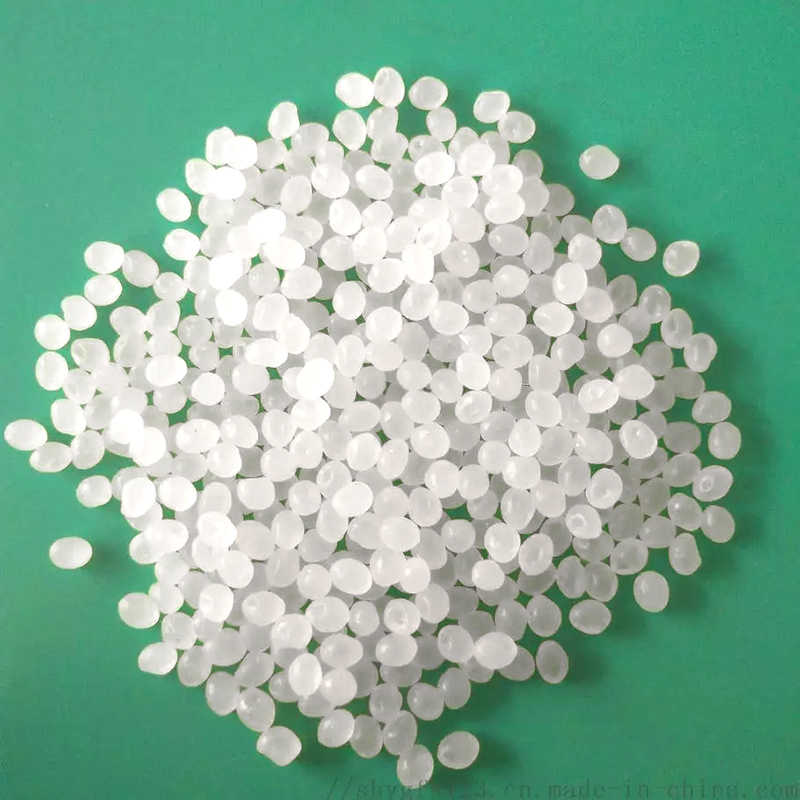
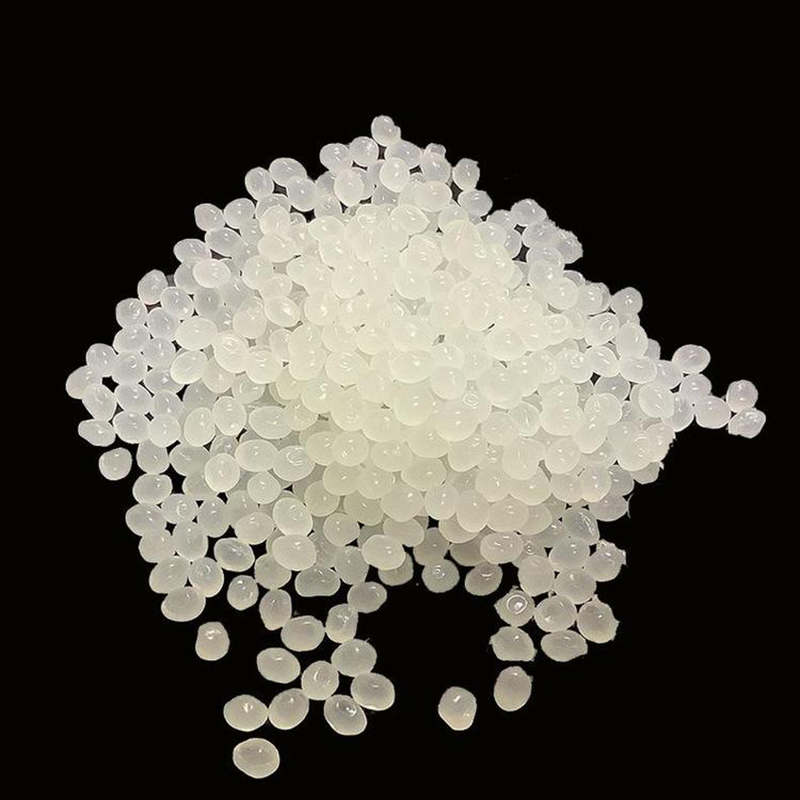
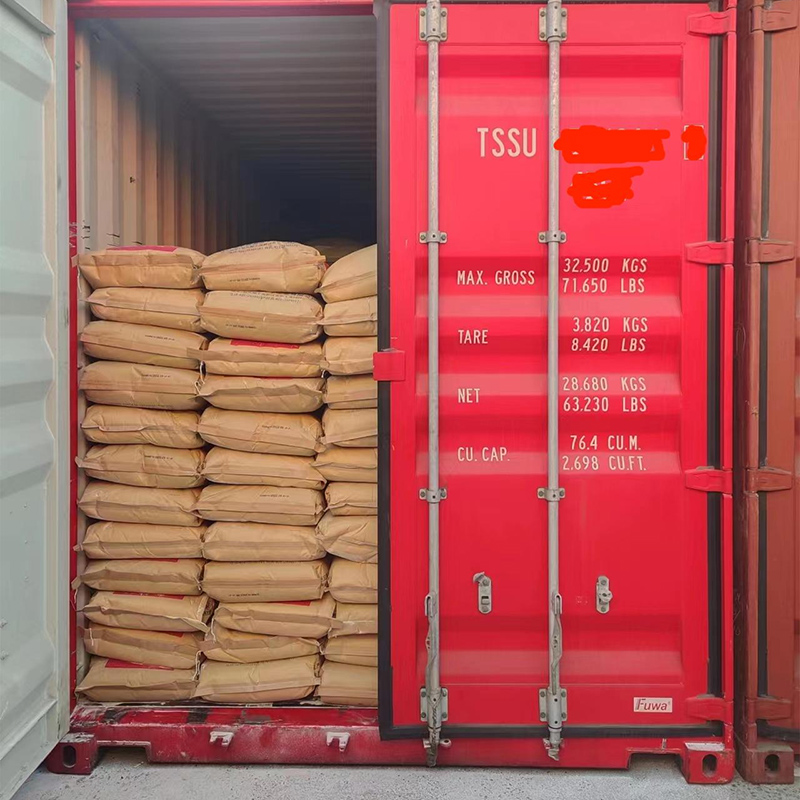
PLA CAS# 26100-51-6
Bio-Based and Renewable: Made from plant-derived starch sources such as corn and cassava, PLA is a sustainable and environmentally friendly material.
Biodegradable and Eco-Friendly: PLA can naturally degrade, reducing environmental impact compared with conventional petroleum-based plastics.
Excellent Functional Performance: PLA fibers offer good breathability, moisture absorption, sweat-wicking ability, and are easy to shape and dye.
Versatile and High Value Applications: Suitable for cosmetics, chemicals, coatings, ceramics, and textiles, with added benefits such as antibacterial and UV-resistant properties and compatibility with silk blending.
Polylactic acid (PLA) is a novel bio-based and renewable biodegradable material made from starch derived from renewable plant resources such as corn and cassava.
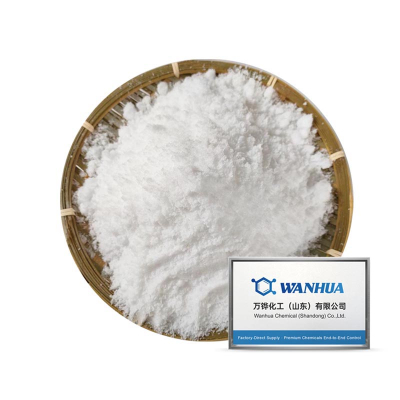
PLA powder is a specialized product used in cosmetics, chemicals, coatings, ceramics, and other fields. PLA fibers possess excellent breathability and sweat-wicking properties, are easy to shape and color, and exhibit antibacterial and UV-resistant characteristics. They can also be blended with silk.
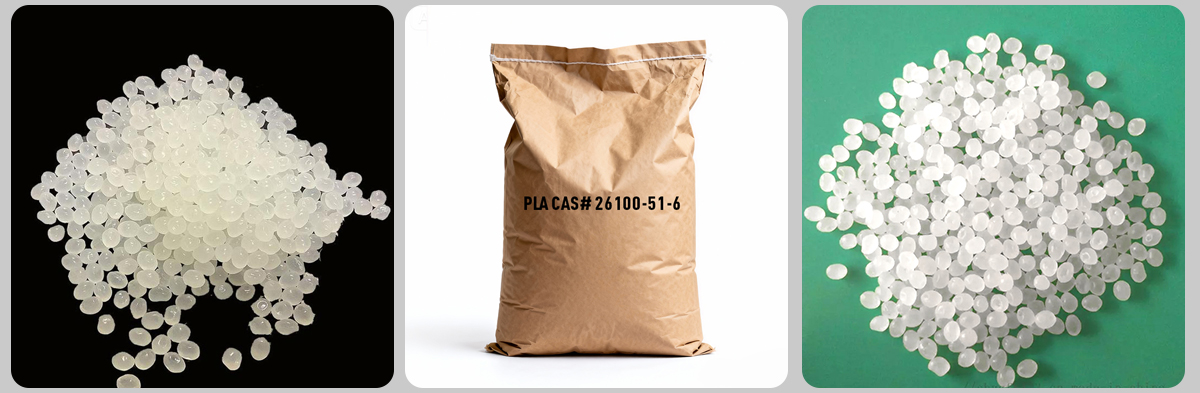
| English Name | Propanoic acid, 2-hydroxy-, homopolymer |
| English Synonyms | Poly(L-lactide), propargyl terminated;propargyl PLLA;10 k PLLA-ATRP;PDLA;ATRP Macromonomer;ATRP ter minated PLLA;Poly(L-lactide), 2-bromoisobutyryl terminated;Poly(L-lactide) average Mn 10,000, PDI <=1.1 |
| CAS Number | 26100-51-6 |
| Molecular Formula | (СЗН60З)x |
| Molecular Weight | 90.07794 |
| EINECS Number | 201-245-8 |
| Melting point | 176℃ |
| Density | 1.25-1.28 g/cm3 |
| Refractive index | 1.4589 |
| Storage conditions | 2-8℃ |
| Form | Powder |
| Color | Black |
| Optical rotation | [a]22/D -145°, c = 0.1% in chloroform |
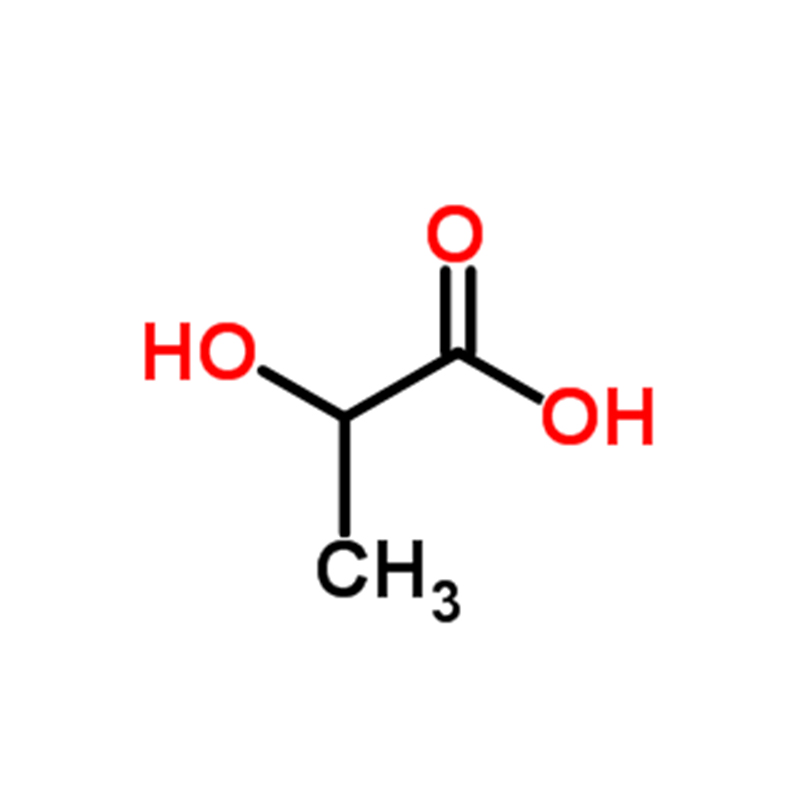
| InChI | InChI=1S/C3H6O3/c1-2(4)3(5)6/h2,4H,1H3,(H,5,6) |
| InChIKey | JVTAAEKCZFNVCJ-UHFFFAOYSA-N |
| Smiles | C(O)(=O)C(O)C |
Applications
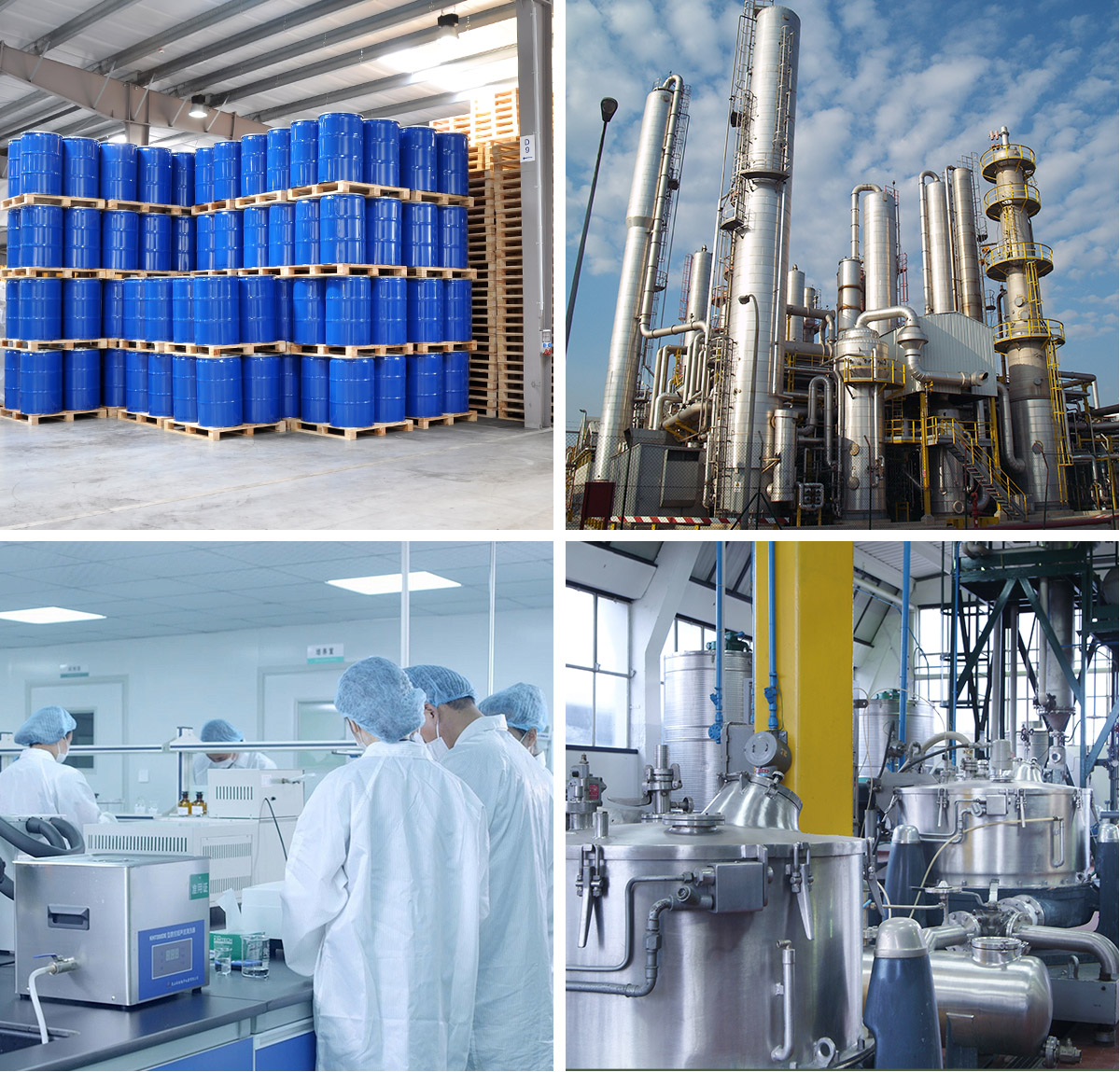
PLA is produced from agricultural crops such as corn and cassava through microbial fermentation and extraction to obtain lactic acid. This is followed by refining, dehydration, oligomerization, high-temperature pyrolysis, and polymerization. PLA exhibits excellent biodegradability; it can be completely degraded by soil microorganisms within one year of disposal, producing CO2 and water without causing environmental pollution. PLA itself belongs to the aliphatic polyester family and has the basic characteristics of general polymer materials. It has good machinability, low shrinkage, and can be used for most synthetic plastics. It is widely used in the production of packaging materials, disposable tableware, appliance casings, fibers, 3D consumables, etc.