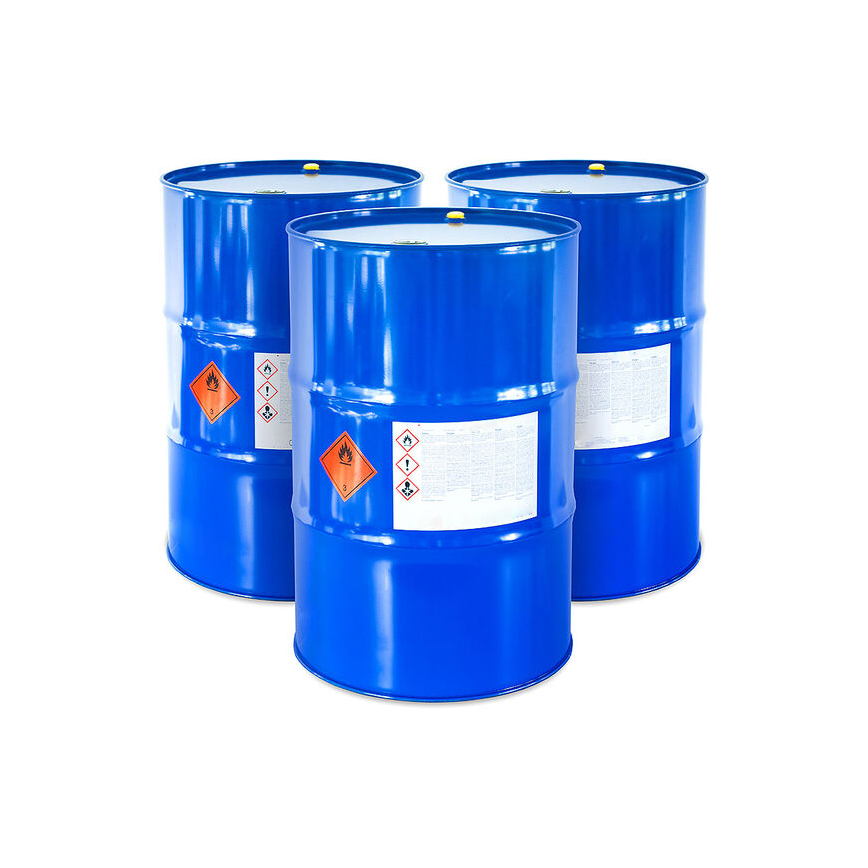
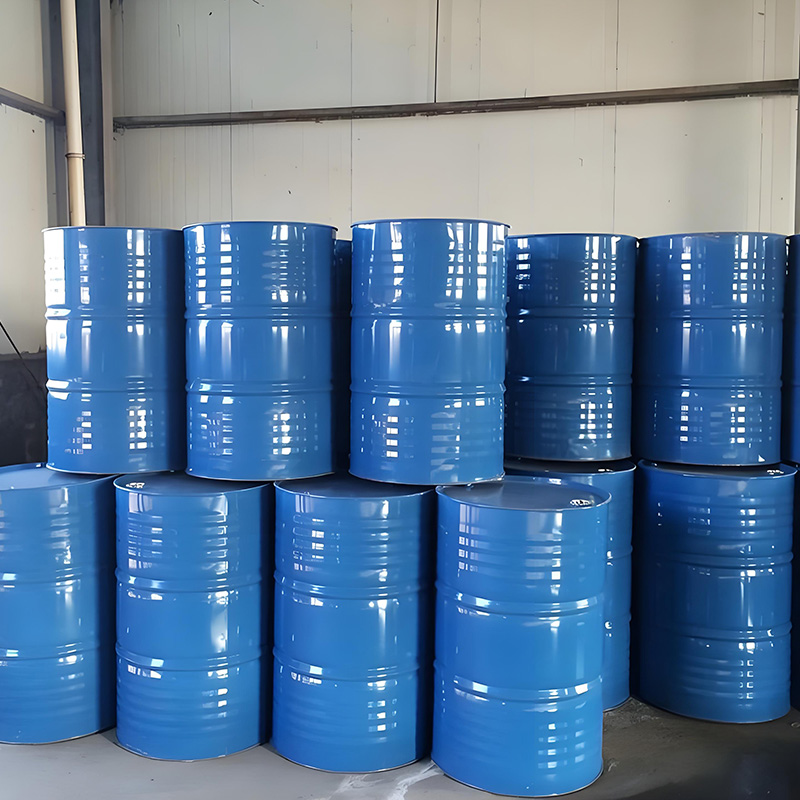
Polypropylene Glycol CAS#25322-69-4
Excellent Physical and Chemical Properties – Offers reliable performance across various applications due to its stable characteristics.
Non-Volatile and Non-Corrosive – Ensures safe handling and long-term stability in different industrial environments.
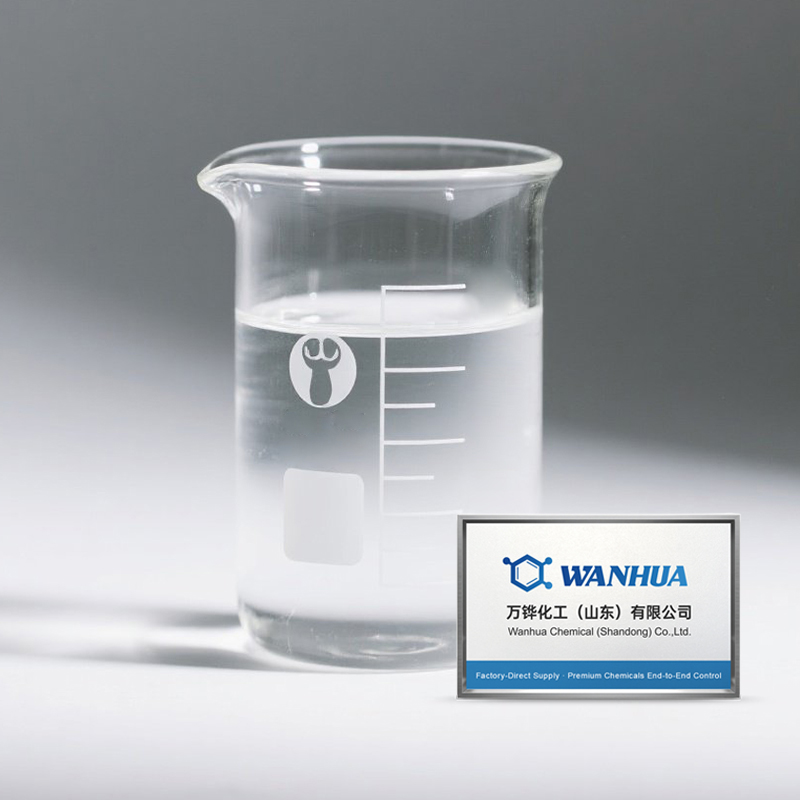
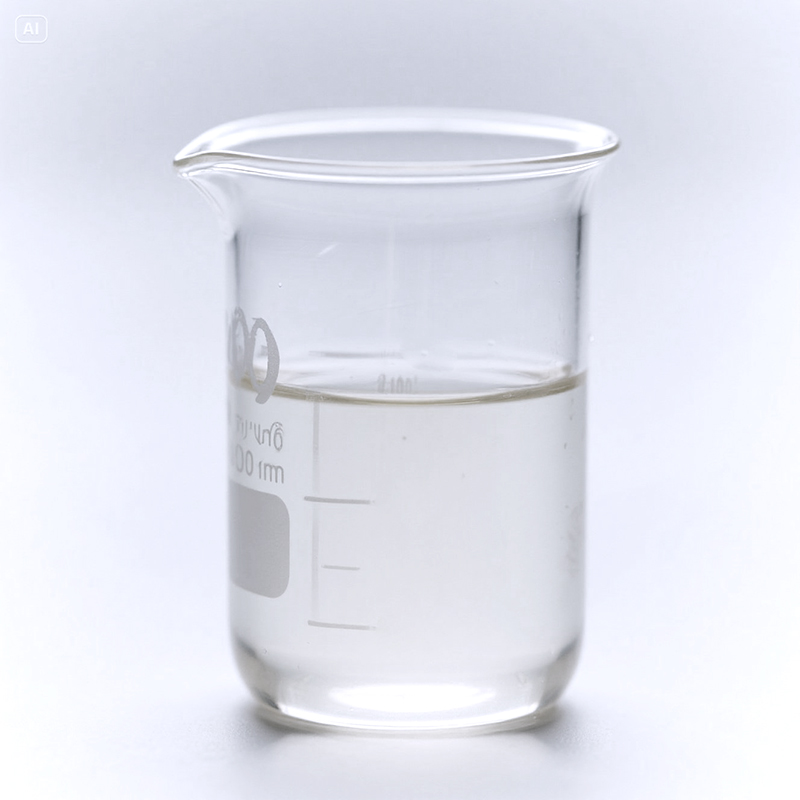
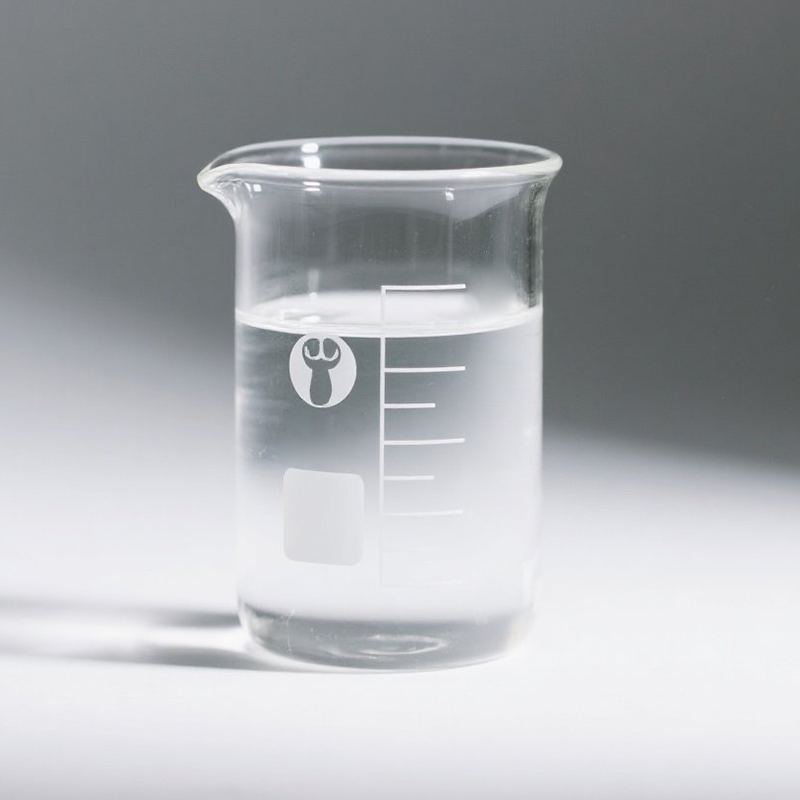
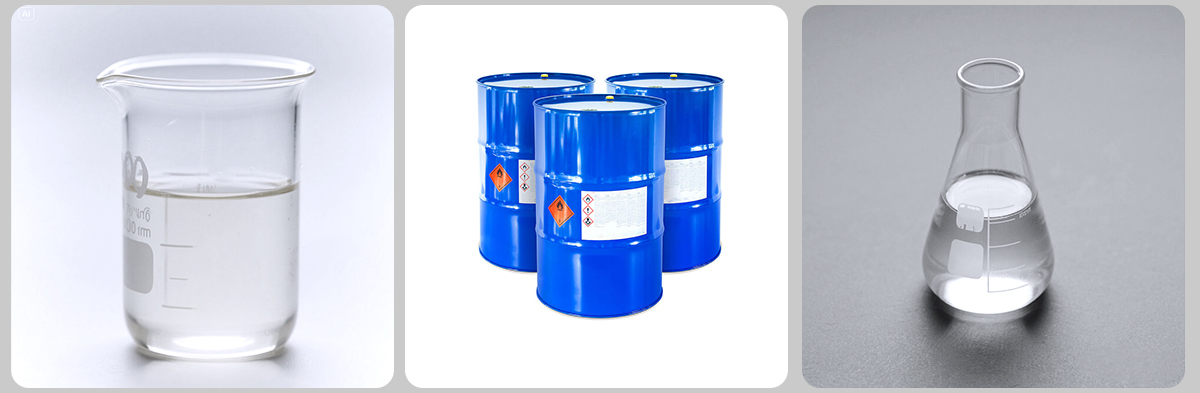
Versatile Appearance – Typically a colorless to pale yellow transparent viscous liquid, suitable for a wide range of formulations.
Wide Industrial Applicability – Can be used in multiple industries, reflecting its multifunctional and adaptable nature.
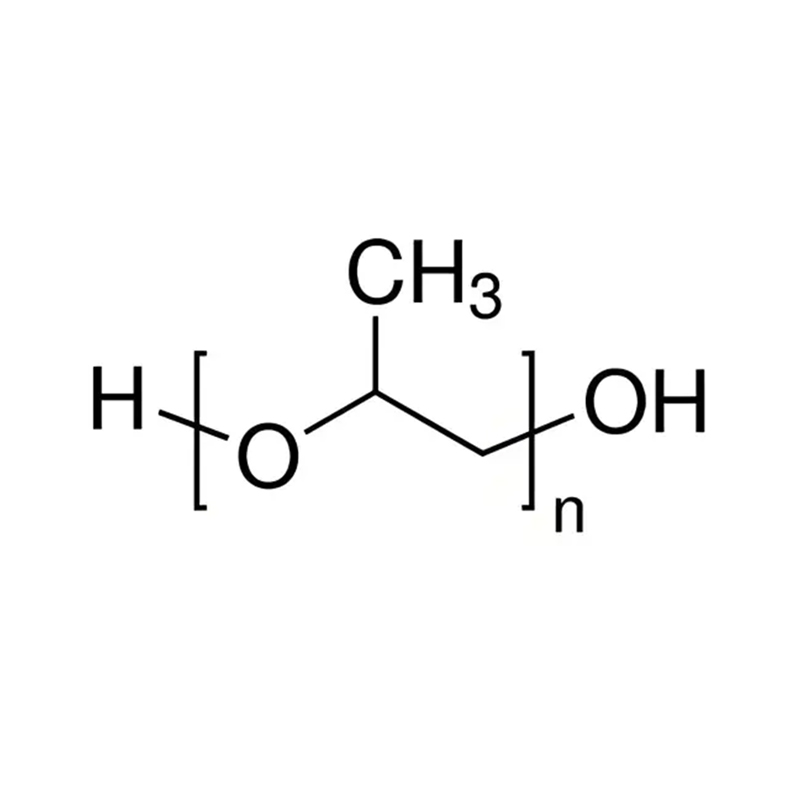
Polypropylene Glycol (PPG) is a polyether polymer known for its excellent physical and chemical properties, making it widely applicable across various industries. It typically appears as a colorless to pale yellow transparent viscous liquid, and is non-volatile and non-corrosive, ensuring safe and stable use.
Polypropylene glycol Chemical Properties
Melting point | -40 °C |
Boiling point | >300 °C |
Density | 1.01 g/mL at 20 °C |
Vapor density | >1 (vs air) |
Pour Point | -26 |
Pour Point | -45 |
Vapor pressure | <0.01 mm Hg ( 20 °C) |
Refractive index | n20/D 1.451 |
Fp | 230 °C |
Storage temp | Storage temp. 2-8°C |
Solubility | H2O: <0.01 % (w/w) at 25 °C |
Form | Viscous Liquid |
Specific Gravity | 1.005 |
Color | White to light gray |
Water Solubility | PRACTICALLY INSOLUBLE |
FreezingPoint | -25 |
FreezingPoint | -40 |
Stability | Stable. Substances to be avoided include strong oxidizing agents. |
LogP | 0.01 at 25℃ |
NIST Chemistry Reference | Polypropylene glycol 425(25322-69-4) |
EPA Substance Registry System | Polypropylene glycol (25322-69-4) |
Product Usage
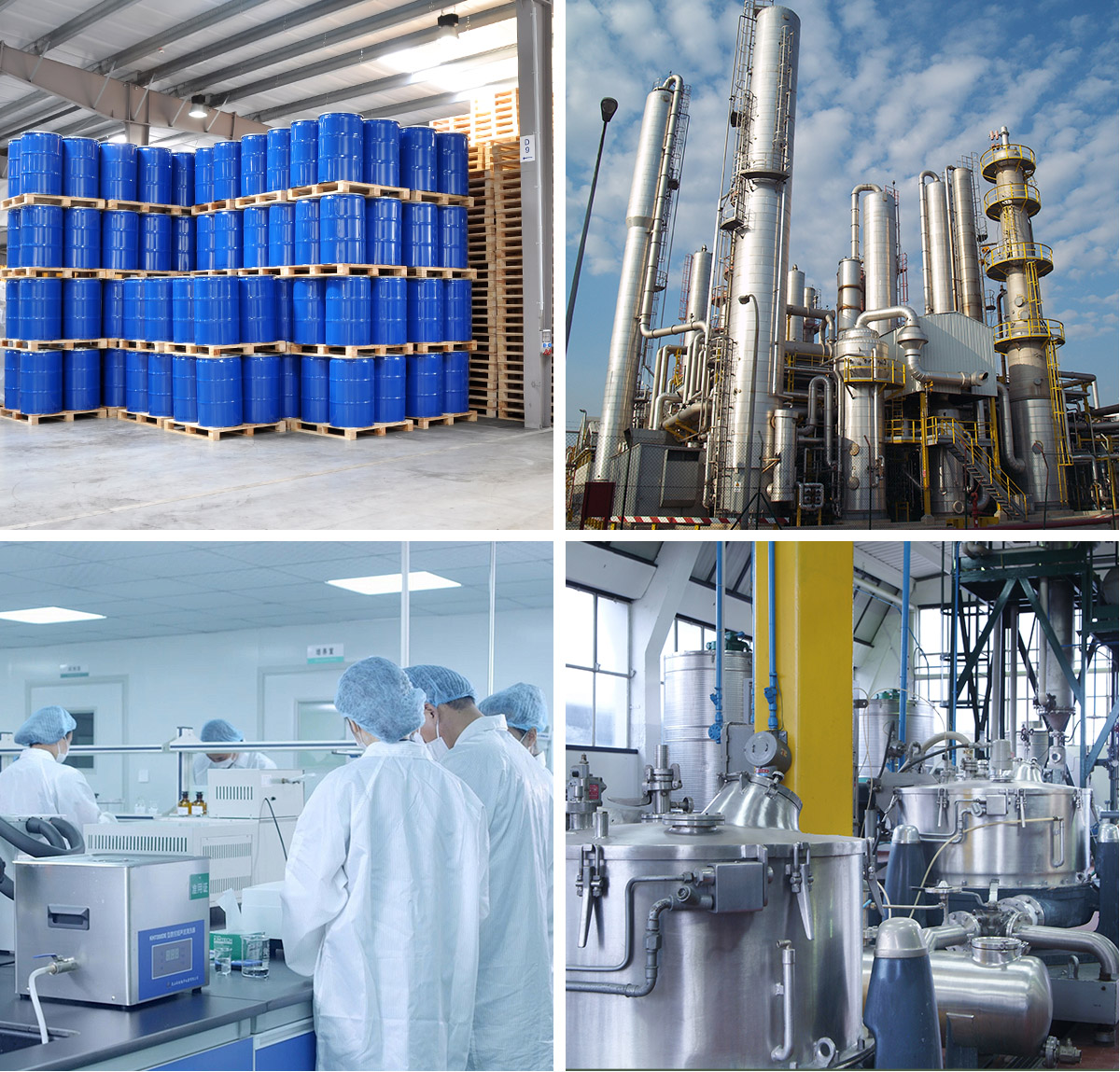
Polypropylene Glycol (PPG) is extensively utilized in industrial, food, and pharmaceutical applications thanks to its versatile properties, including lubrication, solubilization, defoaming, and skin moisturizing, which can be tailored by adjusting its molecular weight. Its excellent compatibility allows it to meet the functional demands of a wide range of applications.