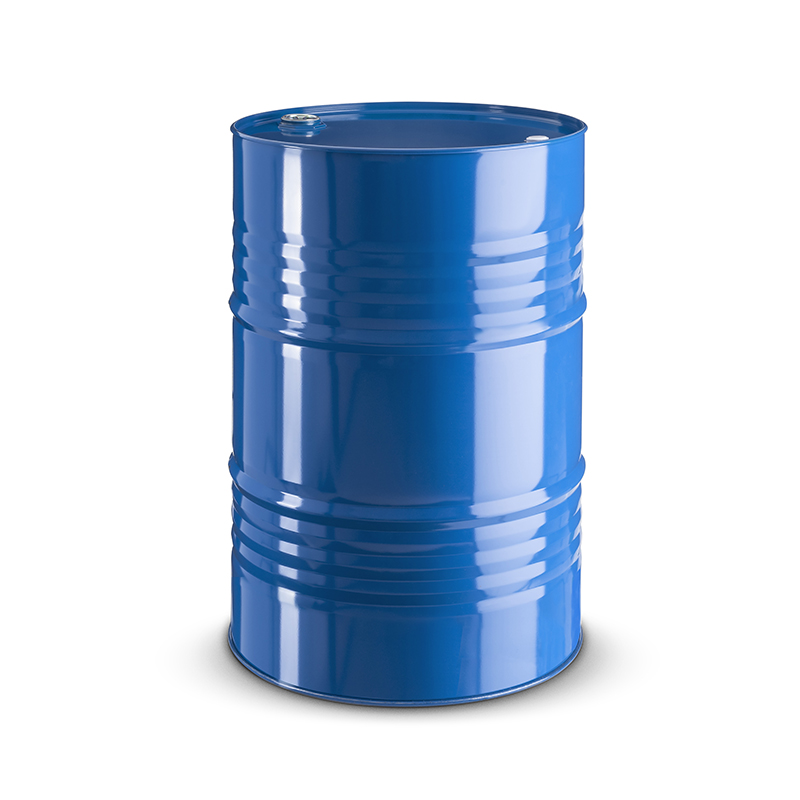
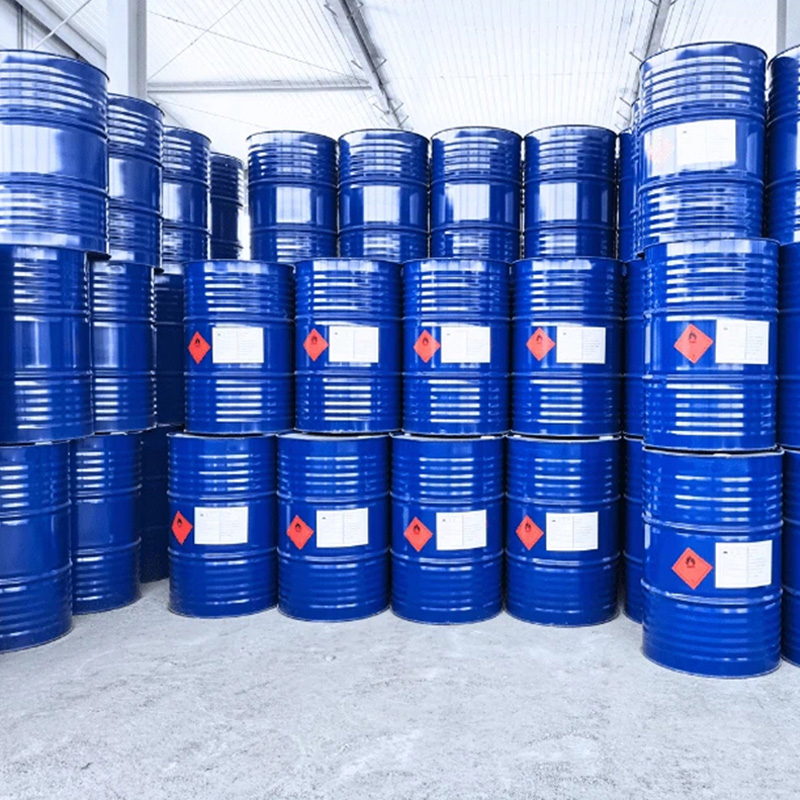
Dichloromethane CAS#75-09-2
Efficient Solvent:Dichloromethane is highly miscible with a wide range of organic solvents, making it versatile for industrial applications.
Non-Flammable:It is non-flammable, enhancing safety during handling and use in industrial processes.
Effective in Paint Stripping and Cleaning:Due to its solvent properties, dichloromethane is commonly used in paint stripping and cleaning applications.
Volatile Nature: Its volatility allows for efficient extraction processes, making it valuable in chemical industries.
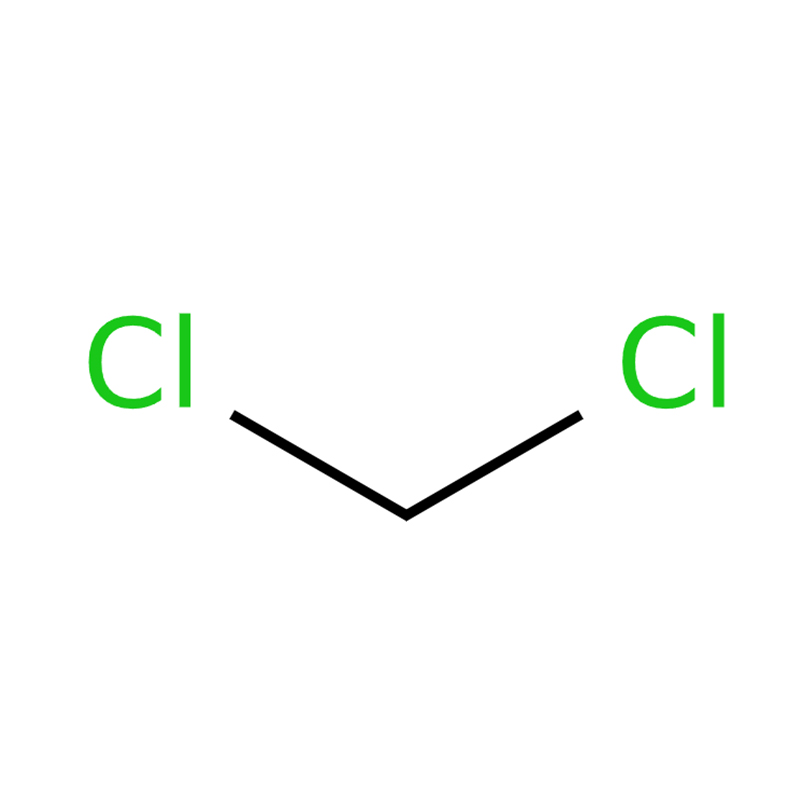
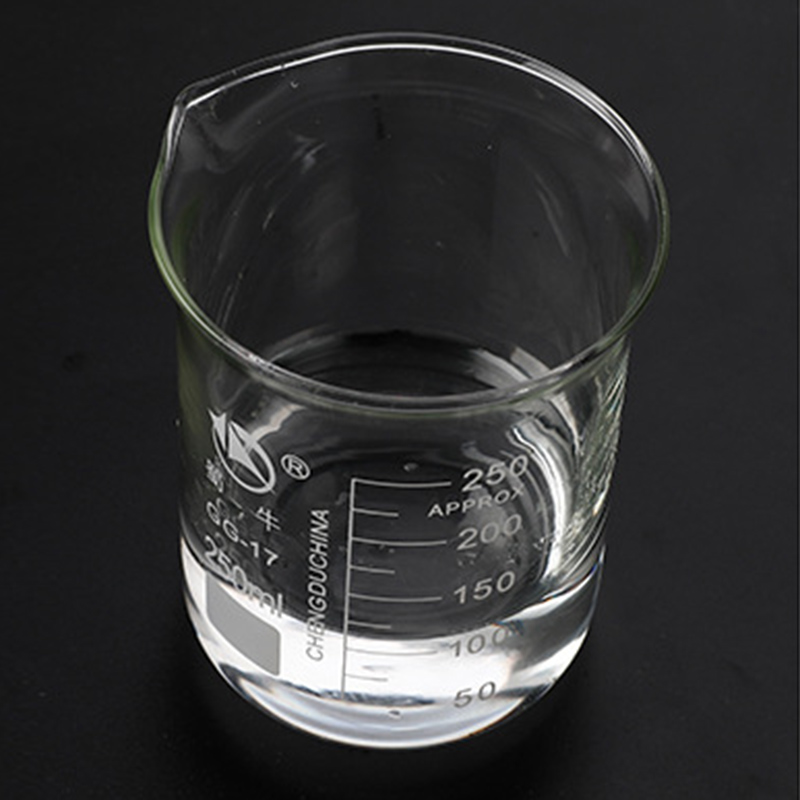
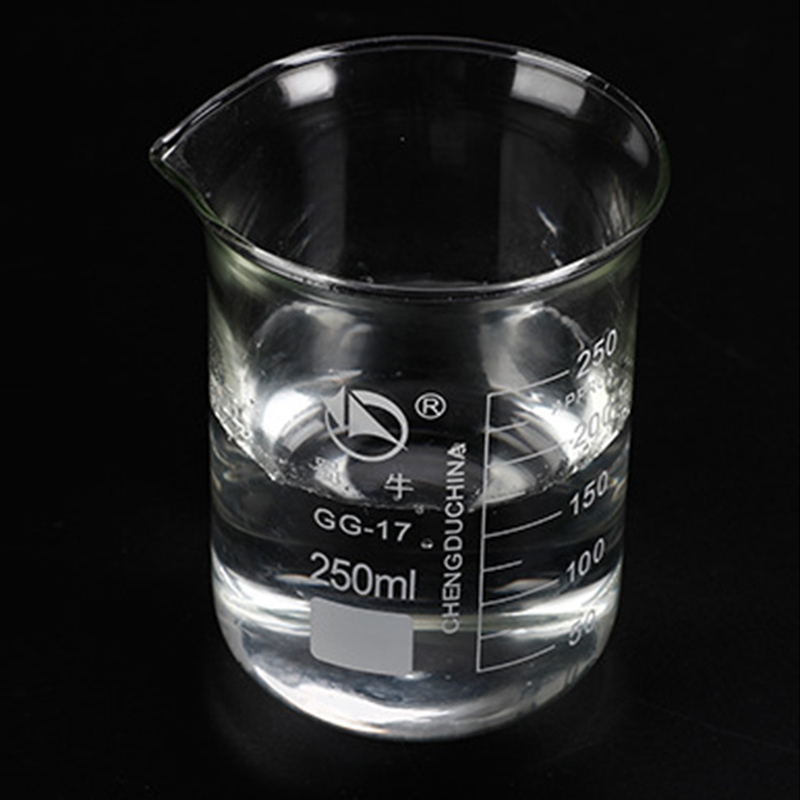
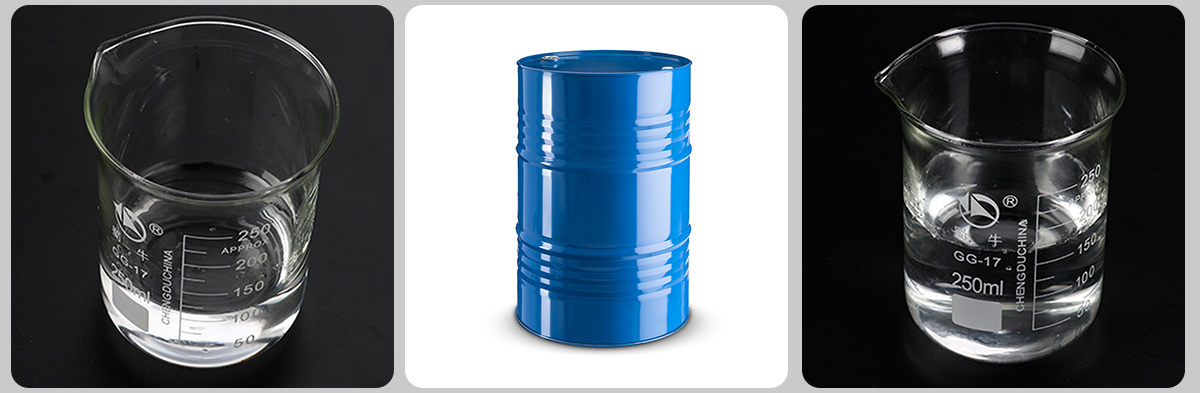
Dichloromethane, also known as methylene chloride, is a compound produced by replacing two hydrogen atoms in the methane molecule with chlorine atoms, giving it the molecular formula CH2Cl2. This chemical appears as a colorless, transparent liquid that is heavier than water and has a characteristic ether-like odor with a slight sweetness. It is non-flammable but can form explosive mixtures when exposed to high concentrations of oxygen. Dichloromethane is only slightly soluble in water but is highly miscible with a wide range of organic solvents, including chlorinated solvents, ether, ethanol, and N, N-dimethylformamide, in any proportion. Due to its volatile nature and solvent properties, it is commonly used in industrial processes like paint stripping, cleaning, and extraction.
Parameters
Melting point | -97 °C |
Boiling point | 39.8-40 °C mm Hg(lit.) |
density | 1.325 g/mL at 25 °C(lit.) |
vapor density | 2.9 (vs air) |
vapor pressure | 24.45 psi ( 55 °C) |
refractive index | n |
Fp | 39-40°C |
| storage temp | room temp |
solubility | Miscible in ethyl acetate, alcohol, hexanes, methanol, diethyl ether, n-octanol, acetone benzene, carbon tetrachloride, diethyl ether and chloroform. |
form | Liquid |
color | APHA: ≤10 |
Specific Gravity | 1.329 (20/20℃) |
Odor | Odor threshold 160 to 230 ppm |
PH | 7 (20°C) |
Odor Threshold | 160ppm |
explosive limit | 13-22%(V) |
Water Solubility | 20 g/L (20 ºC) |
λmax | λ: 235 nm Amax: 1.00 |
Merck | 14,6063 |
BRN | 1730800 |
Henry's Law Constant | 2.49 at 30 °C (headspace-GC, Sanz et al., 1997) |
Dielectric constant | 9.1(20℃) |
Exposure limits | TLV-TWA 50 ppm (~175 mg/m3) (ACGIH); carcinogenicity: Suspected Human Carcinogen (ACGIH), Animal Sufficient Evidence, Human Inadequate Evidence (IARC). |
Stability: | Volatile |
LogP | 1.250 |
Surface tension | 26.5mN/m at 20°C |
CAS DataBase Reference | 75-09-2(CAS DataBase Reference) |
NIST Chemistry Reference | Methylene chloride(75-09-2) |
IARC | 2A (Vol. Sup 7, 71, 110) 2017 |
EPA Substance Registry System | Methylene chloride (75-09-2) |
Absorption | in accordance |
Safety Information |
Hazard Codes | Xn,T,F,N,C |
Risk Statements | 40-39/23/24/25-23/24/25-11-67-36/37/38-68/20/21/22-20/21/22-50-37-34 |
Safety Statements | 23-24/25-36/37-45-16-7-26-61-36/37/39 |
RIDADR | UN 1593 6.1/PG 3 |
WGK Germany | 2 |
RTECS | PA8050000 |
F | 3-10 |
Autoignition Temperature | 556 °C |
Hazard Note | Harmful |
TSCA | Yes |
HS Code | 2903 12 00 |
HazardClass | 6.1 |
PackingGroup | III |
Hazardous Substances Data | 75-09-2(Hazardous Substances Data) |
Toxicity | LD50 orally in young adult rats: 1.6 ml/kg (Kimura) |
IDLA | 2,300 ppm |
Dichloromethane possesses strong solvency and relatively low toxicity. It is extensively utilized in the production of safety films and polycarbonate materials. Additionally, it serves as a solvent in coatings, a metal degreaser, an aerosol propellant, a polyurethane foaming agent, a mold release agent, and a paint remover.
This colorless liquid also finds application as a reaction medium in the pharmaceutical industry, particularly in the synthesis of ampicillin, hydroxybenzyl penicillin, and cephalosporins. Furthermore, it is employed as a solvent in film manufacturing, a dewaxing agent in petroleum processing, an extractant in organic synthesis, a foaming agent for polyurethane and other foam plastics, and as a cleaning agent for metals.