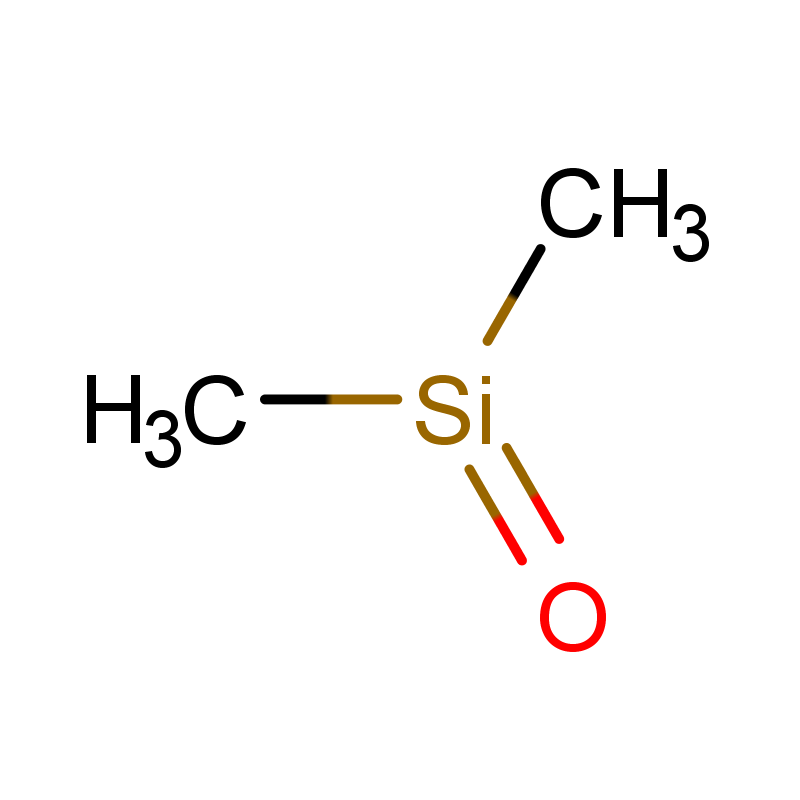
Poly(dimethylsiloxane)CAS#9016-00-6
Chemical Stability and Inertness: PDMS is physiologically inert and chemically stable, making it ideal for use in medical and industrial applications without reacting with other materials.
Wide Temperature Range: It can operate effectively over a broad temperature range from -50°C to 180°C, ensuring reliability in diverse environments.
Excellent Hydrophobicity: PDMS demonstrates outstanding water-repellent properties, making it ideal for use in applications requiring moisture resistance.
Electrical Insulation and Shear Stability: With its superior electrical insulation and resistance to shear stress, PDMS is widely used in electronics and other high-stability applications.
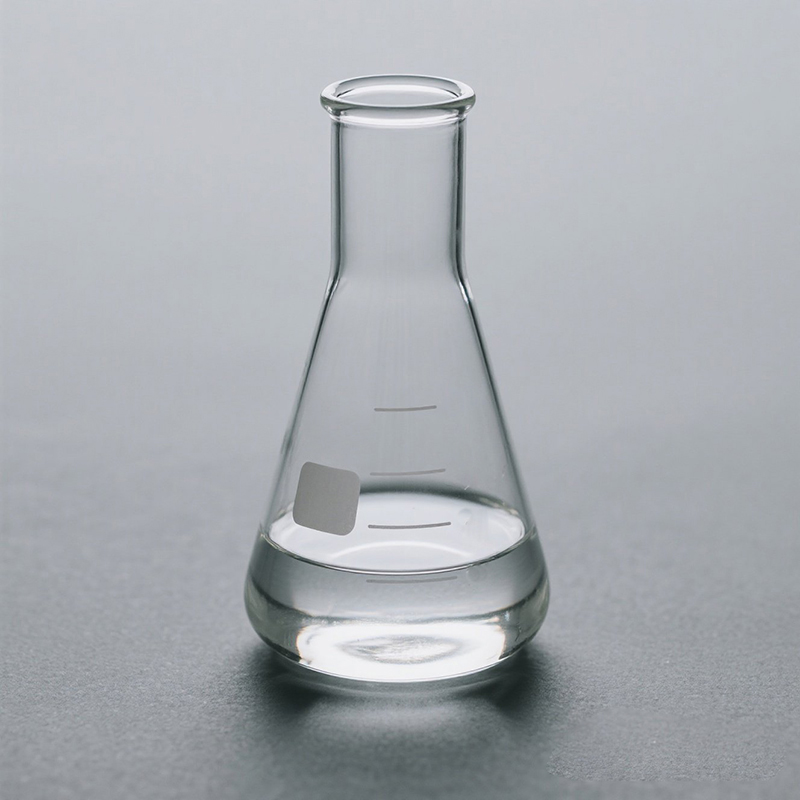
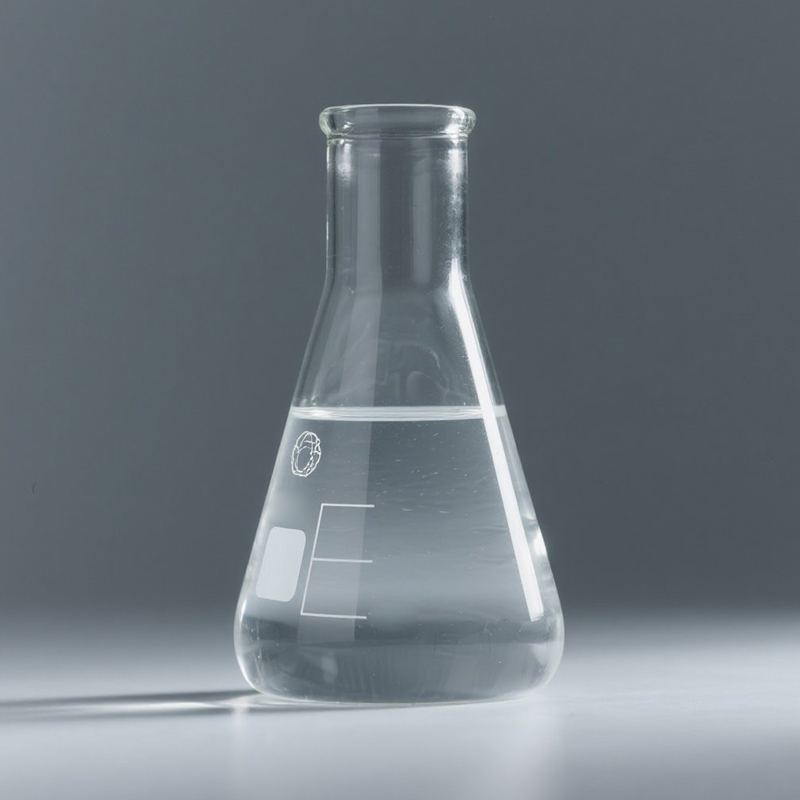
Depending on its relative molecular mass, polydimethylsiloxane (PDMS) can appear as a colorless, transparent, volatile liquid, a highly viscous fluid, or even a silicone gel. It exhibits remarkable physiological inertness and chemical stability, along with excellent electrical insulation and strong resistance to environmental factors.
PDMS possesses a broad viscosity range, low freezing point, high flash point, and outstanding hydrophobicity and shear stability. It can operate effectively over extended periods at temperatures from -50°C to 180°C. Additionally, PDMS demonstrates superior permeability, making it an ideal carrier or matrix material for a variety of biochemical and biosensing applications.
Parameters
Melting point | -35°C |
Boiling point | 155-220°C |
density | 0.971 |
vapor pressure | 5 mm Hg ( 20 °C) |
refractive index | 1.4035 |
Fp | 63°C |
storage temp. | Refrigerator |
solubility | Chloroform (Slightly), Methanol (Slightly) |
form | Viscous Liquid |
Specific Gravity | 0.918 |
color | Colorless |
Water Solubility | INSOLUBLE |
Stability: | Stable. Flammable or combustible. Flammability depends upon extent of polymerization. Incompatible with strong oxidizing agents. |
Surface tension | 19mN/m at 20°C |
EPA Substance Registry System | Poly[oxy(dimethylsilylene)] (9016-00-6) |
Safety Information
Risk Statements | 36/37/38 |
Safety Statements | 24/25 |
RIDADR | 1993 |
WGK Germany | 2 |
RTECS | TQ2690000 |
TSCA | Yes |
HazardClass | 3 |
HS Code | 39100000 |