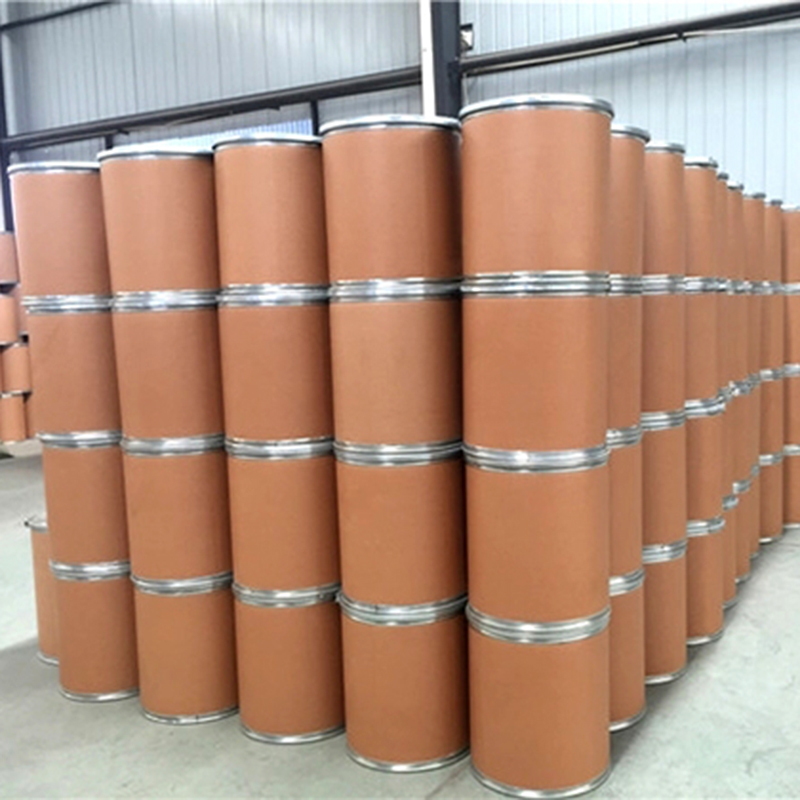
Curcumin CAS#458-37-7
Antioxidant and Anti-inflammatory: Curcumin has potent antioxidant and anti-inflammatory effects, making it effective in reducing oxidative stress and inflammation in various conditions.
Antitumor Properties: It has demonstrated the ability to inhibit tumor formation and reduce precancerous lesions, offering potential in cancer prevention.
Immune Modulation: Curcumin suppresses the release of pro-inflammatory cytokines and histamine, aiding in the management of allergic reactions and inflammation.
Versatile Applications: Curcumin is widely used in cosmetics, drug delivery systems, and the treatment of diseases such as Alzheimer's, diabetes, and cancer due to its broad biological activity.
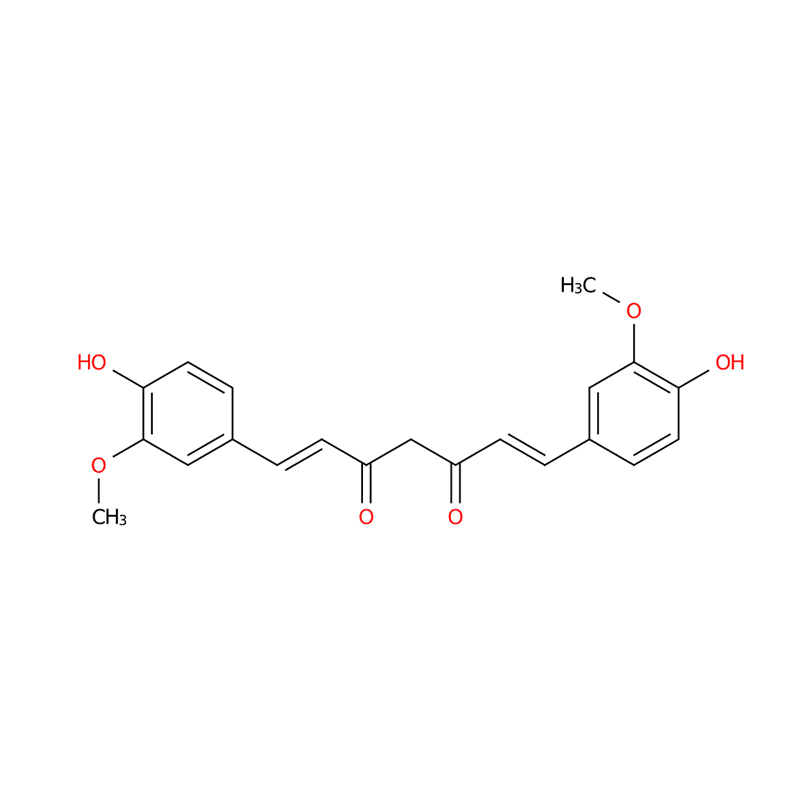
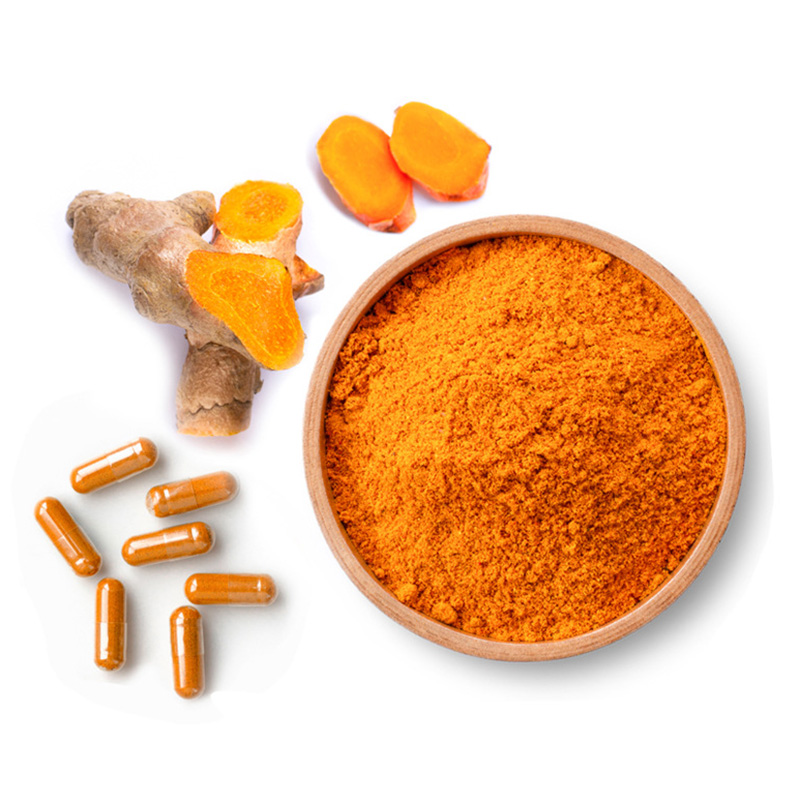
Curcumin is the primary yellow pigment found in turmeric and curry, known for its antioxidant, anti-inflammatory, and antitumor properties. It effectively inhibits nitric oxide (NO) production (IC50 = 6 μM) and reduces inducible nitric oxide synthase (iNOS) activity in LPS-stimulated RAW 264.7 macrophages. In mast cells (HMC-1), curcumin suppresses the release of histamine and pro-inflammatory cytokines including TNF-α, IL-1β, IL-6, and IL-8. In animal studies, curcumin lowers serum histamine and TNF-α levels, alleviates histopathological changes in nasal tissues, and significantly reduces sneezing and nasal rubbing in mice with ovalbumin-induced allergic rhinitis.
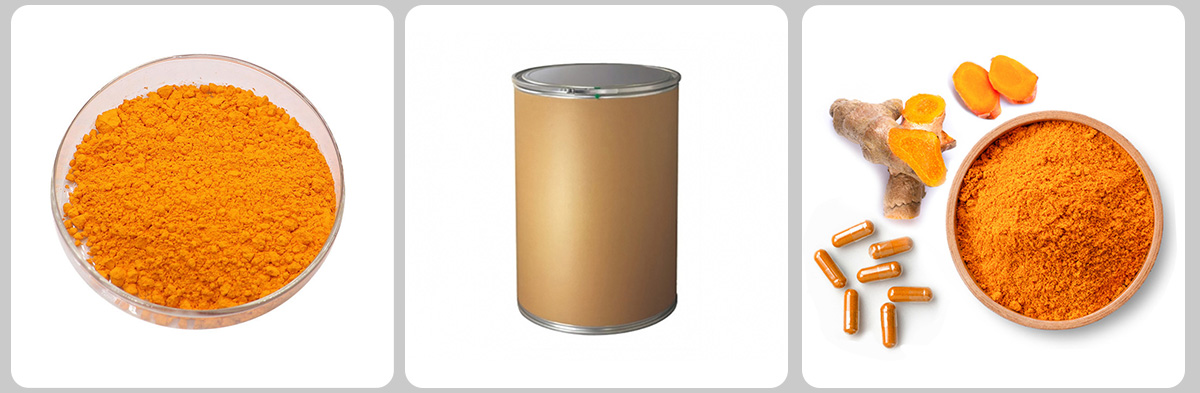
It also prevents the accumulation of 3-nitrotyrosine (3-NT), a biomarker of oxidative stress, in mouse heart tissue at doses of 100 or 200 mg/kg. When applied topically at doses between 1–10 μmol, curcumin reduces tumor formation caused by TPA in mouse skin. Additionally, dietary intake of curcumin has been shown to decrease both the number of tongue tumors and precancerous lesions triggered by 4-nitroquinoline 1-oxide (4-NQO) in rats.
Parameters
Melting point | 183 °C |
Boiling point | 418.73°C (rough estimate) |
density | 0.93 |
vapor density | 13 (vs air) |
refractive index | 1.4155-1.4175 |
Fp | 208.9±23.6 °C |
storage temp. | 2-8°C |
solubility | ethanol: 10 mg/mL |
pka | 8.09(at 25℃) |
form | |
Colour Index | 75300 |
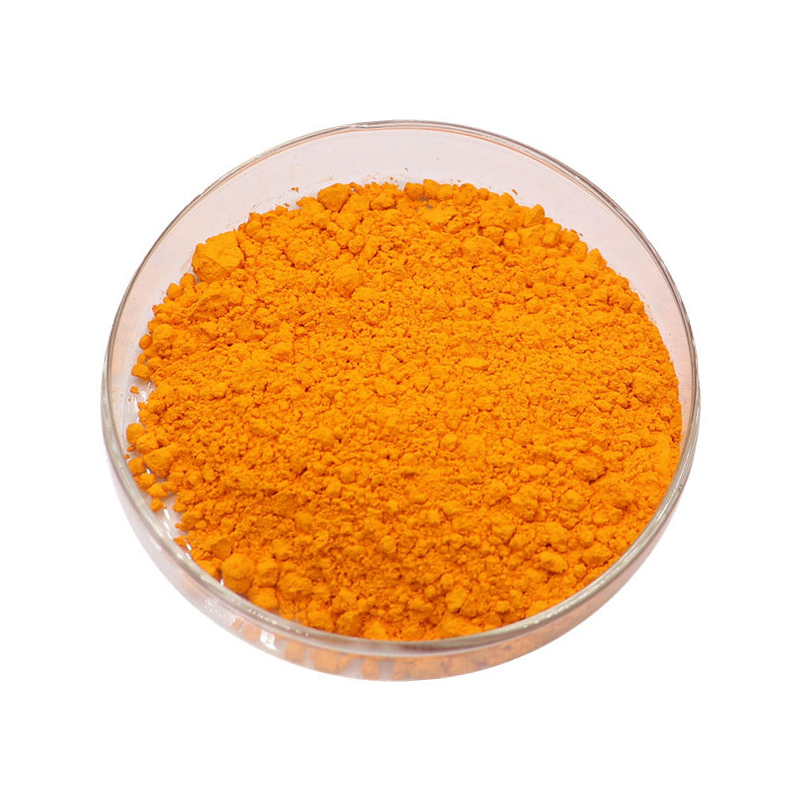
color | orange |
Odor | Odorless |
PH Range | Yellow (7.8) to red-brown (9.2) |
biological source | Curcuma longa (Turmeric) |
Water Solubility | Slightly soluble (hot) |
λmax | 430nm |
Merck | 14,2673 |
BRN | 2306965 |
Concentration | 1 mCi/ml |
Solvent | Ethanol |
Specific Activity | 5-15 Ci/mmol |
Stability: | Stable, but may be light sensitive. Incompatible with strong oxidizing agents. |
Major Application | Cosmetics, drug-eluting stents, inhibition of formation of skin-wrinkles, treating alzheimer’s disease, skin diseases, coronary restenosis, diabetes, obesity, leukemia, neurofibromas, cancer, antimicrobial, antiviral, antiinflammatory, antiprostate cancer |
InChIKey | VFLDPWHFBUODDF-FCXRPNKRSA-N |
LogP | 3.290 (est) |
CAS DataBase Reference | 458-37-7(CAS DataBase Reference) |
EPA Substance Registry System | Curcumin (458-37-7) |
Safety Information
Hazard Codes | Xi |
Risk Statements | 36/37/38 |
Safety Statements | 26 |
WGK Germany | 3 |
RTECS | MI5230000 |
Hazard Note | Irritant |
TSCA | Yes |
HS Code | 29145000 |
Hazardous Substances Data | 458-37-7(Hazardous Substances Data) |
Toxicity | LD50 Oral-Rat-12.200 mg/kg |