Glutathione CAS#70-18-8
Powerful Natural Antioxidant: Glutathione is the most important low-molecular-weight thiol antioxidant in mammalian cells, effectively scavenging free radicals and protecting against oxidative stress.
Multiple Health and Protective Functions: It supports detoxification, enhances immune function, delays aging, provides anti-cancer and anti-radiation benefits, and helps prevent conditions such as stroke and cataracts.
Essential Cellular and Nutrient Support: Glutathione aids white blood cells in eliminating bacteria, protects vitamins C and E from oxidation, and binds carcinogens for safe excretion from the body.
Naturally Occurring and Well-Researched Compound: Widely present in natural food sources such as wheat germ and animal liver, glutathione has been studied for over a century and is recognized as “nature’s master antioxidant” for its broad biological significance.
Product Description of Glutathione (CAS No. 70-18-8)
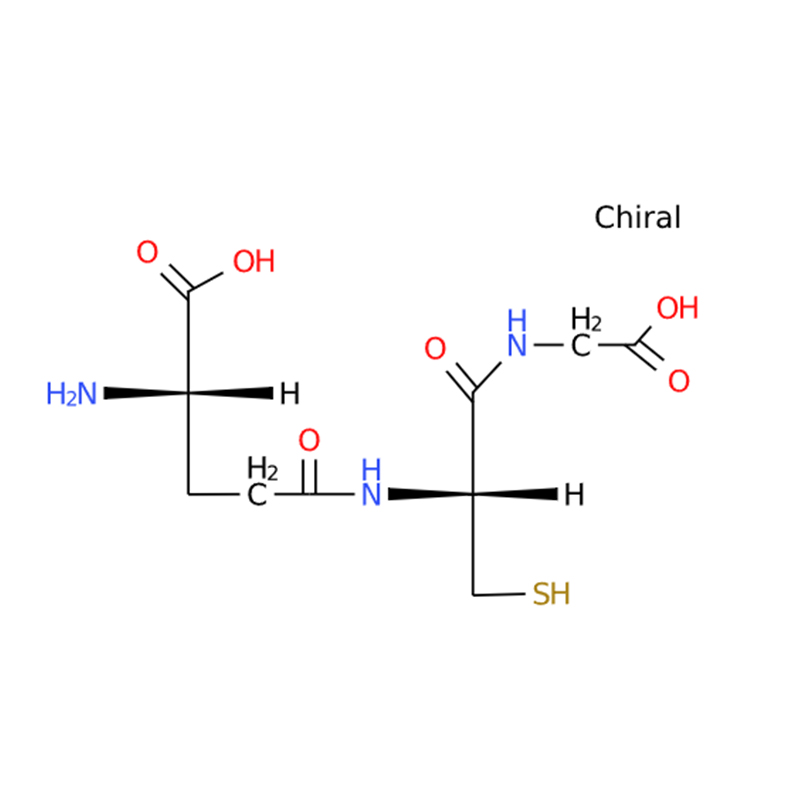
Glutathione is a tripeptide composed of glutamic acid, cysteine, and glycine linked by peptide bonds. It is the most important low-molecular-weight thiol involved in protecting mammalian cells against oxidative stress. Glutathione was first discovered in 1921, and its chemical structure was elucidated in 1930. Dr. Al Mindell, a renowned American nutrition and health expert, described glutathione as a triple-action anti-aging amino acid, and it is often referred to as “nature’s master antioxidant.”
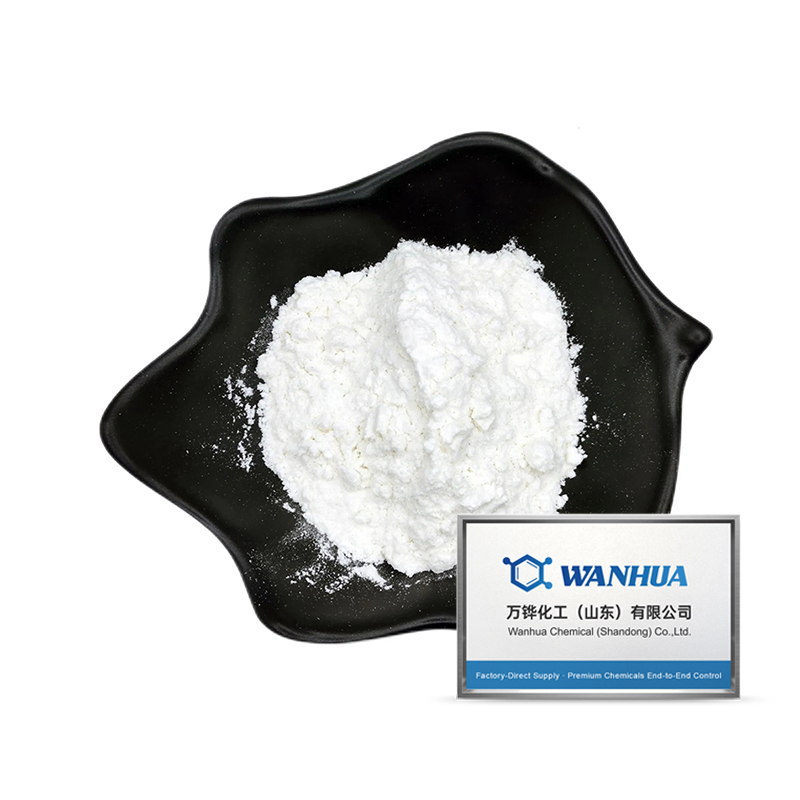
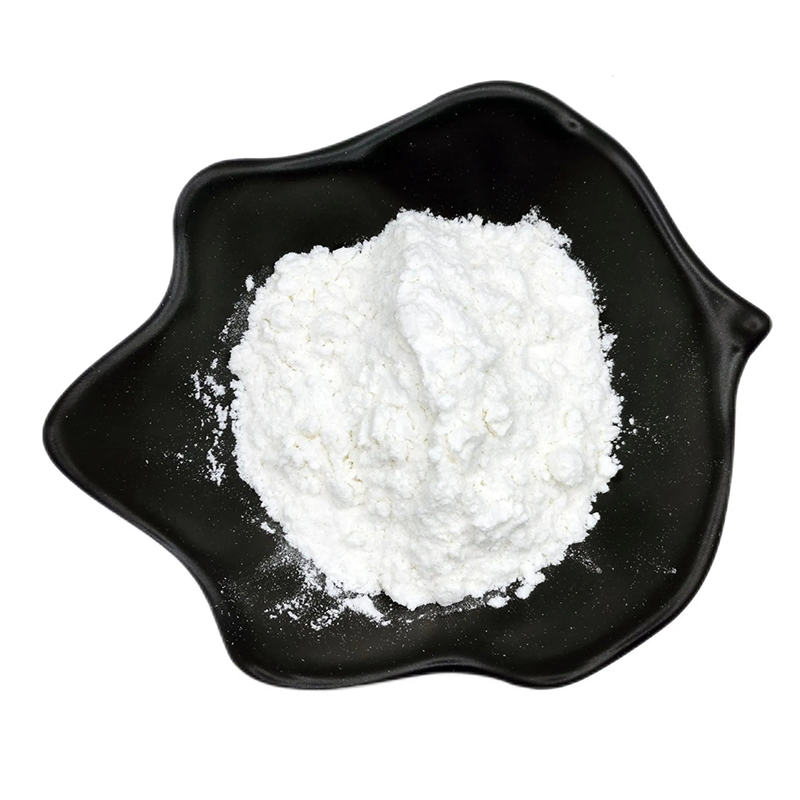
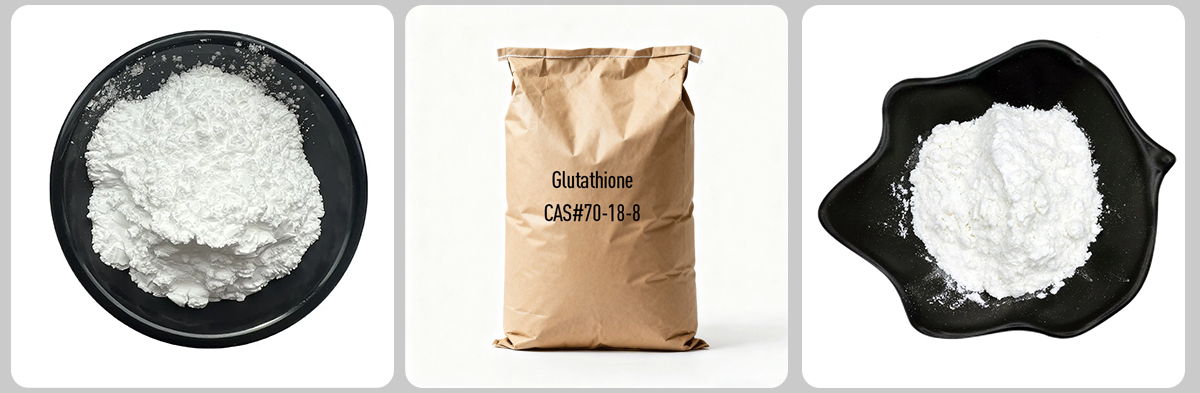
The product appears as colorless, transparent, elongated granular crystals. It is soluble in water, dilute alcohol, liquid ammonia, and dimethylformamide, but insoluble in ethanol, ether, and acetone. Glutathione is stable in its solid form; however, its aqueous solutions are readily oxidized in air to form oxidized glutathione.
Glutathione is widely distributed in nature and can be found in baker’s yeast, wheat germ, animal liver, chicken blood, pig blood, tomatoes, pineapples, and cucumbers. Wheat germ and animal liver contain the highest levels, with concentrations reaching 100–1000 mg per 100 g.
Functionally, glutathione provides strong antioxidant activity, scavenges free radicals, supports detoxification, enhances immune function, delays aging, and offers anti-cancer and anti-radiation protection. It also assists white blood cells in destroying bacteria, prevents the oxidation of vitamins C and E, helps reduce the risk of stroke and cataracts, and binds carcinogens for excretion from the body through urine.
Glutathione Chemical Properties
| Melting point | 192-195 °C (dec.) (lit.) |
| Alpha | -16.5 º (c=2, H2O) |
| Boiling point | 754.5±60.0 °C(Predicted) |
| Density | 1.4482 (rough estimate) |
| Refractive index | -17 ° (C=2, H2O) |
| Storage temp. | 2-8°C |
| Solubility | H2O: 50 mg/mL |
| Form | powder |
| Pka | pK1 2.12; pK2 3.53; pK3 8.66; pK4 9.12(at 25℃) |
| Color | White |
| PH | 3 (10g/l, H2O, 20°C) |
| Odor | Odorless |
| Water Solubility | soluble |
| Merck | 144,475 |
| BRN | 1729812 |
| Sequence | H-γ-Glu-Cys-Gly-OH |
| Stability: | Stable. Incompatible with strong oxidizing agents. |
| InChIKey | RWSXRVCMGQZWBV-WDSKDSINSA-N |
| LogP | -1.645 (est) |
| CAS DataBase Reference | 70-18-8(CAS DataBase Reference) |
| EPA Substance Registry System | Glutathione (70-18-8) |
Safety Information
| Hazard Codes | Xi |
| Risk Statements | 68-36/37/38 |
| Safety Statements | 24/25-36/37/39-27-26 |
| WGK Germany | 2 |
| RTECS | MC0556000 |
| F | 9-23 |
| TSCA | Yes |
| HS Code | 29309070 |

Product Application of Glutathione (CAS No. 70-18-8)
Glutathione is an endogenous antioxidant that plays a crucial role in reducing reactive oxygen species generated during cellular metabolism and respiratory bursts. Glutathione S-transferase facilitates the conjugation of glutathione with xenobiotics, leukotrienes, and other compounds containing electrophilic centers, forming glutathione thioethers.
In addition, glutathione can form disulfide bonds with cysteine residues in proteins. Through these biochemical pathways, glutathione may exert a paradoxical effect by diminishing the efficacy of certain anticancer agents.