Polyisobutylene CAS#9003-27-4
Excellent Low-Temperature Flexibility: Due to its low glass transition temperature, Polyisobutylene maintains outstanding elasticity and flexibility even in cold conditions.
High Chemical Stability: Its stable chemical structure allows strong resistance to degradation, making it suitable for long-term industrial and consumer applications.
Adjustable Molecular Weight and Performance: The material can be customized across a wide molecular weight range—from low to high—providing viscosities from 5 to 4,700 cSt at 100°C.
Strong Tackiness in Higher Grades: Products with higher molecular weight and viscosity deliver superior adhesion and cohesive strength, ideal for adhesive, sealant and compounding applications.
Product Description of Polyisobutylene CAS#9003-27-4
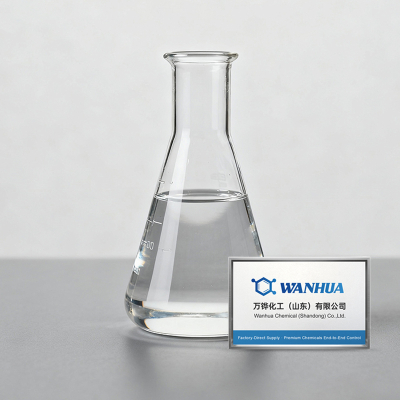
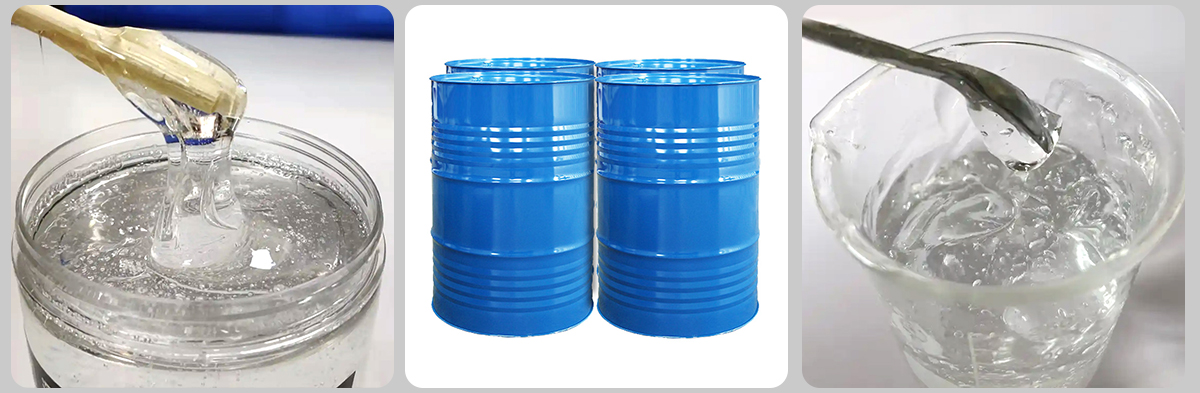
Polyisobutylene (PIB) is a non-toxic, water-white viscous liquid known for its outstanding flexibility at low temperatures, attributed to its low glass transition point. It is a linear, saturated polymer featuring a highly flexible molecular structure, giving it remarkable extensibility and elasticity. PIB also possesses excellent chemical stability and can be customized for different uses by adjusting its molecular weight. Its viscosity can range from 5 to 4,700 cSt at 100°C depending on the molecular weight, with higher values producing greater tackiness.
Physical Properties:
Form: Liquid or semi-solid, depending on molecular weight
Color: Water-white to pale yellow
Odor: Slight characteristic odor or odorless
Viscosity: Dependent on molecular weight; typically between 5 and 4,700 cSt at 100°C
Density: Approximately 0.92 g/mL at 25°C
Solubility: Soluble in hydrocarbons, aromatics, gasoline, cycloalkanes, mineral oil, chlorinated hydrocarbons, and carbon disulfide; partially soluble in higher alcohols and esters; insoluble in water, lower alcohols (e.g., methanol, ethanol, isopropanol), ethylene glycol, ketones such as acetone, and glacial acetic acid
Applications:
Lubricants: Used in 2-stroke engine oils, gear oils, greases, hydraulic fluids, and metalworking fluids
Adhesives: Applied in pressure-sensitive (PSA) and hot-melt adhesive (HMA) formulations
Sealants: Suitable for automotive, tire, and window sealants
Stretch Film: Enhances tear resistance and is applicable for food-contact films
Electrical Insulation: Provides hydrophobic, non-conductive, non-oxidizing insulation
Cosmetics and Foods: Used in gum-base grade applications due to its non-toxic properties
Polyisobutylene Chemical Properties
| Melting point | 54-56 °C |
| Boiling point | 300 °C |
| Density | 0.92 g/mL at 25 °C (lit.) |
| Tg | -61 |
| Tg | -62 |
| Tg | -64 |
| Tg | -75 |
| Refractive index | n20/D 1.51 |
| Fp | >212 |
| Fp | >482 |
| Form | slab/chunk |
| Stability | Stability Combustible. Incompatible with strong oxidizing agents. |
| InChI | InChI=1S/C4H8/c1-4(2)3/h1H2,2-3H3 |
| InChIKey | VQTUBCCKSQIDNK-UHFFFAOYSA-N |
| SMILES | C=C(C)C |
| EPA Substance Registry System | Polyisobutylene (9003-27-4) |
Safety Information
| Safety Statements | 24/25 |
| WGK Germany | 3 |
| RTECS | UD1010000 |
| TSCA | TSCA listed |
| HS Code | 39022000 |
| Hazardous Substances Data | 9003-27-4(Hazardous Substances Data) |
Safety and Handling:
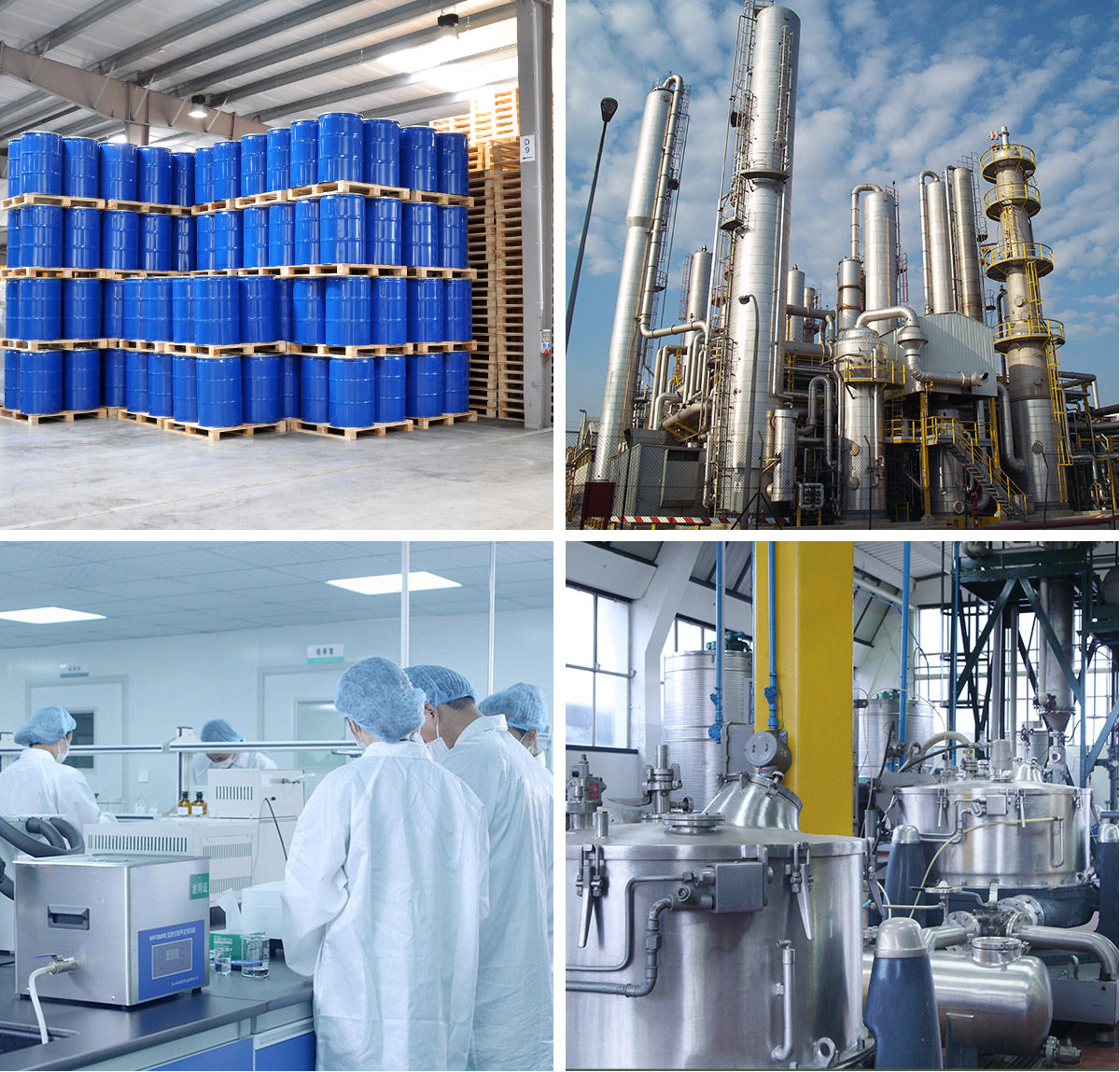
Although Polyisobutylene is regarded as non-toxic, standard handling precautions should be observed to ensure environmental and personal safety. Store it in a dry, cool location, away from excessive heat and strong oxidizers. When working with PIB, protective gloves and safety goggles are recommended.
Shelf Life:
When stored properly, Polyisobutylene maintains a minimum shelf life of 36 months.
Key Advantages:
High tackiness combined with excellent viscosity characteristics
Outstanding resistance to corrosion and oxidation from heat, chemicals, and UV exposure
Fully hydrophobic with very low electrical conductivity
Excellent storage stability, with no drying, evaporation, or solidification concerns
Polyisobutylene is a versatile polymer widely used across multiple industries due to its strong performance, durability, and adaptability to diverse environmental conditions.