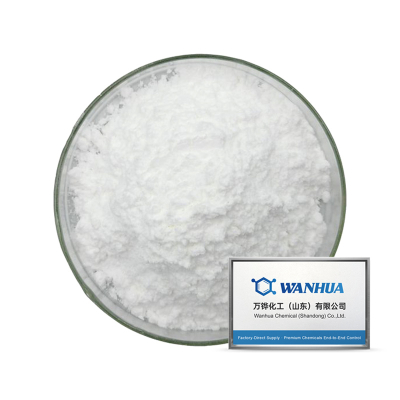
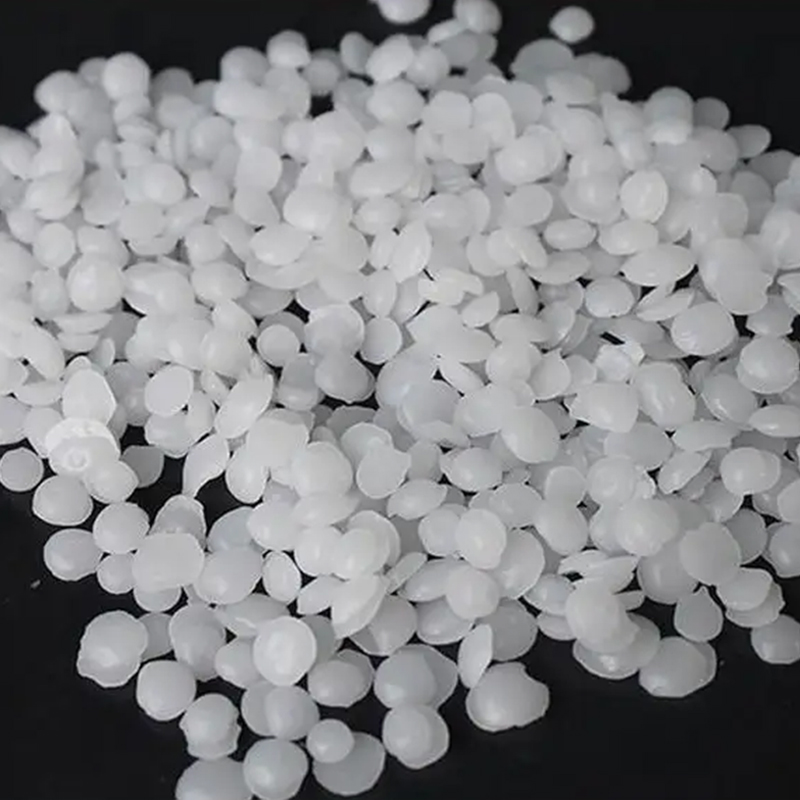
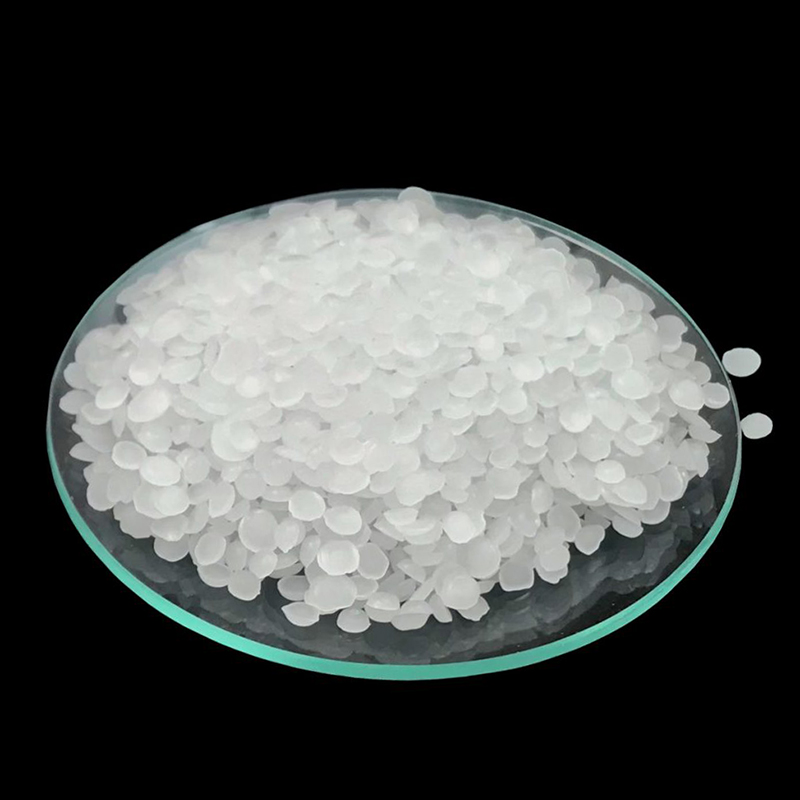
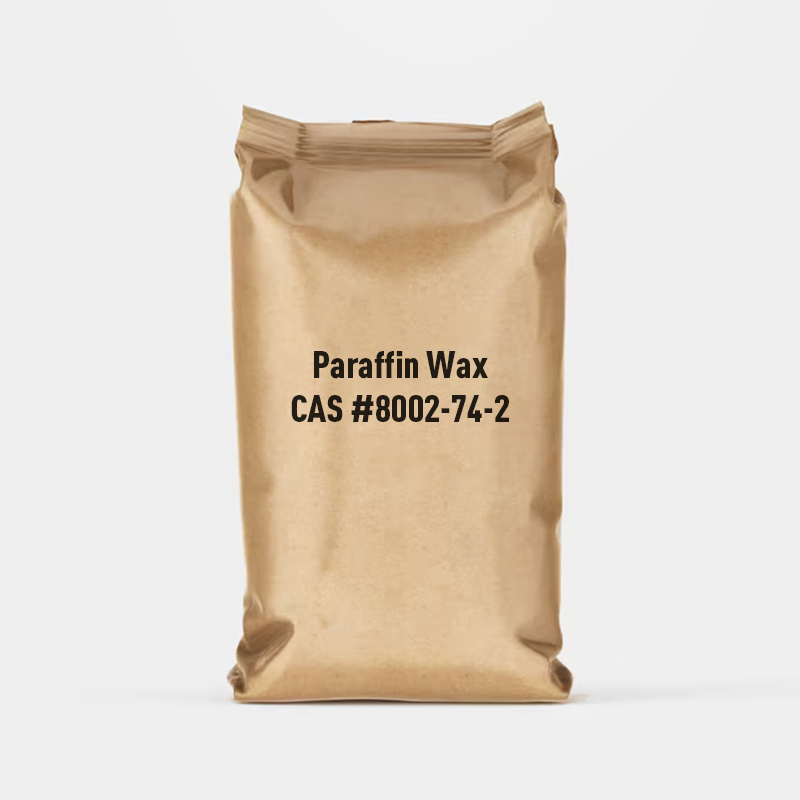
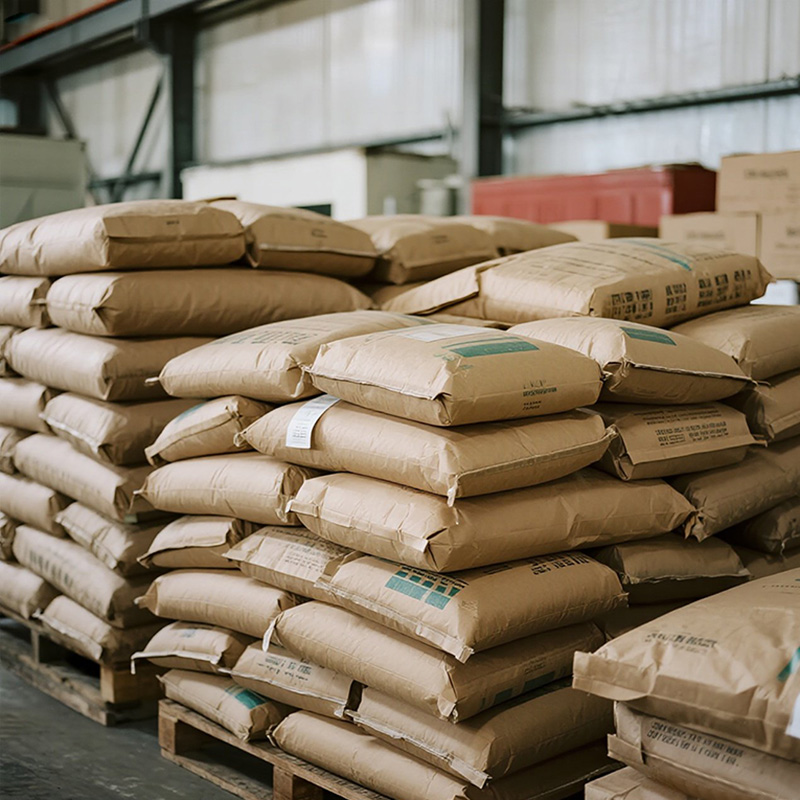
Paraffin Wax CAS 8002-74-2
Versatile Applications: Paraffin is used in a wide range of industries, including medicine, packaging, construction, and agriculture.
Stable Properties: It has stable physical and chemical properties, making it reliable for long-term use.
Cost-effective: Paraffin is a low-cost product with wide availability, ideal for industrial-scale production.
Energy Storage Potential: Due to its high latent heat of phase transition, paraffin is studied for use in phase change energy storage materials.
Paraffin is a hydrocarbon mixture derived from specific distillates of petroleum, shale oil, or other bituminous mineral oils. The primary component is solid alkane, which is odorless and tasteless. Paraffin consists of normal-chain saturated alkanes with varying molecular weights, typically represented by the general formula CnH2n+2. Depending on its physical state, paraffin is classified into three categories: liquid paraffin, solid paraffin, and microcrystalline wax.
Paraffin wax, a product of petroleum processing, is amorphous but has a distinct crystal structure. It is typically obtained from the lubricating oil fraction of crude oil through solvent refining, dewaxing, or freezing crystallization. Afterward, the wax paste undergoes solvent deoiling and refining. Paraffin wax is used in the production of higher fatty acids, alcohols, matches, candles, water repellents, ointments, electrical insulating materials, and more.
Basic Info
Chemical Name: | Paraffin Wax |
Other Name: | Paraffin; Paraffin Wax CAS 8002-74-2; Pure Paraffin Wax |
CAS: | 8002-74-2 |
EINECS: | 232-315-6 |
Type: | Food additives; Organic raw materials; Inorganic salt |
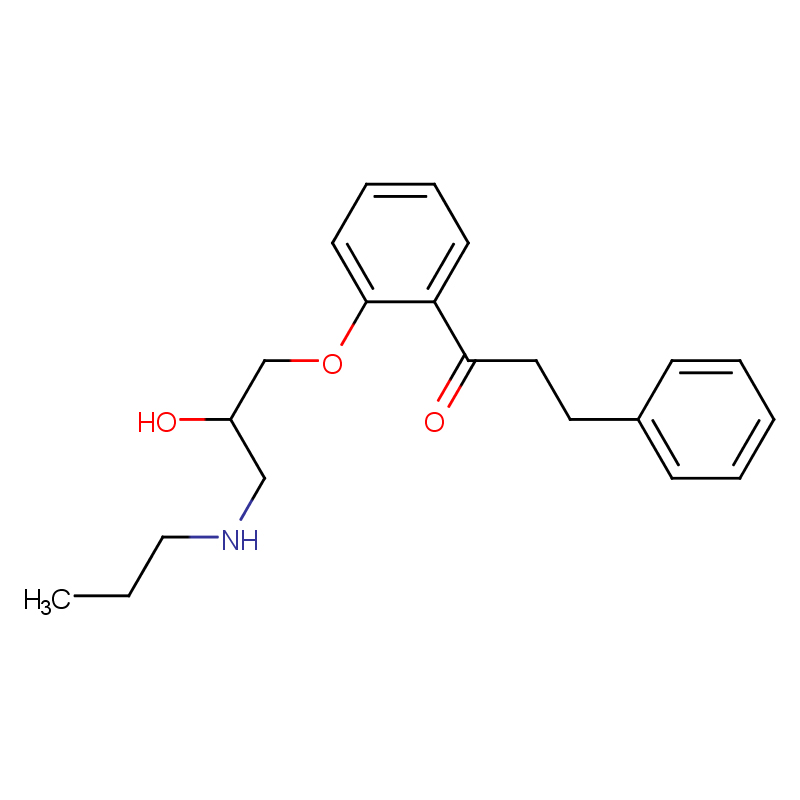
Molecular Formula: | C21H27NO3 |
Molecular Weight: | 341.44398 |
Chemical Properties
Melting point | 58-62 °C ((ASTM D 87)) |
Boiling point | 322 °C |
density | 0.82 g/mL at 20 °C |
refractive index | n20/D 1.45 |
storage temp. | Store below +30°C. |
solubility | Soluble in chloroform, ether, volatile oils, and most warm fixed oils; slightly soluble in ethanol; practically insoluble in acetone, ethanol (95%), and water. Paraffin can be mixed with most waxes if melted and cooled. |
form | extra-low viscosity |
color | white |
Odor | odorless |
explosive limit | 0.6-6.5%(V) |
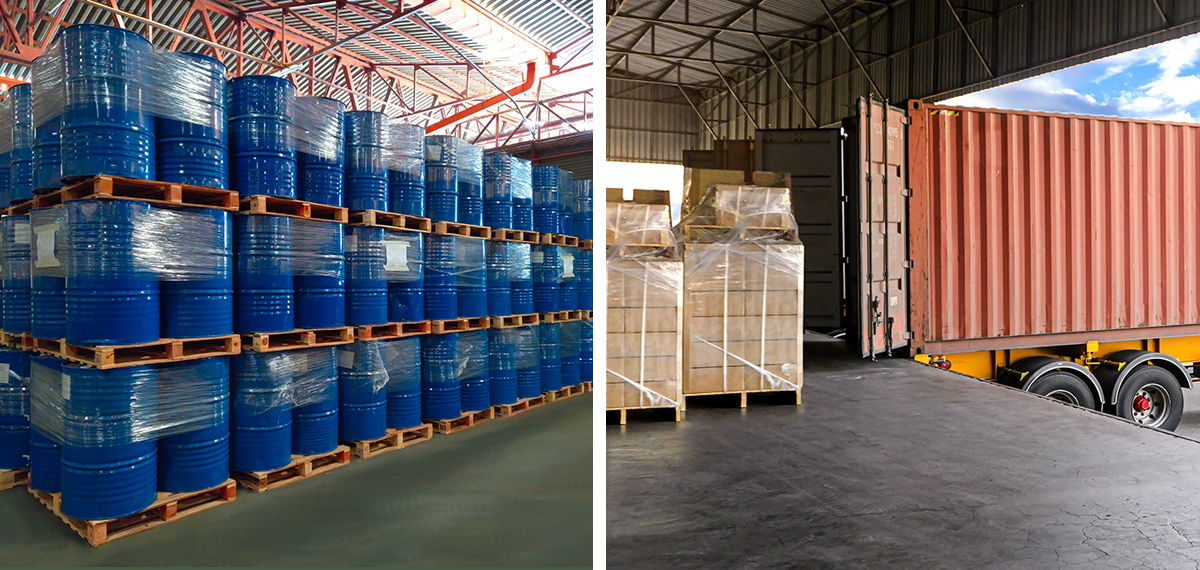
Paraffin boasts several benefits, including low cost, widespread availability, colorlessness, odorlessness, stable physical and chemical properties, and a high latent heat of phase transition. These attributes make it highly applicable in various fields such as medicine, packaging, construction, military camouflage, industry, and agriculture. It is also extensively studied for use in phase change energy storage materials.