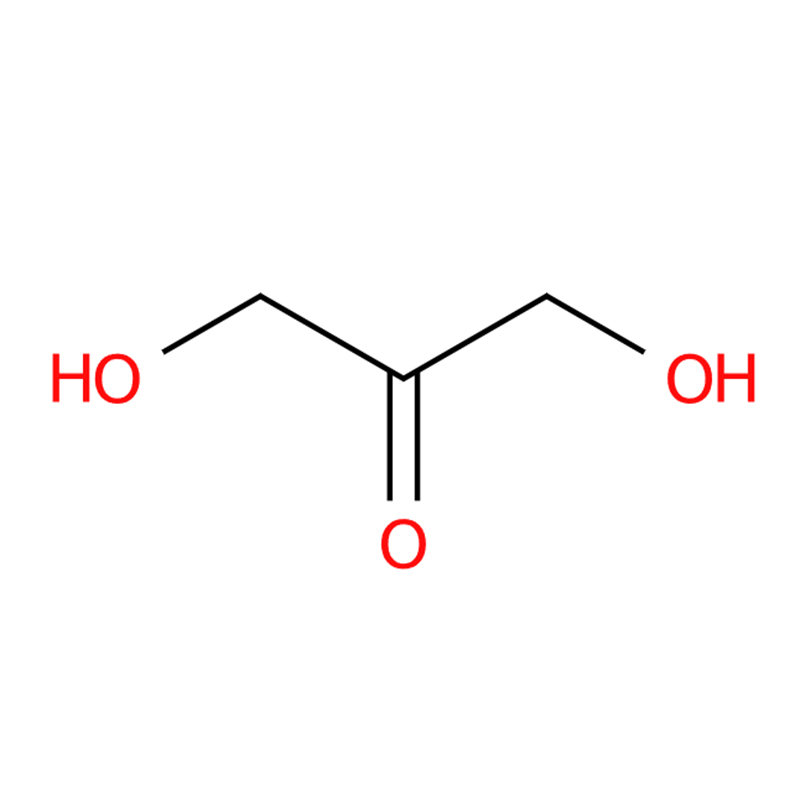
1,3-Dihydroxyacetone CAS#96-26-4
Natural and Biodegradable: Dihydroxyacetone is a naturally occurring ketose that is environmentally friendly and biodegradable.
Safe and Non-Toxic: It is edible and non-toxic to both the human body and the environment, ensuring safe usage.
Multifunctional Additive: The compound serves multiple functions across different formulations and applications.
Wide Industry Applications: It is widely used in cosmetics, pharmaceutical, and food industries, demonstrating strong versatility.
Product Details
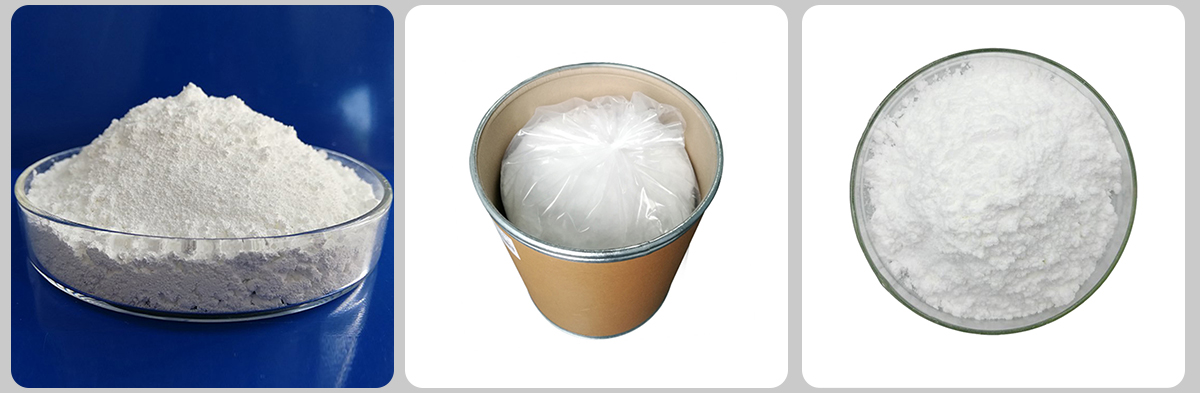
1,3-Dihydroxyacetone Chemical Properties
| Melting point | 75-80 °C |
| Boiling point | 107.25°C (rough estimate) |
| Density | 1.1385 (rough estimate) |
| Vapor pressure | 0.002-0.33Pa at 20-50℃ |
| Refractive index | 1.4540 (estimate) |
| FEMA | 4033 | DIHYDROXYACETONE |
| Storage temp | Store at +2°C to +8°C. |
| Solubility | >112.4 mg/mL in DMSO; >5.09 mg/mL in EtOH with ultrasonic |
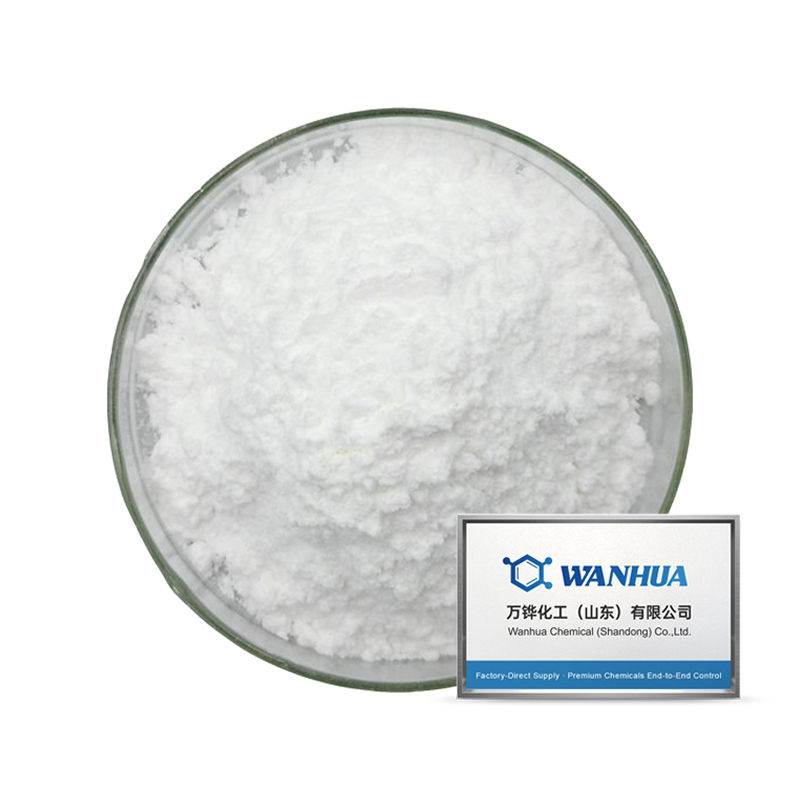
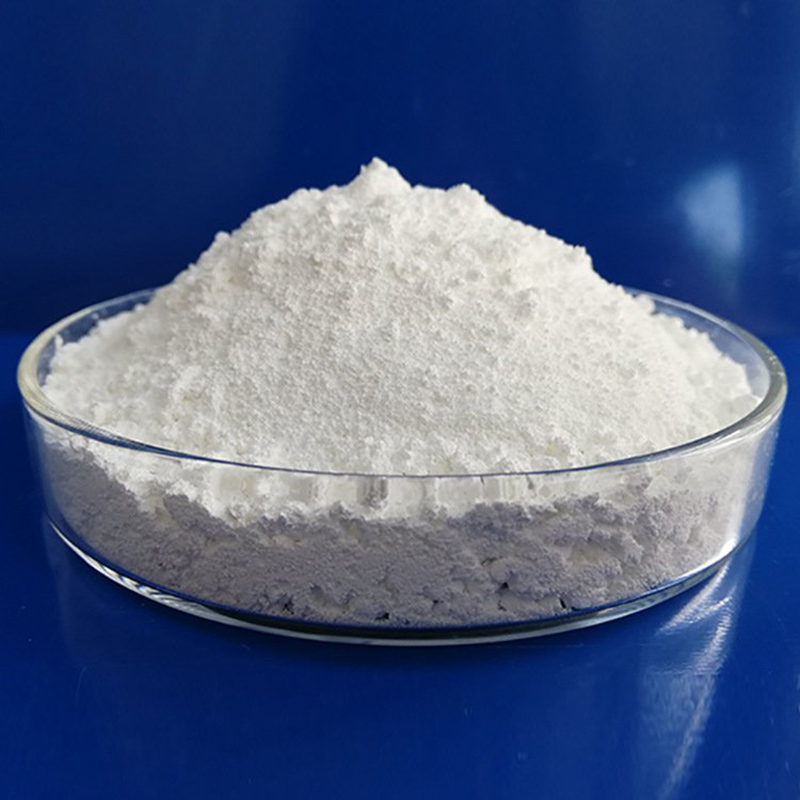
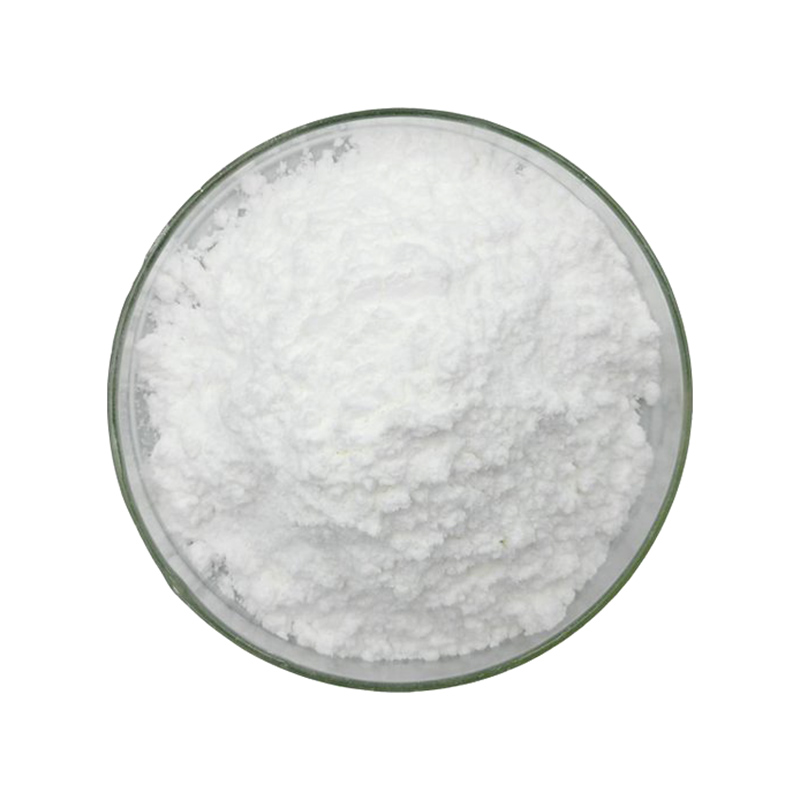
| Form | powder |
| Pka | 12.45±0.10(Predicted) |
| Color | White |
| Odor | at 100.00 %. minty |
| Odor Type | minty |
| Water Solubility | >250 g/L (20 ºC) |
| JECFA Number | 1716 |
| Stability | Stable. Combustible. Hygroscopic. |
| LogP | -1.95 at 20℃ |
| Surface tension | 68.85mN/m at 1g/L and 20℃ |
| CAS DataBase Reference | 96-26-4(CAS DataBase Reference) |
| NIST Chemistry Reference | 2-Propanone, 1,3-dihydroxy-(96-26-4) |
| EPA Substance Registry System | 2-Propanone, 1,3-dihydroxy- (96-26-4) |
| Safety Statements | 24/25 |
| HS Code | 29141900 |
| Hazardous Substances Data | 96-26-4(Hazardous Substances Data) |
| Toxicity | CHROMELIN ? DIHYDROXYACETONE ? 1,3DIHYDROXYACETONE ? 1,3-DIHYDROXYPROPANONE ? DIHYXAL ? NSC-24343 ? OTAN ? OXATONE ? SOLEAL ? 2PROPANONE, 1,3-DIHYDROXY- ? TRIULOSE ? VITICOLOR |

Leave your messages