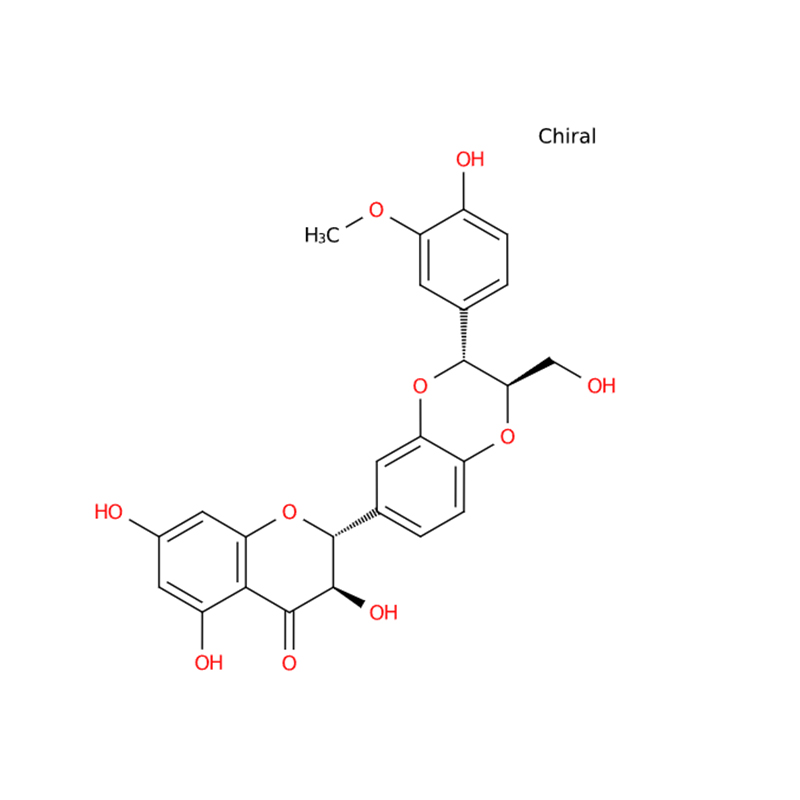
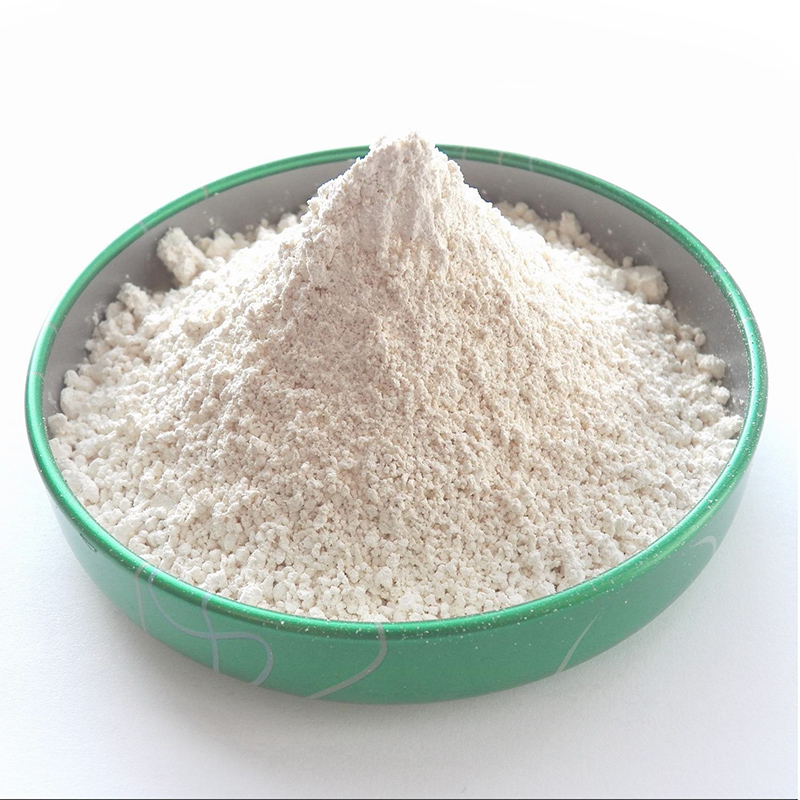
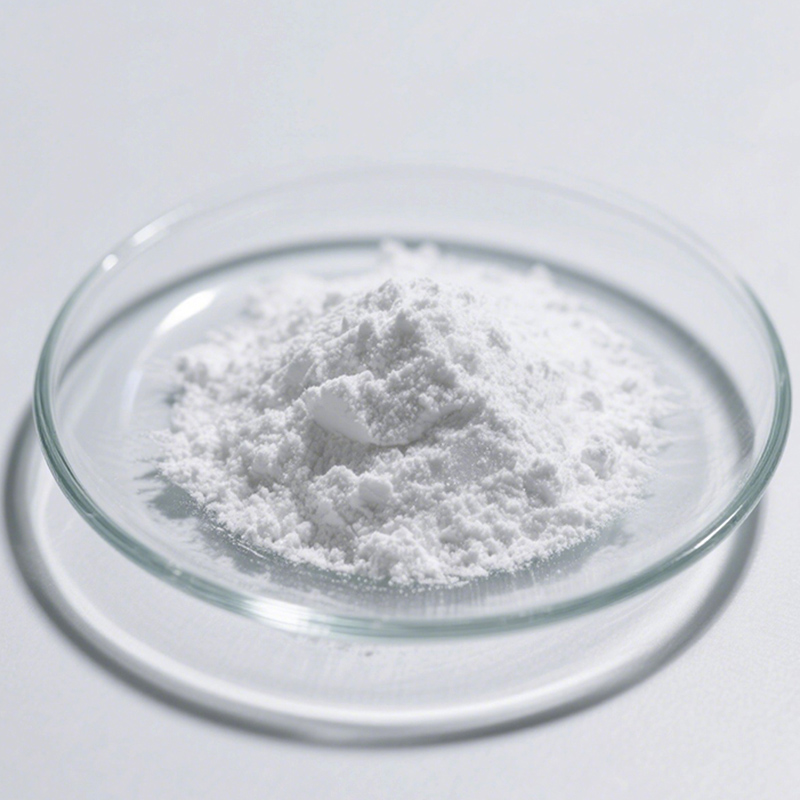


Silybin CAS#22888-70-6
High Concentration of Active Compounds: Silybin, the primary active ingredient in silymarin, makes up 70–80% of the complex, ensuring a potent therapeutic effect.
Wide Range of Health Benefits: Silybin is known for its diverse pharmacological properties, including antioxidant, anti-inflammatory, and anticancer activities, making it a valuable compound for various health conditions.
Hepatoprotective and Neuroprotective: Silybin has proven benefits in liver protection and promoting brain health, supporting its role in treating liver diseases and neurological disorders.
Antiviral and Antimicrobial Properties: In addition to its other health benefits, silybin exhibits strong antiviral and antimicrobial effects, providing enhanced protection against infections.
Silybin, also referred to as silibinin, is the main active compound in the silymarin complex, accounting for about 70–80% of it. It consists of a mixture of silybin A and silybin B. Pharmacological studies have revealed that silybin exhibits a wide range of biological effects, including strong antioxidant, anti-inflammatory, anticancer, antidiabetic, hepatoprotective, neuroprotective, antiviral, antimicrobial, and immunosuppressive properties.
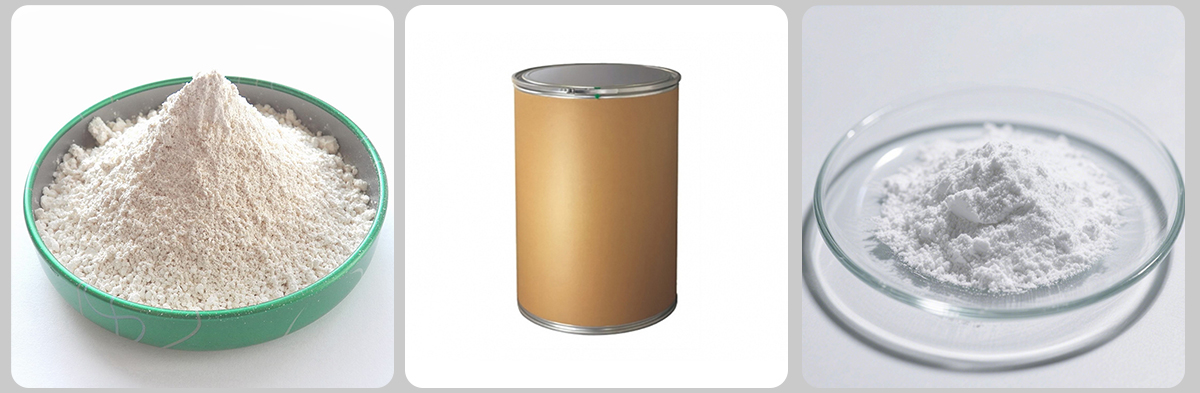
Parameters
Melting point | 164-174°C |
alpha | D20 +11° (c = 0.25 in acetone + alcohol) |
Boiling point | 793.0±60.0 °C(Predicted) |
density | 1.527±0.06 g/cm3(Predicted) |
storage temp. | -20°C |
solubility | Acetone (Sparingly), DMSO, Methano (Sparingly) |
form | Solid |
pka | pKa 6.42±0.04 (Uncertain) |
color | Pale Yellow |
Water Solubility | 54mg/L(24.99 ºC) |
Merck | 13,8607 |
Stability: | Stable. Incompatible with strong oxidizing agents, strong bases. |
LogP | 4.232 (est) |
CAS DataBase Reference | 22888-70-6(CAS DataBase Reference) |
Safety Information
Hazard Codes | Xi |
Risk Statements | 36/37/38 |
Safety Statements | 26-37/39-24/25-22-36 |
RIDADR | 3172 |
WGK Germany | 3 |
RTECS | DJ2981770 |
HS Code | 29329990 |
Toxicity | LD50 intravenous in mouse: 1056mg/kg |

Silibinin has been utilized in various studies:
To investigate its impact on gene expression levels of proteins involved in chromatin regulation in prostate cancer, using real-time polymerase chain reaction (RT-PCR).
To assess its effect on cell proliferation in platelet-derived growth factor (PDGF)-treated human Tenon’s fibroblasts (HTFs), by evaluating the expression of proliferating cell nuclear antigen (PCNA) and conducting a water-soluble tetrazolium salt (WST-1) assay.
To explore its influence on gene expression of stromelysin 1 (STM1), acetyl hexosamines, and collagen production during skin wound healing.
To evaluate its inhibitory effect on Escherichia coli ATP synthase.