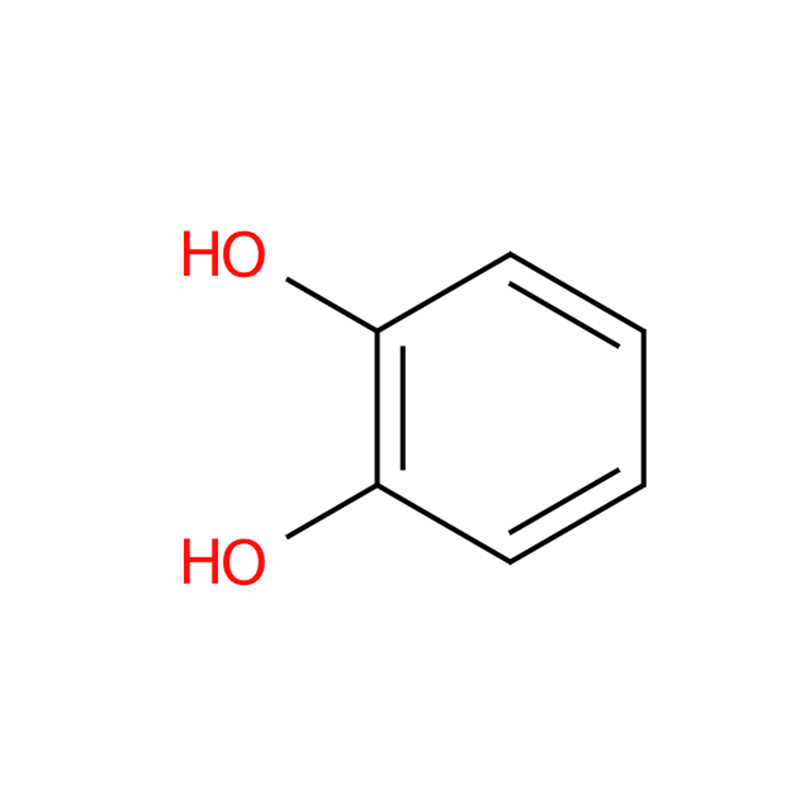
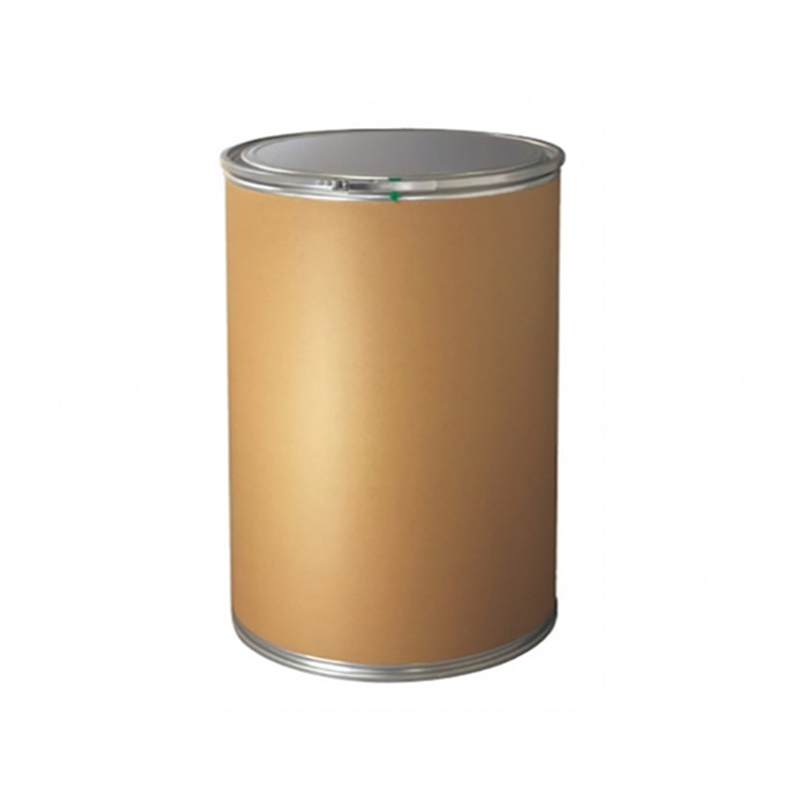
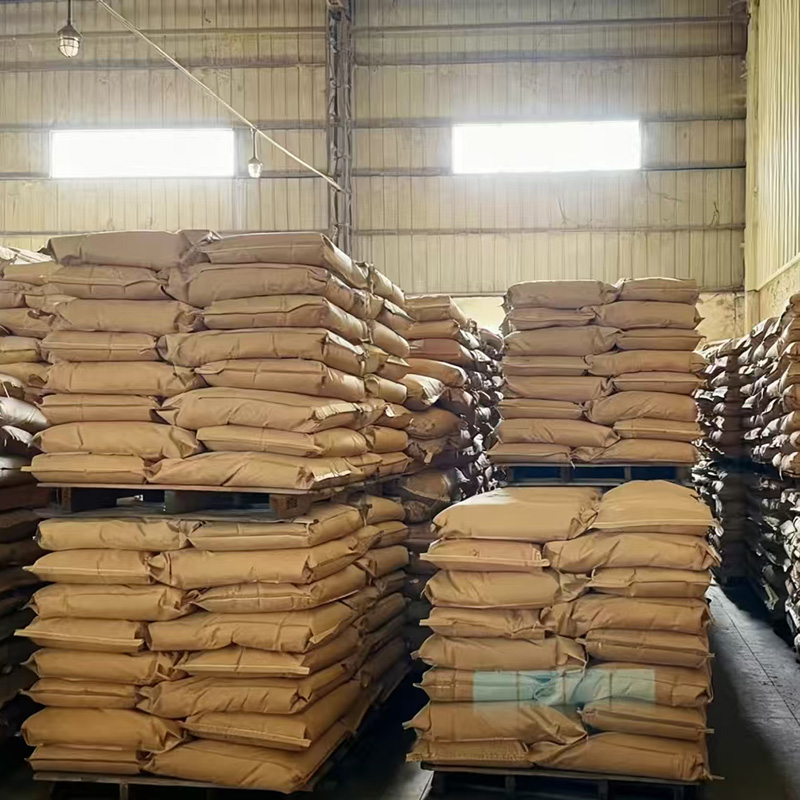
Catechol CAS# 120-80-9
High Thermal Stability: With a high boiling point of 245.5 °C and autoignition temperature of 512 °C, catechol demonstrates excellent thermal stability, making it suitable for high-temperature industrial applications.
Good Water Solubility: Exhibiting 44% solubility in water, catechol offers strong compatibility in aqueous systems, facilitating formulation flexibility and efficient processing.
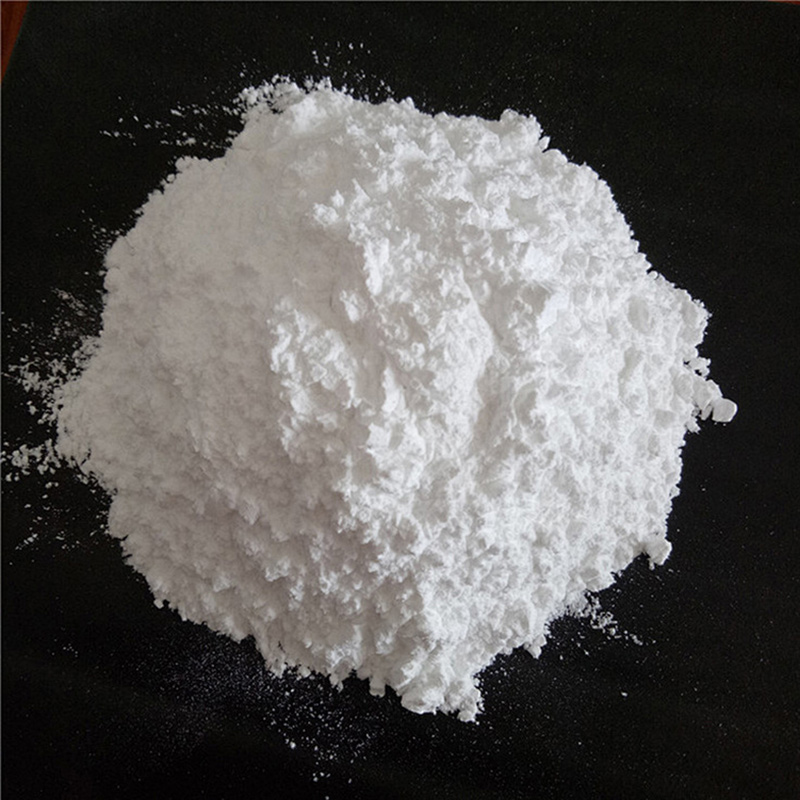
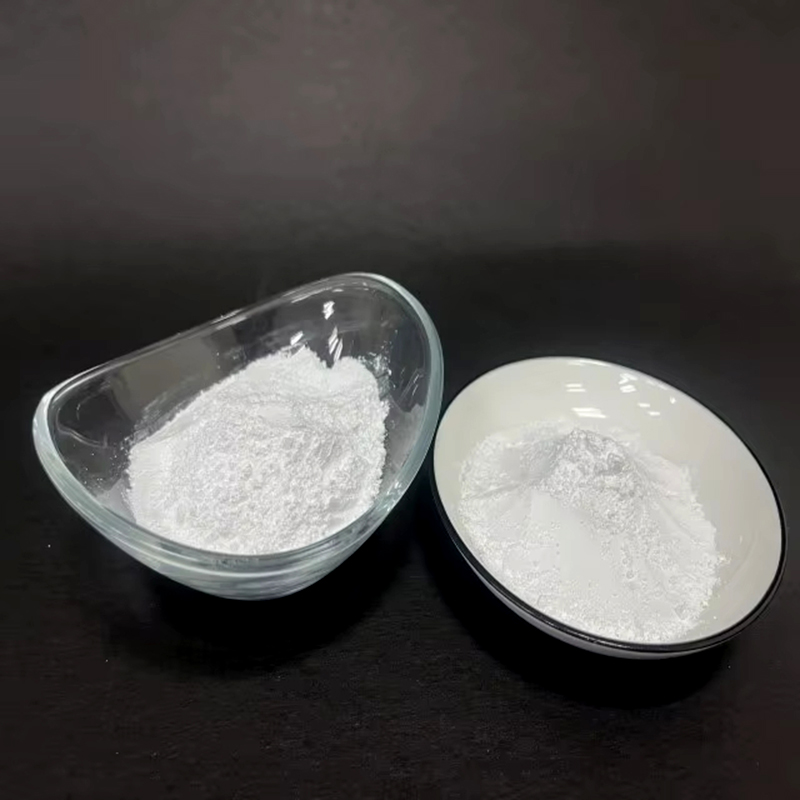
Stable Solid Form with Convenient Handling: As a white crystalline solid with a melting point of 104 °C and specific gravity of 1.3, catechol provides stable storage characteristics and ease of transport under controlled conditions.
Low Flammability Risk: Classified with NFPA flammability rating of 1 and a flash point of 127 °C, catechol presents relatively low flammability compared to many organic chemicals, enhancing safety in industrial environments.
Catechol (CAS No. 120-80-9)
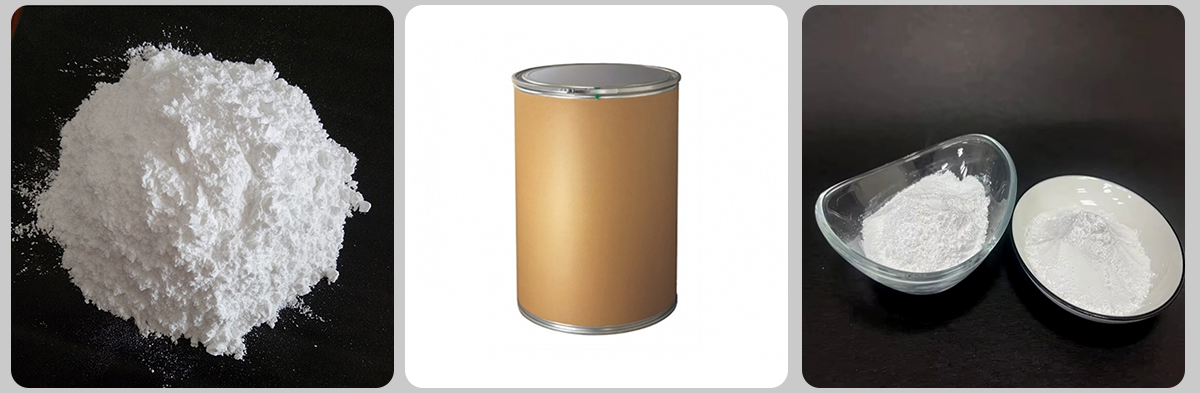
Catechol is a white crystalline solid that gradually turns brown upon exposure to light and air. It has a molecular weight of 110.12 and a specific gravity of 1.3 (water = 1).
The compound has a melting point of 104 °C and a boiling point of 245.5 °C. It readily sublimes under appropriate conditions. Its vapor pressure is 10 mmHg at 117 °C. The flash point is 127 °C, and the autoignition temperature is 512 °C.
In air, the lower explosive limit (LEL) is 1.4%, while the upper explosive limit (UEL) has not been determined.
Catechol Basic information
| Product Name: | Catechol |
| Synonyms: | 1,2-Benzenediol (pyrocatechol);1,2-benzenediol[qr];1,2-dihydroxybenzene[qr];2-Hydroxyphenol;2-hydroxyphenol[qr];ai3-03995[qr];Benzene, o-dihydroxy-;benzene,1,2-dihydroxy- |
| CAS: | 120-80-9 |
| MF: | C6H6O2 |
| MW: | 110.11 |
| EINECS: | 204-427-5 |
| Product Categories: | Building Blocks;Chemical Synthesis;Organic Building Blocks;Oxygen Compounds;Polyols;Aromatics;Miscellaneous Reagents;Intermediates;Aromatic Phenols |
| Mol File: | 120-80-9.mol |
Catechol Chemical Properties
| Melting point | 100-103 °C (lit.) |
| Boiling point | 245 °C (lit.) |
| Density | 1,371 g/cm3 |
| Vapor density | 3.8 (vs air) |
| Vapor pressure | 1 mm Hg ( 75 °C) |
| Refractive index | 1.6120 (estimate) |
| Fp | 279 °F |
| Storage temp | Store below +30°C. |
| Solubility | 430g/l |
| Pka | 9.85(at 20℃) |
| Form | Crystalline Flakes |
| Color | white to faintly beige |
| PH | 6 (100g/l, H2O, 20℃) |
| Explosive limit | 1.97%(V) |
| Biological source | synthetic (organic) |
| Water Solubility | 430 g/L (20 ºC) |
| Sensitive | Air & Light Sensitive |
| Merck | 147999 |
| BRN | 471401 |
| Exposure limits | TLV-TWA 5 ppm (~22 mg/m3) (ACGIH). . |
| Stability | Stable. Substances to be avoided include acid chlorides, acid anhydrides, bases, oxidizing agents, nitric acid. Light sensitive; may discolour on exposure to air. Combustible. |
| LogP | 0.93 |
| CAS DataBase Reference | 120-80-9(CAS DataBase Reference) |
| NIST Chemistry Reference | 1,2-Benzenediol(120-80-9) |
| IARC | 2B (Vol. 15, Sup 7, 71) 1999 |
| EPA Substance Registry System | Catechol (120-80-9) |
Product Usage
Catechol (CAS No. 120-80-9) is widely utilized in chemical synthesis, particularly in the production of rubber additives and fragrance intermediates.
In the pharmaceutical sector, it serves as a drug intermediate and as a component in certain local anesthetic formulations.
In agriculture, catechol is involved in the synthesis of various pesticides.
Additionally, it is applied in the electroplating industry and in analytical chemistry for the detection and analysis of metal ions.