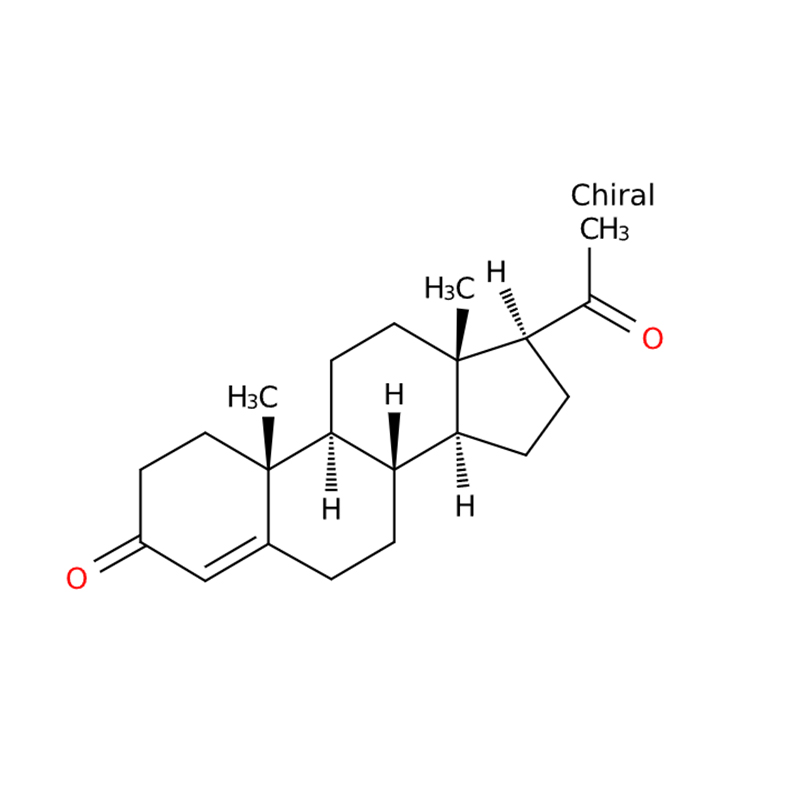
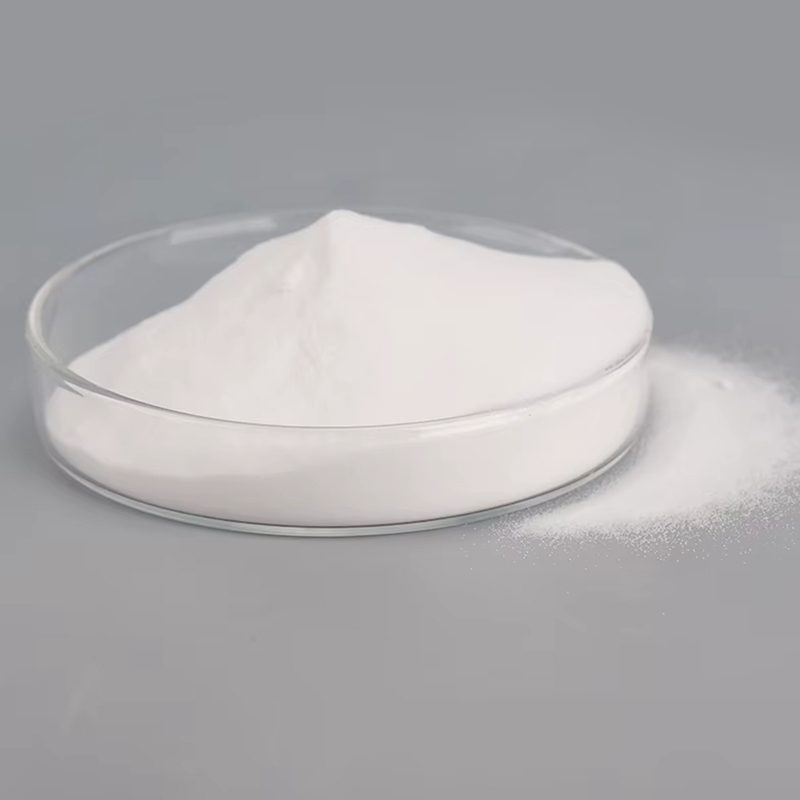
Progesterone, also known as P4, pregnant-4-ene-3,20-dione, or luteal hormone, is a naturally occurring steroid hormone and progestogen primarily secreted by the ovaries in females. It is an essential progestogen in the body and plays a vital role in the menstrual cycle, pregnancy, and embryogenesis. Progesterone is a steroid hormone with 21 carbon atoms and serves as a precursor in the biosynthesis of all steroid hormones.
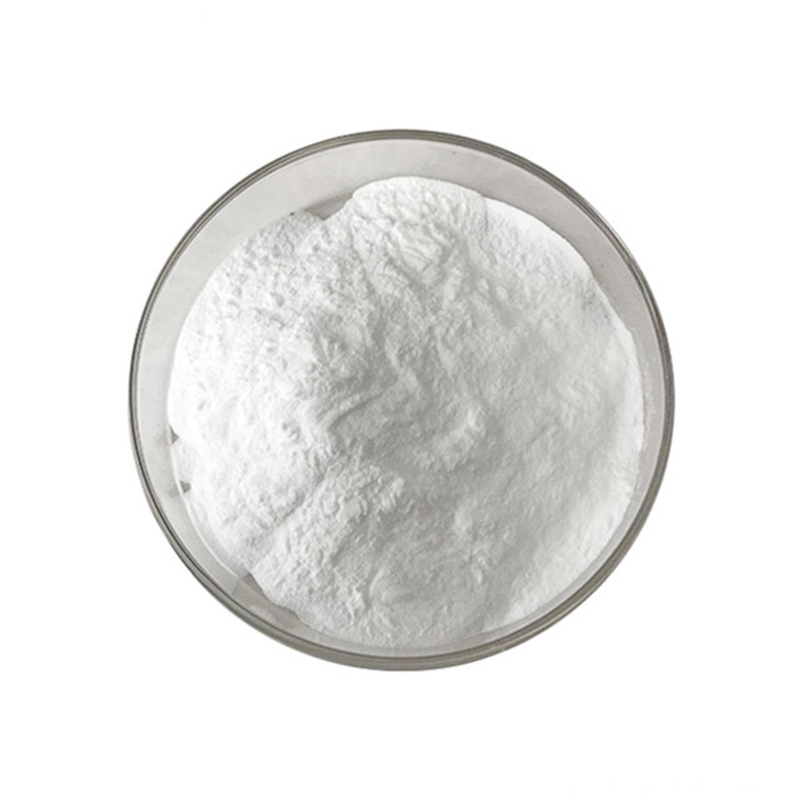
There are two crystal forms of progesterone: the α-type and β-type. Both exhibit the same physiological activity. The α-type crystallizes as orthorhombic white prismatic crystals from dilute ethanol, while the β-type forms orthorhombic white needle crystals. While progesterone is insoluble in water, it dissolves in solvents like ethanol, ether, chloroform, acetone, dioxane, and concentrated sulfuric acid.

Parameters
Melting point | 128-132 °C (lit.) |
alpha | 186 º (c=1, ethanol) |
Boiling point | 394.13°C (rough estimate) |
density | d23 1.166; d20 1.171 |
refractive index | 182 ° (C=2, Dioxane) |
Fp | 2℃ |
storage temp. | room temp |
solubility | H2O: 25 mg/mL, may be clear to slightly hazy |
form | |
color | Yellow to yellow-brown |
biological source | synthetic (organic) |
Water Solubility | <0.1 g/100 mL at 19 ºC |
Merck | 7773 |
BRN | 1915950 |
BCS Class | 4 |
Stability: | Stable. Incompatible with strong oxidizing agents. |
InChIKey | RJKFOVLPORLFTN-LEKSSAKUSA-N |
LogP | 3.87 |
CAS DataBase Reference | 57-83-0(CAS DataBase Reference) |
NIST Chemistry Reference | Progesterone(57-83-0) |
EPA Substance Registry System | Progesterone (57-83-0) |
Safety Information | |
Hazard Codes | Xn,T,F |
Risk Statements | 40-45-62-36-20/21/22-11 |
Safety Statements | 36/37-45-53-16 |
RIDADR | UN 1648 3 / PGII |
WGK Germany | 3 |
RTECS | TW0175000 |
HS Code | 29372390 |
Hazardous Substances Data | 57-83-0(Hazardous Substances Data) |
Toxicity | LD50 intraperitoneal in rat: 327mg/kg |