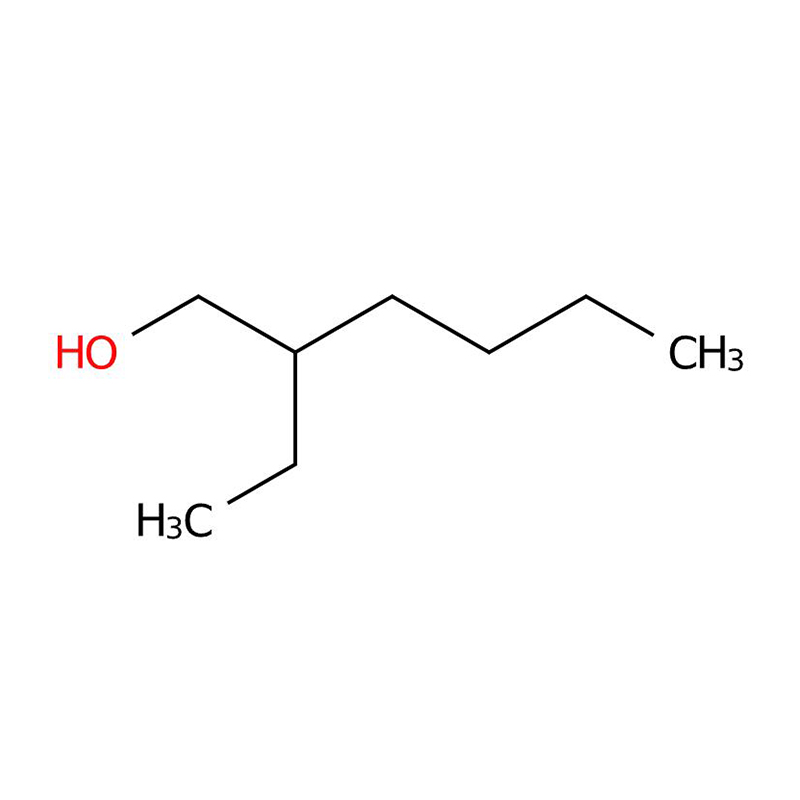
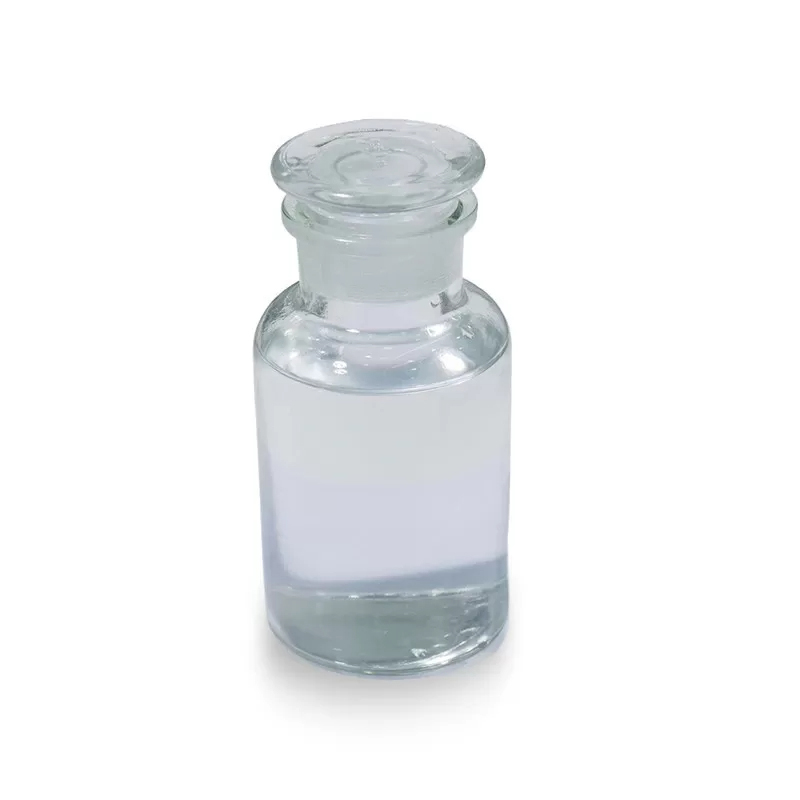
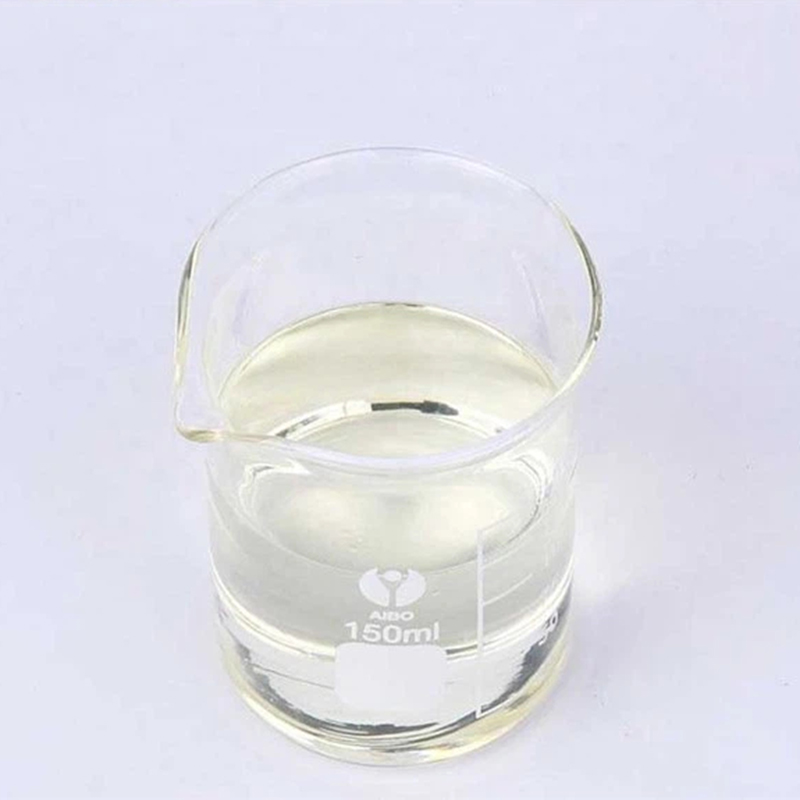
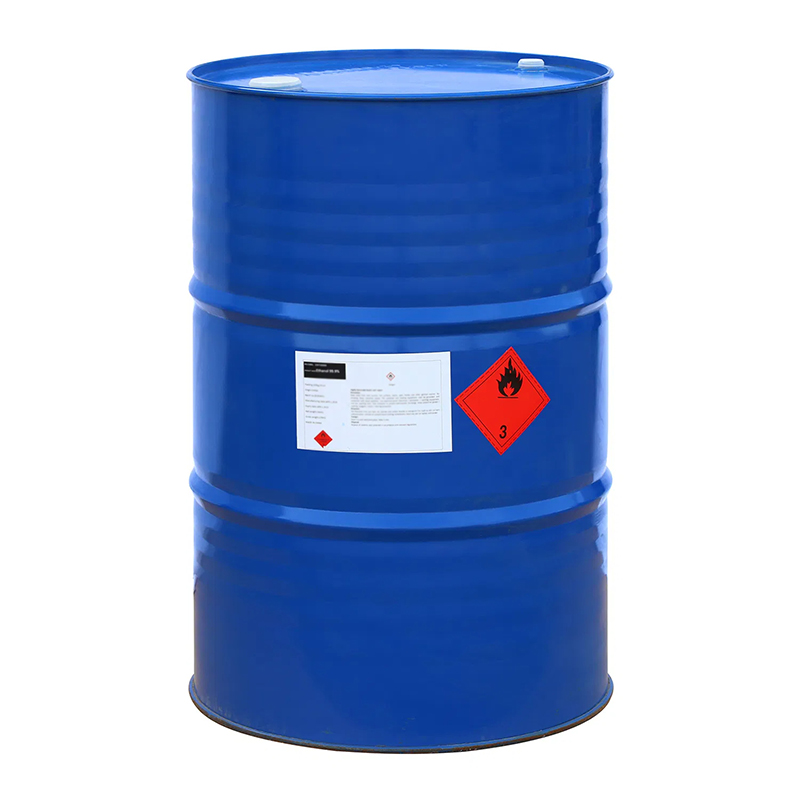
2-Ethylhexanol CAS#104-76-7
1. Key Plasticizer Ingredient: 2-Ethylhexanol is crucial in producing dioctyl phthalate (DOP), the most common plasticizer for PVC applications.
2. Multi-Functional: It serves as a solvent, dispersant, antifoaming agent, and lubricant in various industries.
3. Wide Range of Applications: Besides plasticizers, it's used in mining, diesel additives, corrosion inhibitors, and surfactants.
4. Stable and Effective: The compound is stable and can function in formulations for a variety of chemical products, despite being combustible.
2-Ethylhexanol is commonly referred to as octanol in the plasticizer industry. It serves as a significant chemical feedstock. Besides its role in plasticizer production, octanol is also utilized to manufacture octyl acrylate or act as a surfactant. Its primary applications include the production of: dioctyl phthalate (DOP), dioctyl oxalate (DOA), trioctyl trimellitate (TOTM), other plasticizers, octyl acrylate, surfactants, additives for lubricating bone oil (as listed in chemical references), mining applications, diesel fuel additives, solvents and formulations, corrosion inhibitors, and various other chemical products.
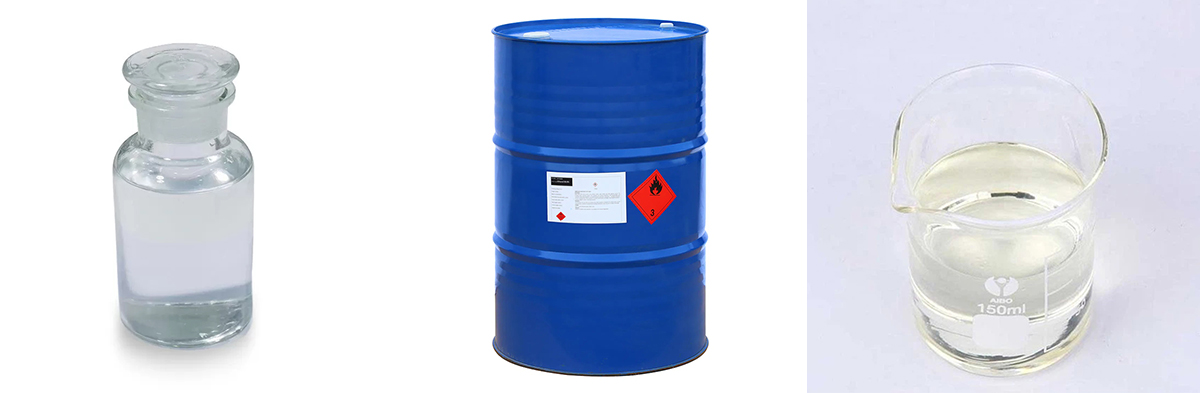
Octanol itself functions as an effective solvent, antifoaming agent, dispersant, and lubricant. Its derivative products mainly consist of plasticizers like dioctyl phthalate and octyl acrylate. Dioctyl phthalate, produced using octanol as a raw material, is the predominant plasticizer for PVC, with approximately 95% of its total consumption dedicated to PVC applications.
Melting point | −76 °C(lit.) |
Boiling point | 183-186 °C(lit.) |
density | 0.833 g/mL at 25 °C(lit.) |
vapor density | 4.49 (vs air) |
vapor pressure | 0.2 mm Hg ( 20 °C) |
refractive index | n20/D 1.431(lit.) |
FEMA | 3151 | 2-ETHYL-1-HEXANOL |
Fp | 171 °F |
storage temp. | Store below +30°C. |
solubility | Water |
form | Liquid |
pka | 15.05±0.10(Predicted) |
color | Clear |
PH | 7 (1g/l, H2O, 20℃) |
Odor | sweet. |
biological source | synthetic |
Odor Threshold | 0.013ppm |
Odor Type | citrus |
explosive limit | 0.88%, 104°F |
Water Solubility | 1 g/L (20 ºC) |
JECFA Number | 267 |
Merck | 14,3808 |
BRN | 1719280 |
Dielectric constant | 3.4(18℃) |
Stability: | Stable. Combustible. Incompatible with strong oxidizing agents, strong acids. |
InChIKey | YIWUKEYIRIRTPP-UHFFFAOYSA-N |
LogP | 2.9 at 25℃ |
CAS DataBase Reference | 104-76-7(CAS DataBase Reference) |
NIST Chemistry Reference | 1-Hexanol, 2-ethyl-(104-76-7) |
EPA Substance Registry System | 2-Ethylhexanol (104-76-7) |
Safety Information
Hazard Codes | Xn,Xi |
Risk Statements | 37/38-41-36-21-52/53-36/37/38-20 |
Safety Statements | 26-36/39-36/37/39-36-61 |
WGK Germany | 2 |
RTECS | MP0350000 |
Autoignition Temperature | 550 °F |
TSCA | Yes |
HS Code | 29051610 |
HS Code | 29339990 |
Hazardous Substances Data | 104-76-7(Hazardous Substances Data) |
Toxicity | LD50 orally in Rabbit: 3730 mg/kg LD50 dermal Rat > 3000 mg/kg |