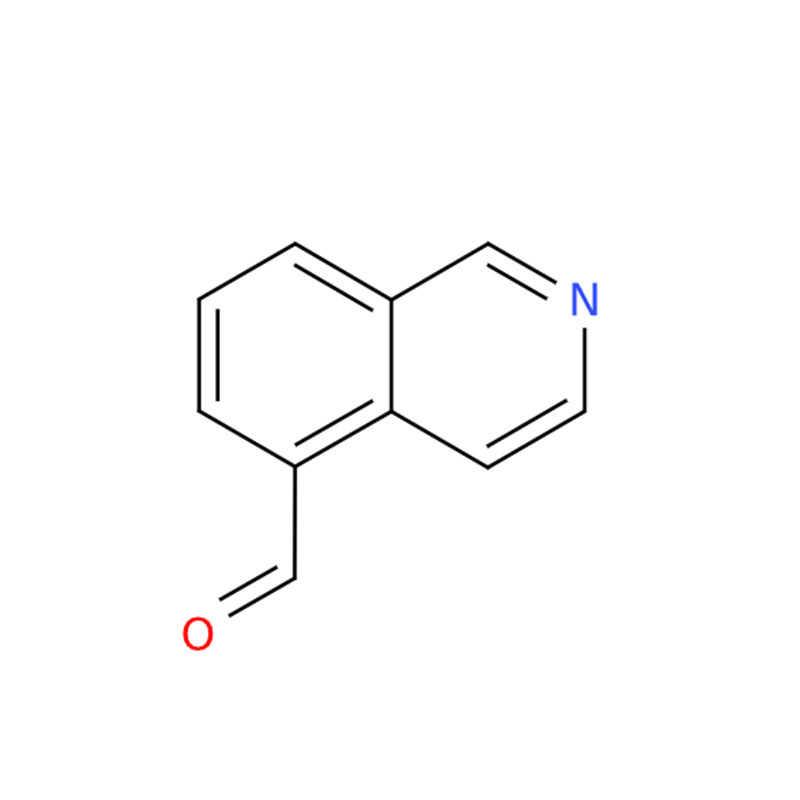
ISOQUINOLINE-5-CARBALDEHYDE CAS#80278-67-7
Important Pharmaceutical Intermediate: Isoquinoline-5-carboxaldehyde is widely used as a key intermediate in the synthesis of various pharmaceutical compounds.
Versatile Organic Synthesis Reagent: The compound is suitable for multiple organic reactions, including oxidation, reduction, and condensation processes.
Supports Advanced Chemical Transformations: It can be used in reactions involving cyanoethyl phosphonate and samarium(II) iodide reduction to convert heteroaryl-formaldehydes into acetonitriles.
Broad Research and Development Applications: Its versatile chemical reactivity makes it valuable for pharmaceutical research, organic synthesis, and fine chemical development.
Products Description of ISOQUINOLINE-5-CARBALDEHYDE CAS#80278-67-7
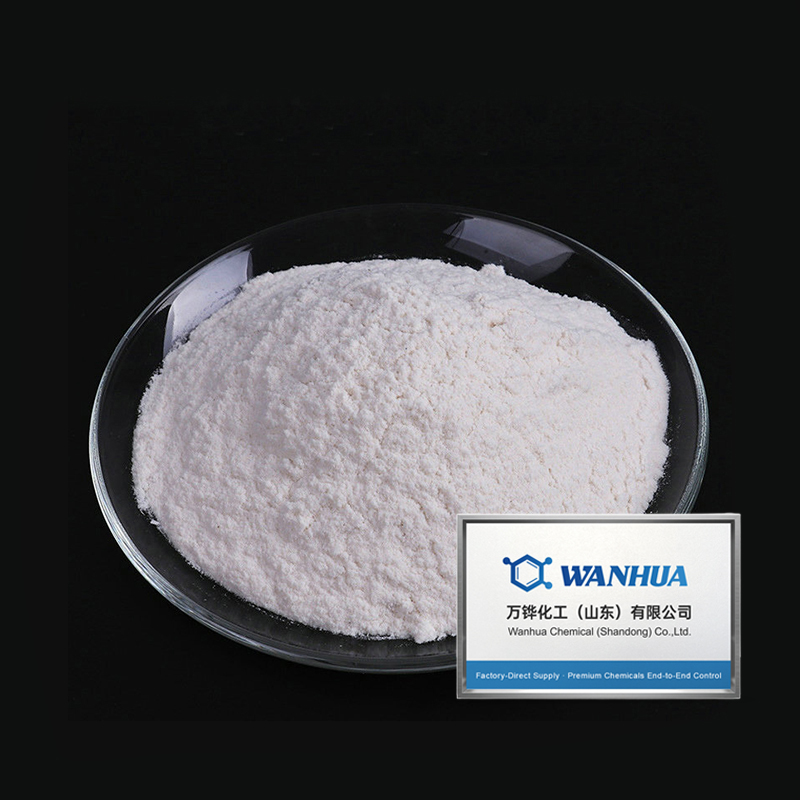
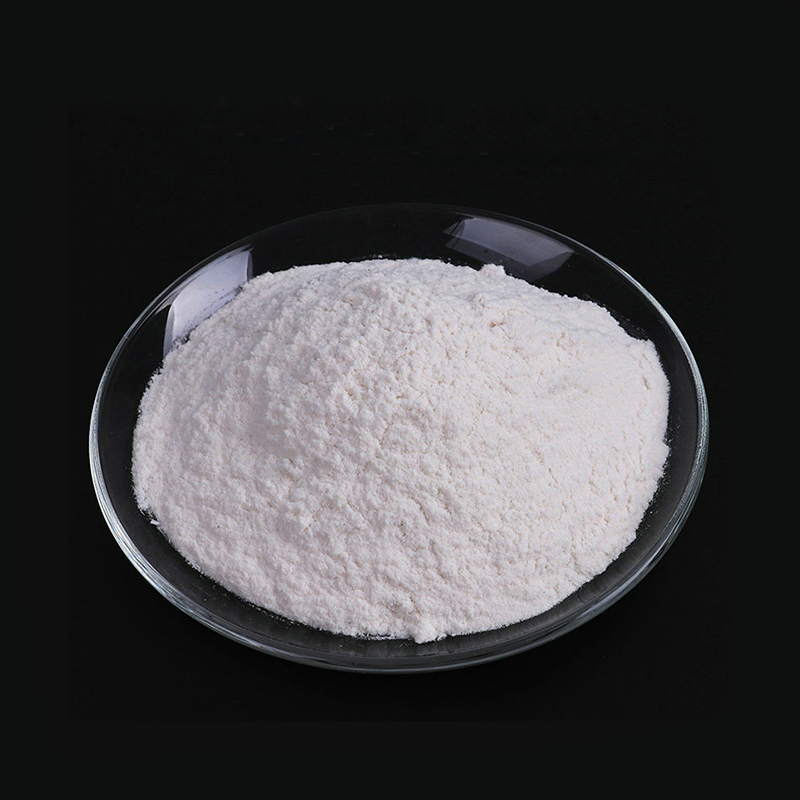
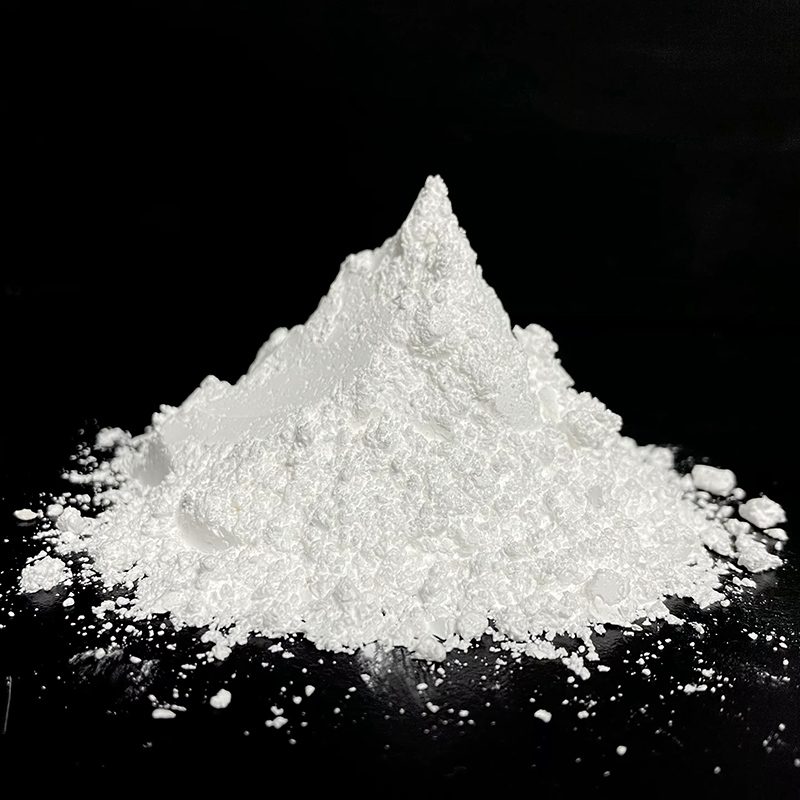
Isoquinoline-5-carboxaldehyde is a compound widely utilized in the pharmaceutical industry. It is typically available as a white to pale yellow or pale orange crystalline powder. The compound has a melting point of 116–120 °C, a predicted boiling point of 331.7 ± 15.0 °C, and a predicted density of 1.223 ± 0.06 g/cm³.
ISOQUINOLINE-5-CARBALDEHYDE Chemical Properties
| Melting point | 116-120 °C |
| Boiling point | 331.7±15.0 °C(Predicted) |
| density | 1.223±0.06 g/cm3(Predicted) |
| storage temp. | Keep in dark place,Sealed in dry,Room Temperature |
| form | powder to crystal |
| pka | 4.53±0.13(Predicted) |
| color | White to Light yellow |
| Sensitive | Air Sensitive |
| BRN | 112875 |
| CAS DataBase Reference | 80278-67-7(CAS DataBase Reference) |
| Hazard Codes | Xn |
| Risk Statements | 36/37/38-36-22 |
| Safety Statements | 26-36 |
| WGK Germany | 3 |
| HazardClass | IRRITANT |
| HS Code | 29334900 |
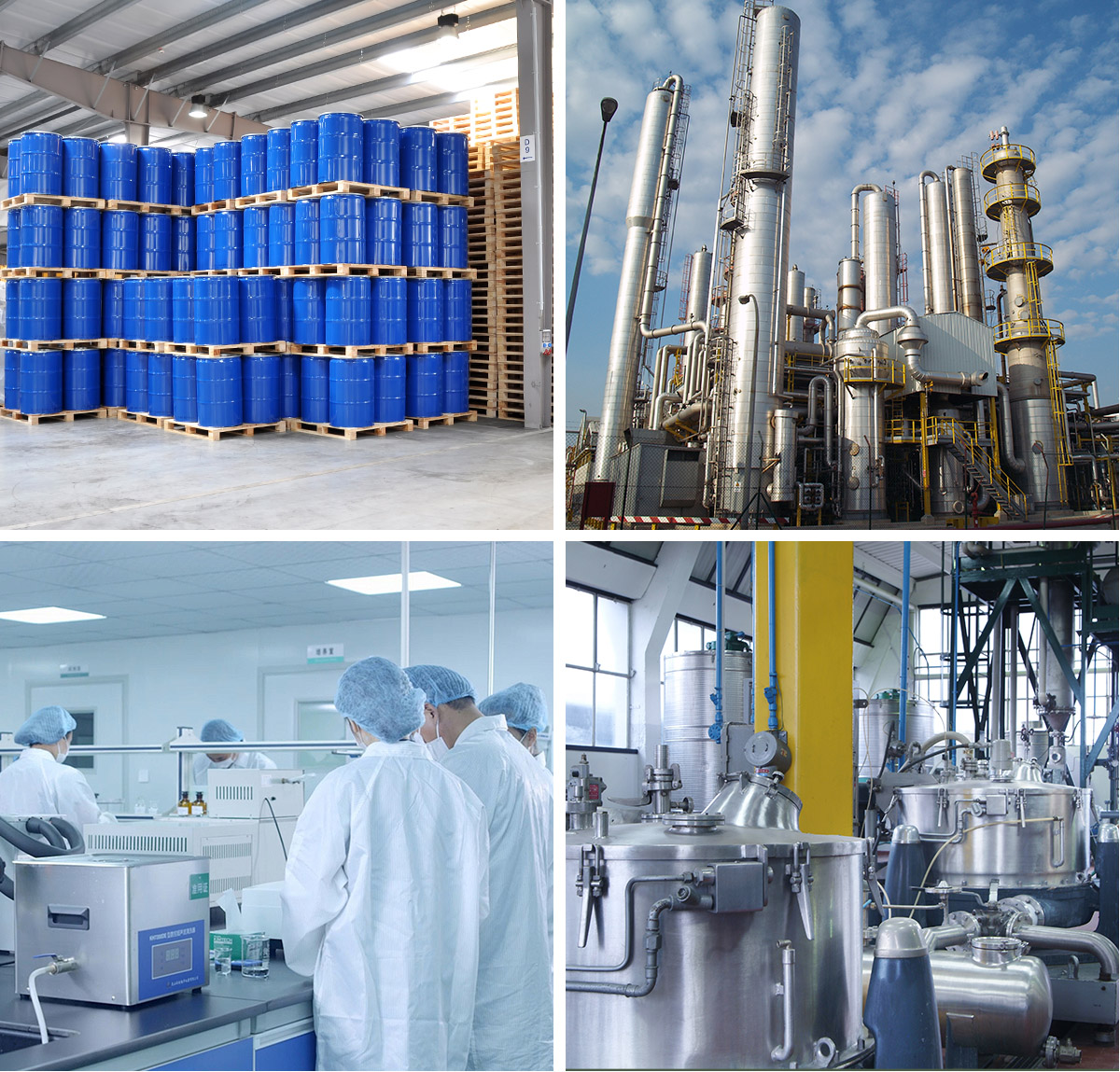
Product Application of ISOQUINOLINE-5-CARBALDEHYDE CAS#80278-67-7
Isoquinoline-5-carboxaldehyde is widely utilized in the pharmaceutical industry as an intermediate for the synthesis of a variety of drug compounds. In organic synthesis, it also serves as a reagent in multiple reactions, including oxidation, reduction, and condensation processes. In addition, treatment with cyanoethyl phosphonate followed by samarium(II) iodide reduction enables the direct conversion of heteroaryl-formaldehydes into acetonitriles.