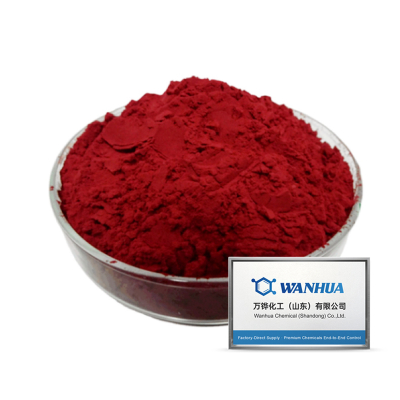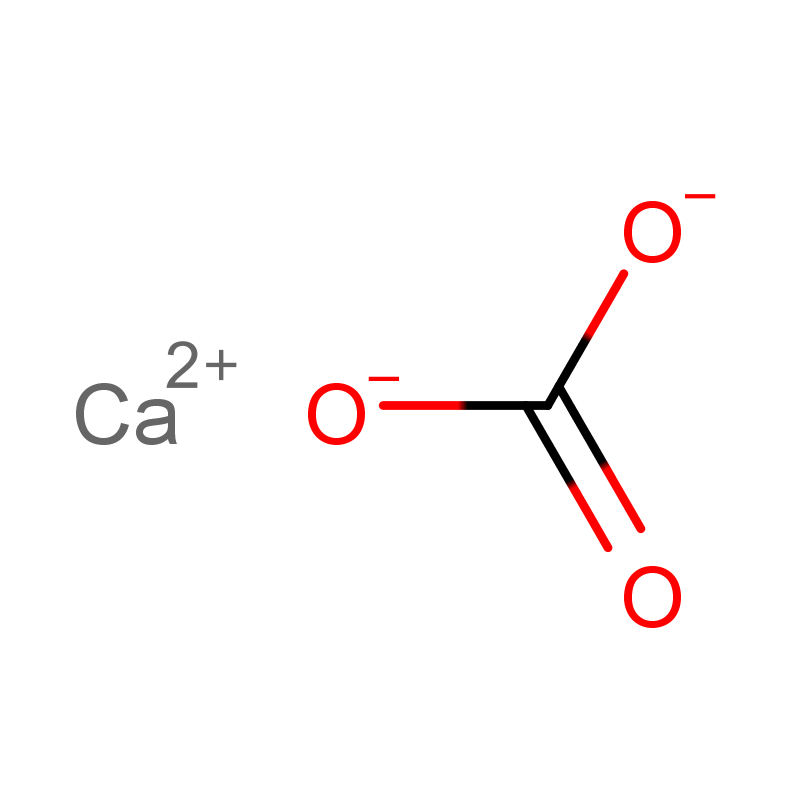
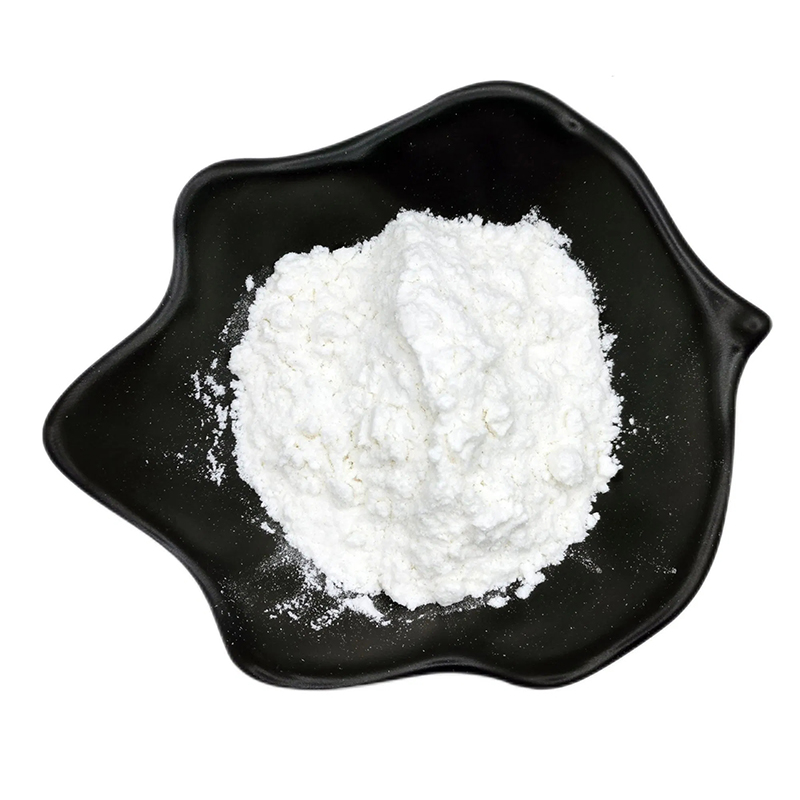
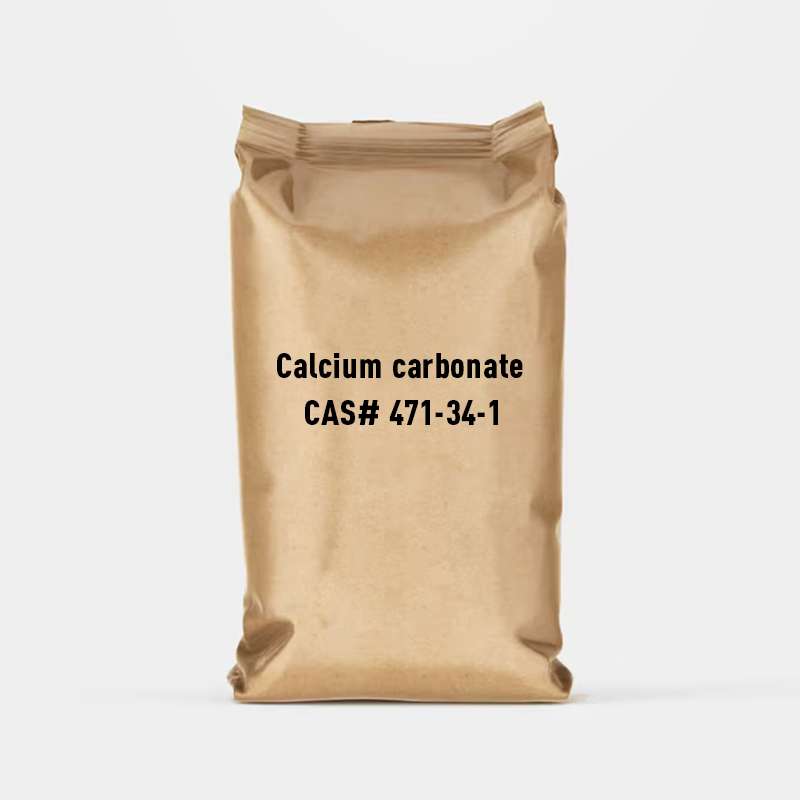

Calcium Carbonate CAS#471-34-1
1. Versatile Applications: Calcium carbonate is widely used in the production of building materials like cement, glass, and plaster, as well as in textiles, papers, paints, plastics, and cosmetics.
2. Purity and Consistency: Precipitated calcium carbonate offers finer particles with greater purity and uniform size, enhancing its commercial applications in various products.
3. Naturally Abundant: It is a naturally occurring compound, found in abundance in the Earth's crust, making it a readily available raw material for industries.
4. Varied Forms: Calcium carbonate exists in different mineral forms, including calcite, aragonite, and the rare vaterite, allowing for diverse applications depending on the desired properties.
Calcium carbonate, found in nature as limestone, marble, chalk, and coral, is widely used in industries like construction, producing cement, plasters, and glass. It also makes quicklime, hydrated lime, and various calcium compounds. Available as powdered or precipitated forms, the latter offers purer, finer particles, useful in textiles, paper, paints, plastics, and cosmetics.
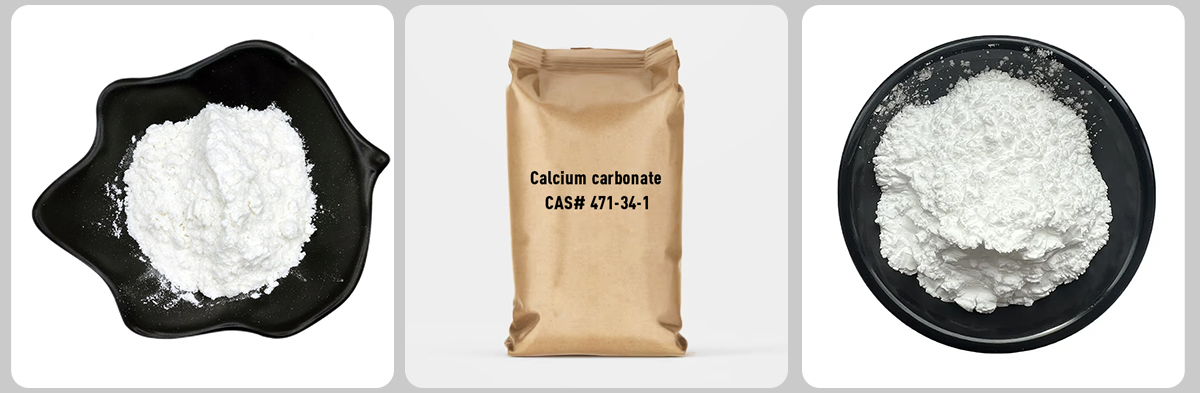
Calcium carbonate exists as calcite (hexagonal) and aragonite (orthorhombic). Calcite decomposes at 825°C, while aragonite melts at 1,339°C. It is insoluble in water but dissolves in dilute acids.
This compound is abundant in the Earth’s crust, with calcite being most common. Its forms depend on the conditions during formation, with vaterite being rare.
Calcium carbonate Chemical Properties
Melting point | 825 °C |
Boiling point | 800 °C |
density | 2.93 g/mL at 25 °C (lit.) |
refractive index | 1.6583 |
storage temp. | Store at +5°C to +30°C. |
solubility | 5 M HCl: 0.1 M at 20 °C, clear, colorless |
form | random crystals |
color | White-beige to slightly beige-gray |
Specific Gravity | 2.93 |
PH | 9.91(1 mM solution);9.91(10 mM solution);9.91(100 mM solution); |
Odor | Odorless |
PH Range | 8 |
Water Solubility | Insoluble |
λmax | λ: 260 nm Amax: ≤0.09 |
Merck | 14,1657 |
BRN | 8008338 |
Solubility Product Constant (Ksp) | pKsp: 8.54 |
Exposure limits | NIOSH: TWA 10 mg/m3; TWA 5 mg/m3 |
Dielectric constant | 6.1(Ambient) |
Stability: | Stable. Incompatible with acids, fluorine, ammonium salts, alum. |
InChIKey | VTYYLEPIZMXCLO-UHFFFAOYSA-L |
CAS DataBase Reference | 471-34-1(CAS DataBase Reference) |
EPA Substance Registry System | Calcium carbonate (471-34-1) |
Safety Information
Hazard Codes | Xi |
Risk Statements | 37/38-41-36/38-36 |
Safety Statements | 26-36/37/39-37/39-37 |
OEB | B |
OEL | TWA: 10 mg/m3 (total) |
WGK Germany | - |
RTECS | FF9335000 |
TSCA | Yes |
HS Code | 28365000 |
Hazardous Substances Data | 471-34-1(Hazardous Substances Data) |
Toxicity | LD50 orally in Rabbit: 6450 mg/kg LD50 dermal Rat > 2000 mg/kg |