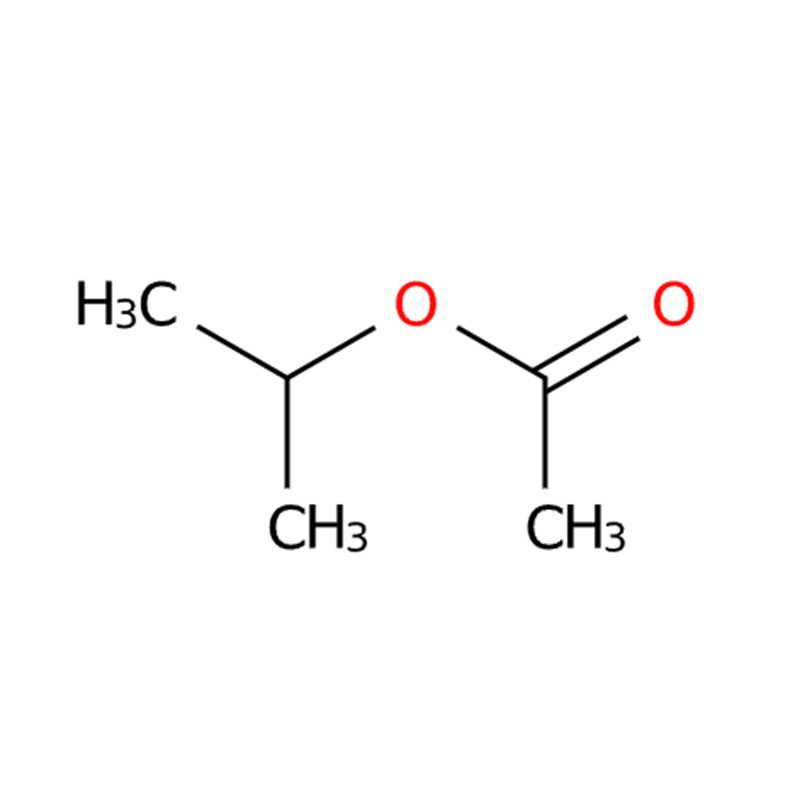
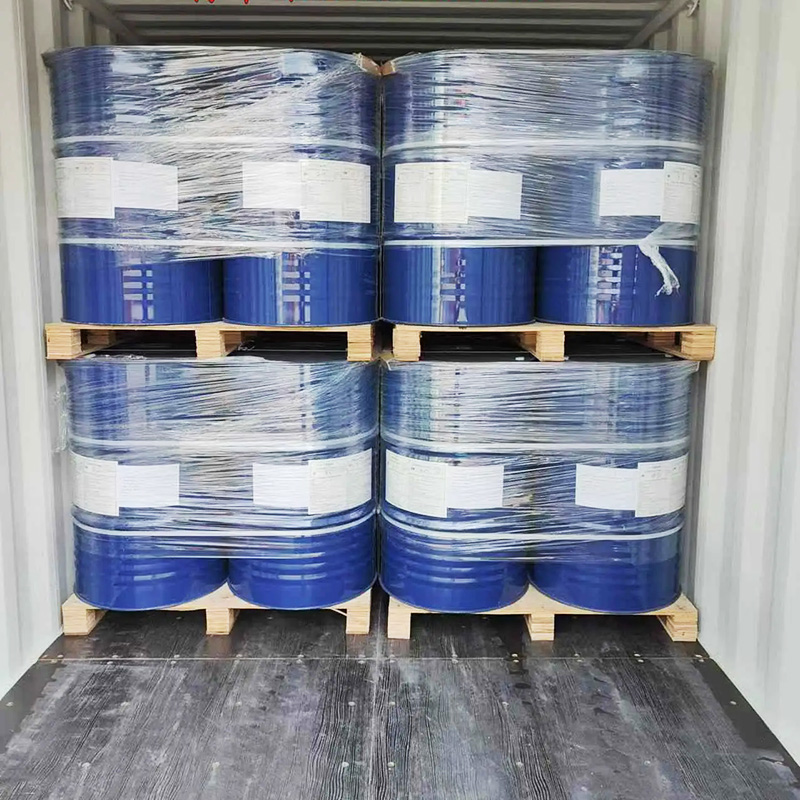
Isopropyl acetate CAS#108-21-4
Excellent Solvent Compatibility – Miscible with most organic solvents, including alcohols, ketones, and ethers, making it suitable for a wide range of industrial formulations.
Pleasant Fruity Aroma – Features a mild fruity odor, making it ideal for applications where aroma characteristics are desirable.
High Volatility for Fast Processing – Its volatile nature enables rapid evaporation, improving drying efficiency in coating, ink, and cleaning applications.
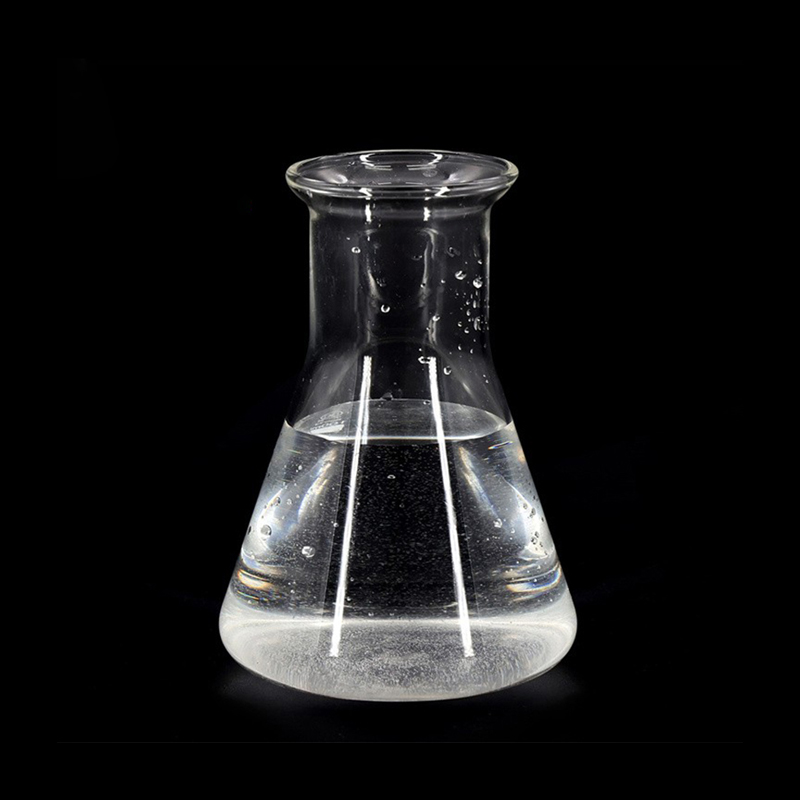
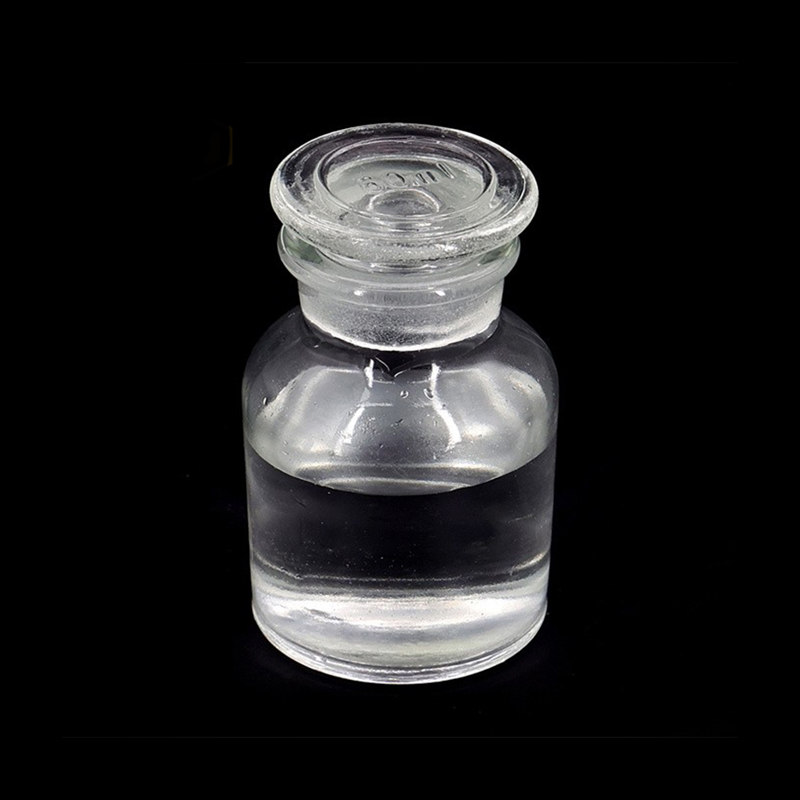
Clear and Stable Liquid – A colorless, transparent liquid with consistent physical properties, ensuring easy handling and reliable performance in manufacturing processes.
Isopropyl Acetate CAS#108-21-4
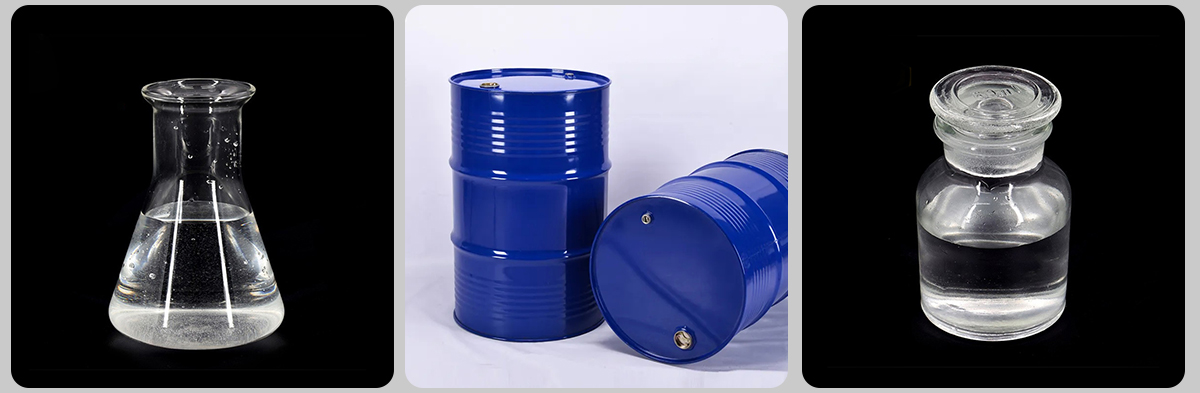
Isopropyl acetate is a colorless, transparent, and volatile liquid with a pleasant fruity aroma. It is miscible with most organic solvents, including alcohols, ketones, and ethers, and has a water solubility of approximately 2.9% (by weight) at 20°C.
| Melting point | -73 °C |
| Boiling point | 88.8 °C |
| density | 0.872 g/mL at 25 °C(lit.) |
| vapor density | 3.5 (vs air) |
| vapor pressure | 47 mm Hg ( 20 °C) |
| refractive index | n20/D 1.377(lit.) |
| FEMA | 2926 | ISOPROPYL ACETATE |
| Fp | 62 °F |
| storage temp. | Store below +30°C. |
| solubility | 1 M HCl: soluble50mg/mL, clear to slightly hazy, colorless |
| form | Liquid |
| color | Clear colorless |
| Odor | Pleasant, fruity; nonresidual. |
| Odor Threshold | 0.16ppm |
| Odor Type | ethereal |
| biological source | synthetic |
| explosive limit | 1.8%, 37°F |
| Water Solubility | 2.90 g/100 mL |
| FreezingPoint | -73.4℃ |
| Sensitive | Moisture Sensitive |
| JECFA Number | 305 |
| Merck | 145205 |
| BRN | 1740761 |
| Henry's Law Constant | 3.3×10⁻² mol/(m3Pa) at 25℃, Brockbank (2013) |
| Exposure limits | TLV-TWA 250 ppm (~950 mg/m3) (ACGIH, MSHA, and OSHA); TLV-STEL 310 ppm (~1185 mg/m3) (ACGIH); IDLH 16,000 ppm (NIOSH). |
| Stability: | Stable. Flammable - note low flash point. Incompatible with strong oxidizing agents, strong acids, nitrates, alkali metals. May attack some plastics and rubber. |
| Cosmetics Ingredients Functions | SOLVENT |
| Cosmetic Ingredient Review (CIR) | Isopropyl acetate (108-21-4) |
| InChI | 1S/C5H10O2/c1-4(2)7-5(3)6/h4H,1-3H3 |
| InChIKey | JMMWKPVZQRWMSS-UHFFFAOYSA-N |
| SMILES | CC(C)OC(C)=O |
| LogP | 1.03-1.18 at 20℃ |
| Surface tension | 21.89mN/m at 298.15K |
| CAS DataBase Reference | 108-21-4(CAS DataBase Reference) |
| NIST Chemistry Reference | Acetic acid, 1-methylethyl ester(108-21-4) |
| EPA Substance Registry System | Isopropyl acetate (108-21-4) |
Safety Information
| Hazard Codes | F,Xi |
| Risk Statements | 11-36/37/38-67-66-36 |
| Safety Statements | 16-26-36-33-29 |
| RIDADR | UN 1220 |
| WGK Germany | 1 |
| RTECS | AI4930000 |
| Autoignition Temperature | 894 °F |
| TSCA | TSCA listed |
| HazardClass | 3 |
| PackingGroup | II |
| HS Code | 29153900 |
| Storage Class | 3 - Flammable liquids |
| Hazard Classifications | Eye Irrit. 2 |
| Flam. Liq. 2 | |
| STOT SE 3 | |
| Hazardous Substances Data | 108-21-4(Hazardous Substances Data) |
| Toxicity | LD50 orally in rats: 6.75 g/kg (Smyth) |
| IDLA | 1,800 ppm |
Product Application of CAS#108-21-4
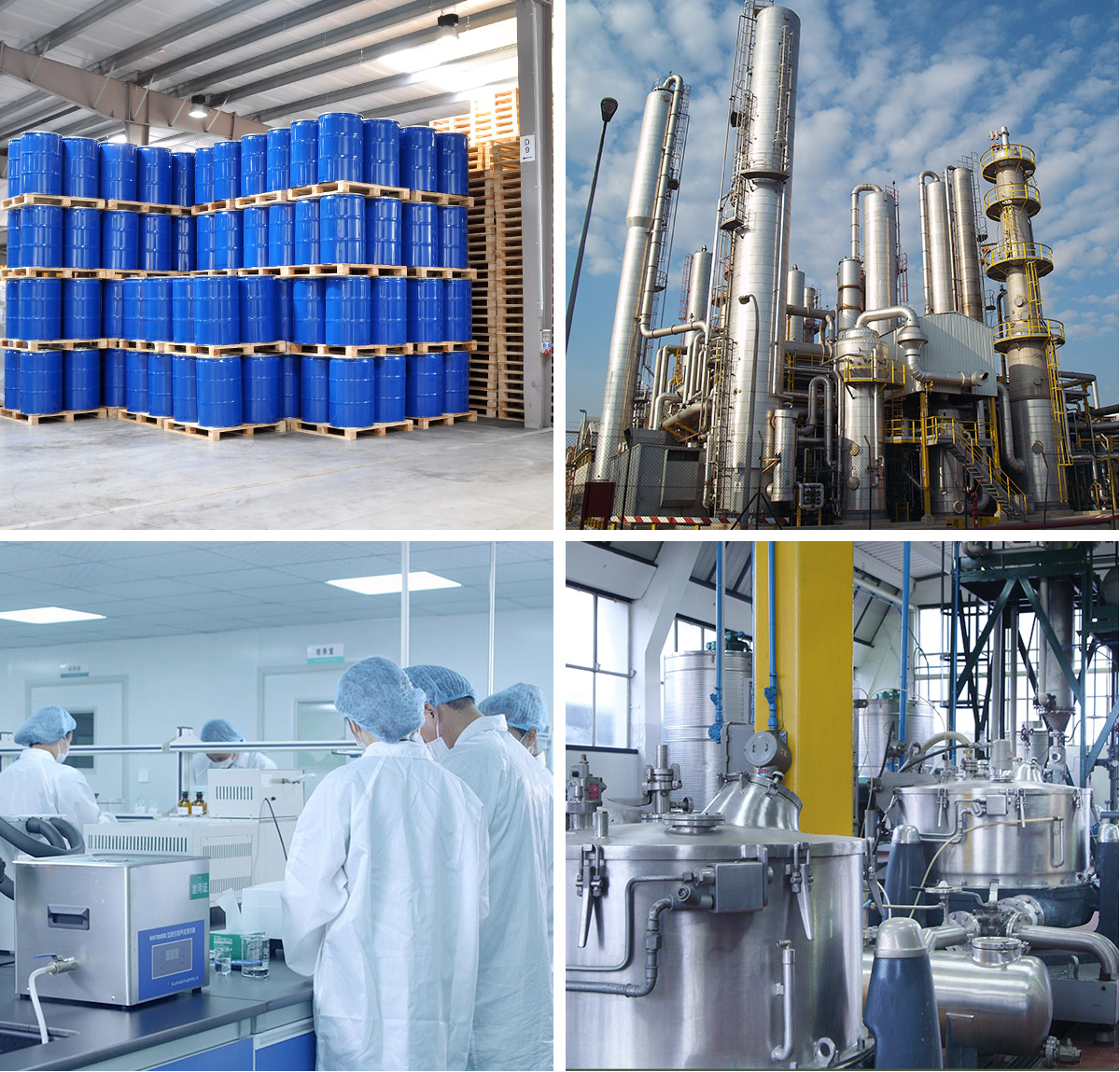
Isopropyl acetate is primarily used as a solvent in coatings and printing inks. It is also widely used as an industrial dehydrating agent, an extractant in pharmaceutical manufacturing, and a fragrance ingredient in various formulations.