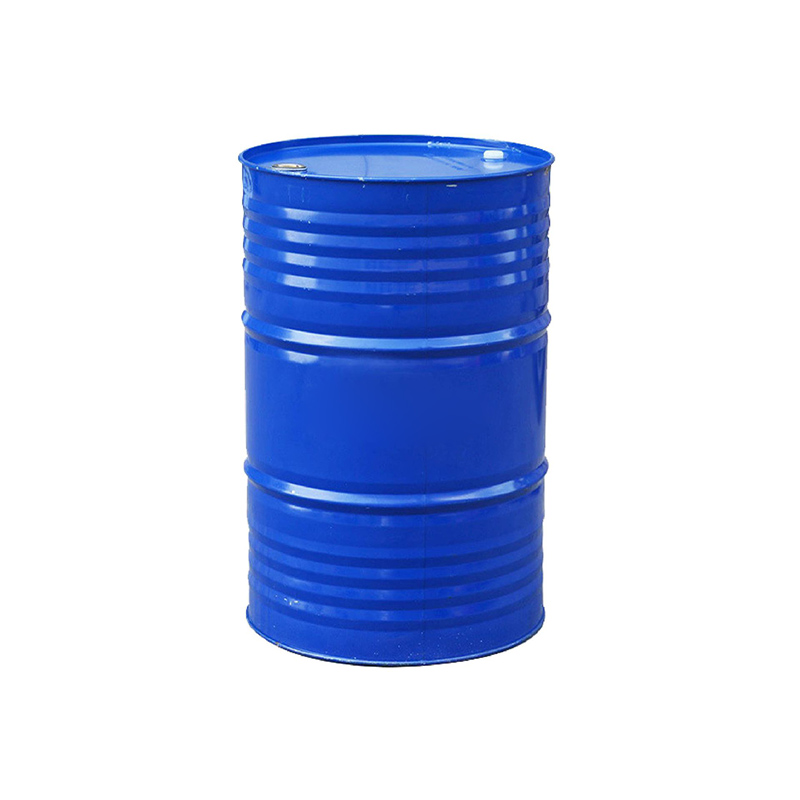
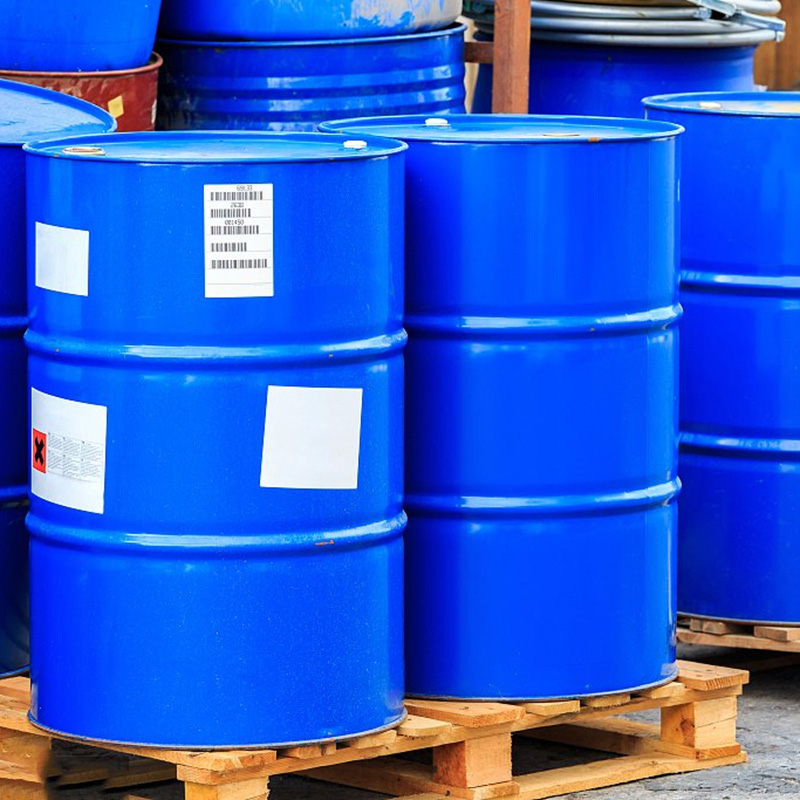
Dioctyl sebacate CAS#122-62-3
High Plasticizing Efficiency: Dioctyl sebacate offers excellent plasticizing performance, improving flexibility and processing efficiency in polymer formulations.
Outstanding Low-Temperature Resistance: It provides superior cold resistance, making it especially suitable for products requiring reliable performance in low-temperature environments.
Excellent Thermal, Light, and Electrical Stability: The product features good heat resistance, light resistance, and electrical insulation properties, supporting long-term durability in demanding applications.
Enhanced Surface Finish and Processing Lubricity: With good lubricity under heat, it improves product appearance and tactile feel, making it ideal for cold-resistant wires, cables, artificial leather, films, sheets, and plates.
Product Description of Dioctyl Sebacate CAS#122-62-3
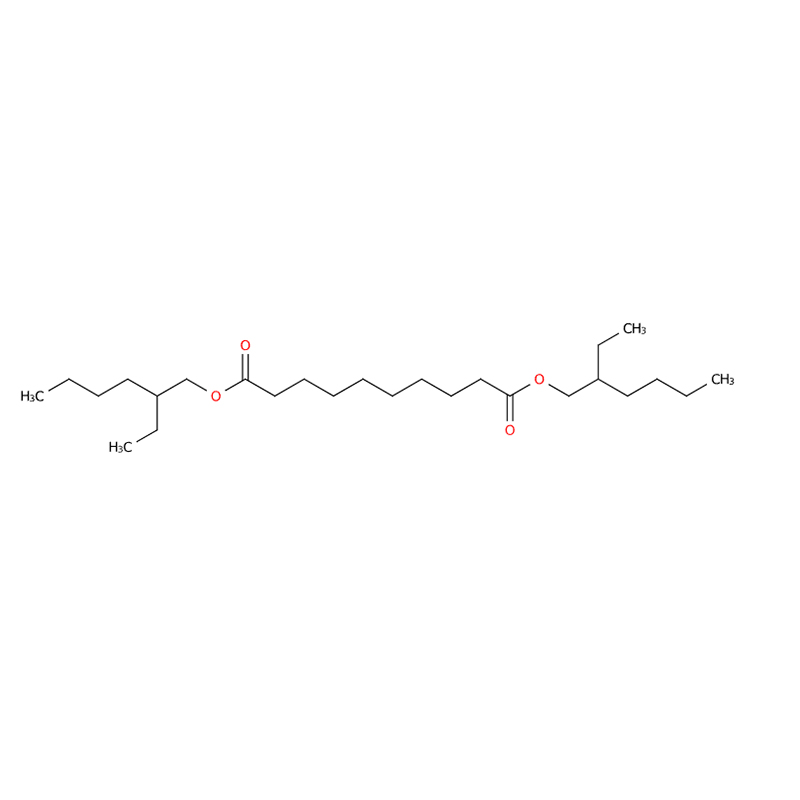
Dioctyl sebacate, also known as bis(2-ethylhexyl) sebacate (DOS), is produced through the esterification of sebacic acid and 2-ethylhexanol. It is widely compatible with polyvinyl chloride (PVC), vinyl chloride copolymers, nitrocellulose, ethyl cellulose, and synthetic rubber.
The product features high plasticizing efficiency and low volatility, along with excellent cold resistance, good heat resistance, light stability, and electrical insulation properties. In addition, it provides good lubricity during heating, which helps improve both the appearance and tactile quality of finished products.
Dioctyl sebacate is especially suitable for the production of cold-resistant wire and cable materials, artificial leather, films, plates, and sheets.
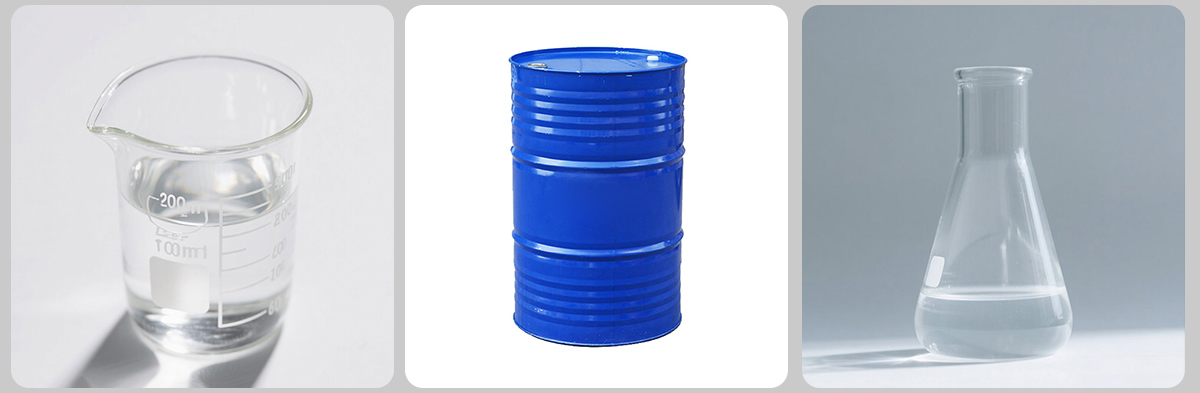
Dioctyl sebacate Chemical Properties
| Melting point | -55 °C |
| Boiling point | 212 °C1 mm Hg(lit.) |
| Density | 0.914 g/mL at 25 °C(lit.) |
| Vapor pressure | <0.01 hPa (20 °C) |
| Refractive index | n20/D 1.450(lit.) |
| Fp | >230 °F |
| Storage temp | Store below +30°C. |
| Solubility | <1g/l |
| Form | Liquid |
| Color | Clear slightly yellow |
| Water Solubility | <0.1 g/L (20 ºC) |
| Merck | 141251 |
| BRN | 1806504 |
| Stability | Stable. Combustible. Incompatible with strong oxidizing agents. |
| InChIKey | VJHINFRRDQUWOJ-UHFFFAOYSA-N |
| LogP | 9.722 (est) |
| CAS DataBase Reference | 122-62-3(CAS DataBase Reference) |
| NIST Chemistry Reference | Decanedioic acid, bis(2-ethylhexyl) ester(122-62-3) |
| EPA Substance Registry System | Bis(2-ethylhexyl) sebacate (122-62-3) |
Safety Information
| Safety Statements | 24/25 |
| WGK Germany | - |
| RTECS | VS1000000 |
| TSCA | Yes |
| HS Code | 29171390 |
| Hazardous Substances Data | 122-62-3(Hazardous Substances Data) |
| Toxicity | mouse,LD50,oral,9500mg/kg (9500mg/kg),"Toxicometric Parameters of Industrial Toxic Chemicals Under Single Exposure," Izmerov, N.F., et al., Moscow, Centre of International Projects, GKNT, 1982Vol. -, Pg. 62, 1982. |
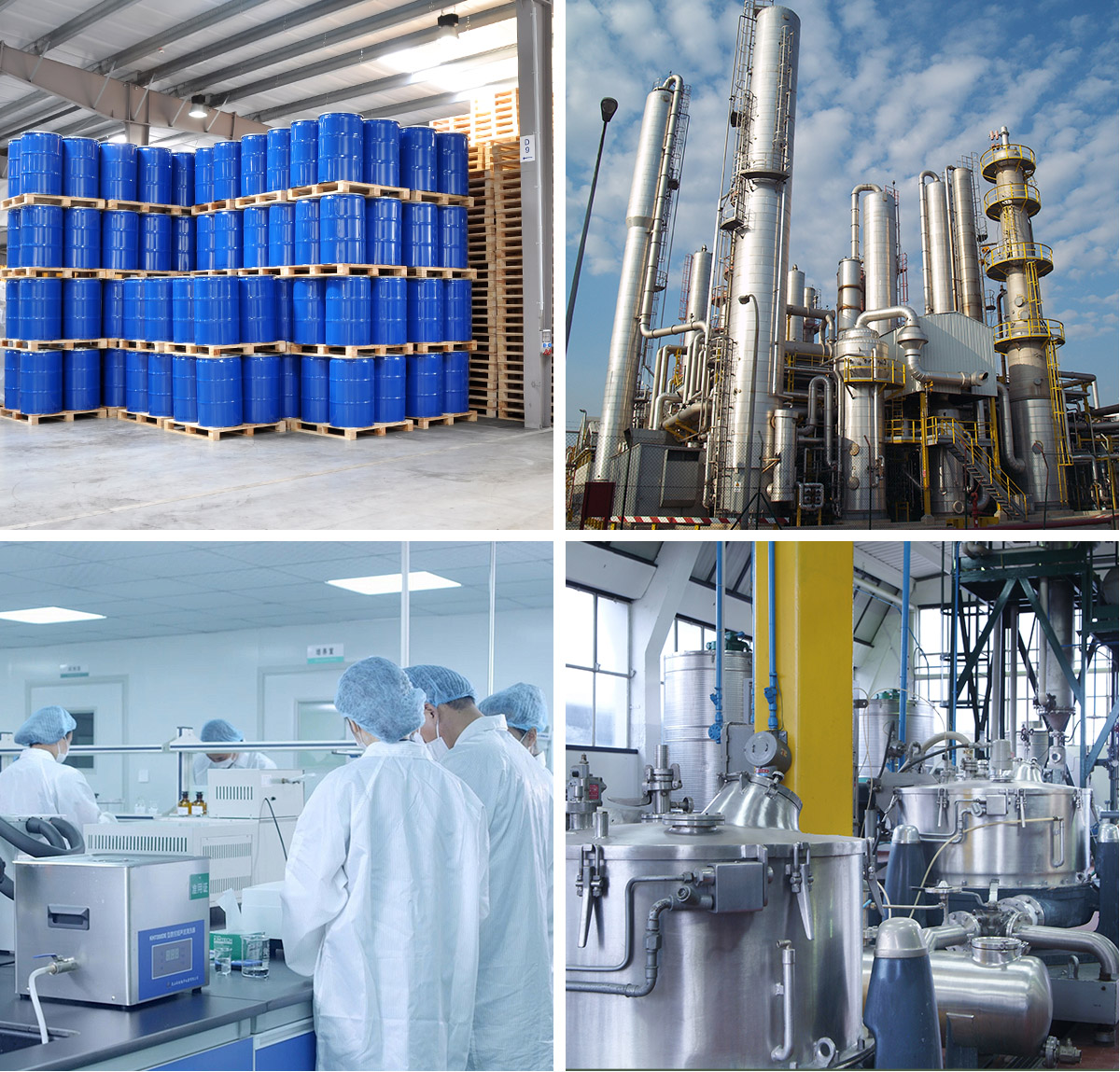
Product Application of Dioctyl Sebacate CAS#122-62-3
Dioctyl sebacate can be used as a low-temperature plasticizer and is also applied in the formulation of synthetic lubricants for jet engines. It is widely suitable for polyvinyl chloride (PVC), vinyl chloride copolymers, nitrocellulose, ethyl cellulose, and synthetic rubber.
The product offers high plasticizing efficiency with low volatility, together with excellent cold resistance, good heat resistance, light stability, and electrical insulation properties. In addition, its good lubricity under heating conditions helps improve both the appearance and tactile quality of finished products.
It is especially suitable for the manufacture of cold-resistant wire and cable materials, artificial leather, films, plates, and sheets.