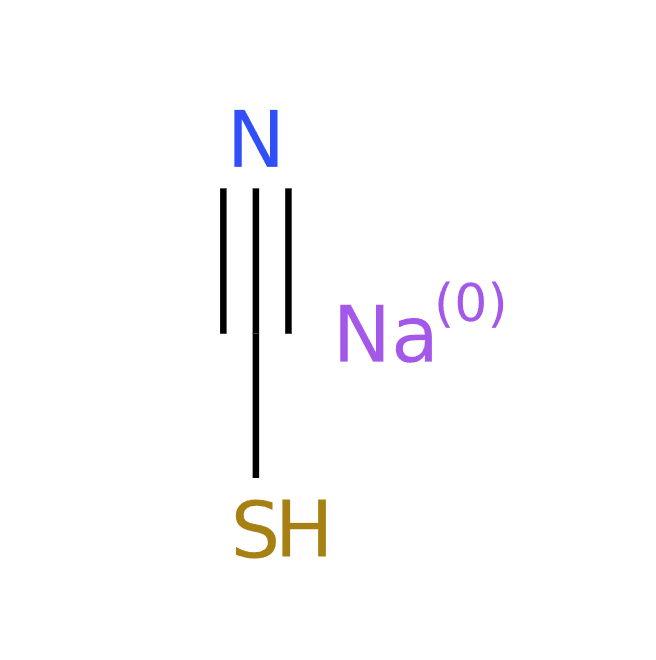
Sodium Thiocyanate CAS#540-72-7
Solubility: Sodium thiocyanate is highly soluble in water, ethanol, and acetone, enhancing its versatility in various applications.
High Melting Point: With a melting point of approximately 287°C, it offers good thermal stability for high-temperature processes.
Chemical Reactivity: The compound’s reactive nature makes it useful in various industrial chemical applications, though it should be handled with care.
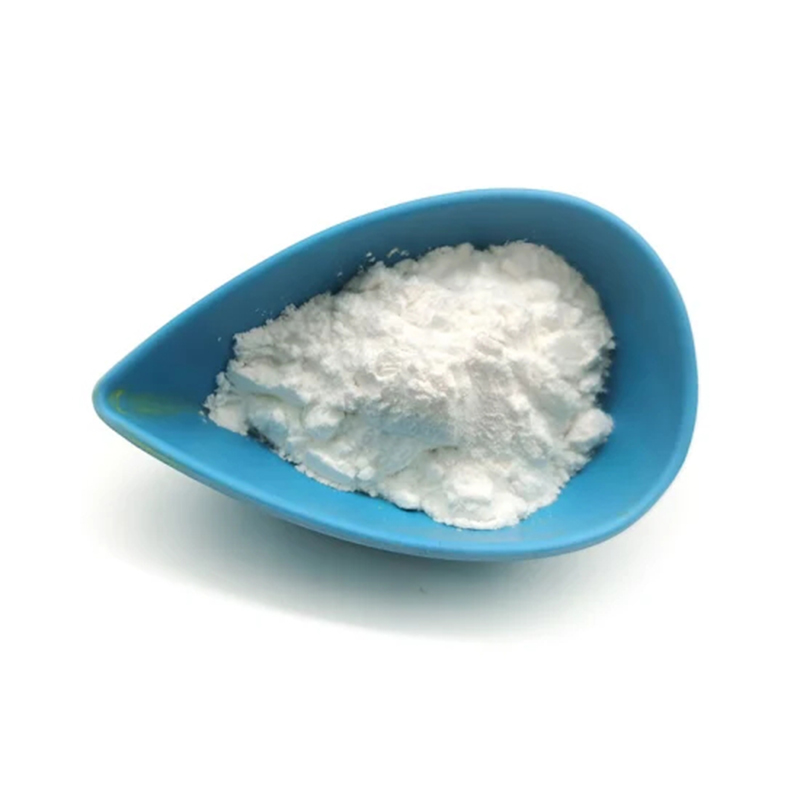
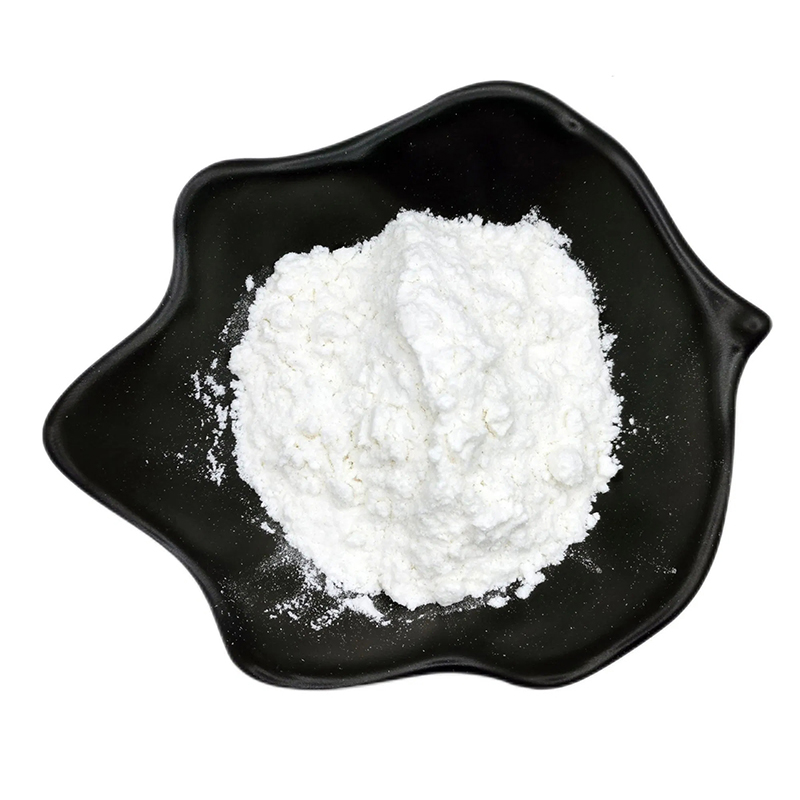
Crystal Structure: Its white rhombic crystalline form ensures easy handling and accurate measurement in industrial settings.
Sodium thiocyanate is a white crystalline substance with a rhombic structure. It is soluble in water, ethanol, and acetone, with a relative density of 1.735. It has a melting point of approximately 287°C. When heated or exposed to light, it decomposes, releasing toxic fumes such as sulfur oxides, nitrogen oxides, and cyanides. It reacts vigorously with acids, strong bases, and powerful oxidants.
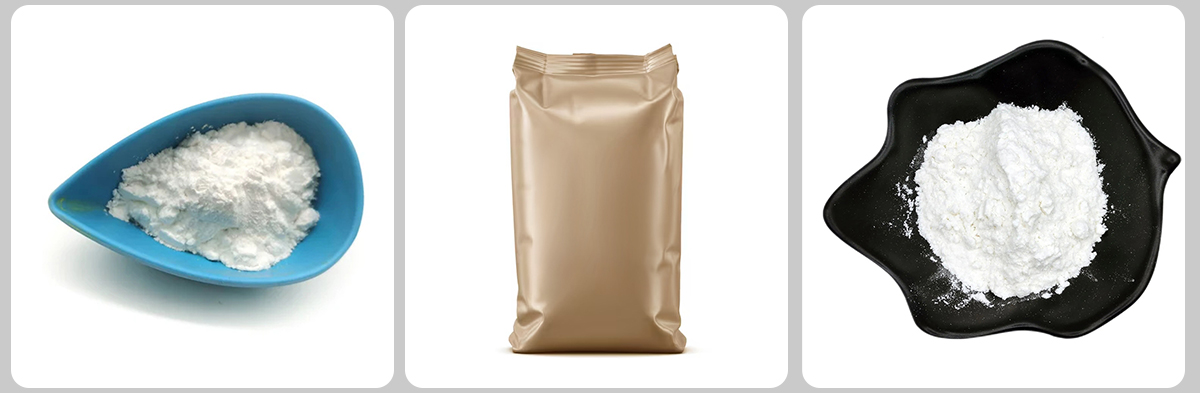
Parameters
Melting point | 287 °C (dec.) (lit.) |
bulk density | 800-1000kg/m3 |
density | 1.295 g/mL at 20 °C |
vapor pressure | <1 hPa (20 °C) |
refractive index | 1.545 |
storage temp | Store at +5°C to +30°C. |
solubility | H2O: 8 M at 20 °C, clear, colorless |
form | Solid |
color | White |
Odor | Odorless |
PH | 6-8 (100g/l, H2O, 20℃) |
Water Solubility | 139 g/100 mL (21 ºC) |
Sensitive | Hygroscopic |
Merck | 14,9327 |
BRN | 3594965 |
Exposure limits | NIOSH: IDLH 25 mg/m3 |
Stability | Stable. Incompatible with acids, strong bases. May decompose on exposure to light. Contact with acid liberates highly toxic gas. |
InChIKey | VGTPCRGMBIAPIM-UHFFFAOYSA-M |
LogP | 0.58 |
CAS DataBase Reference | 540-72-7(CAS DataBase Reference) |
EPA Substance Registry System | Sodium thiocyanate (540-72-7) |
Absorption | cut-off at 276nm in H2O at 8M |
Safety Information
Hazard Codes | Xn |
Risk Statements | 32-52/53-20/21/22-36 |
Safety Statements | 36/37-61-13-46-26 |
WGK Germany | 1 |
RTECS | XL2275000 |
F | 3 |
TSCA | Yes |
HS Code | 28429011 |
Toxicity | LD50 orally in rats: 764 mg/kg; i.v. in mice: 484 mg/kg (Anderson, Chen) |
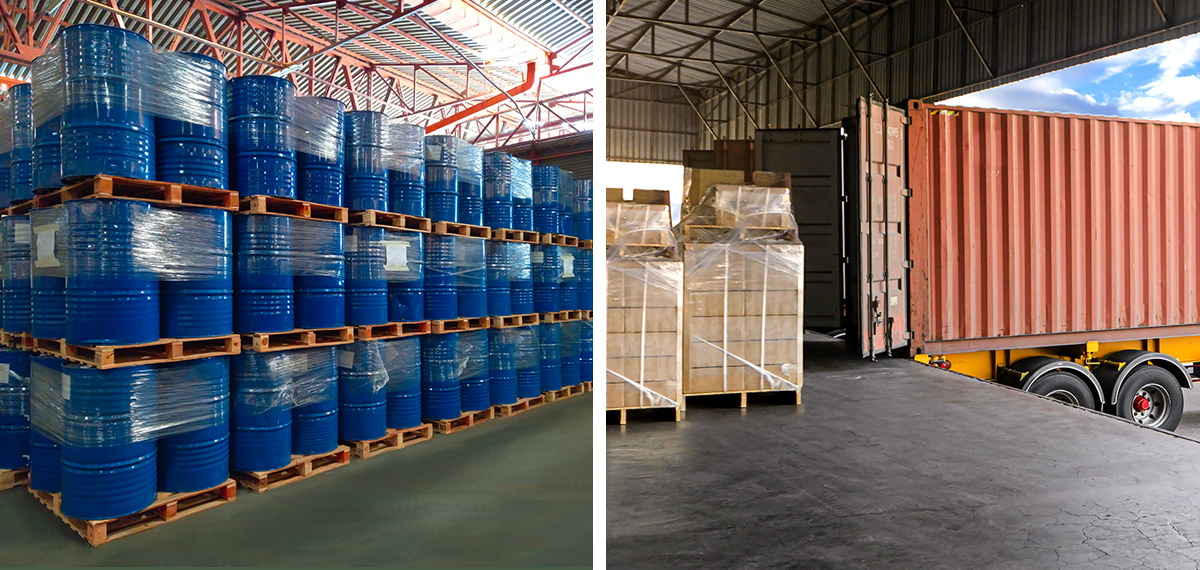
Sodium thiocyanate is an essential chemical raw material with significant applications across multiple industries. It is primarily utilized as a solvent in the production of acrylic fibers, as a reagent in chemical analysis, in color film rinsing processes, and in certain plant defoliants and herbicides for airport road maintenance. Additionally, sodium thiocyanate plays a role in pharmaceuticals, printing and dyeing, rubber processing, black nickel plating, and the production of artificial mustard oil.