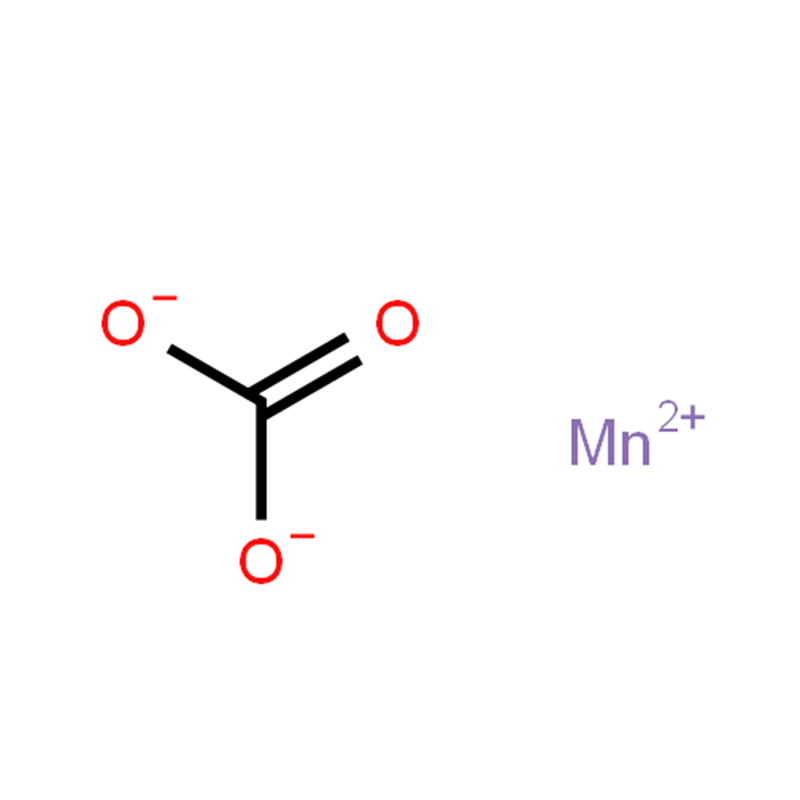

Manganese Carbonate CAS#598-62-9
Naturally Sourced – Derived from the mineral rhodochrosite, ensuring a reliable and naturally occurring raw material.
Laboratory Synthesis Ready – Can be easily prepared under controlled conditions using common reagents like sodium bicarbonate and CO₂.
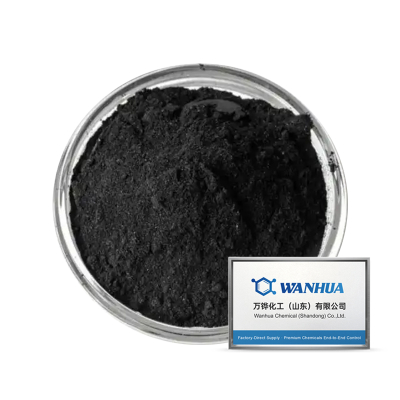
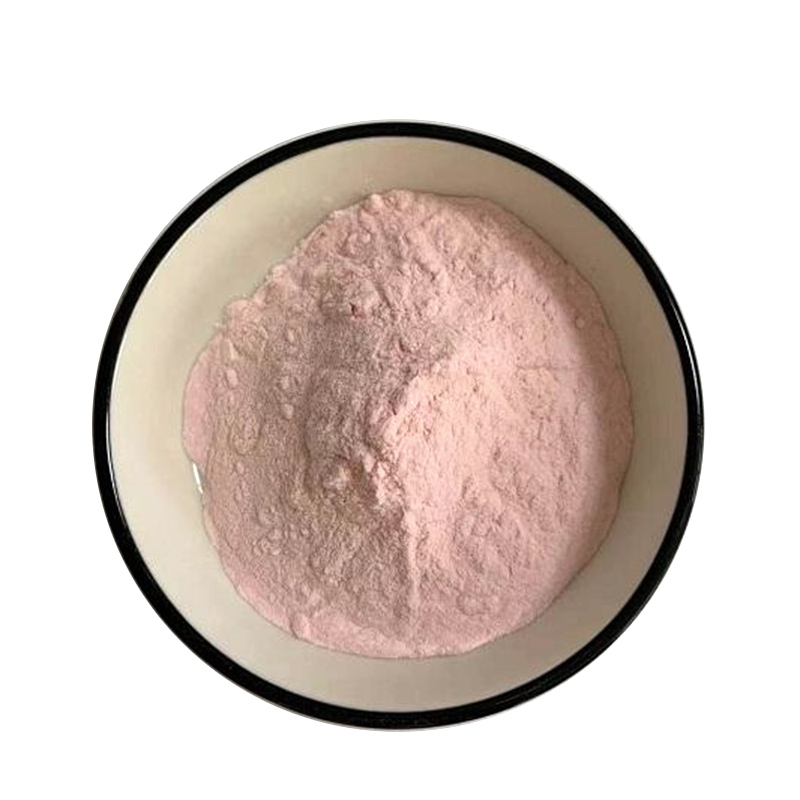
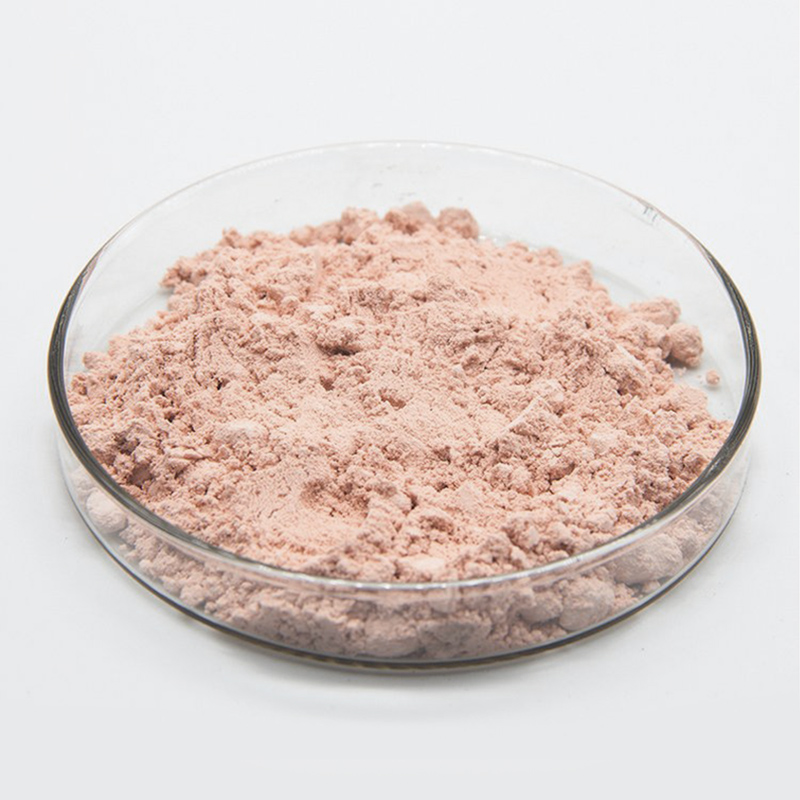
Distinctive Appearance – Forms as a pale pink precipitate, which aids in easy visual identification during synthesis.
Stable Hydrated Form – Typically obtained as the monohydrate (MnCO₃·H₂O), offering stability for various applications.
Manganese(II) carbonate is naturally sourced from the mineral rhodochrosite. In laboratory settings, it can be synthesized as a pale pink precipitate by introducing sodium bicarbonate into a manganese(II) salt solution saturated with carbon dioxide. The resulting compound is the monohydrate form, MnCO₃·H₂O.
Parameters
Melting point | 350°C (dec.) |
density | 3.12 g/mL at 25 °C(lit.) |
solubility | dilute aqueous acid: slightly soluble(lit.) |
form | |
color | Light brown to violet |
Specific Gravity | 3.125 |
Water Solubility | Soluble in water(0.065g/L), dilute inorganic acids. Insoluble alcohol. |
Merck | 14,5726 |
Solubility Product Constant (Ksp) | pKsp: 10.63 |
Exposure limits | ACGIH: TWA 0.02 mg/m3; TWA 0.1 mg/m3 |
Stability | Stable. Incompatible with strong acids, strong oxidizi ng agents. May be moisture senstive. |
LogP | -0.809 (est) |
CAS DataBase Reference | 598-62-9(CAS DataBase Reference) |
EPA Substance Registry System | Manganese carbonate (1:1) (598-62-9) |
Safety Information
Safety Statements | 22-24/25 |
WGK Germany | 3 |
RTECS | OM2470000 |
TSCA | Yes |
HS Code | 2836991780 |
Hazardous Substances Data | 598-62-9(Hazardous Substances Data) |
Manganese carbonate is widely used as an additive in plant fertilizers to correct manganese deficiencies in crops. Additionally, it finds applications in health supplements, serves as a glaze colorant and flux in ceramics, and is used in concrete staining. In the medical field, it functions as a hematinic—a nutrient essential for blood cell production during haematopoiesis, particularly involving iron, vitamin B12, and folate.