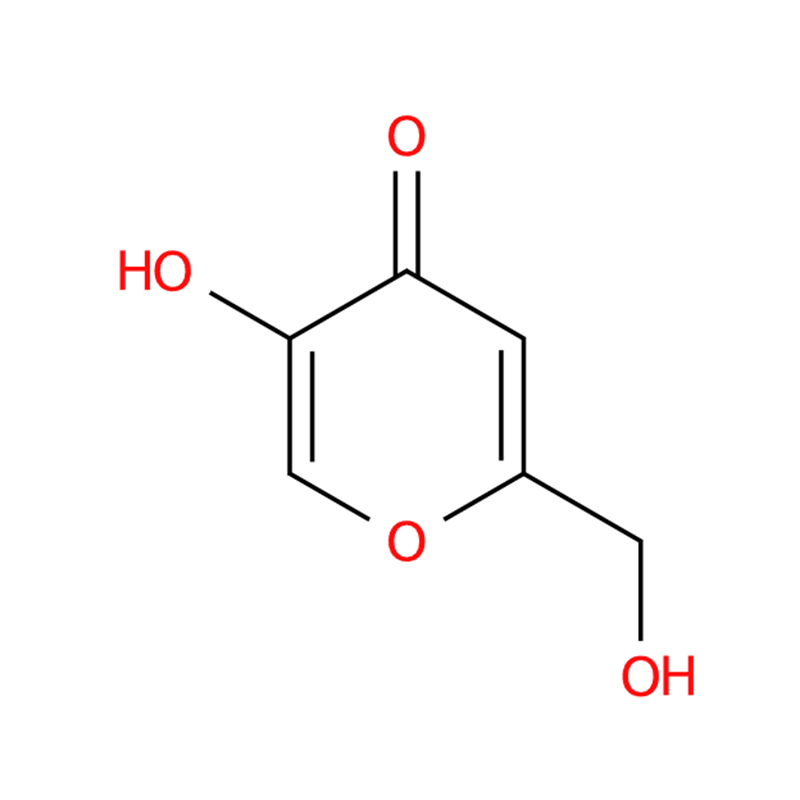
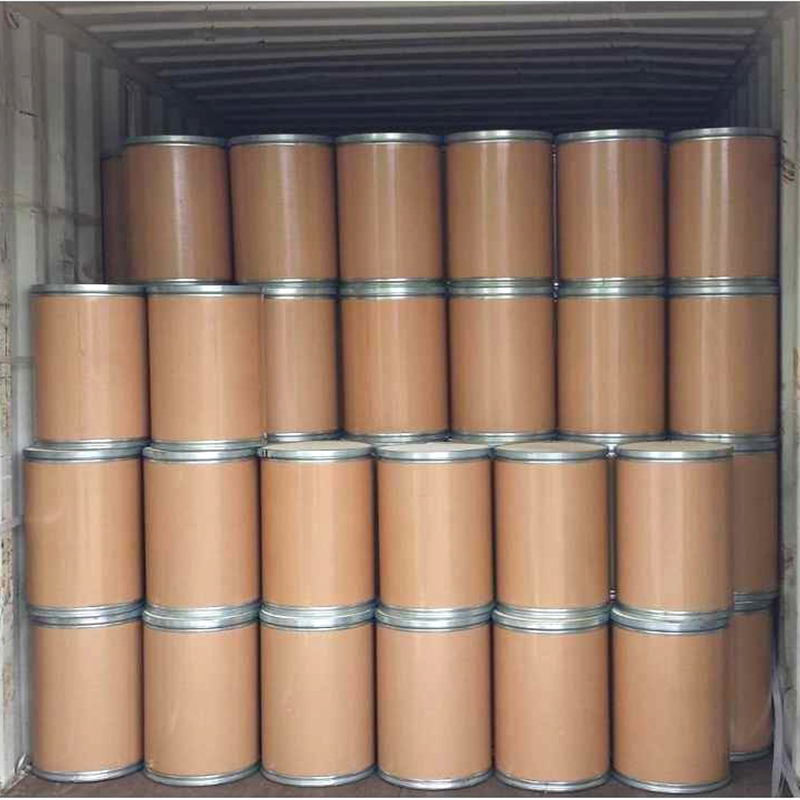
Kojic Acid CAS#501-30-4
Effective Skin Lightening: Kojic acid is a potent tyrosinase inhibitor that helps reduce melanin production, making it an effective skin-lightening agent.
Widely Used in Cosmetics: It is commonly incorporated into regular and bleaching cosmetics, enhancing their skin-whitening properties.
Therapeutic Benefits: Kojic acid is recognized for its therapeutic effects, helping to prevent and reduce pigmentation.
Natural Source: Produced by fungi like Aspergillus oryzae, it is a natural and safe alternative for skin care formulations.
Kojic acid, a tyrosinase inhibitor, is produced by various fungi species, such as Aspergillus oryzae. It has skin-lightening properties due to its ability to bind with the copper-containing enzyme tyrosinase, which is involved in melanin formation. Kojic acid is widely used as a whitening agent in everyday cosmetics, bleaching products, and more. Additionally, it serves as a therapeutic agent, helping to prevent pigmentation.
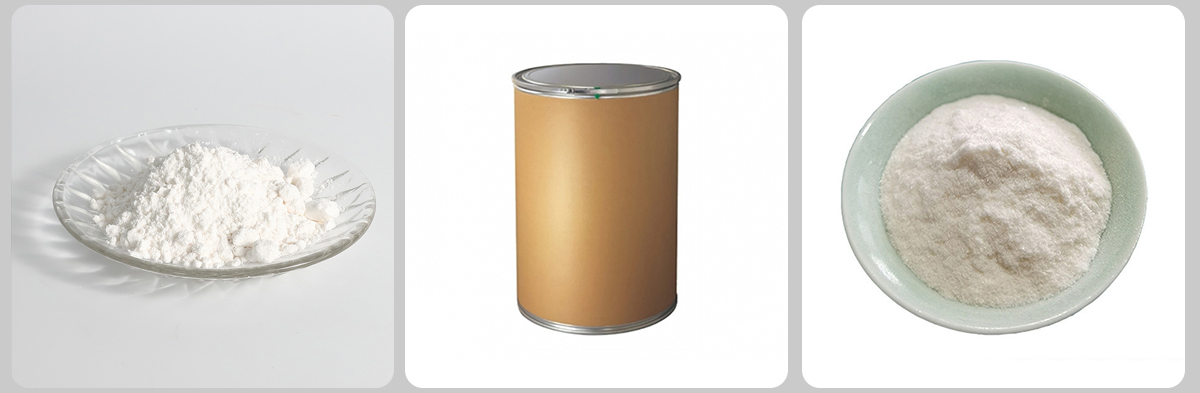
Kojic acid Chemical Properties
Melting point | 152-155 °C (lit.) |
Boiling point | 179.65°C (rough estimate) |
density | 1.1712 (rough estimate) |
refractive index | 1.4434 (estimate) |
storage temp. | Store below +30°C. |
solubility | DMSO (Slightly), Methanol (Slightly, Sonicated) |
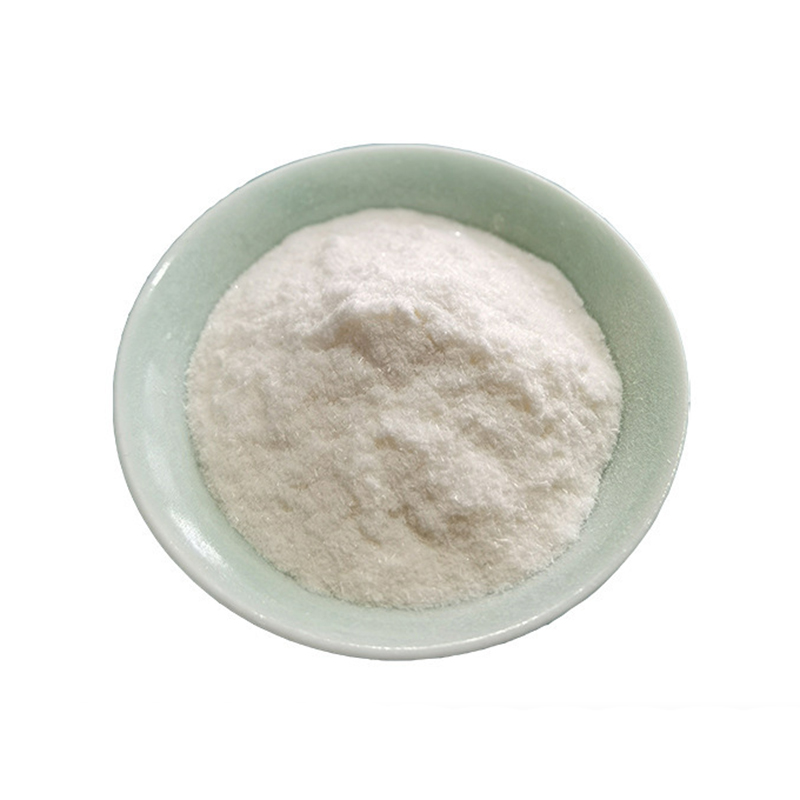
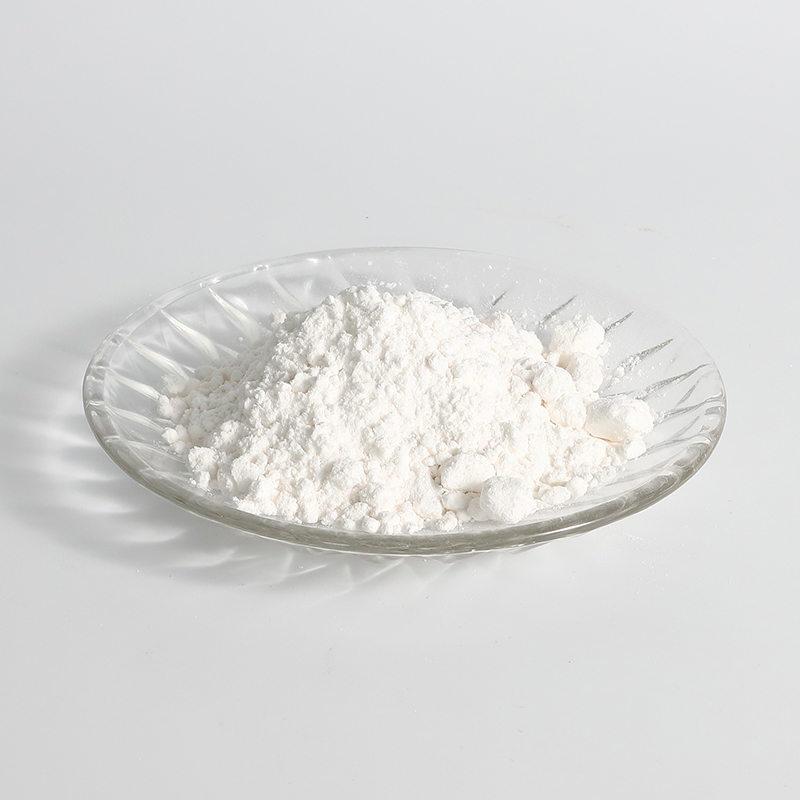
form | Crystalline Powder |
pka | 7.9(at 25℃) |
color | White to beige-brown |
Water Solubility | SOLUBLE |
λmax | 269nm(CHCl3)(lit.) |
Merck | 14,5317 |
BRN | 120895 |
Stability | Stable. Combustible. Incompatible with strong oxidizing agents. |
LogP | -0.640 |
CAS DataBase Reference | 501-30-4(CAS DataBase Reference) |
NIST Chemistry Reference | 5-Hydroxy-2-(hydroxymethyl)-4h-pyran-4-one(501-30-4) |
IARC | 3 (Vol. 79) 2001 |
EPA Substance Registry System | Kojic acid (501-30-4) |
Safety Information
Hazard Codes | Xn |
Risk Statements | 40-68 |
Safety Statements | 22-24/25-36/37-36 |
WGK Germany | 3 |
RTECS | UQ0875000 |
HS Code | 29329995 |
Hazardous Substances Data | 501-30-4(Hazardous Substances Data) |
Kojic acid is a skin-lightening agent that works through its antioxidant properties. As a tyrosinase inhibitor, it is effective in reducing melanin production, though not as potent as licorice extract. When combined with allantoin and other suitable ingredients in sunscreen products, it can help prevent UV-induced erythema and promote wound healing. However, it is also known to be skin-sensitizing and may cause irritation.