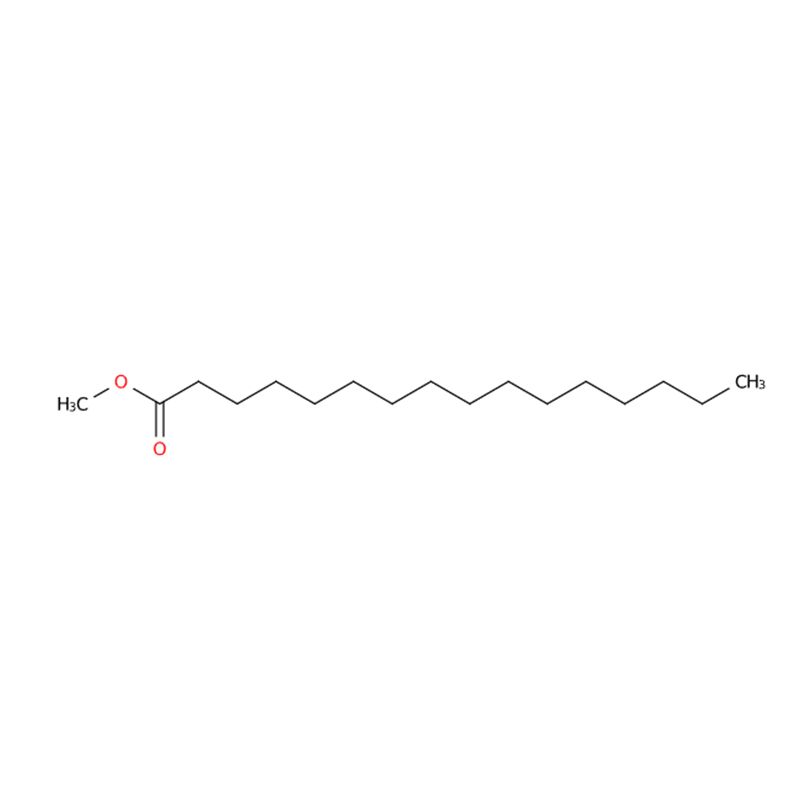

Methyl Palmitate CAS #112-39-0
Naturally Occurring Compound: Methyl Palmitate is a fatty acid ester naturally found in many plant species, making it suitable for formulations derived from natural sources.
Essential Oil Component: It is an important component of essential oils, contributing to applications in fragrance and specialty chemical formulations.
Biological Activity Potential: Experimental studies indicate that methyl palmitate can influence cellular activity, including inhibitory effects on phagocytosis.
Research and Biochemical Applications: Its cellular interaction properties make it useful in biochemical and experimental studies related to cell function and metabolism.
Methyl Palmitate CAS# 112-39-0
Methyl palmitate is a fatty acid ester that occurs naturally in the essential oils of many plant species. The concentration of methyl palmitate within cells can be influenced by the presence of methanol.
Experimental studies using isolated Kupffer cells have shown that methyl palmitate can inhibit phagocytosis and may reduce cell viability.
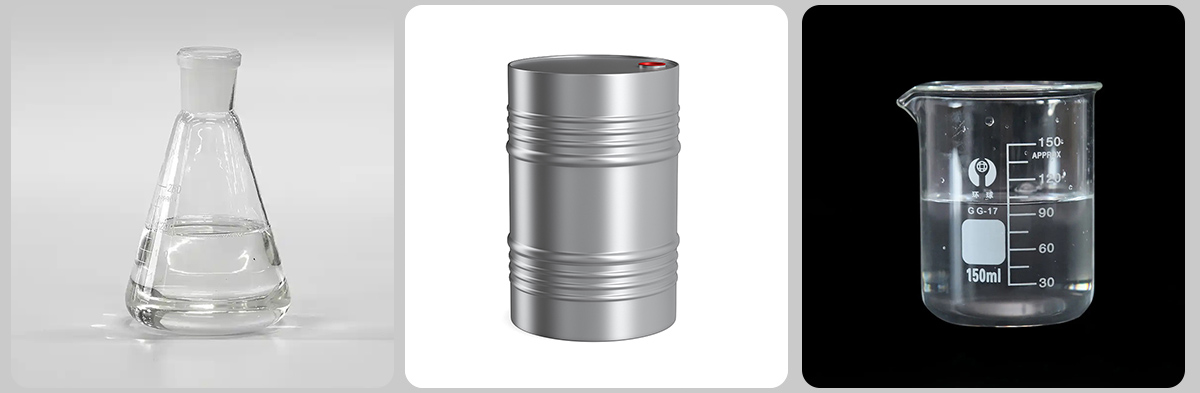
Methyl palmitate Chemical Properties
| Melting point | 32-35 °C (lit.) |
| Boiling point | 185 °C/10 mmHg (lit.) |
| Density | 0.852 g/mL at 25 °C (lit.) |
| Vapor pressure | 0.008Pa at 25℃ |
| Refractive index | n20/D 1.4512(lit.) |
| Fp | >230 °F |
| Storage temp | 2-8°C |
| Solubility | Chloroform (Sparingly), Methanol (Slightly) |
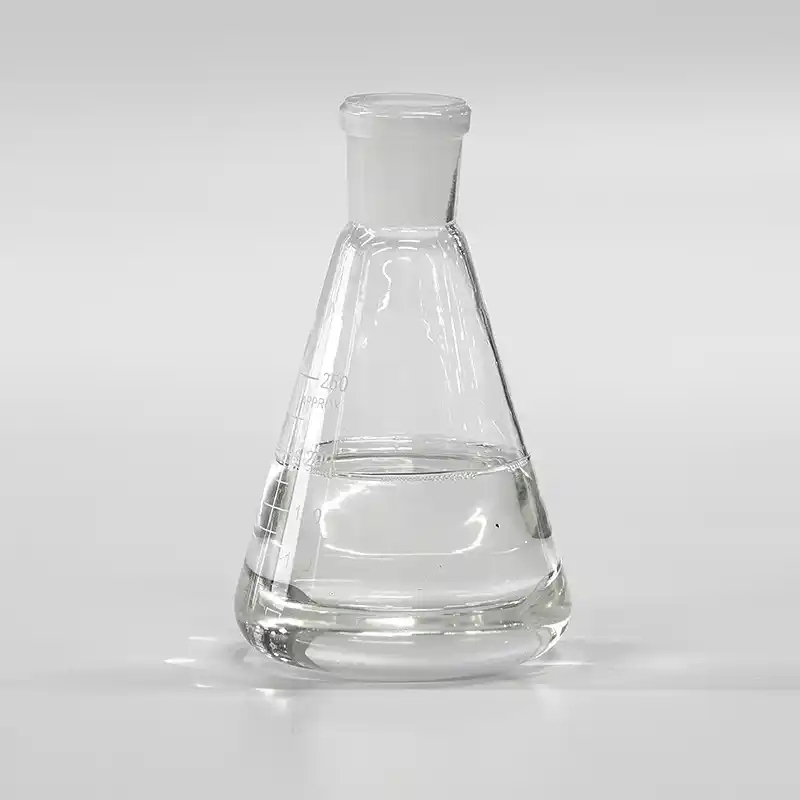
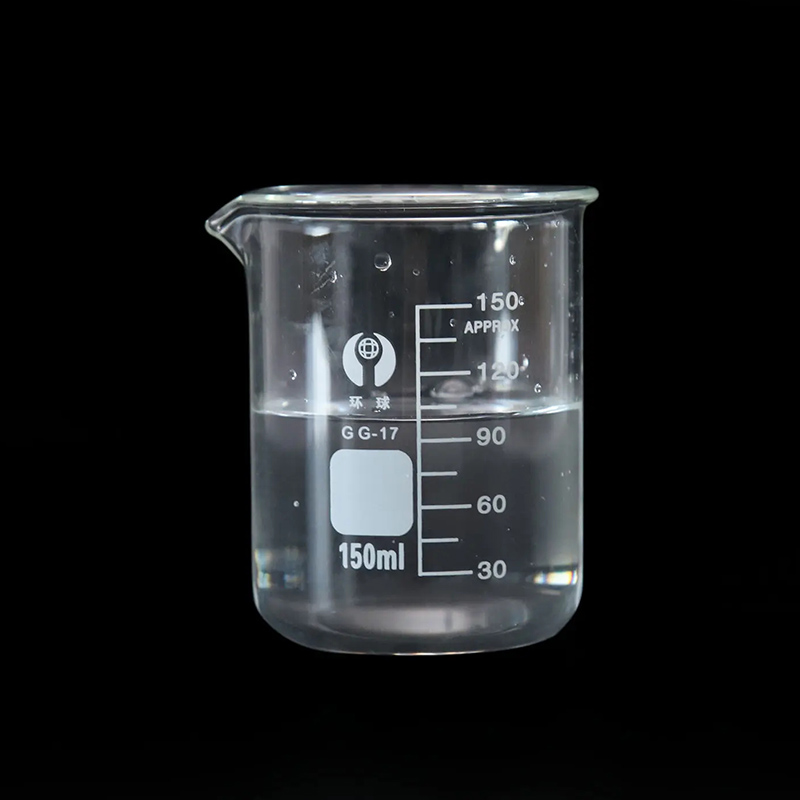
| Form | Liquid or Low Melting Solid |
| Specific Gravity | 0.852 |
| Color | Clear colorless |
| Odor | at 100.00 %. oily waxy fatty orris |
| Odor Type | waxy |
| biological source | plant (palm) |
| Water Solubility | INSOLUBLE |
| BRN | 1780973 |
| LogP | 7.38 at 36℃ |
| CAS DataBase Reference | 112-39-0(CAS DataBase Reference) |
| NIST Chemistry Reference | Hexadecanoic acid, methyl ester(112-39-0) |
| EPA Substance Registry System | Methyl palmitate (112-39-0) |
Safety Information
| Safety Statements | 22-24/25 |
| WGK Germany | 1 |
| TSCA | Yes |
| HS Code | 29157090 |
| Hazardous Substances Data | 112-39-0(Hazardous Substances Data) |

Product Usage
Methyl palmitate is widely used in the production of detergents, emulsifiers, wetting agents, stabilizers, resins, lubricants, plasticizers, and animal feed additives.
It has also been reported to exhibit anti-inflammatory and anti-fibrotic properties. Experimental studies indicate that methyl palmitate can help prevent bleomycin-induced lung inflammation and fibrosis in rats. Additionally, it has shown protective effects against carbon tetrachloride–induced liver fibrosis, which is associated with the reduction of transforming growth factor beta (TGF-β), a protein that regulates cell proliferation, differentiation, and various cellular functions.