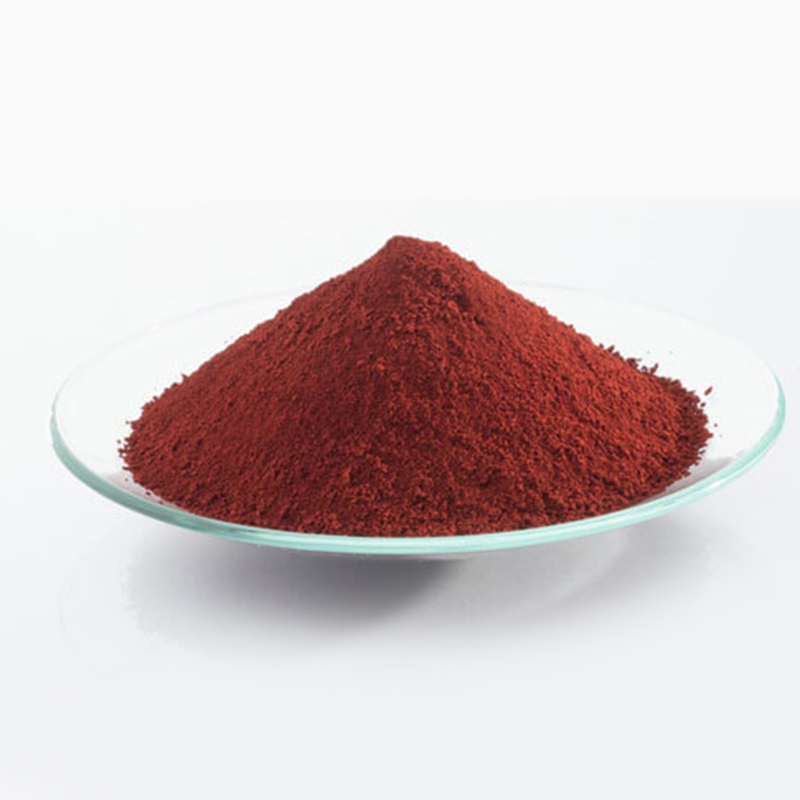
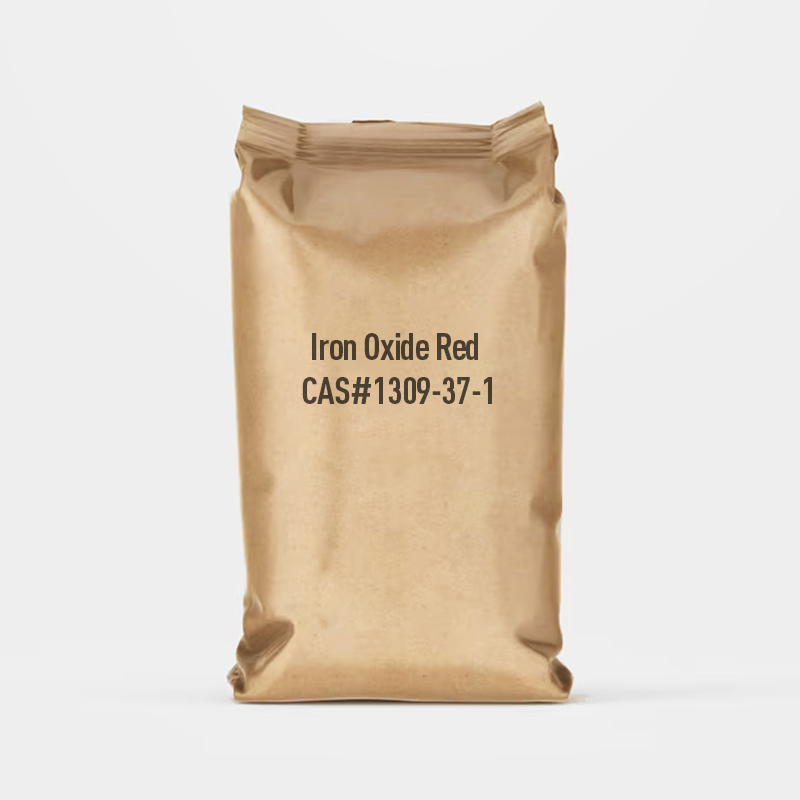
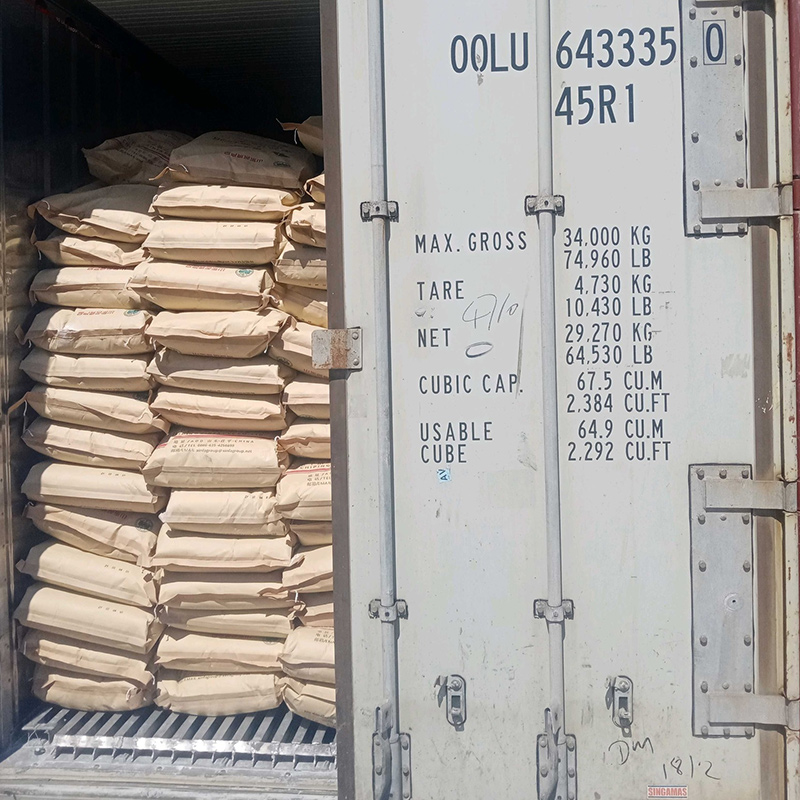
Iron Oxide Red CAS#1309-37-1
Wide Color Range: Iron oxides offer a versatile spectrum of hues, including yellow, red, brown, and black, meeting various application needs.
Synthetic Purity: Produced synthetically, iron oxides ensure consistent quality and controlled composition.
Low Metal Contamination: Food-grade iron oxides are specifically characterized by minimal contamination from other metals, making them suitable for sensitive applications.
Adaptability Across Industries: The availability of both anhydrous and hydrated forms allows for use in diverse sectors such as food, cosmetics, and industrial products.
Iron oxides are manufactured through synthetic processes and are primarily composed of anhydrous and/or hydrated forms. They are available in a variety of colors, including yellow, red, brown, and black. Food-grade iron oxides are mainly differentiated from industrial grades by their significantly lower levels of contamination from other metals.
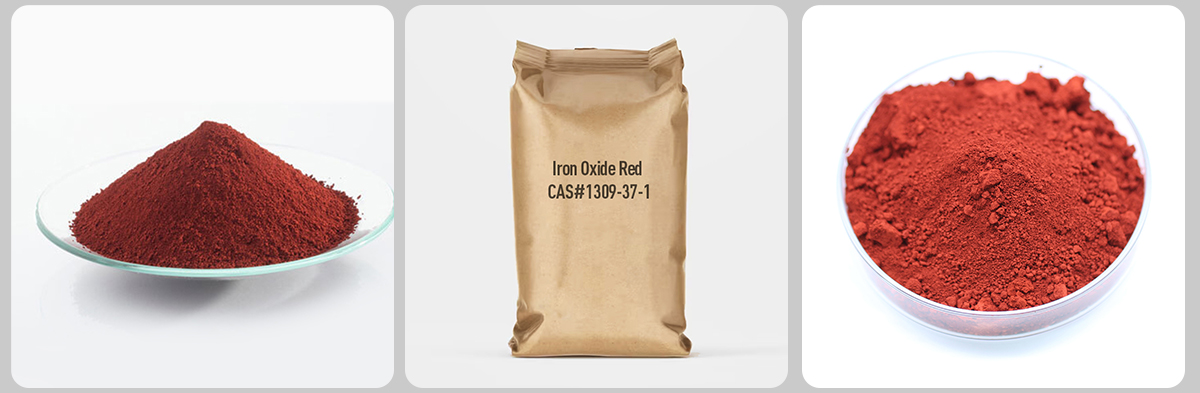
Ferric oxide Chemical Properties
Melting point | 1538°C |
Density | 5.24 |
Fp | >230 °F |
Storage temp | 2-8°C |
Solubility | It is soluble In Warm Hydrochloric Acid, Slightly Soluble in Sulfuric Acid. |
Form | Pieces |
Color | Black |
Specific Gravity | 5.1~5.2 |
PH | 3.7±0.3 |
Water Solubility | INSOLUBLE |
Crystal Structure | Corundum type |
Crystal system | Three sides |
Merck | 14,4028 |
Space group | R3c |
Lattice constant | a/nmb/nmc/nmα/oβ/oγ/oV/nm30.502590.502591.373590901200.3005 |
Exposure limits | ACGIH: TWA 5 mg/m3 |
Stability | Stable. |
CAS DataBase Reference | 1309-37-1(CAS DataBase Reference) |
NIST Chemistry Reference | Iron(iii) oxide(1309-37-1) |
IARC | 3 (Vol. 1, Sup 7) 1987 |
EPA Substance Registry System | Ferric oxide (1309-37-1) |
Safety Information
Hazard Codes | Xi |
Risk Statements | 36/37/38 |
Safety Statements | 26 |
OEB | B |
OEL | TWA: 5 mg/m3 |
WGK Germany | - |
RTECS | NO7400000 |
TSCA | Yes |
HS Code | 28211000 |
Hazardous Substances Data | 1309-37-1(Hazardous Substances Data) |
IDLA | 2,500 mg Fe/m3 |
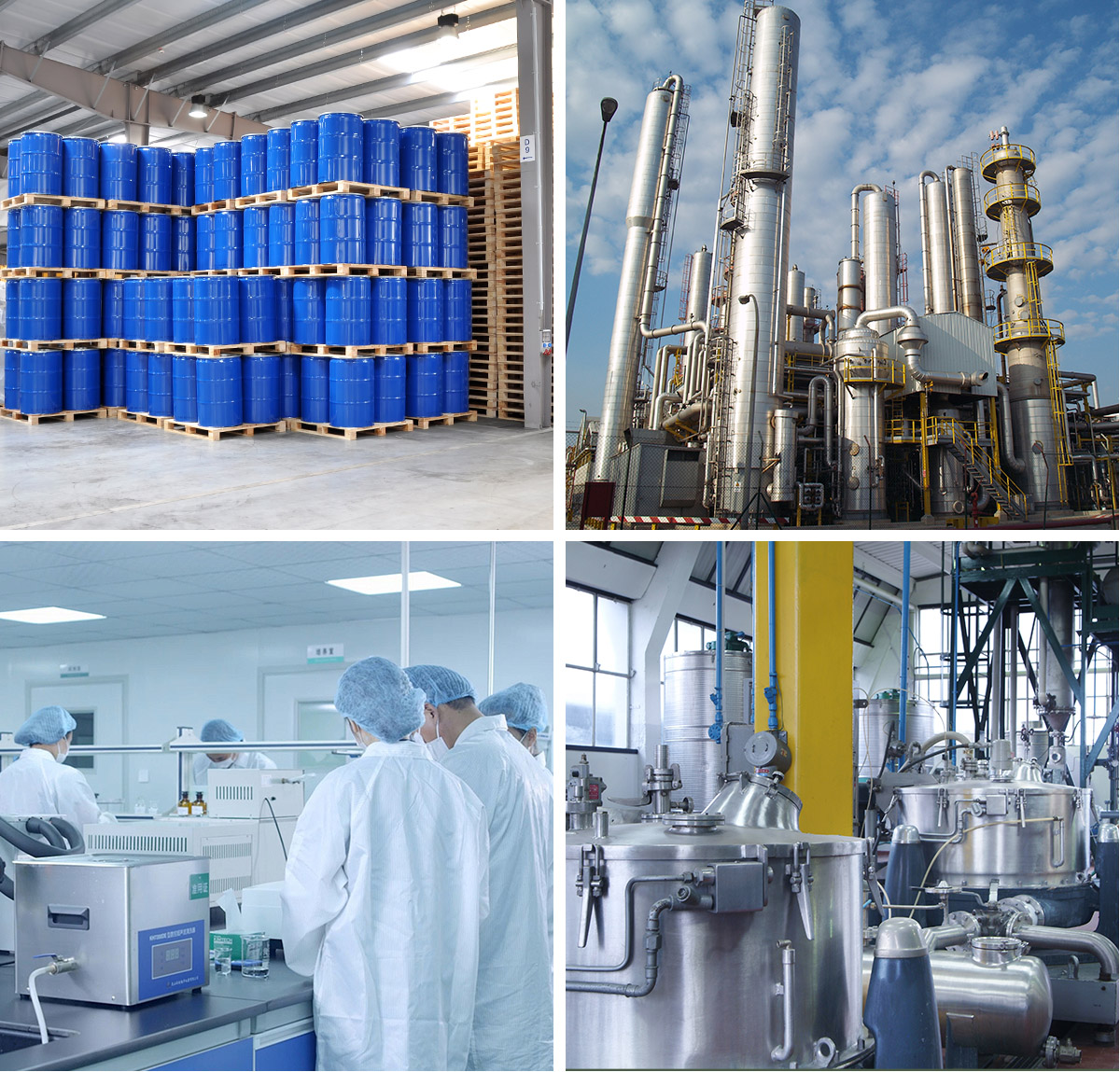
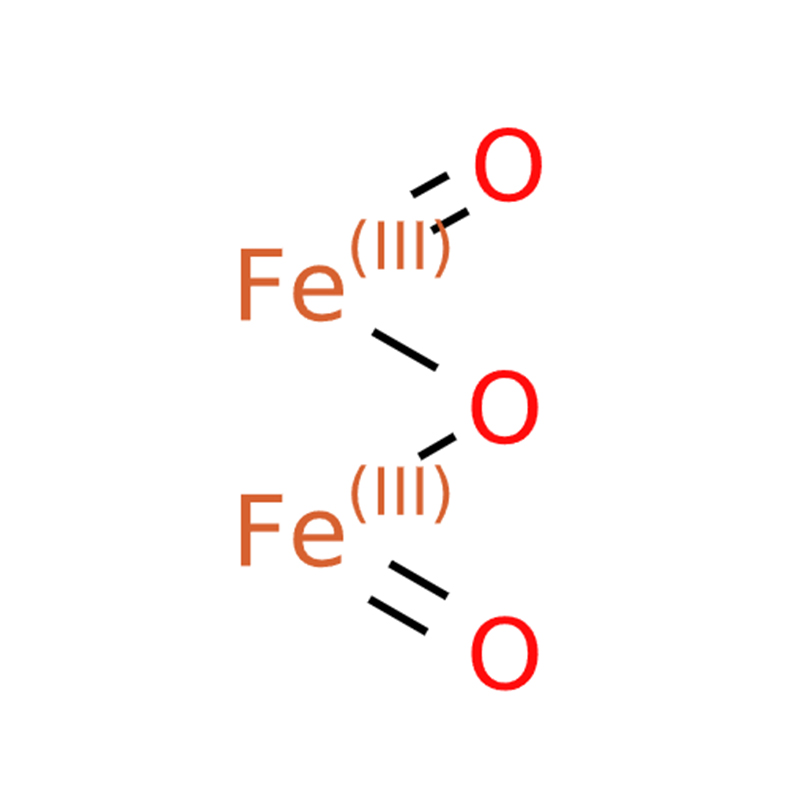
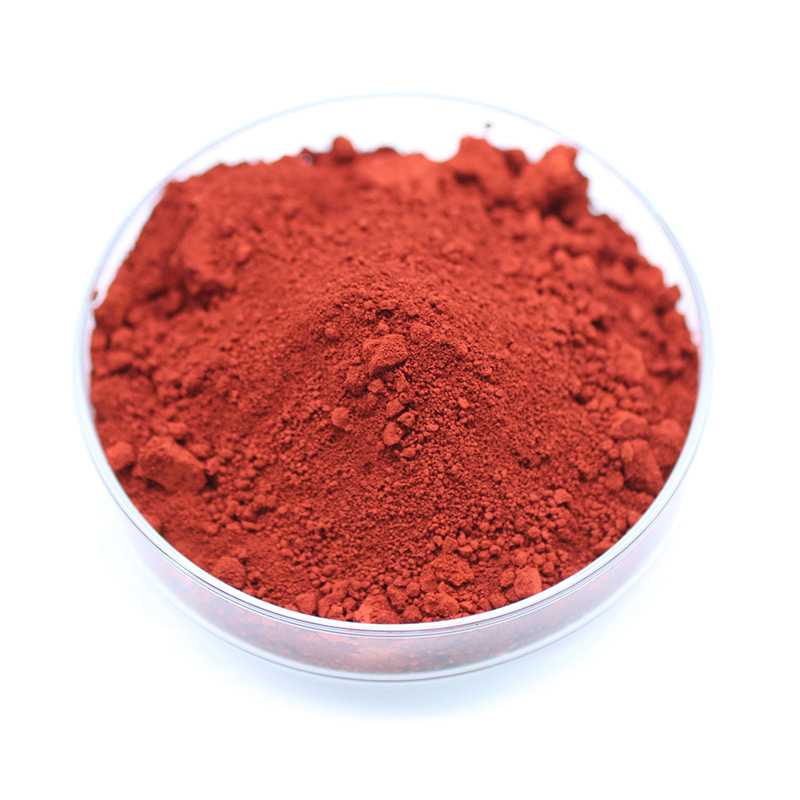
Red iron oxide (Fe2O3) is an inorganic pigment that can be either naturally occurring or synthetically produced. It is a low-chroma red with outstanding durability and affordability. The synthetic version is created by heating iron sulfate with quicklime in a furnace, while another method involves calcining iron sulfate in the presence of air at high temperatures. Naturally, iron oxides are extracted from minerals such as hematite (Fe2O3) or its hydrated form.