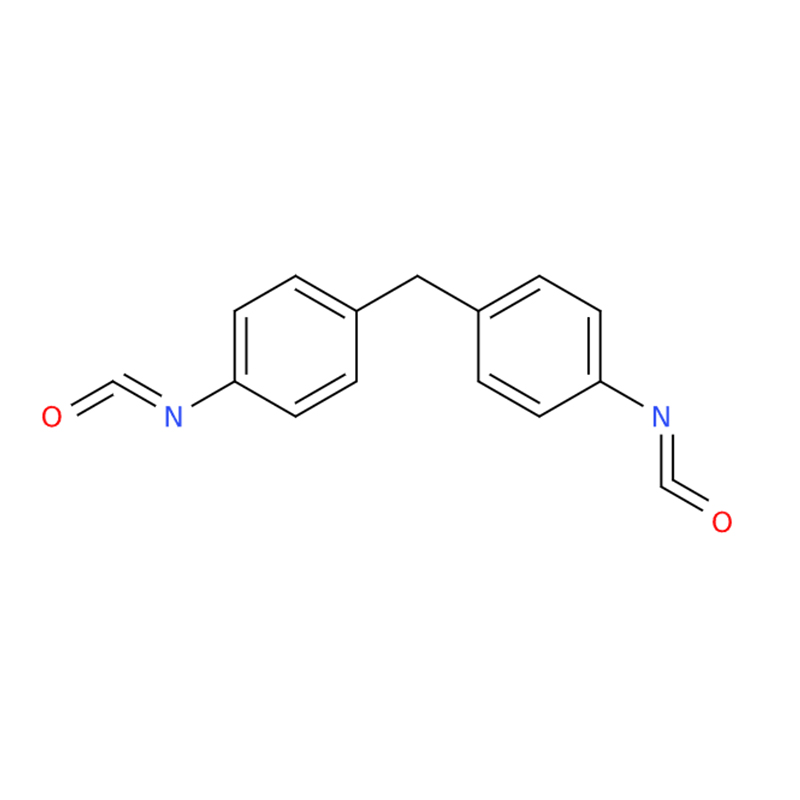
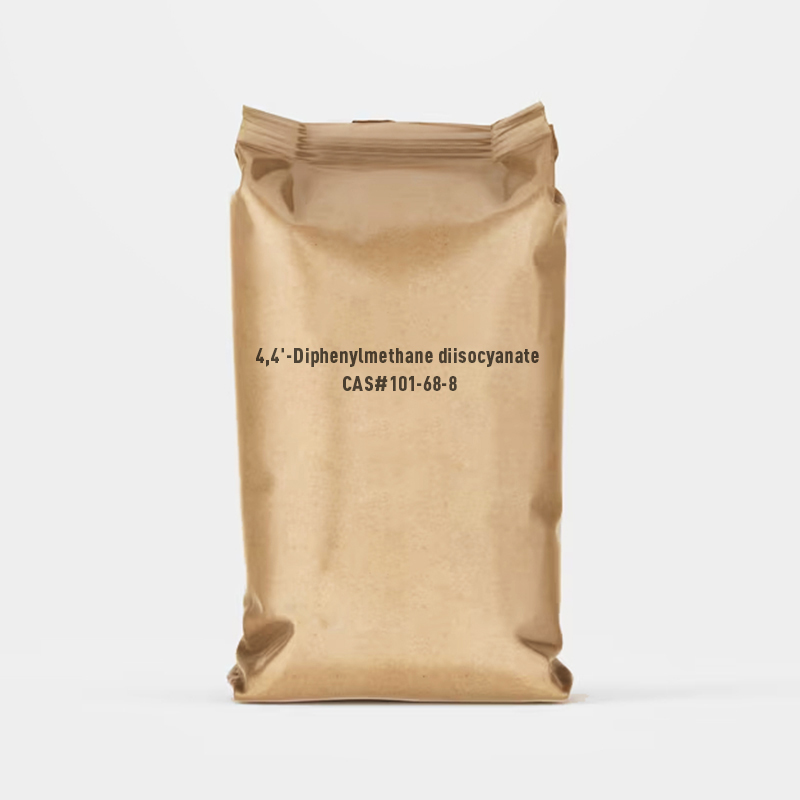
4,4'-Diphenylmethane diisocyanate CAS#101-68-8
The substance dissolves well in a wide range of organic solvents like acetone, benzene, kerosene, and nitrobenzene, enhancing its compatibility and versatility in chemical processing.
Its light yellow molten solid state allows for easy handling, mixing, and incorporation into various industrial workflows.
Due to its solvent compatibility and chemical properties, the compound is suitable for use in diverse chemical synthesis and industrial applications.
The compound's volatile characteristics make it effective for processes that benefit from vapor-phase activity, such as certain coatings, treatments, or catalytic systems.
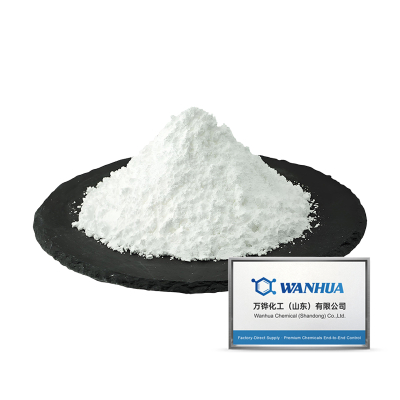
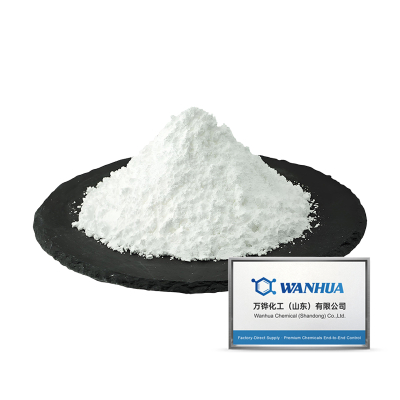
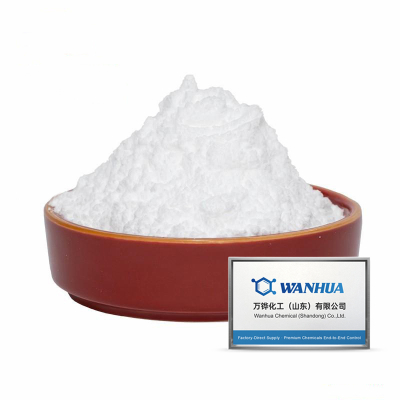
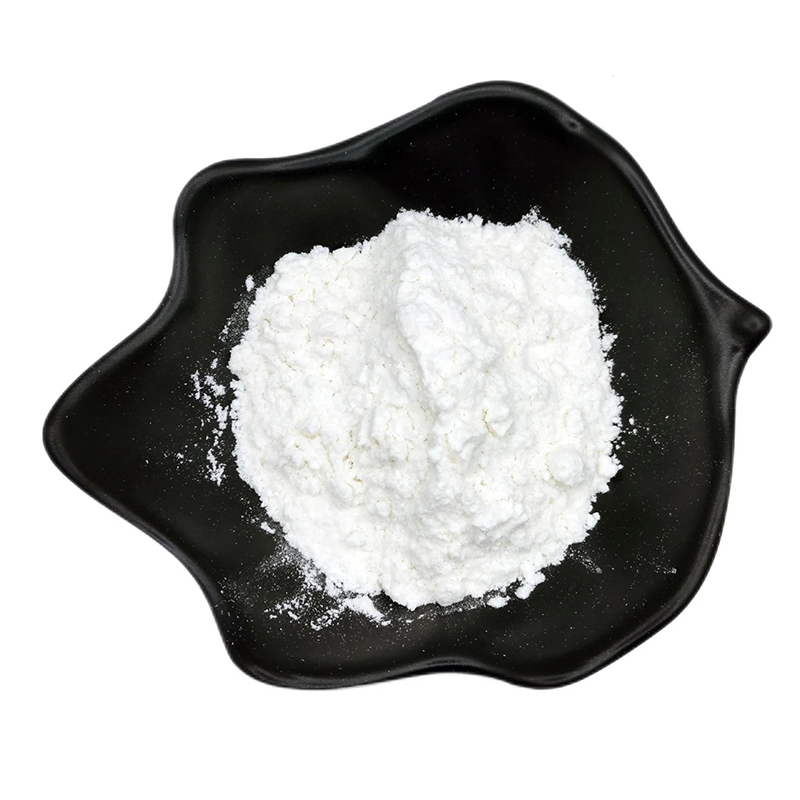
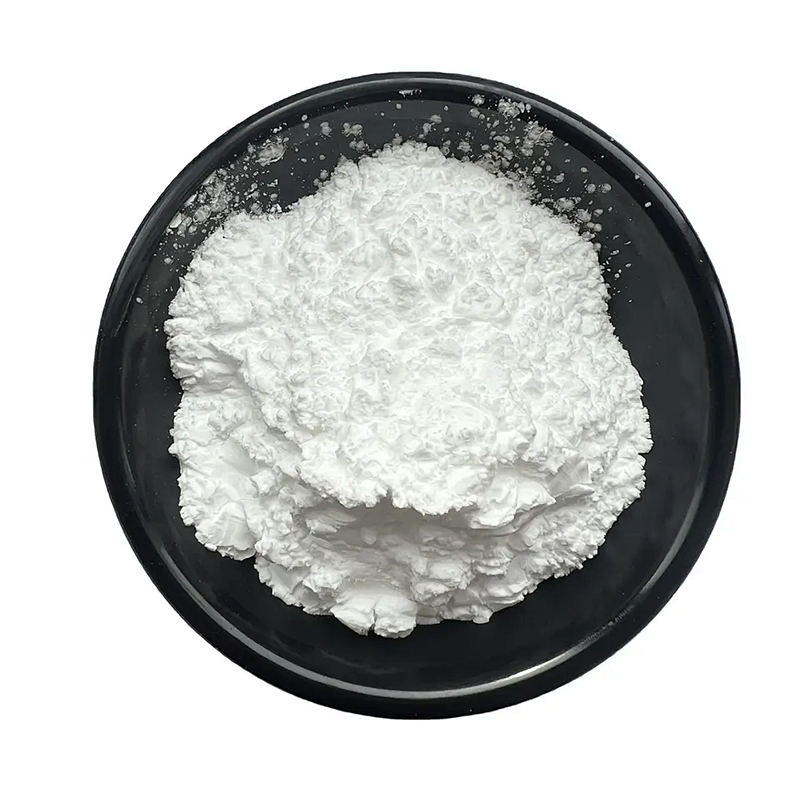
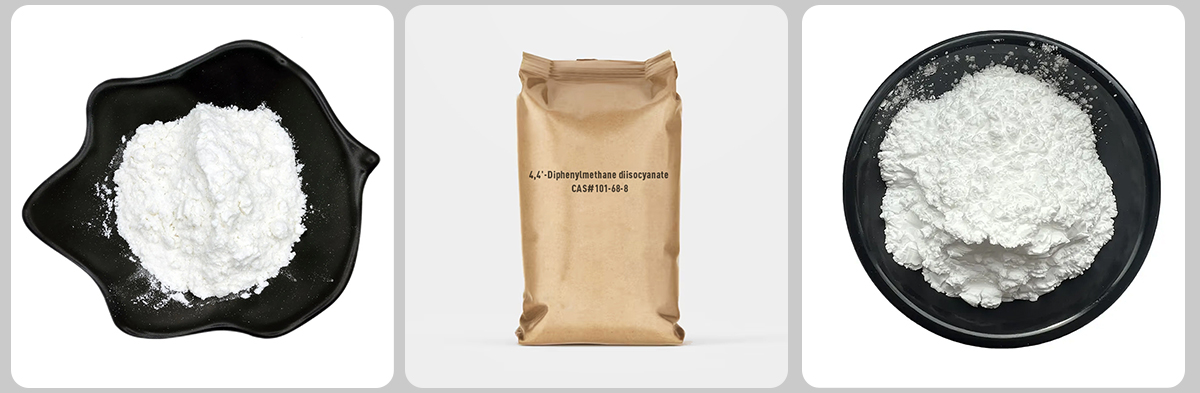
The substance appears as a light yellow molten solid and is characterized by a strong, irritating odor that can be quite pungent. It has a tendency to release vapors that may cause discomfort or irritation upon inhalation. This compound exhibits good solubility in a variety of organic solvents, including acetone, benzene, kerosene, and nitrobenzene. These solvents are capable of dissolving the substance efficiently, making it useful in various chemical processes and applications. However, its solubility in water is limited, and caution should be exercised when handling this material due to its volatile nature and potential health hazards associated with prolonged exposure to its fumes.
Parameters
Melting point | 38-44 °C |
Boiling point | 392 °C |
density | 1.19 |
vapor pressure | 0.066 hPa (20 °C) |
refractive index | 1.5906 (estimate) |
Fp | 196 °C |
storage temp. | -20°C |
solubility | 2g/l (decomposition) |
form | solid |
color | White to Almost white |
Specific Gravity | 1.180 |
explose limit | 0.4%(V) |
Water Solubility | decomposes |
FreezingPoint | 37℃ |
Sensitive | Moisture Sensitive/Lachrymatory |
BRN | 797662 |
Exposure limits | TLV-TWA 0.051 mg/m3 (0.005 ppm) (ACGIH and NIOSH); ceiling (air) 0.204 mg/m3 (0.02 ppm)/10 min (NIOSH and OSHA); IDLH 102 mg/m3 (10 ppm). |
Dielectric constant | 10.0(Ambient) |
Stability: | Stable. Combustible. Incompatible with strong oxidizing agents. Reacts violently with alcohols. |
CAS DataBase Reference | 101-68-8(CAS DataBase Reference) |
NIST Chemistry Reference | Benzene, 1,1'-methylenebis[4-isocyanato-(101-68-8) |
IARC | 3 (Vol. 19, Sup 7, 71) 1999 |
EPA Substance Registry System | 4,4'-Methylenedi(phenyl isocyanate) (101-68-8) |
Safety Information
Hazard Codes | Xn,T,C |
Risk Statements | 42/43-36/37/38-20-48/20-40 |
Safety Statements | 45-36/37-23 |
RIDADR | 2206 |
OEB | D |
OEL | TWA: 0.05 mg/m3 (0.005 ppm), Ceiling: 0.2 mg/m3 (0.020 ppm) [10-minute] |
WGK Germany | 1 |
RTECS | NQ9350000 |
Autoignition Temperature | >600 °C |
Hazard Note | Toxic/Corrosive/Lachrymatory/Moisture Sensitive |
TSCA | Yes |
HazardClass | 6.1 |
PackingGroup | II |
HS Code | 29291090 |
Hazardous Substances Data | 101-68-8(Hazardous Substances Data) |
Toxicity | LD50 orally in Rabbit: > 5000 mg/kg LD50 dermal Rabbit > 9000 mg/kg |
IDLA | 75 mg/m3 |
Cyanides, isocyanates and related derivatives; polyurethane-based materials; organic building blocks; raw materials for organic chemical synthesis; chemical products focused on organic chemistry; isocyanate esters; organic compounds; general chemical substances; diphenylmethanes (used in high-performance polymer research); functional material chemicals; reagents for advanced polymer studies; alphabetical index: M; META-METH; analytical standard references; pyridines and halogenated heterocycles; raw materials for new material synthesis; organic intermediates; fundamental chemical substances; and various additives.