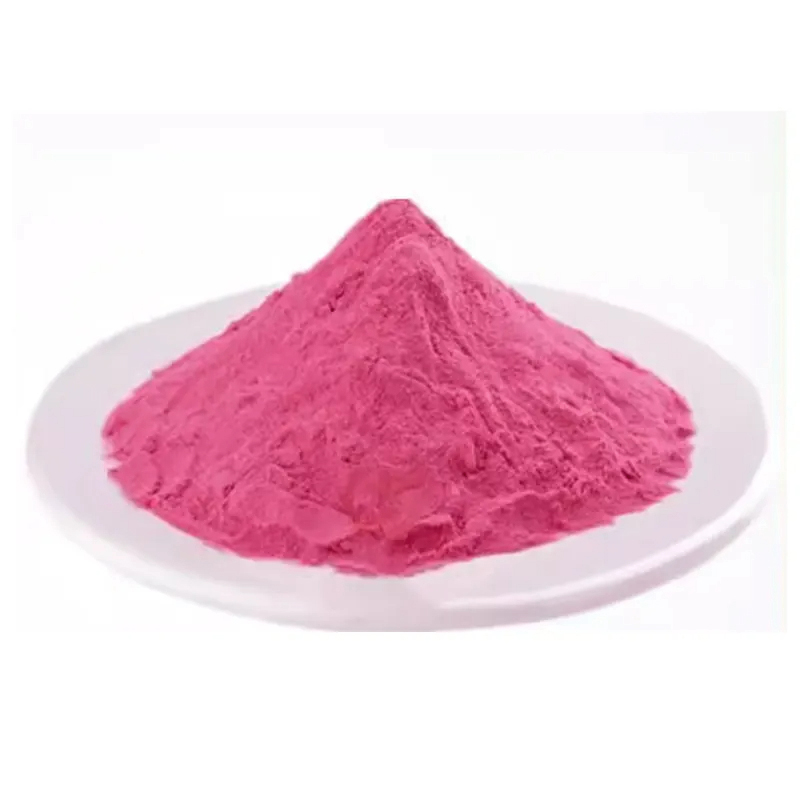
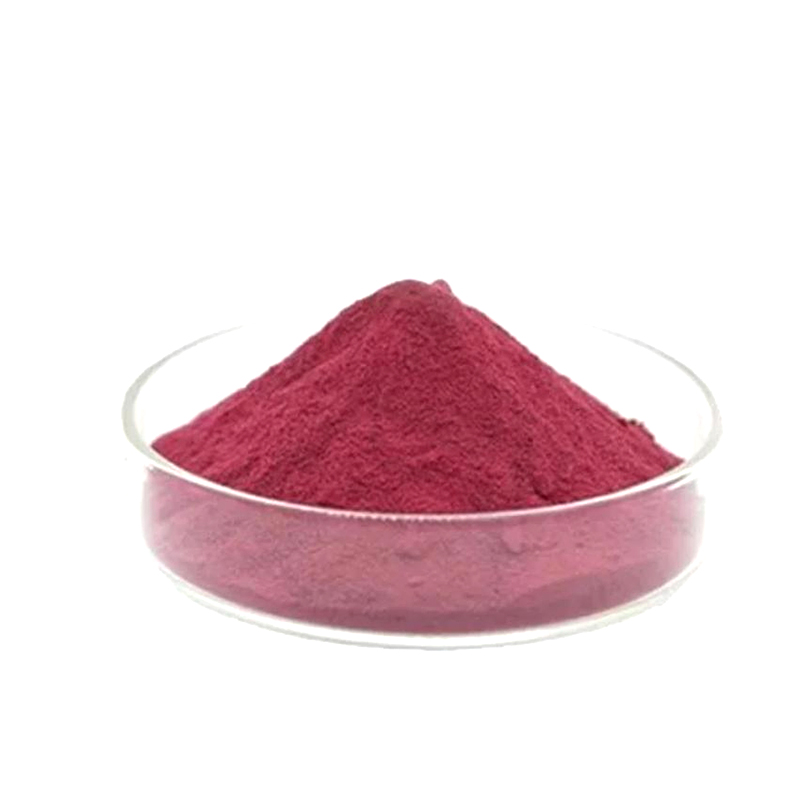
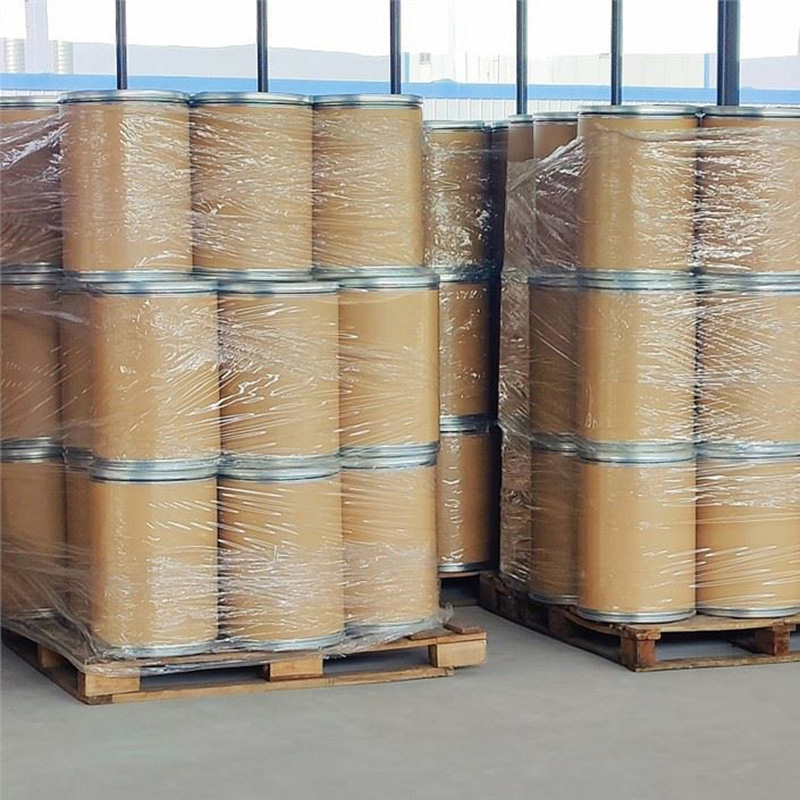
Vitamin B12 CAS#68-19-9
Crucial for DNA Synthesis: Vitamin B12 acts as an essential coenzyme in RNA and DNA synthesis, supporting cell growth and division.
Neurological Health: It plays a key role in preventing neurological disorders, including nerve damage, from vitamin B12 deficiency.
Supports Red Blood Cell Production: Deficiency in B12 can lead to megaloblastic anemia, and its supplementation helps in the production of healthy red blood cells.
Rich in Natural Sources: Vitamin B12 is primarily found in animal-based foods such as meat, fish, liver, and dairy, providing vital nutrition for humans.
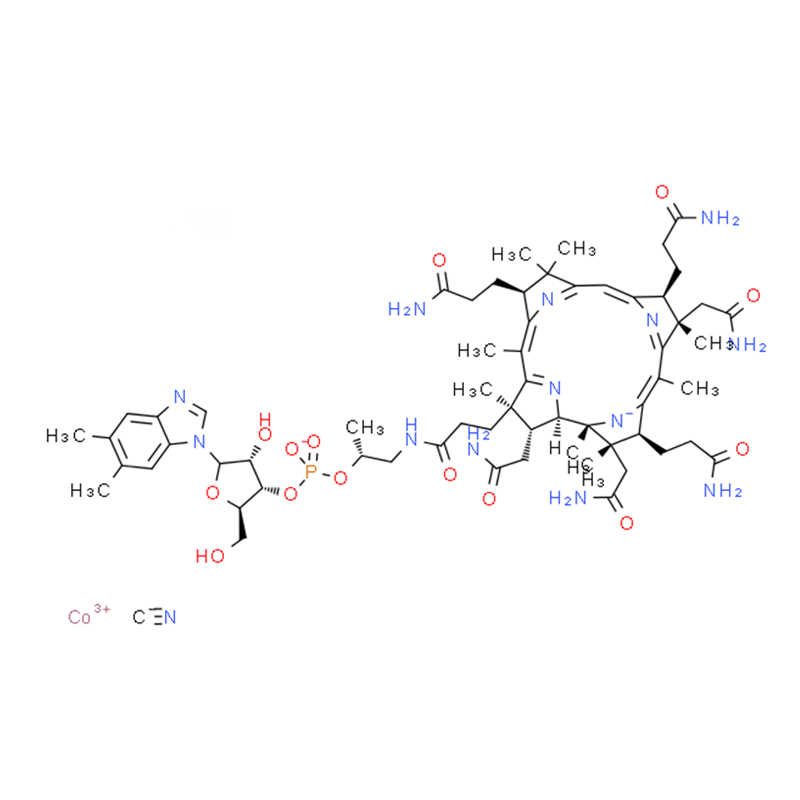
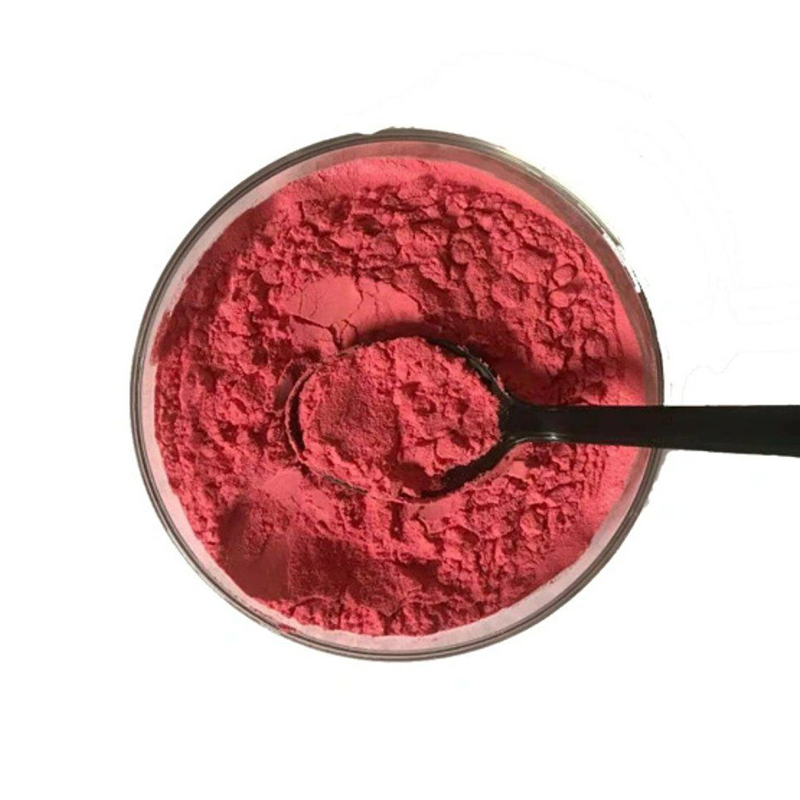
Vitamin B12, commonly abbreviated as VB12, is also called cobalamin. As a member of the B vitamin family, it represents a group of cobalt-containing corrinoid complex organic compounds. The trivalent cobalt ion within its structure is positioned at the center of a corrin ring plane resembling porphyrin. It holds the distinction of being the largest and most intricate vitamin molecule identified to date, and uniquely contains metal ions among vitamins; its crystalline form appears red, earning it the alternative name of red vitamin. Unlike animals, plants neither contain nor synthesize VB12. The richest natural source is liver, with other good sources including milk, meat, eggs, and fish. VB12 serves as an essential coenzyme in both ribonucleic acid and deoxyribonucleic acid synthesis.
Deficiency may lead to neurological disorders affecting both peripheral nerves and the central nervous system. The fundamental structure of these natural cobalt coordination compounds is termed corrinoids. Different forms of vitamin B12 vary only in their cobalt's β-ligand configuration, collectively known as cobalamins. Nearly all VB12 production occurs through bacterial synthesis. Primary dietary sources comprise fish, meat, liver and dairy products, while plant-based foods contain minimal or no cobalamin. Both methylcobalamin and adenosylcobalamin function as enzyme cofactors that the body converts into biologically active forms. Significant deficiency can cause megaloblastic anemia and potential neurological impairment.

Melting point | >300°C |
alpha | 23656 -59 ± 9° (dil aq soln) |
Boiling point | >300 °C |
bulk density | 450-600kg/m3 |
Fp | 9℃ |
storage temp. | 2-8°C |
solubility | Sparingly soluble in water and in ethanol (96 per cent), practically insoluble in acetone. The anhydrous substance is very hygroscopic. |
pka | pKa 3.28±0.04(H2O,D2O t=23±0.5 Iunspeci?ed) (Uncertain) |
form | Crystalline Powder or Crystals |
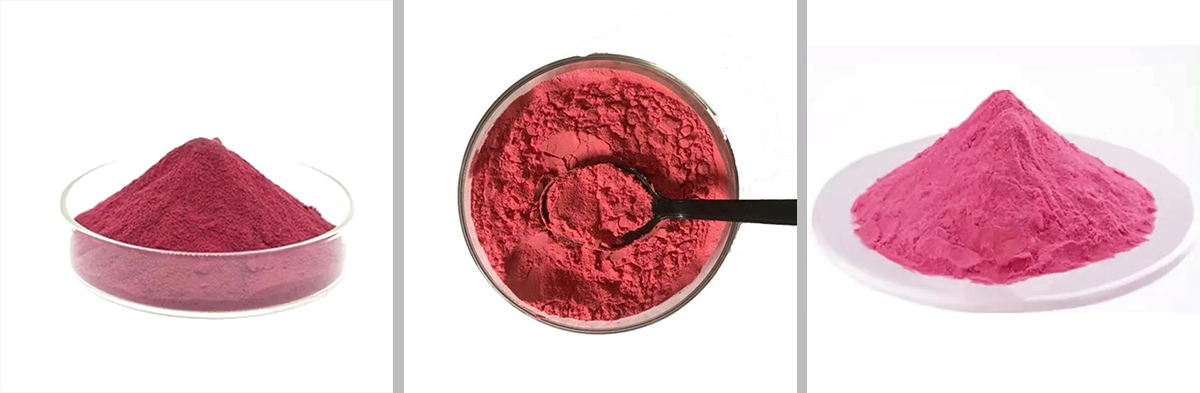
color | Red to dark red |
Odor | dark red cryst. or powd., odorless and tasteless |
PH | 6.0 (20°C, 1g/L in H2O) |
biological source | synthetic ((organic)) |
Water Solubility | Soluble |
Sensitive | Hygroscopic |
Merck | 1410014 |
BRN | 4122889 |
Exposure limits | NIOSH: IDLH 25 mg/m3 |
Stability: | Hygroscopic. Keep cold and dry. |
InChIKey | RMRCNWBMXRMIRW-WZHZPDAFSA-L |
LogP | 3.570 (est) |
EPA Substance Registry System | Vitamin B12 (68-19-9) |
Safety Information | |
Hazard Codes | |
HS Code | 2936260000 |
Hazardous Substances Data | 68-19-9(Hazardous Substances Data) |
Toxicity | LD50 intravenous in mouse: 2gm/kg |