Xylanase from Trichoderma viride CAS#9025-57-4
Efficient Xylan Degradation – Specifically breaks down xylan into oligoxylose and xylose, enhancing feed utilization.
Improved Feed Performance – Reduces molecular size of arabinoxylan, lowering viscosity and minimizing anti-nutritional effects.
Multi-Enzyme Synergy – Functions as a complex enzyme system requiring coordinated action of endoxylanase, β-xylosidase, and debranching enzymes for complete hydrolysis.
Versatile Enzymatic Activity – Includes debranching enzymes such as α-glucuronidase, α-L-arabinofu-ranosidase, ferulic acid esterase, and acetylxylan esterase, ensuring comprehensive degradation.
Xylanase, also known as pentosanase, is a hydrolase that specifically degrades xylan into oligoxylose and xylose. Xylanase is the general term for a group of enzymes capable of degrading xylan. Studies have shown that the addition of xylanase to feed can significantly reduce the molecular size of arabinoxylan, breaking it down into oligoxylose with a lower degree of polymerization, thereby improving feed performance and eliminating or reducing the anti-nutritional effects caused by increased viscosity. Xylanase is a complex enzyme system. Complete hydrolysis of xylan requires the coordinated efforts of multiple hydrolases, including endoxylanase, β-xylosidase, and debranching enzymes. Debranching enzymes include α-glucuronidase, α-L-arabinofuranosidase, ferulic acid esterase, and acetylxylan esterase.
English Name | Xylanase from Trichoderma viride |
English Synonyms | endo-1,4-β-Xylanase from Clostridium thermocellum, Recombinant;Xylanase for Aquatic Animals;Xylanase 11B from Ruminococcus flavefaciens, Recombinant;Xylanase 10A from Bacteroides ovatus, Recombinant;Xy lanase 10A from Bacillus halodurans, Recombinant;Xylanase 10A from Caldicellulosiruptor saccharolyticus, Recombinant;Xylanase 11A from Podospora anserina, Recombinant;Xylanase 11A from Thermobifida fusca Recombinant |
CAS Number | 9025-57-4 |
Molecular Weight | 0 |
EINECS Number | 232-800-2 |
Density | 1.37 [at 20°C] |
Vapor Pressure | OPa at 25°C |
Storage Conditions | 2-8°C |
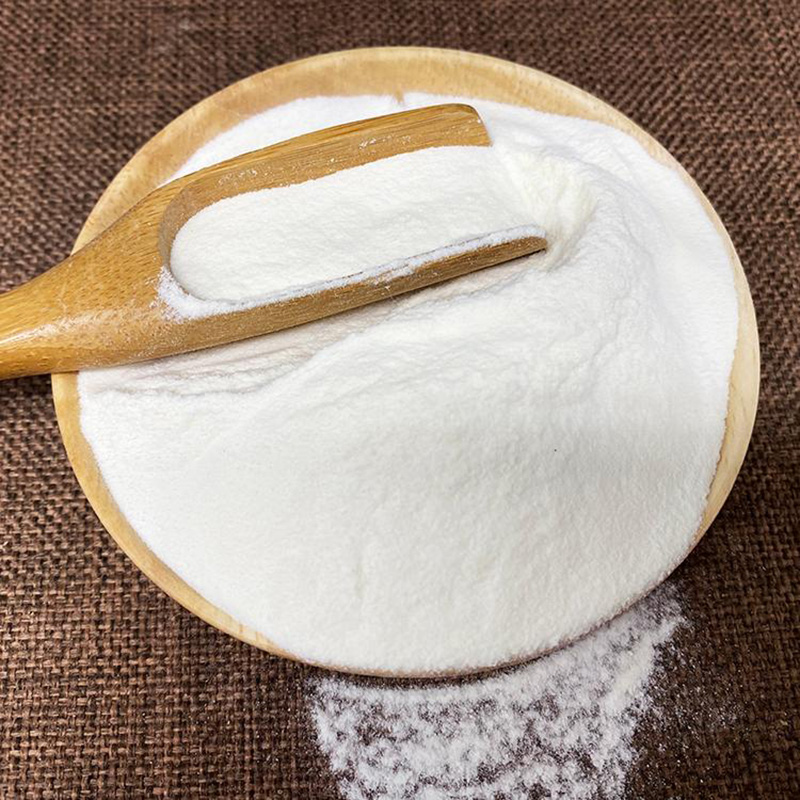
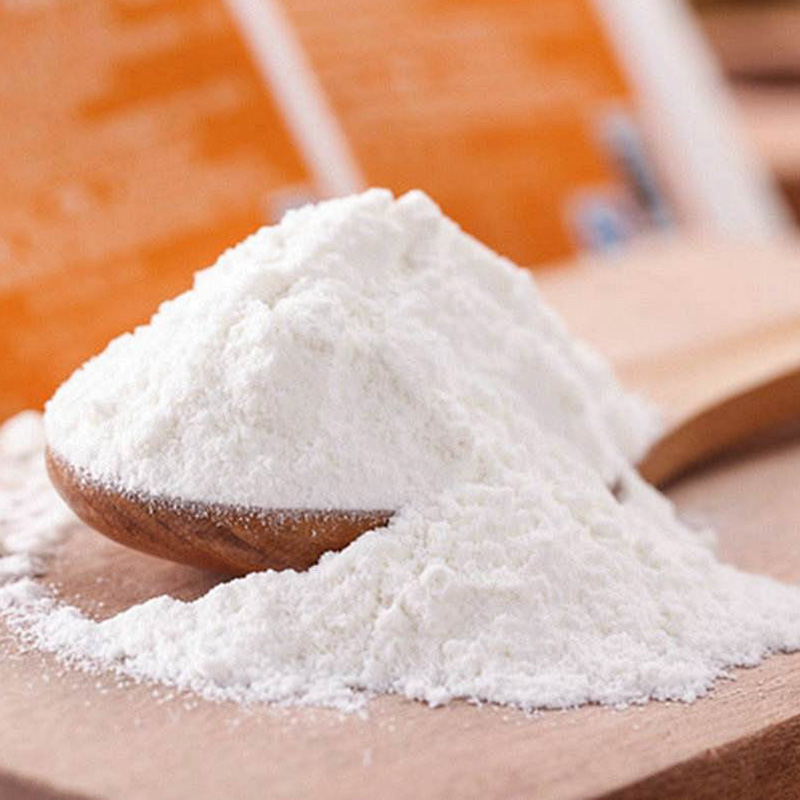
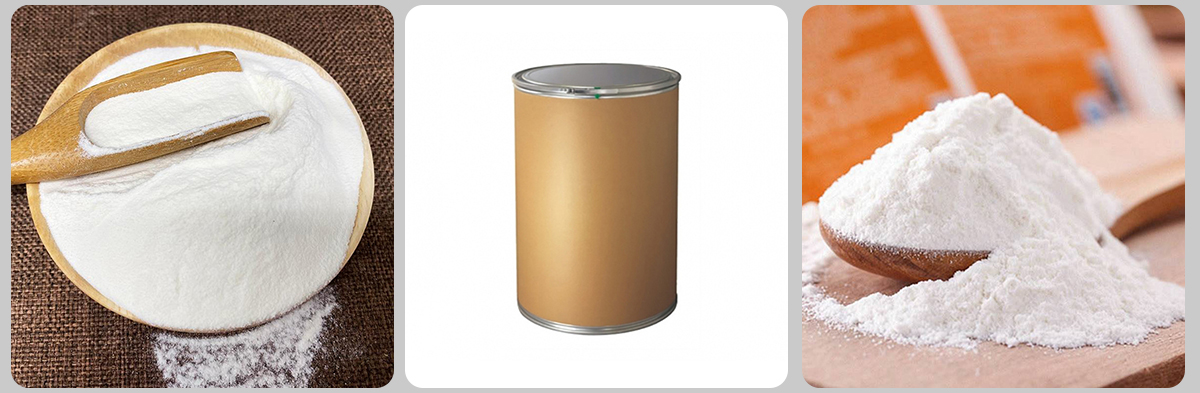
Appearance | Solid |
Color | Yellow to brown |
Biological Origin | Fungus (Trichoderma viride) |
Water Solubility | 100g/L at 25°C |
Specific Activity | 100-300 units/mg protein |
LogP | -1.3 at 20°C |
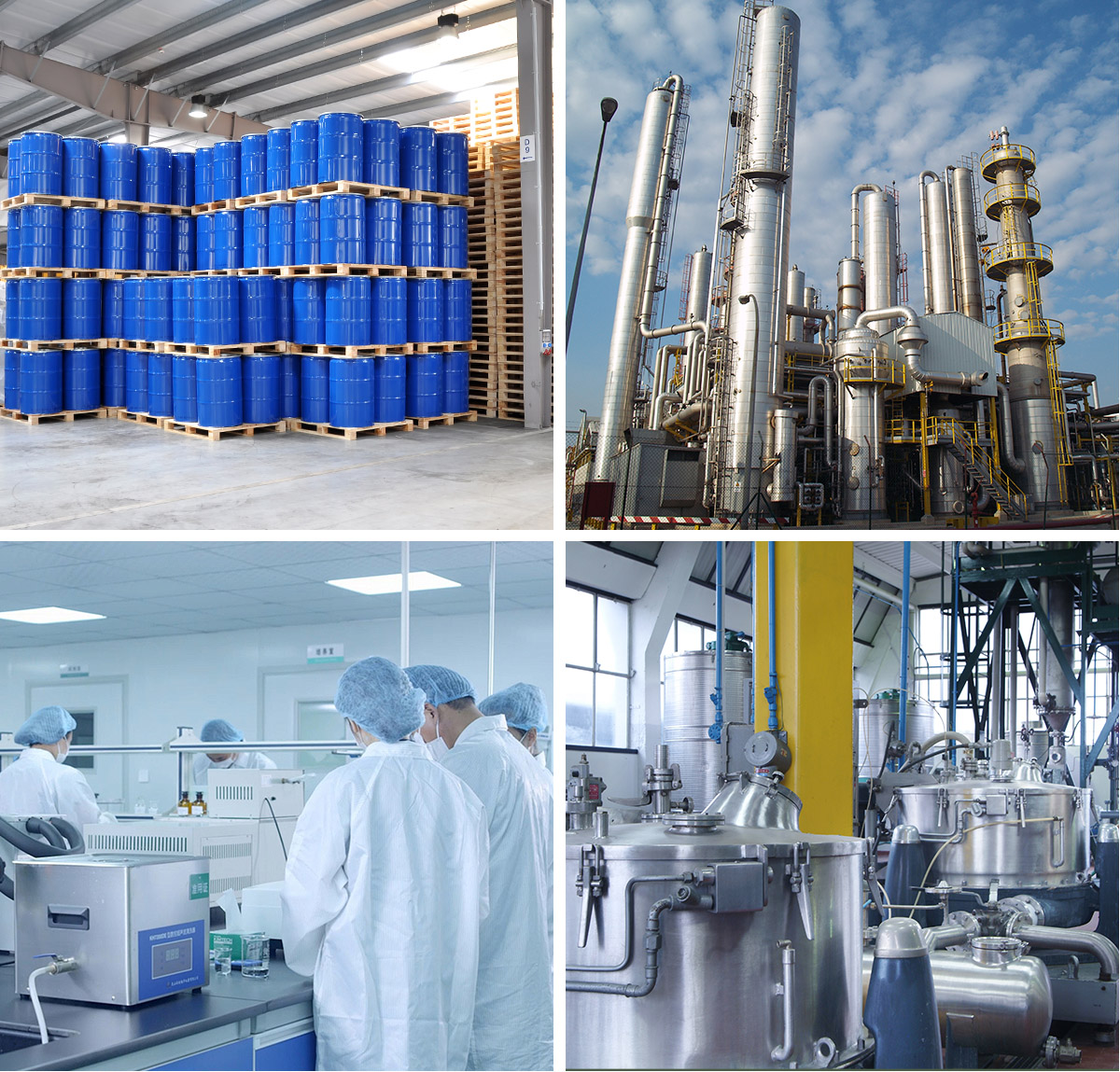
Xylanase has become a key ingredient in bread improvers. Xylanase has a certain anti-aging effect on bread and can extend its shelf life. The optimal pH for xylanase is 5.0. During pulp cooking, chemical book xylan partially dissolves, denatures, and redeposits on the fiber surface, causing clogging of the pulp matrix. Xylanase is a specific enzyme that degrades xylan, not cellulose. Xylanase can break down cell walls and β-glucans in raw materials used in the brewing and feed industries, reducing the viscosity of brewing materials and promoting the release of effective substances. It also reduces the amount of non-starch polysaccharides in feed grains, promoting the absorption and utilization of nutrients and making it easier to extract soluble lipids.